
After Years Locked up for Stealing Cold Medicine, Reginald Randolph Is Released
But if he loses his appeal and New York Gov. Kathy Hochul declines to grant him clemency, he will likely be sent back to prison.

But if he loses his appeal and New York Gov. Kathy Hochul declines to grant him clemency, he will likely be sent back to prison.
Reginald Randolph is currently serving a two to four year sentence in state prison for stealing cold medicine

Sky-high costs, fear of retaliation, and isolation create roadblocks for incarcerated people to join conversations about reform.
Blind in one eye and at risk of losing vision in the other, 58-year-old Reginald Randolph is now on the verge of being sent to state prison to serve out a maximum of four years in state prison.

Inside New Jersey’s Bayside State Prison, corrections officer John Makos allegedly tortured incarcerated kitchen workers. In one incident, he approximated a “crucifixion” by handcuffing his victim’s outstretched arms to fences and doors, then beat him, according to a criminal complaint issued by the Department of Justice last month.

Justices in the state’s highest court are weighing whether it is unconstitutional to sentence people convicted of murder and aged 18 to 20 to life without parole.

Leaving prison often hinges on completing rehabilitative programming. The pandemic caused many of these required courses to be put on hold.

At the same time, state lawmakers are pushing to incarcerate more people pretrial.

Even with the recent creation of the Juvenile Sentence Review Board, the governor’s process for granting clemency remains unclear.
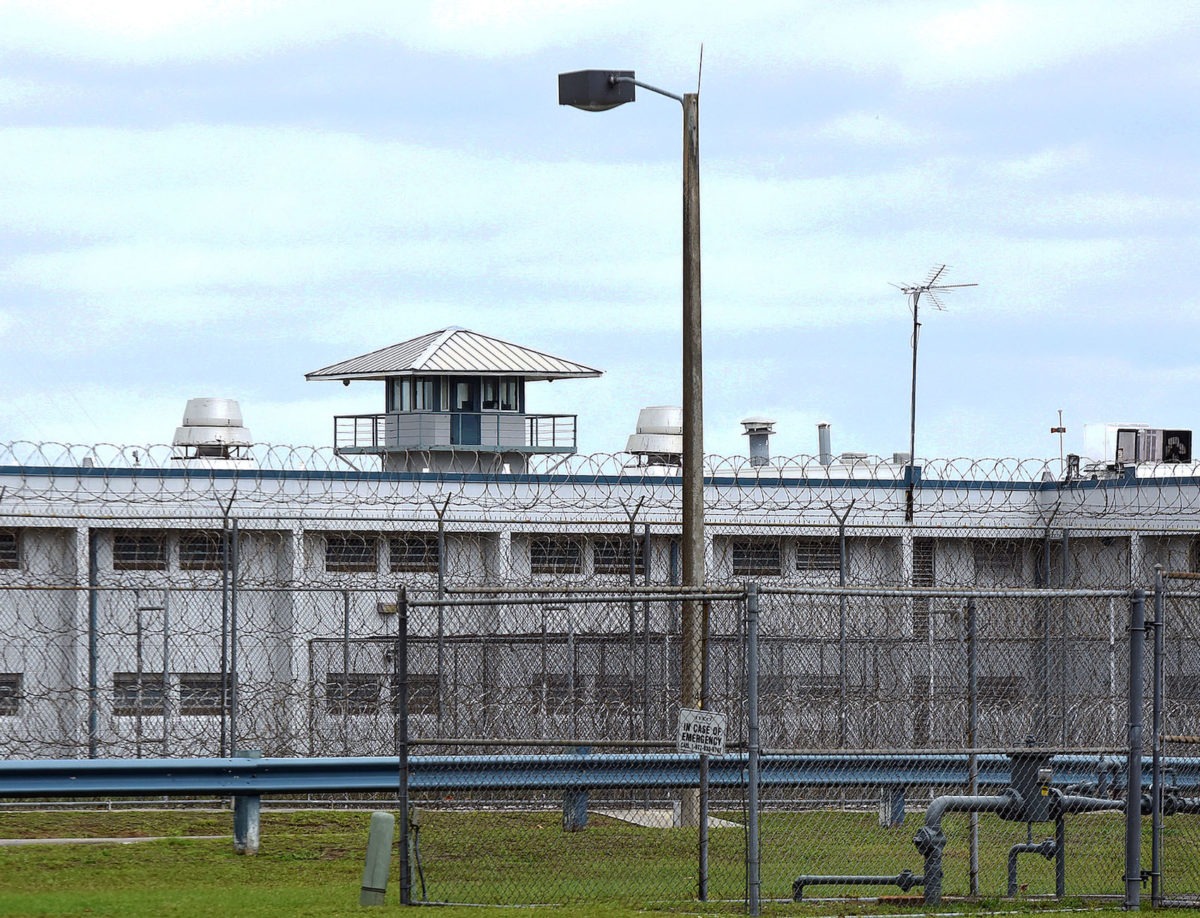
The ACLU’s ongoing battle to force the Florida Department of Corrections to release the formulas it uses to calculate release dates for imprisoned people.

Repealing state and federal mandatory minimums will help address the mass incarceration crisis, advocates hope.

A Department of Justice memo from January could have a devastating effect on many federal prisoners who have been released on home confinement.

Tishaura Jones wants to decriminalize offenses and transfer people out of the Workhouse. Cara Spencer wants to end the contract to house federal detainees.

B.S., a 61-year-old Black man, has struggled with substance use for decades. Now, prosecutors are leveraging his record against him—and forbidding references to racial justice, George Floyd, Breonna Taylor, B.S.’s potential sentence, or his health problems at his trial.

A common sense cost-benefit analysis of pretrial detention.

Advocates have been urging Governor Gavin Newsom to make greater use of his clemency power, especially for older prisoners who are more vulnerable to COVID-19.

At the urging of advocates, Governor Tom Wolf signed off on all remaining commutations applications on his desk.
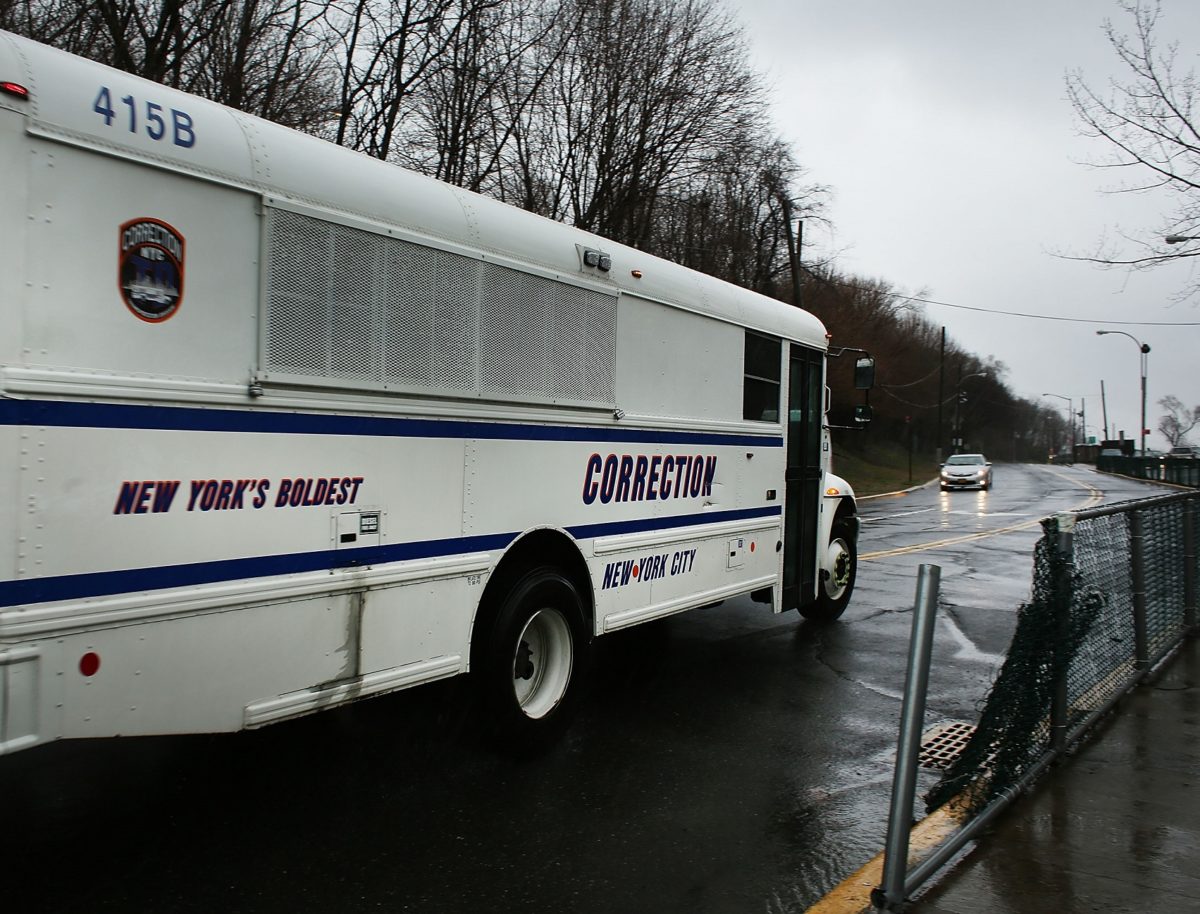
Despite calls to reduce incarcerated populations, the number of people being detained for minor parole violations has been rising.

Virginia’s Department of Corrections has recently settled two lawsuits over its use of solitary confinement—a practice lawmakers are moving closer to abolishing.

The Bureau of Justice Statistics has suffered from years of poor funding and political interference by the Trump administration. Fixing it could be one of the most important tasks on Biden’s criminal justice reform agenda.

The Board of Pardons unanimously recommended Bruce Norris for a commutation in December, but Tom Wolf had yet to approve it.
It’s the latest bill in the state legislature’s long history of meddling with voter-approved amendments.

The Travis County District Attorney’s office had joined the release request and, despite Jimenez being taken into custody by ICE, she is expected to be released today.

The attorney general could pick a new head of the Federal Bureau of Prisons. That person should have public health experience, formerly incarcerated activists say.

At 15, Kenneth Lamont Robinson was convicted for murder under South Carolina’s accomplice liability law, despite not committing the shooting that killed Kedena Brown.

The city says COVID-19 budget constraints will set back its plans to close the jail but people incarcerated there are suffering from the disease right now.

The Philadelphia Community Bail Fund, which recorded and published the complaints, paid for the release of some incarcerated women on Saturday.

The report found that spread inside correctional facilities contributed to community spread, particularly in California, Florida and Texas.

McAuliffe is running to become Virginia governor a second time. If he wins, he would be the only active Democratic governor to have carried out executions in office.

A new study suggests that if counties—rather than states—bear the cost of incarceration, they may be less likely to incarcerate people.
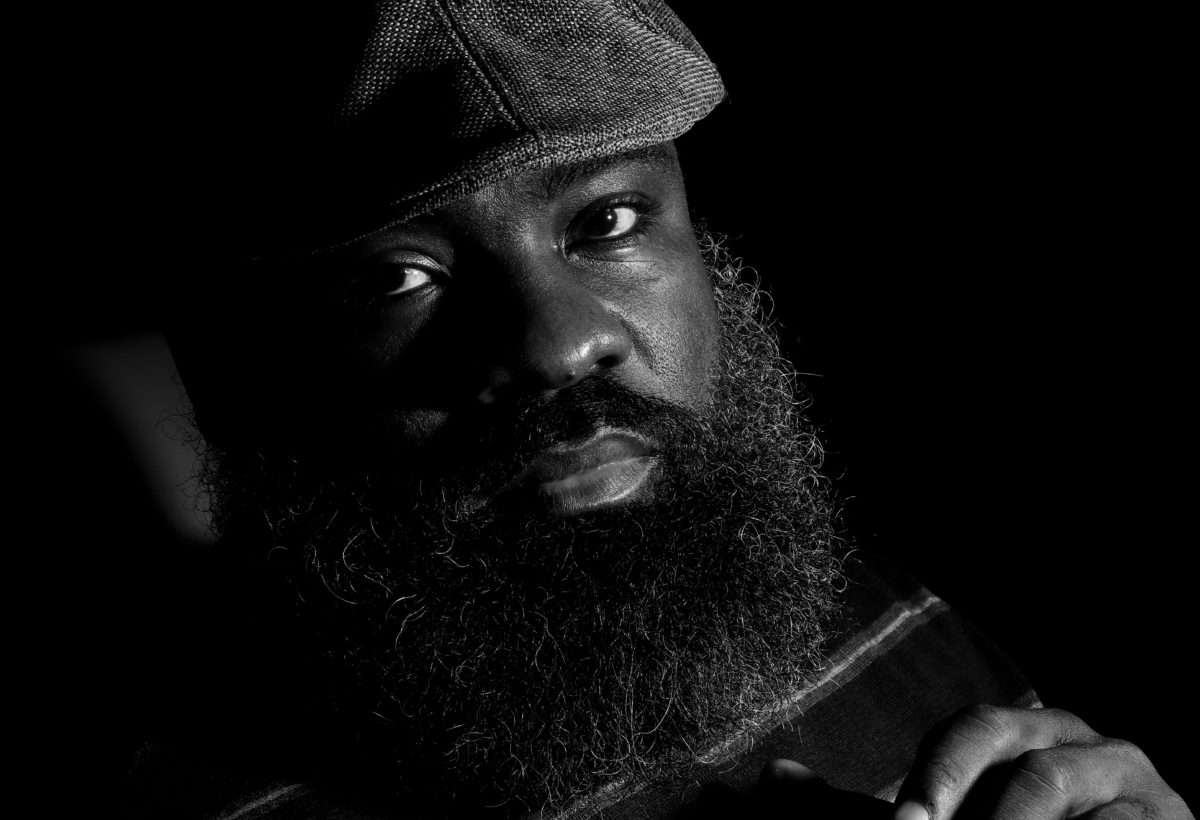
Pennsylvania’s prisons have the second-highest number of people in the country serving life without the possibility of parole. Nine people who were released after being sentenced to die behind bars share their stories.

New York City’s jail population is close to reaching pre-pandemic levels. Advocates say dishonest fearmongering about bail reform—and the politicians who capitulated to it—have created a very real safety crisis.
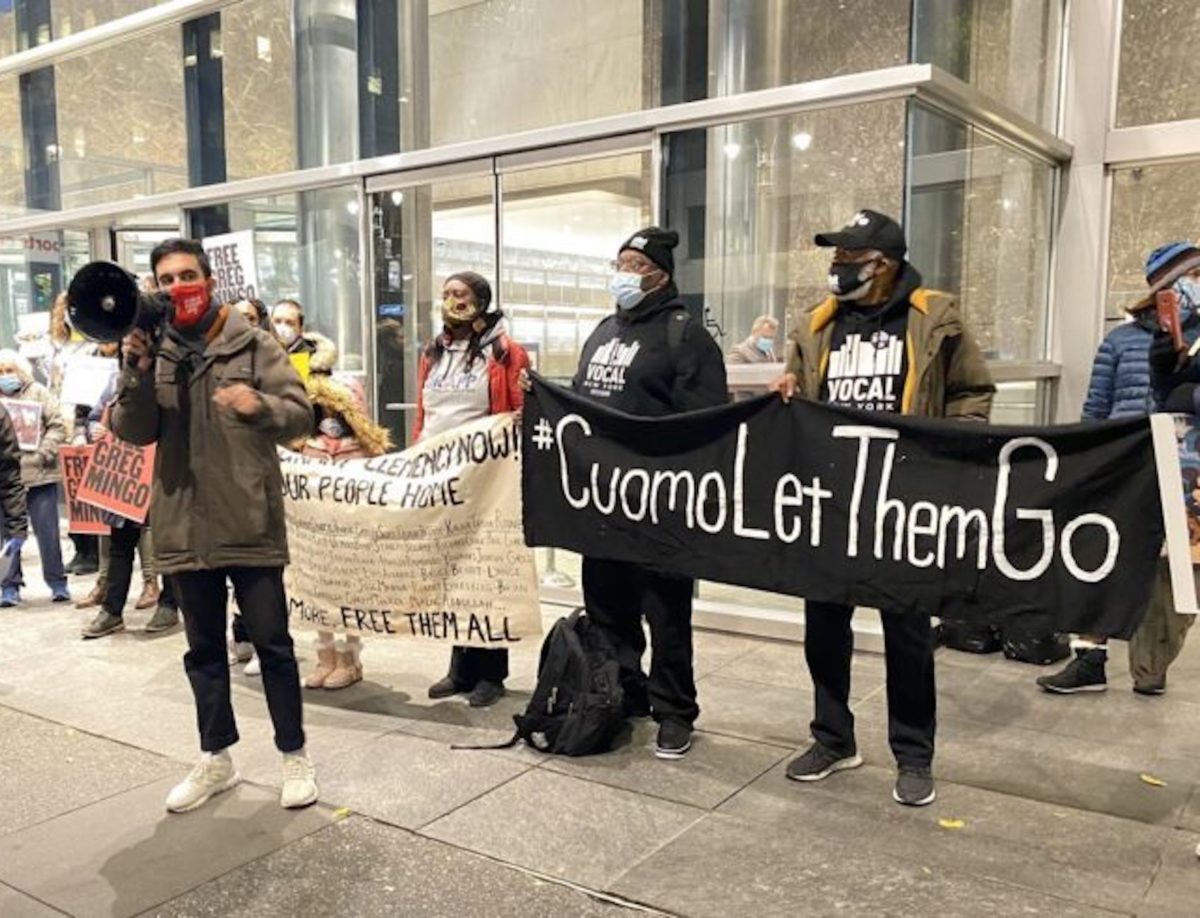
In addition to the releases he has already ordered, the New York governor can grant commutations to free more incarcerated people to protect them from the disease. He has issued only three since the pandemic began.

The governor has rolled back bail reform, not released enough prisoners during the pandemic, and failed to rein in police abuses, advocates and prisoners say.

Progressive lawmakers and activists say Cuomo has failed to adequately protect those who are out of work, at risk of losing their homes, or living behind bars, where the virus has spread rapidly.

Researchers with the Covid Prison Project talk about how COVID-19 has opened up possibilities for data collection, a new report shows persistent disparities in L.A. County jails, and Colorado’s El Paso County jail sets a grim state record.
An overview of gubernatorial candidates and their stances on decarceration during the pandemic, a new lawsuit argues that Massachusetts corrections officials are ignoring home-confinement requests, and new infections spike at the Fort Dix federal prison in New Jersey.