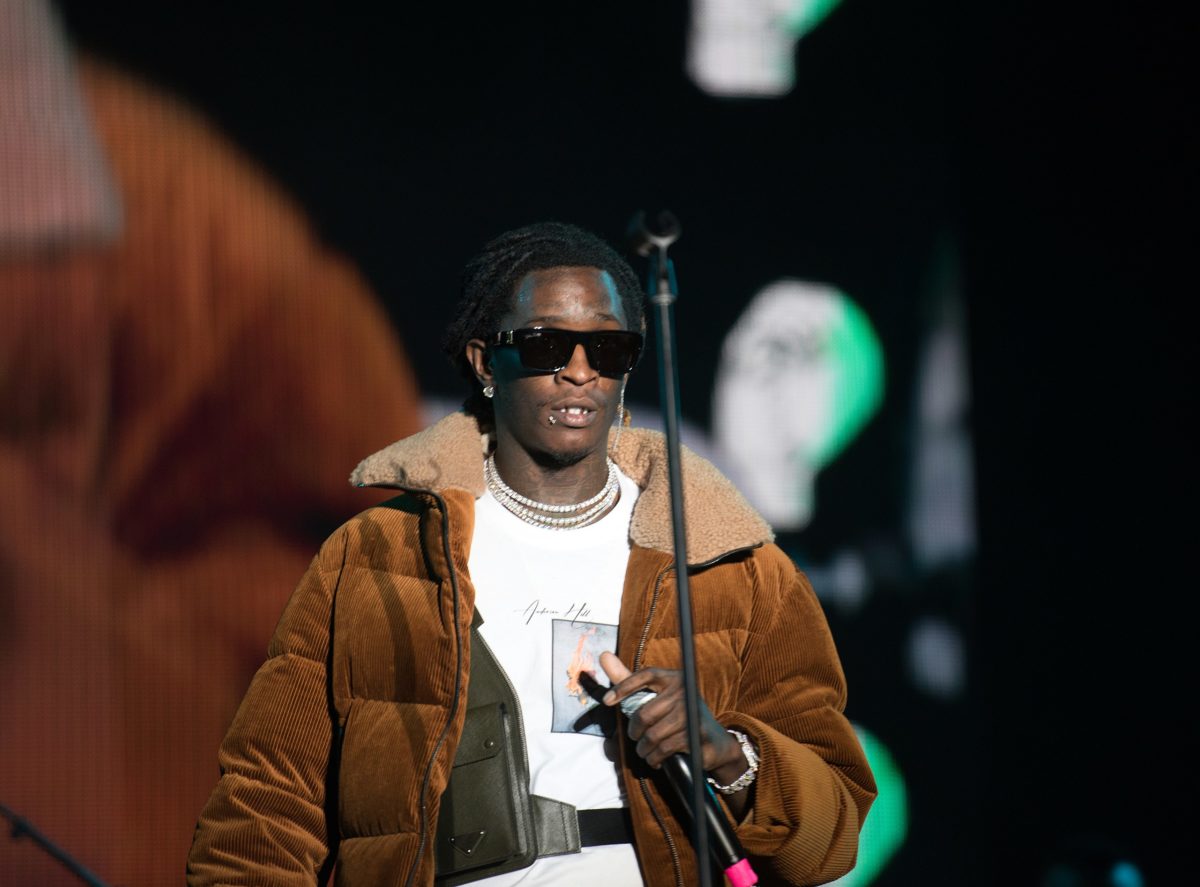
Young Thug’s ‘Racketeering’ Charges are Absurd
The racketeering charges against Young Thug, Gunna, and YSL are over-broad, over-stated and unnecessarily harsh.

The racketeering charges against Young Thug, Gunna, and YSL are over-broad, over-stated and unnecessarily harsh.
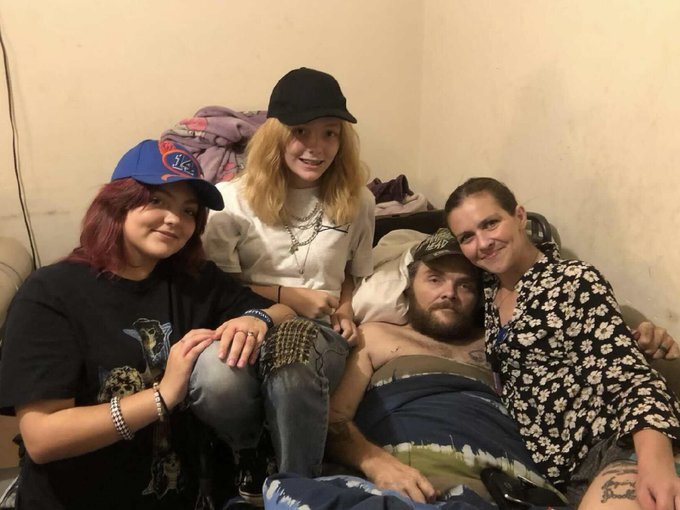
Accused of faking his symptoms, Joshua Lee Smith was dragged from his hospital bed, called a “junkie,” and thrown in jail, his lawsuit says. Then, he woke up paralyzed.
In the raucous debate over bail reform, simple facts have fallen out of sight.
A Supreme Court decision overturning the constitutional right to an abortion could force thousands of incarcerated people to carry pregnancies to term.
In January, a New Jersey judge said Shaken Baby Syndrome is “akin to junk science.”
An incarcerated writer reflects on what her “going home” story will look like when home no longer exists.

We’re celebrating 4/20 by tackling some popular myths about marijuana and the criminal legal system.

Serving out a sentence in a Washington state prison, I was certain I’d never own a home. When my wife and I started the process, we found out just how difficult it would be.
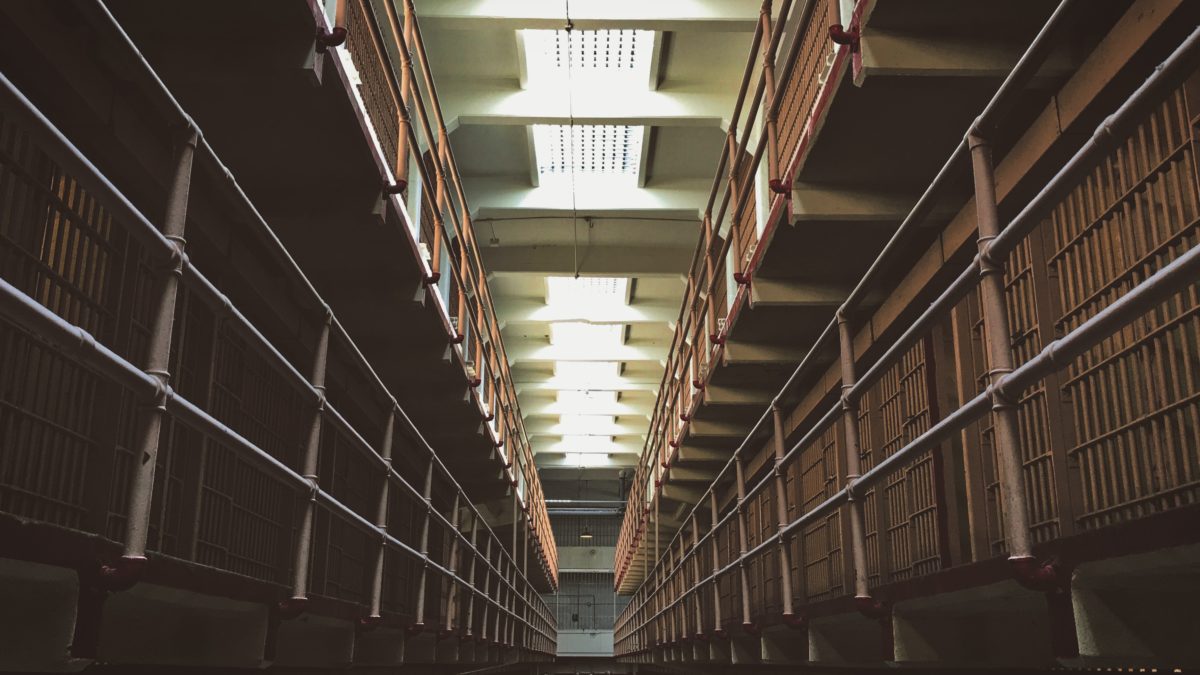
Two years into the COVID-19 pandemic, “prison warehousing”—which used to be a derogatory term—would look like an upgrade. At least warehouses care about the value of the goods they store.
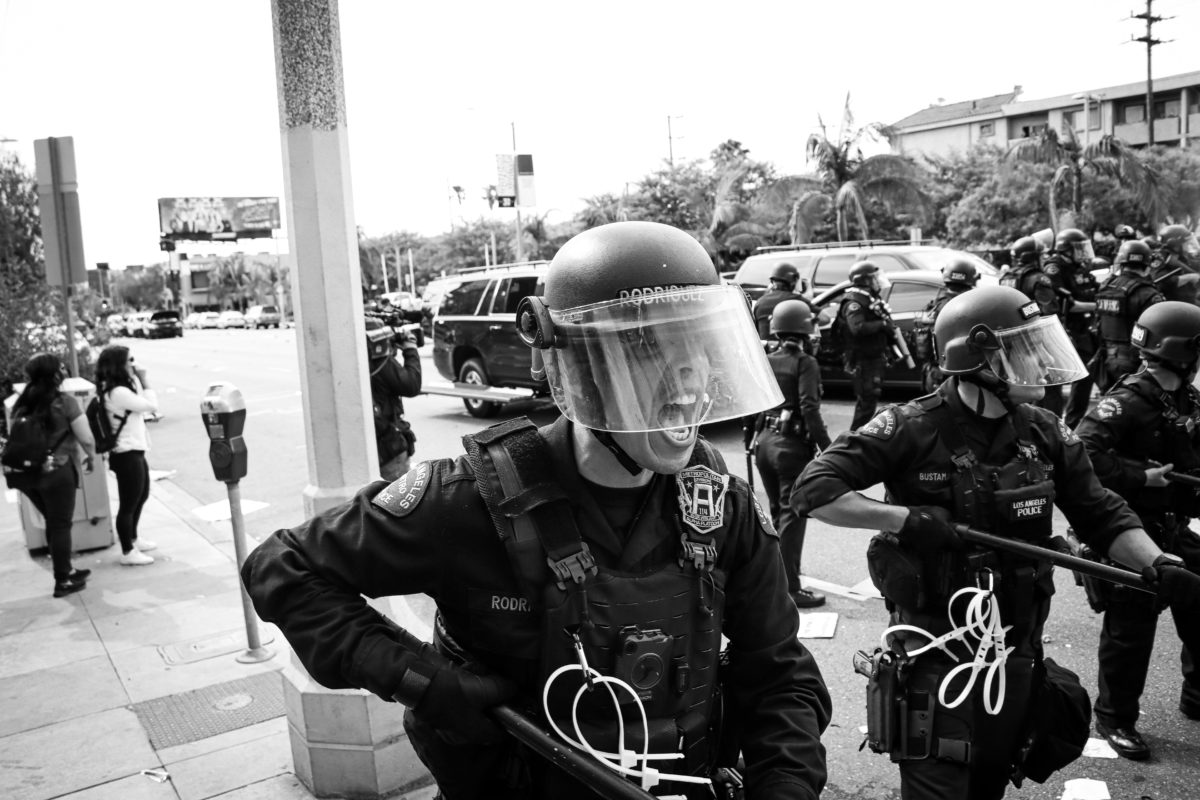
Less than two years after racial justice protests sparked calls to “defund the police,” states and jurisdictions are using pandemic aid to pad already bloated law enforcement budgets.

Corrections officials confirmed finding legionella at five facilities over the past 12 months.
A cycle of hopelessness is taking its toll in prisons across the country, amid continued restrictions on the things that make life more bearable.
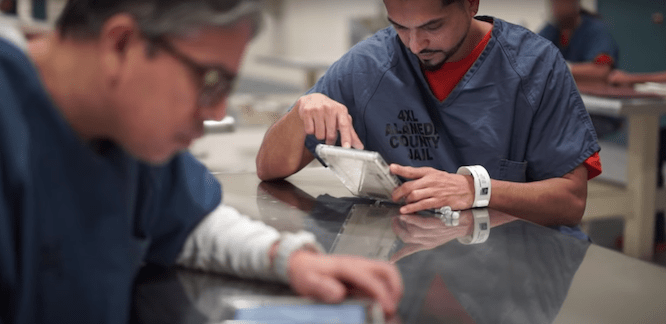
After giving tablets to incarcerated people, prison telecoms giants are charging prisoners and their families exorbitant prices on everything from emails to movies.
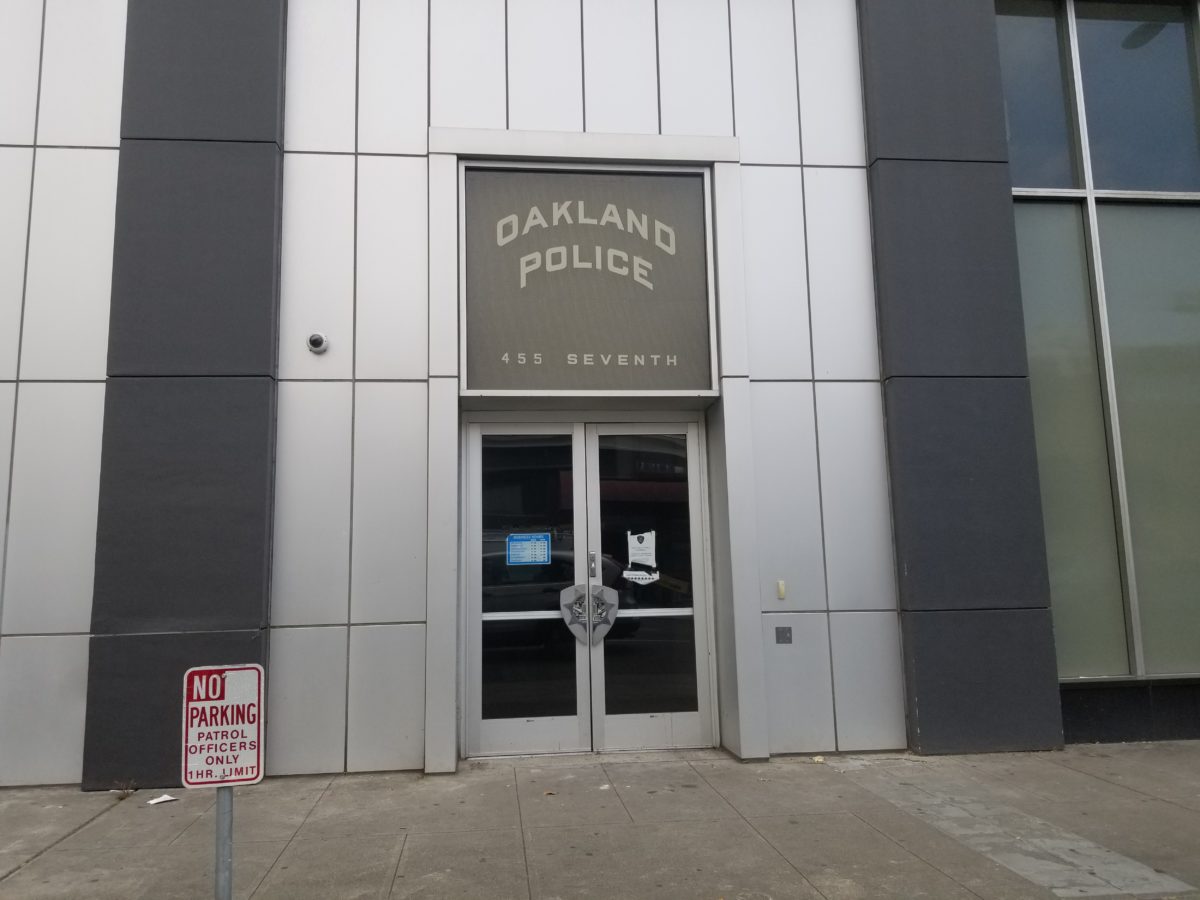
In the ’90s, the city passed a policy requiring the police department to pay some of their own legal costs. There’s no evidence that the department ever paid up.

After a bold campaign promise, the president has remained almost silent as thousands languish in solitary in federal prisons. Advocates say they remain hopeful that he will find his voice on the issue.
Georgia is the strictest state in America when it comes to proving intellectual disability in capital cases. This month, the Supreme Court could save the life of a man who says he is mentally disabled—or let the state kill him.
Spurred by an Appeal investigation into Michelle Heale’s controversial 2015 case, a law professor is asking New Jersey’s Conviction Review Unit to “correct an injustice” and set Heale free.
But if he loses his appeal and New York Gov. Kathy Hochul declines to grant him clemency, he will likely be sent back to prison.
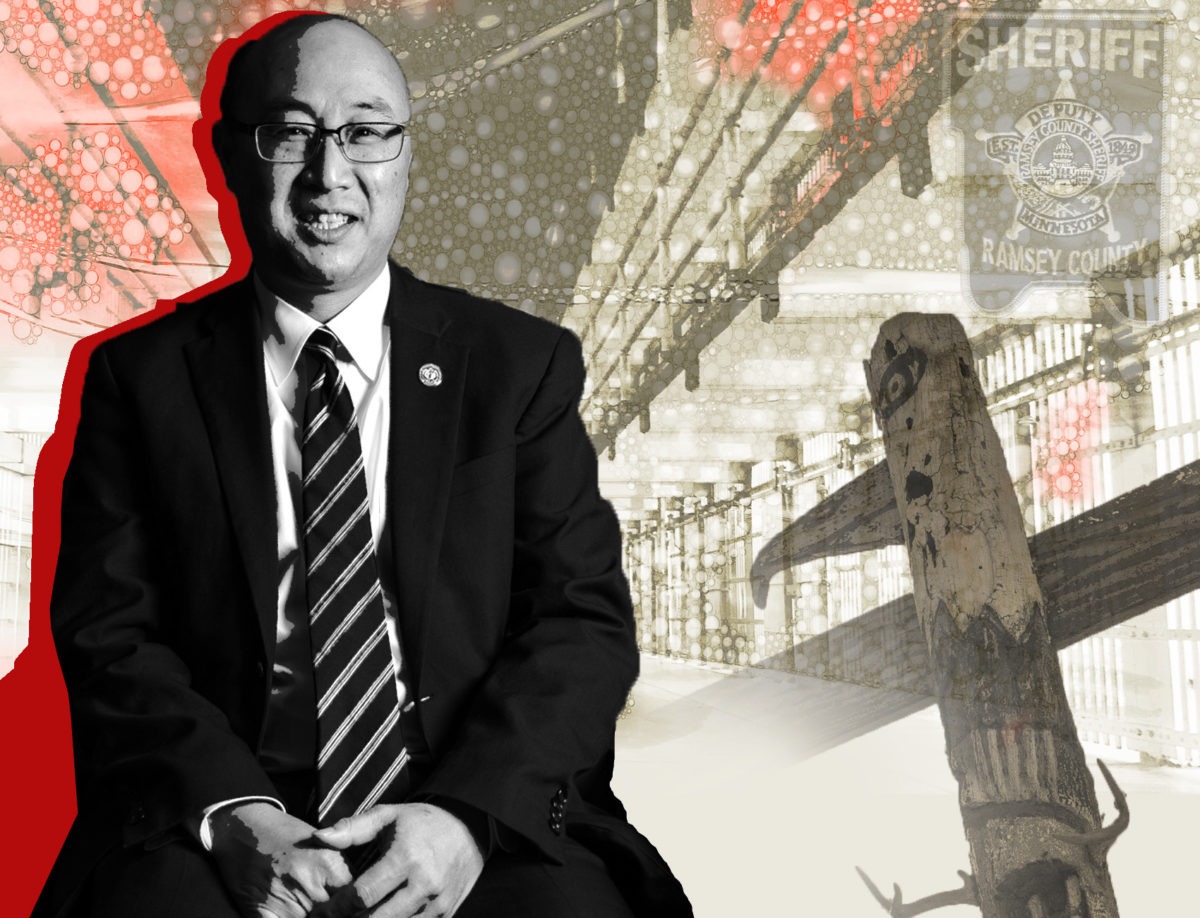
Although Minneapolis has garnered media attention since the George Floyd uprising, St. Paul may be the Twin City making the most strides toward transformative justice. But Sheriff Bob Fletcher’s actions may undo positive steps in Ramsey County.
Reginald Randolph is currently serving a two to four year sentence in state prison for stealing cold medicine
Blind in one eye and at risk of losing vision in the other, 58-year-old Reginald Randolph is now on the verge of being sent to state prison to serve out a maximum of four years in state prison.
Steven Wolfson, the Clark County DA, says the death penalty is reserved for ‘very rare’ circumstances, but advocates and public defenders say his actions show otherwise.
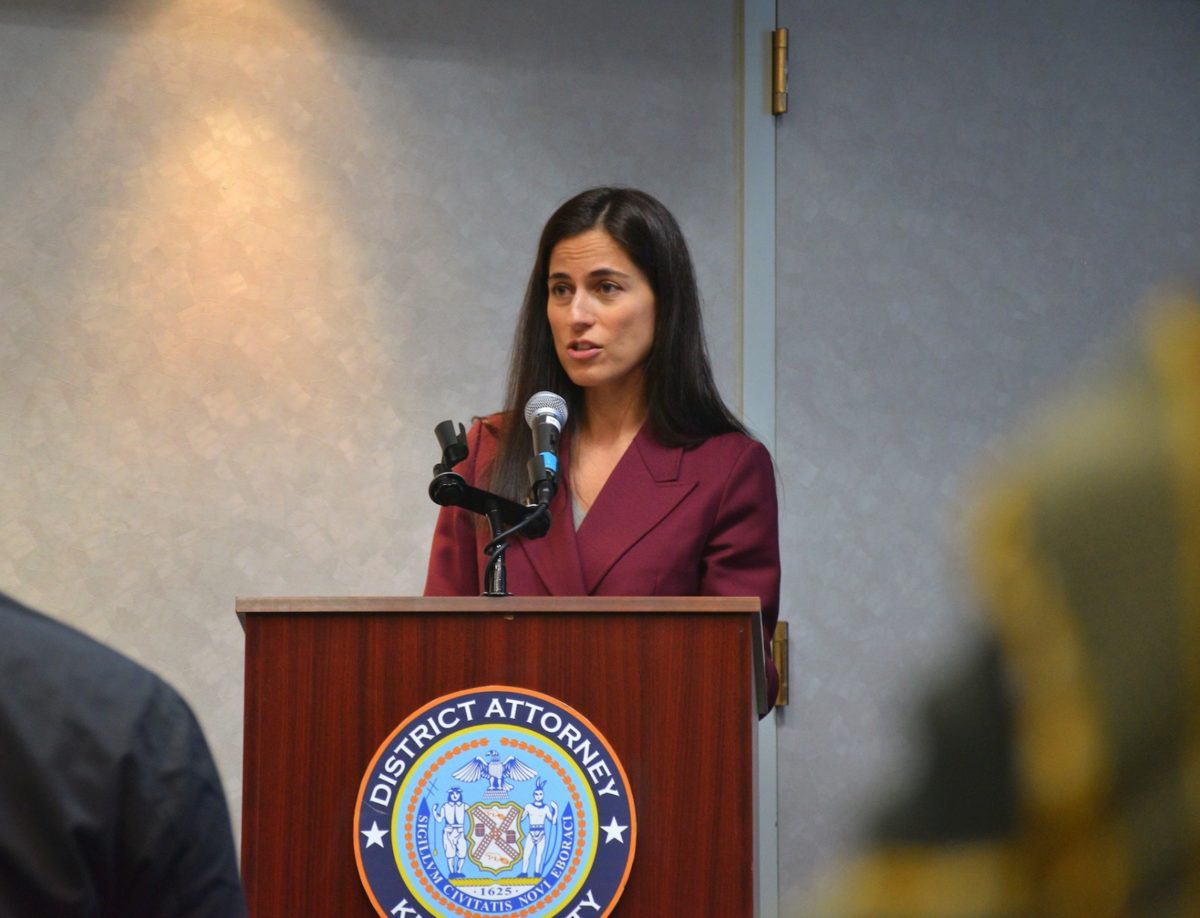
Under Tali Farhadian Weinstein’s leadership, Brooklyn’s unit exonerated just four people—a far lower rate than in previous years.
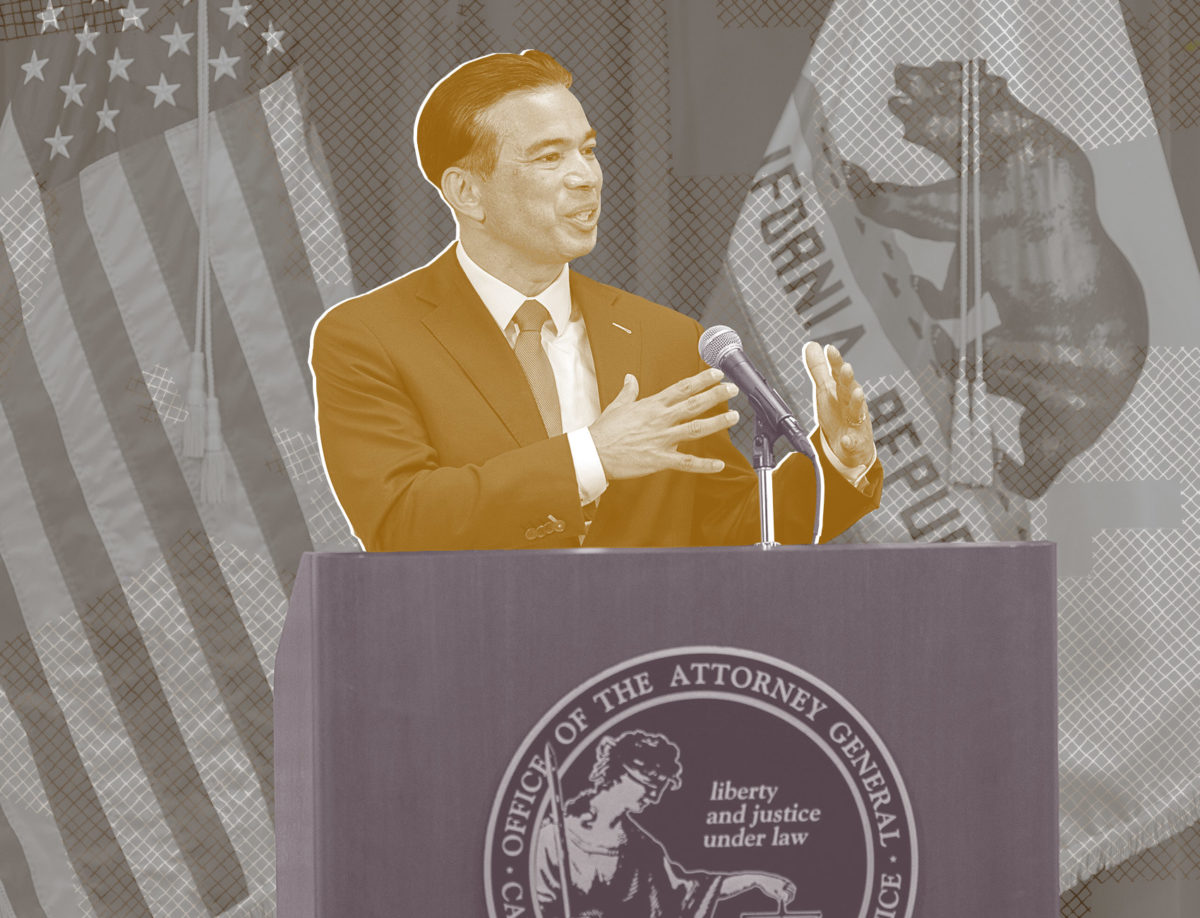
Rob Bonta’s career has hinged on the idea that the law can be used to engender social justice. His elevation to California’s “top cop” position, where he will become responsible for the vast bureaucracy of the state’s criminal legal system, will be a crucible for that belief.
Prosecutors across the country have begun declining low-level cases in an effort to reduce racial inequity and to slow the spread of the COVID-19 pandemic.
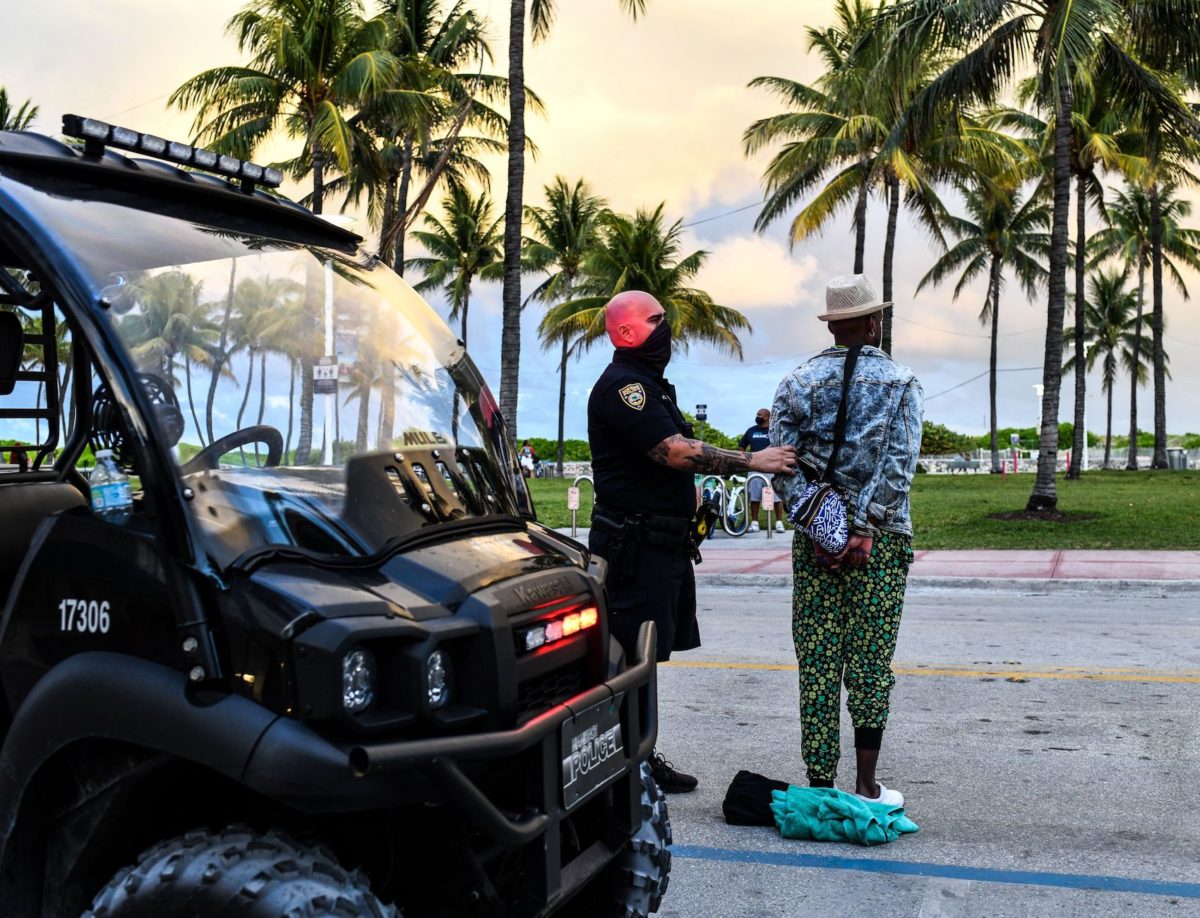
Democratic prosecutors in Tampa and Miami campaigned for the 2018 initiative that paved the way for this new ruling.
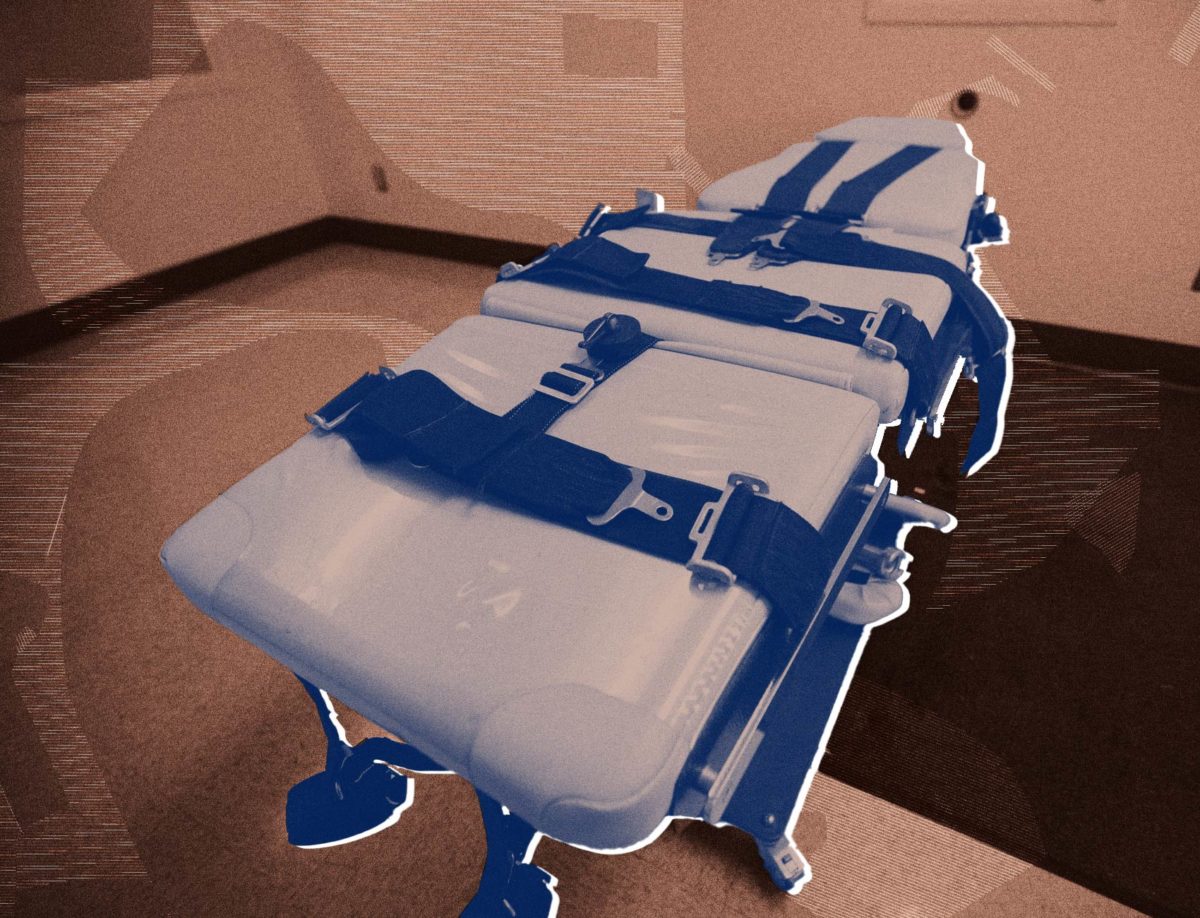
Prosecutors who have championed criminal justice reforms are still seeking death sentences, opposing appeals, and, in some cases, have even petitioned for execution dates.
A new diversion program will allow people charged with driving with a suspended license or without insurance to avoid jail time and fees.
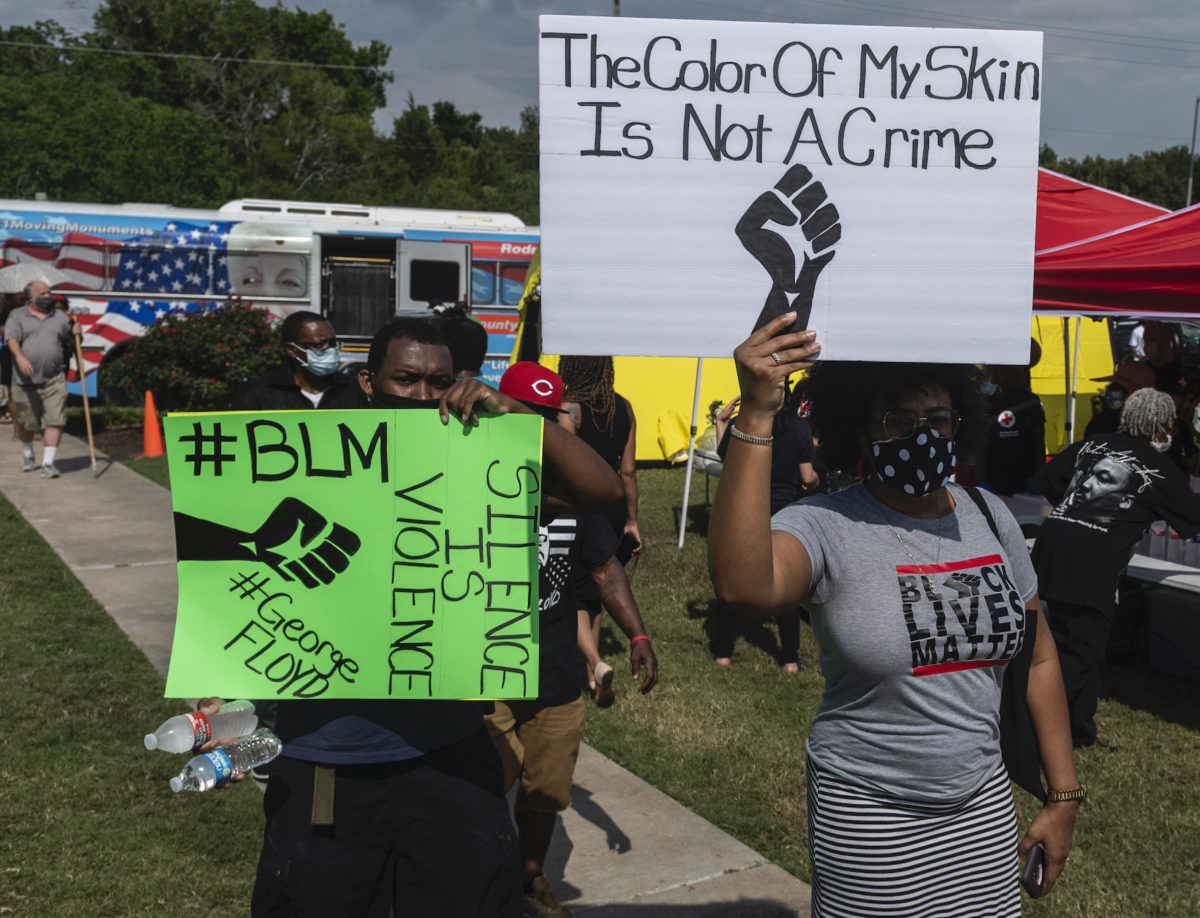
Two years’ worth of data shows how disproportionately the city’s police and prosecutors target certain neighborhoods.
B.S., a 61-year-old Black man, has struggled with substance use for decades. Now, prosecutors are leveraging his record against him—and forbidding references to racial justice, George Floyd, Breonna Taylor, B.S.’s potential sentence, or his health problems at his trial.
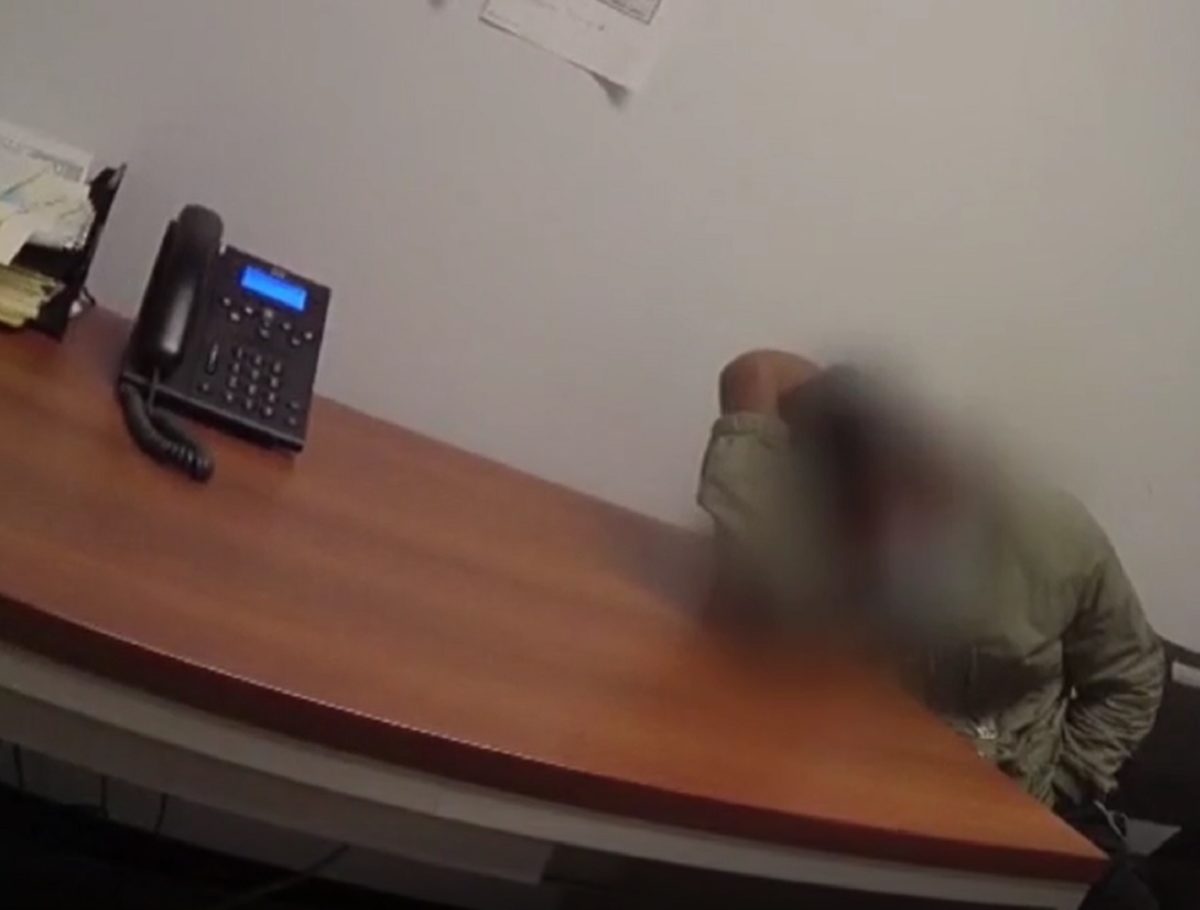
Several states, including Maryland, are considering bills to protect minors from abusive police interrogations.
The Appeal: Political Report’s March 25 newsletter
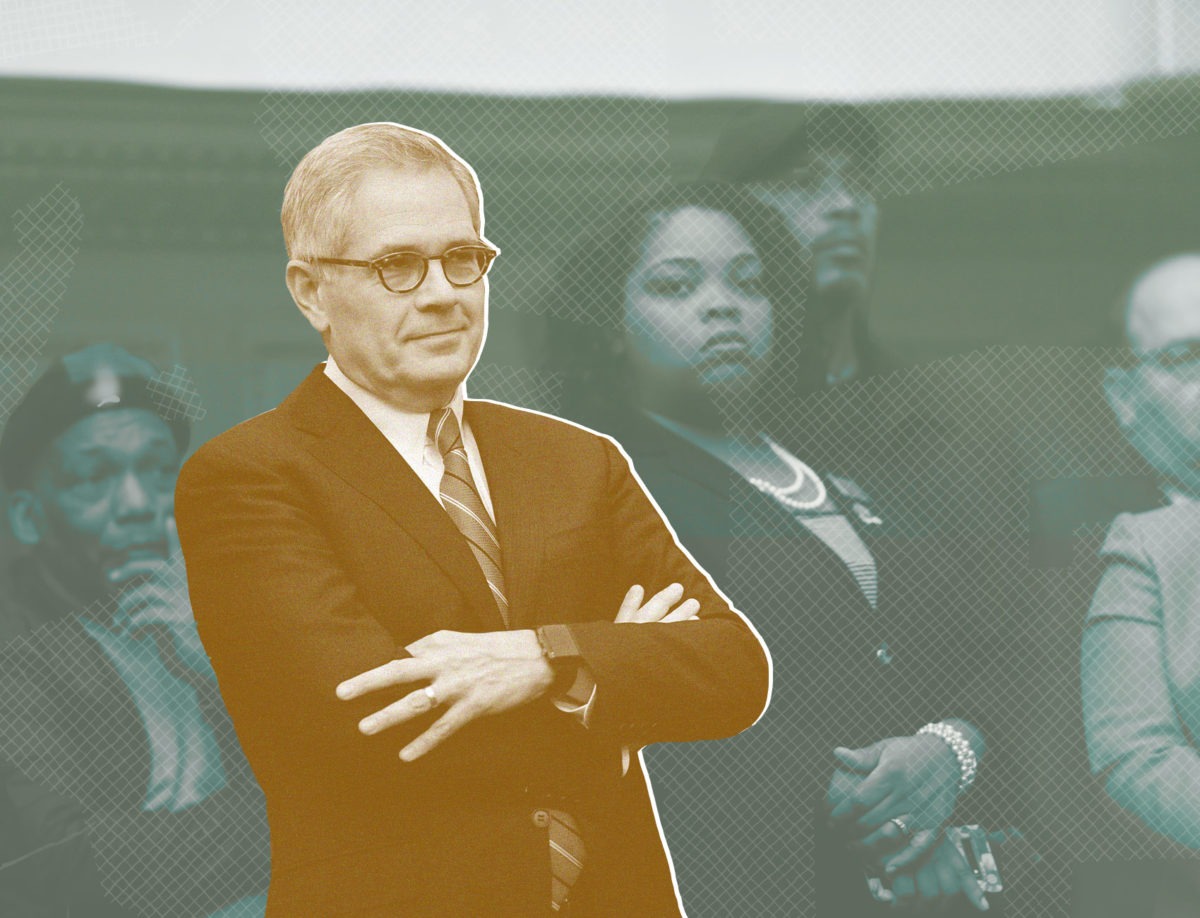
Philadelphia’s top prosecutor has made good on promises to reduce incarceration in the city. His re-election bid will be a litmus test for the progressive prosecutor movement he helped start.
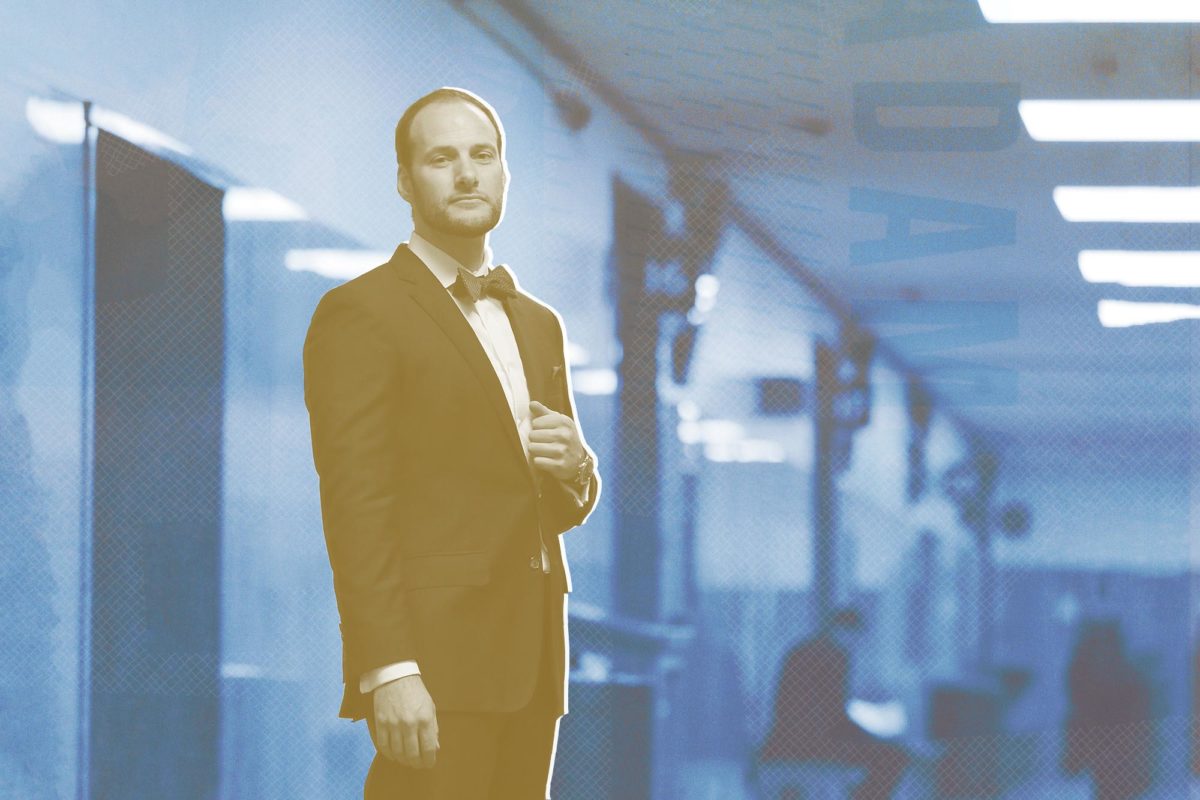
After more than a year in office—and despite pushback—the San Francisco DA’s policies have kept people out of jails and prisons.

Two progressive candidates will move on to the general election, while Lewis Reed, a figure in St. Louis’s Democratic party establishment since 1999, couldn’t carry a single ward.
The Appeal: Political Report’s March 11 newsletter
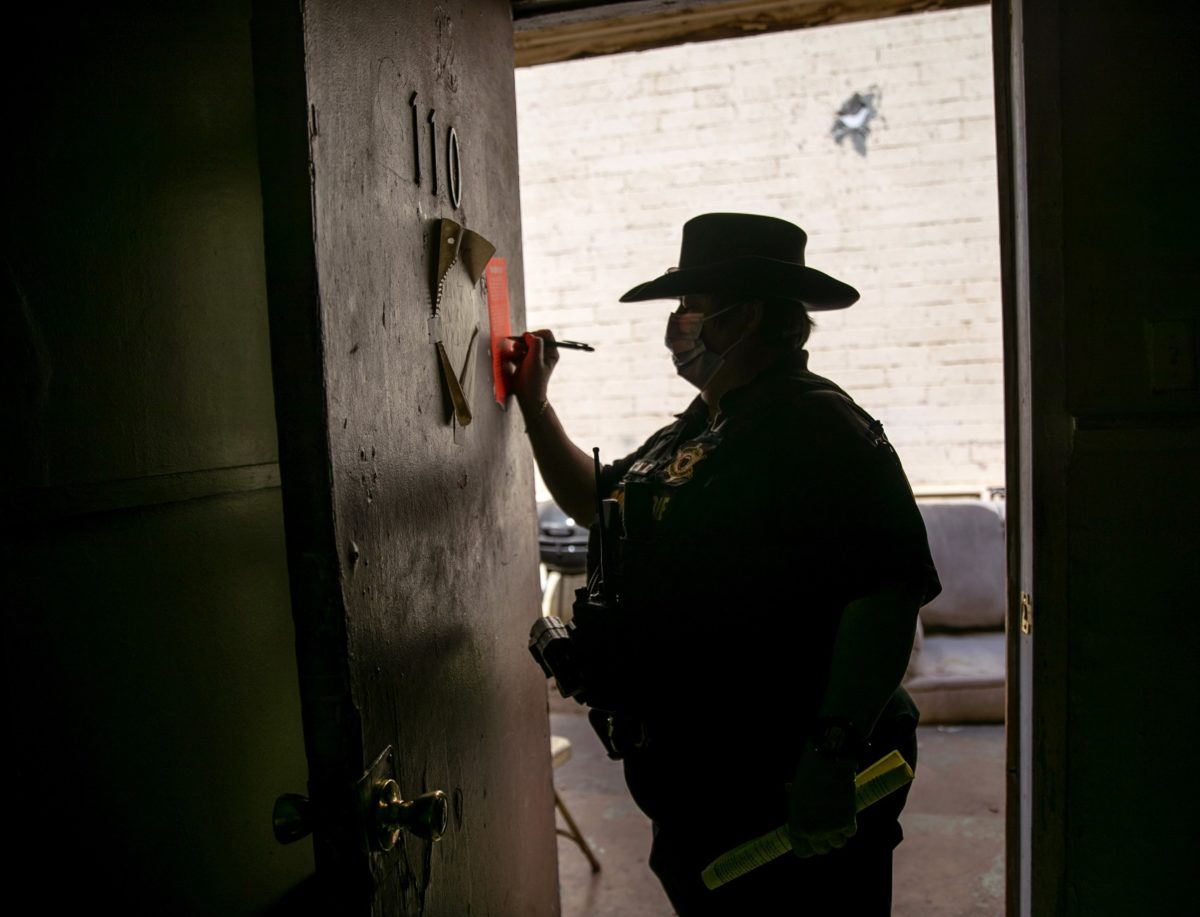
Ensuring renters have representation in housing court would help close a “justice gap” and be a life-saving intervention for those at risk of losing their homes.