The Voices Warning Trump About COVID-19 In Prisons Are Growing Louder. Will He Listen?
There are no good reasons for the president to keep vulnerable people behind bars any longer.

There are no good reasons for the president to keep vulnerable people behind bars any longer.
There’s still a chance to make sure some of the most vulnerable people can benefit from the federal stimulus bill.

We can’t allow “violent criminal” rhetoric to justify leaving some of the most vulnerable people in dangerous conditions.
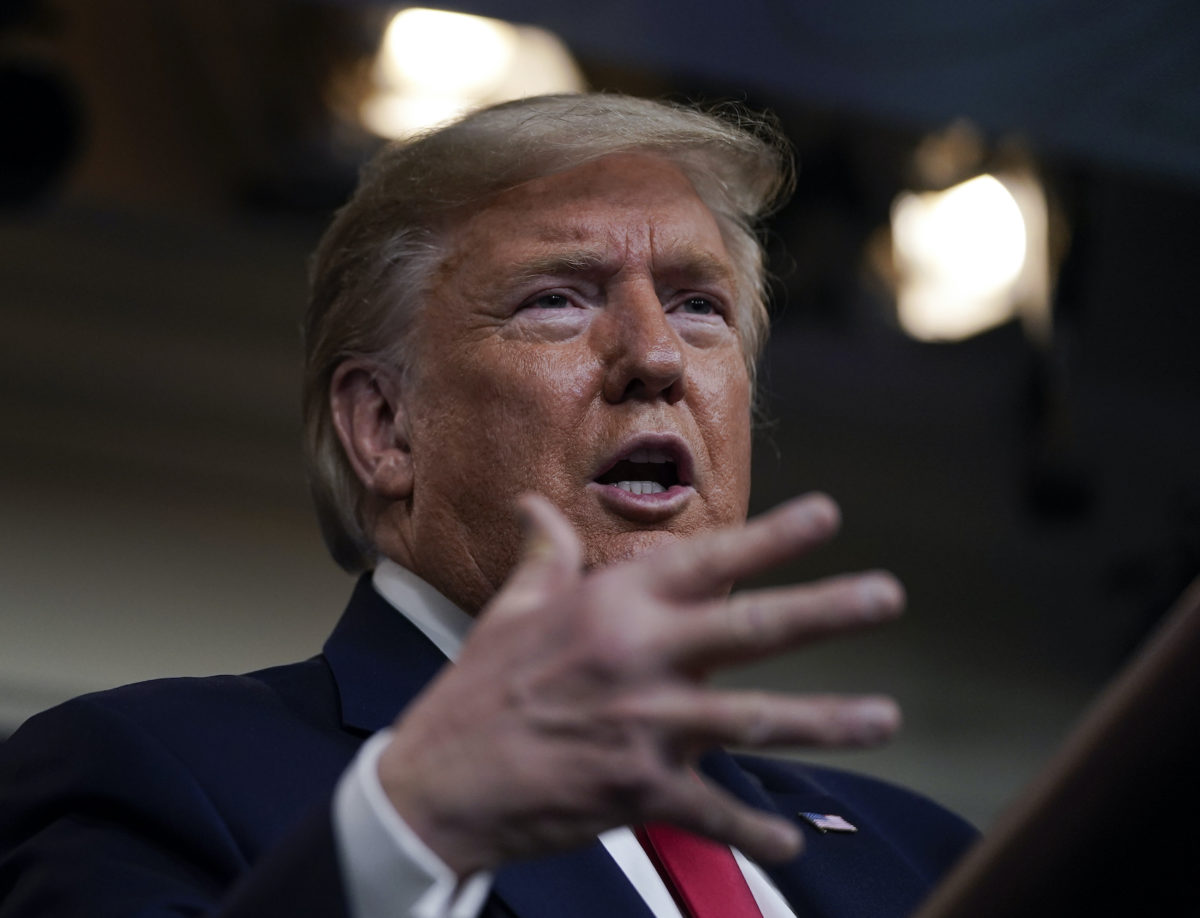
State governors and the president have the authority to grant commutations and reprieves to people in prison across the country as COVID-19 spreads.
Politicians and the general public are ignoring the health and safety needs of those with disabilities and chronic conditions.

The island’s Communicable Disease Unit is already overflowing with quarantined people.
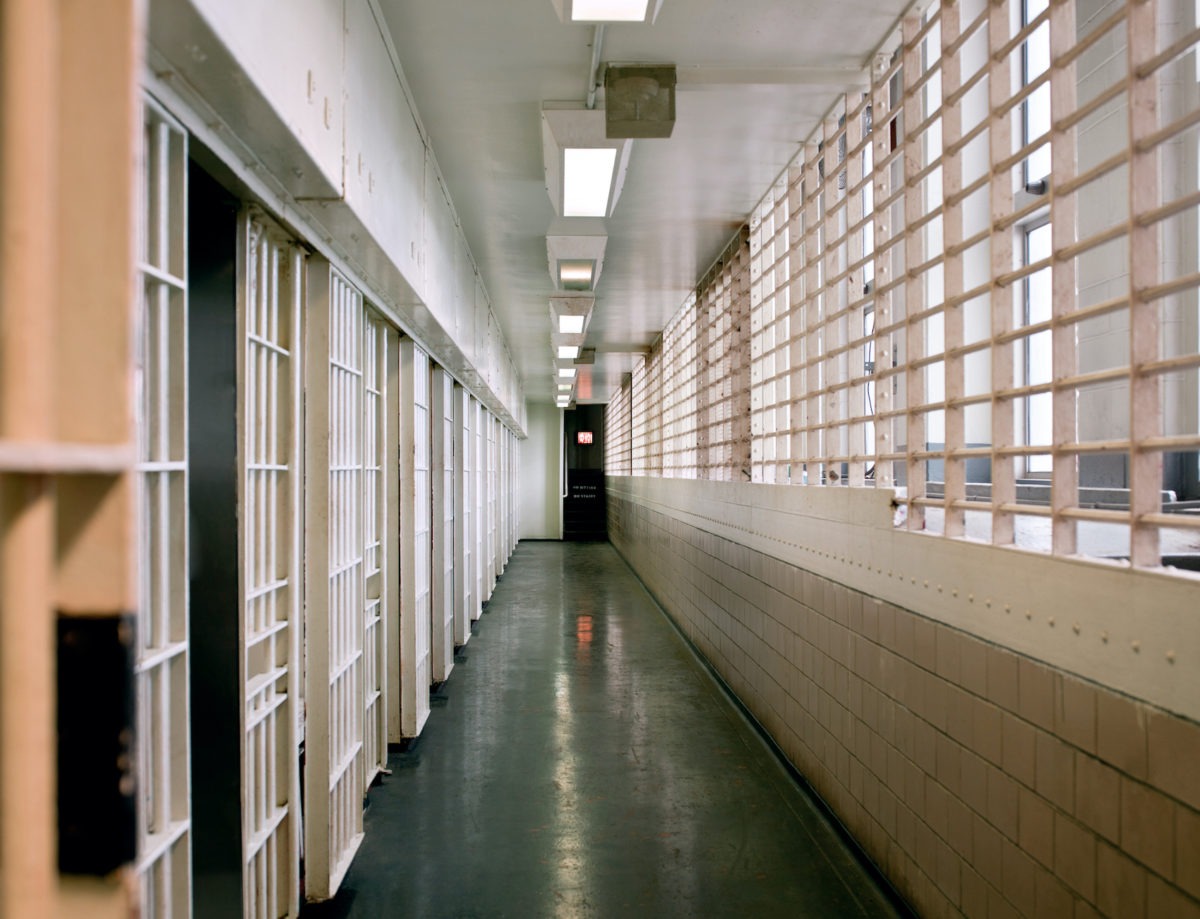
New research shows that jails contribute to infectious disease deaths in the greater community.

When the dust settles on this pandemic, we need to be clear on what was an emergency response and what is a desirable permanent change.
But the proposals on the table are leaving our most vulnerable neighbors behind.

It should not take a global pandemic for our elected officials to acknowledge that we are all safer if everyone can shower and wash their hands.

Sheriffs wield enormous power, and they can direct it in ways that will help contain the spread of COVID-19 and protect incarcerated people.
At a time when it’s vital to reduce jail and prison populations to prevent outbreaks, this data can help advocates identify areas where that is or is not happening.
Local jails are notorious amplifiers of infectious diseases. If we don’t move quickly to reduce their population, it may undermine our ability to control the new coronavirus, nationally and locally.
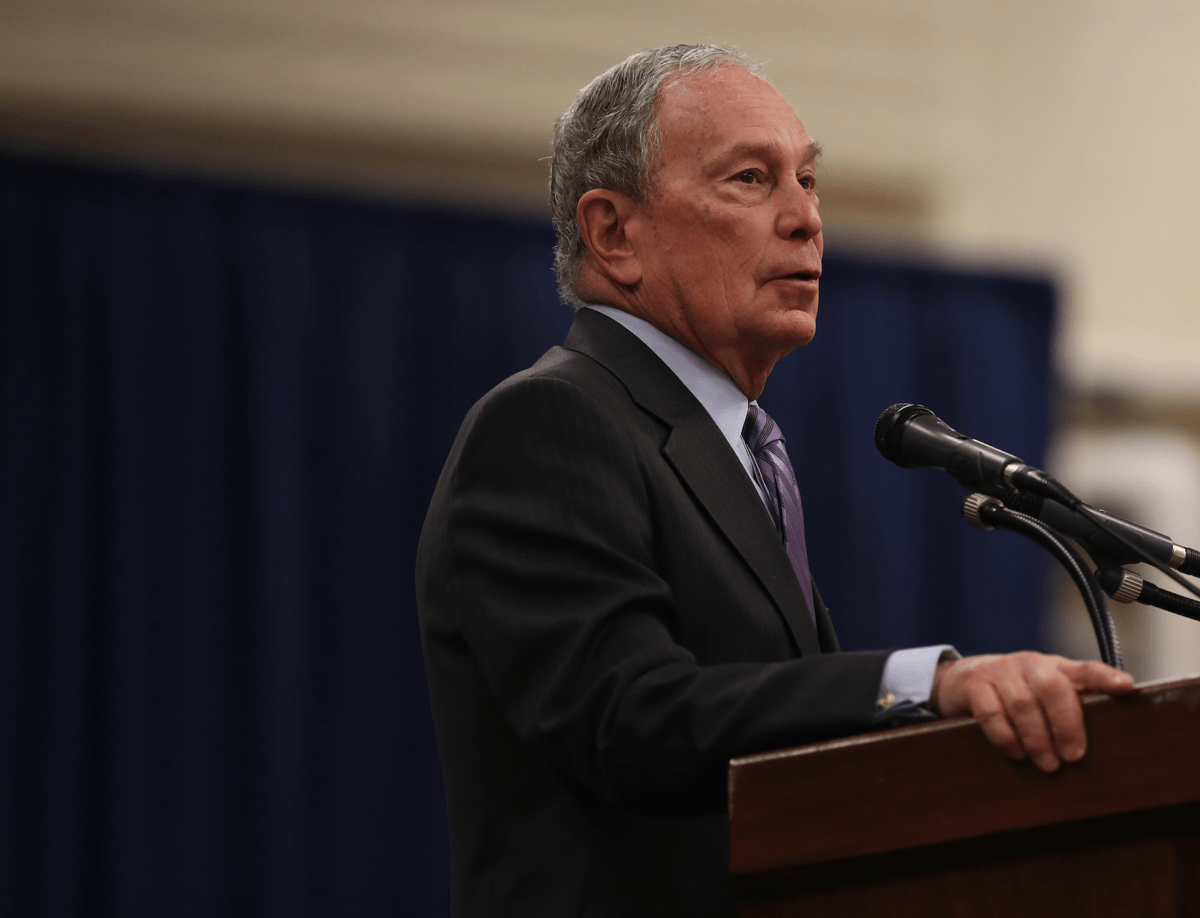
We need to be more critical of the former New York mayor’s outsize influence on the gun control movement.

Prison-based gerrymandering takes political power away from Black and Latinx communities—power that could be used to push for more funding for schools, social services, infrastructure, and other important reforms.
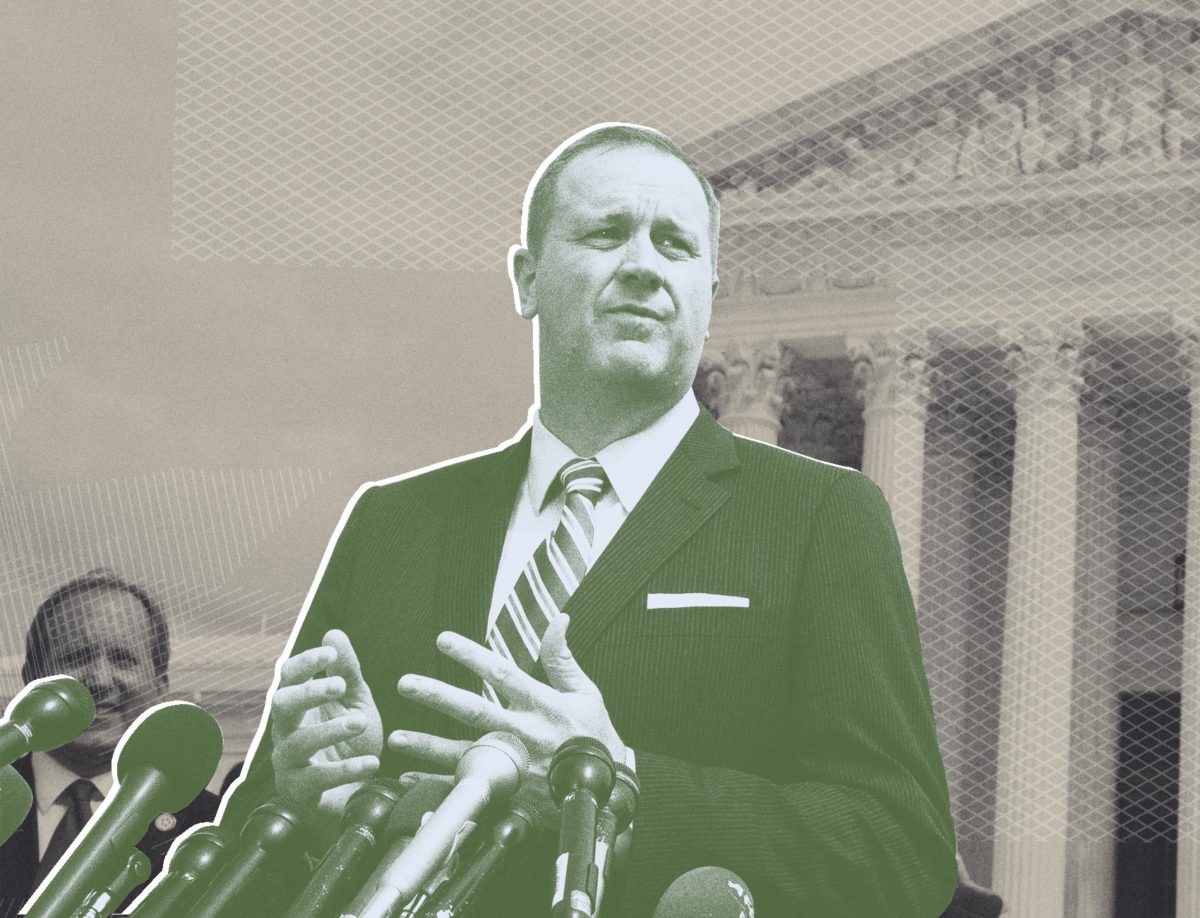
Eric Schmitt should follow the lead of a Pennsylvania prosecutor who acknowledged that a man deserved a new trial, even when it meant reversing a murder conviction.
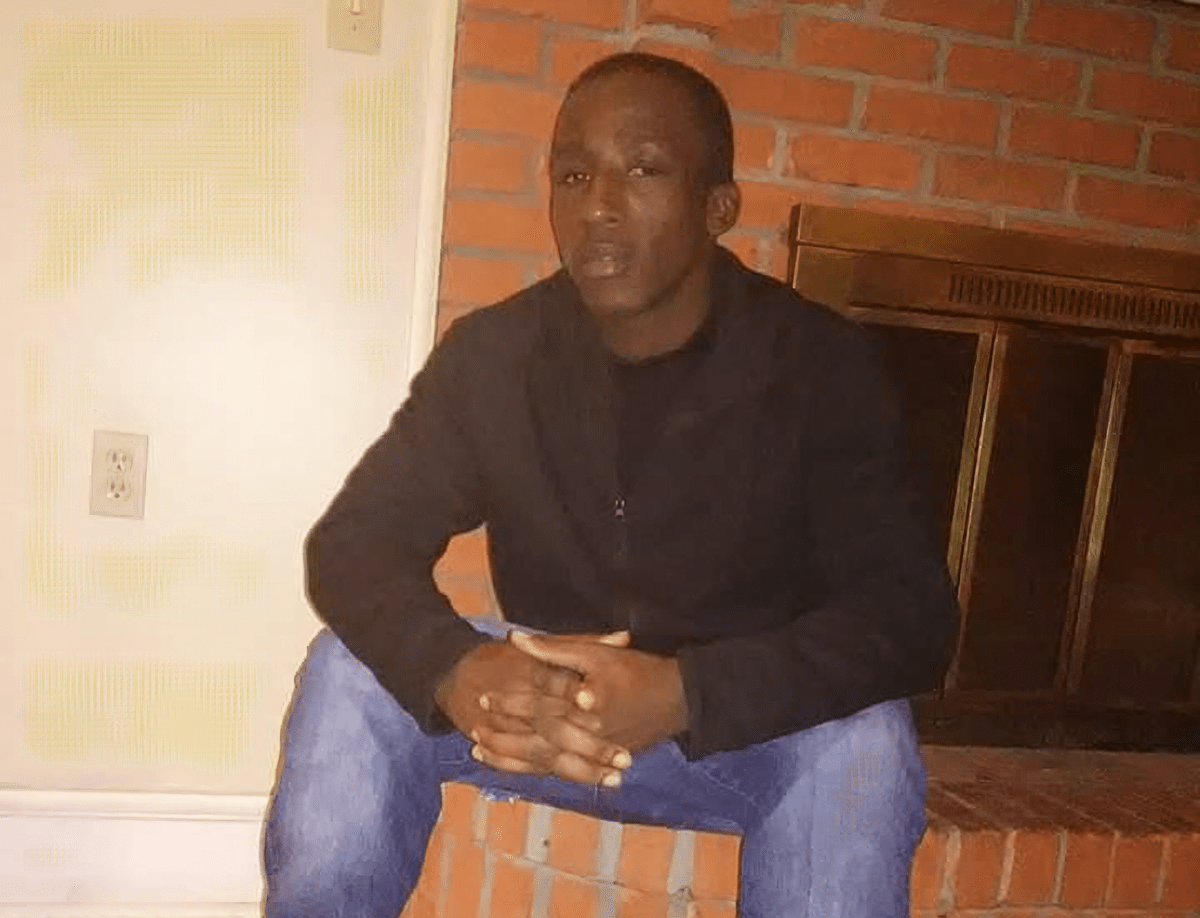
Josh Norman was one of the 17 people to die in Mississippi prisons so far this year. His death raises important questions about the state’s failures.

As a Black child in San Francisco, I learned early that mine and others’ bodies meant nothing to those supposedly tasked with our protection.
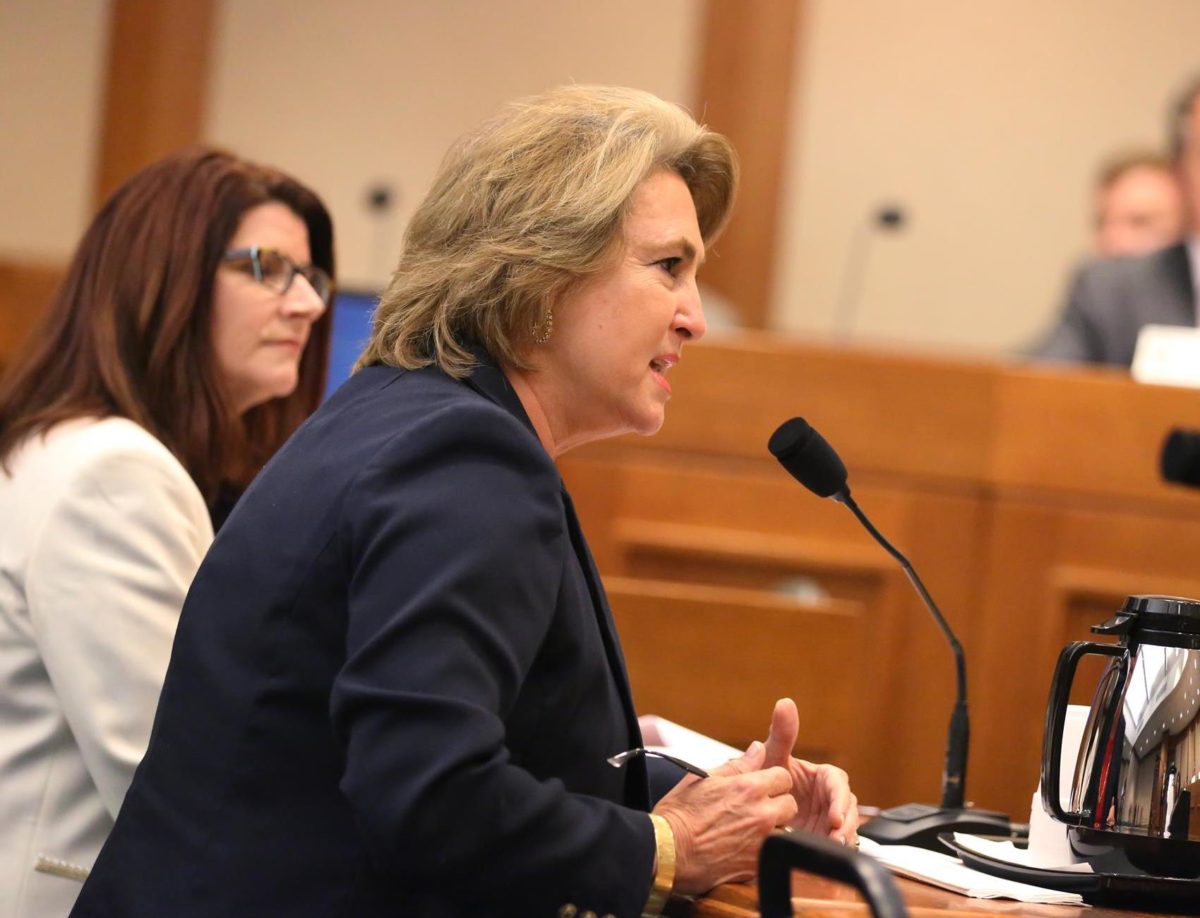
The attitude behind the Harris County district attorney’s message to ‘put down your gun and pick up an employment application’ is outdated.
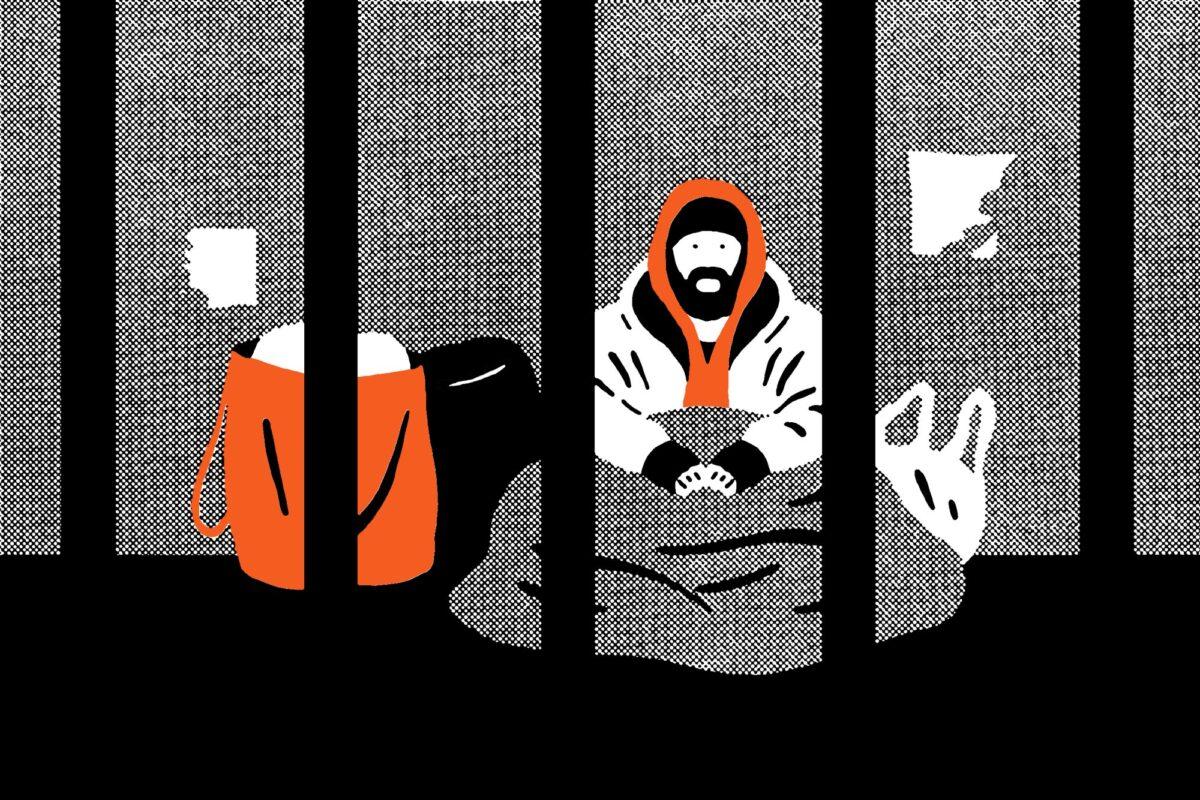
Leading with housing status for homeless people is a common trope in the news reporting business and one in urgent need of re-examining.
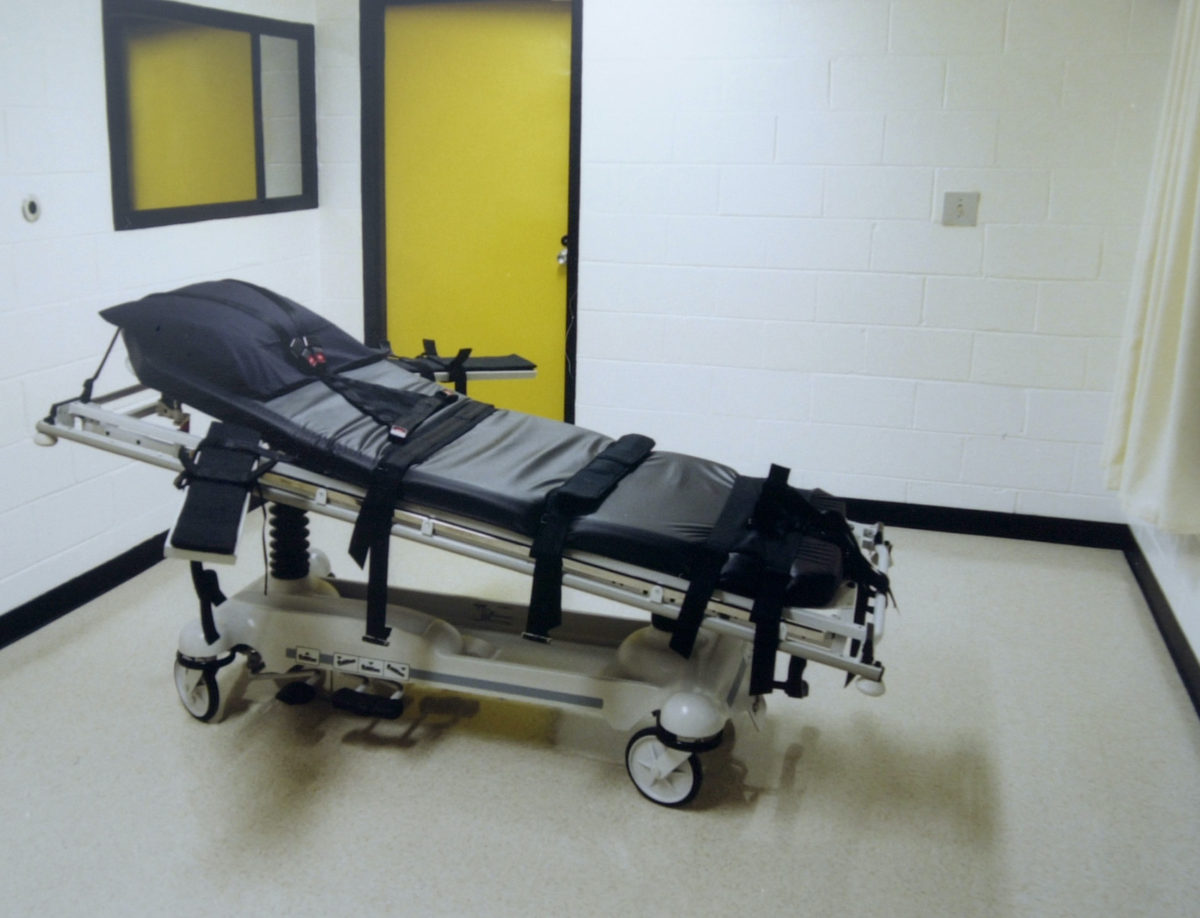
Three Supreme Court justices and others said competent counsel could have saved his life.

As a society, we can’t continue to subject hundreds of thousands of people to the trauma of incarceration before they face a jury of their peers.
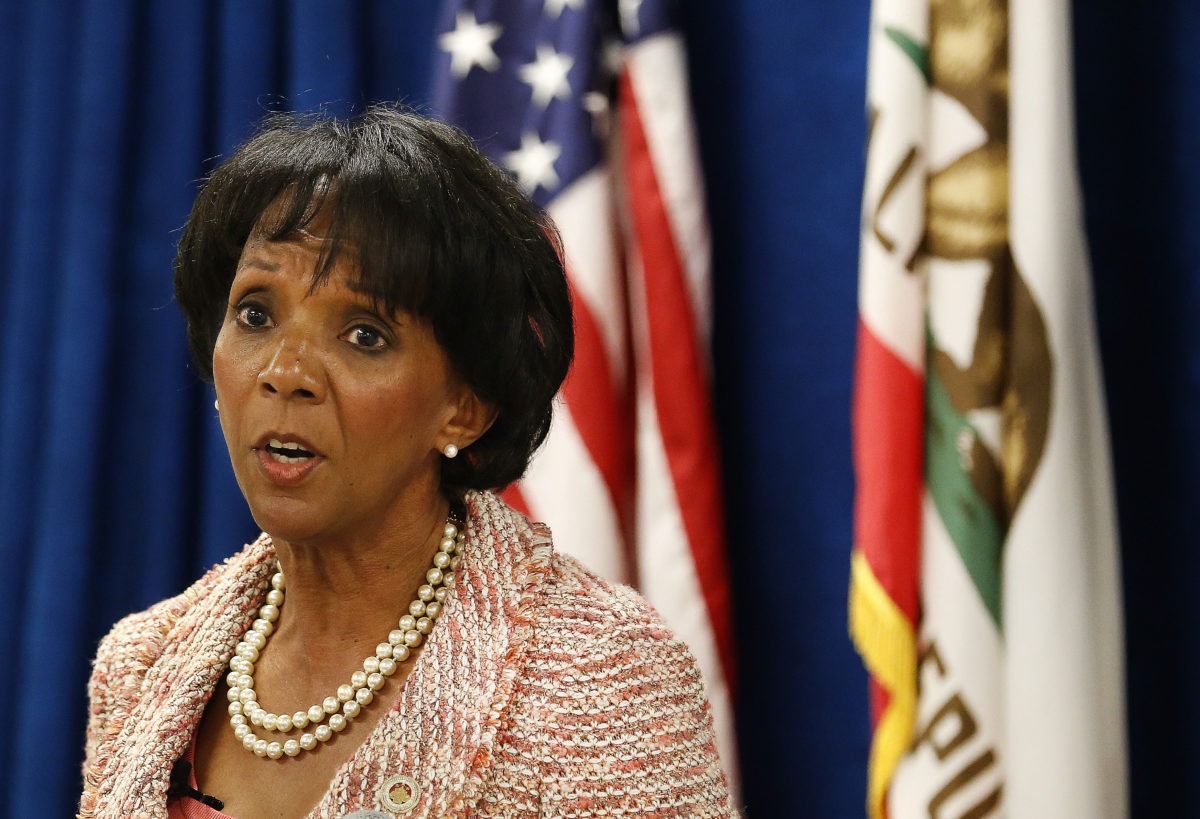
Lack of evidence does not stop opponents of former San Francisco DA George Gascón from making the claim that the city’s criminal justice reforms unleashed a crime wave.
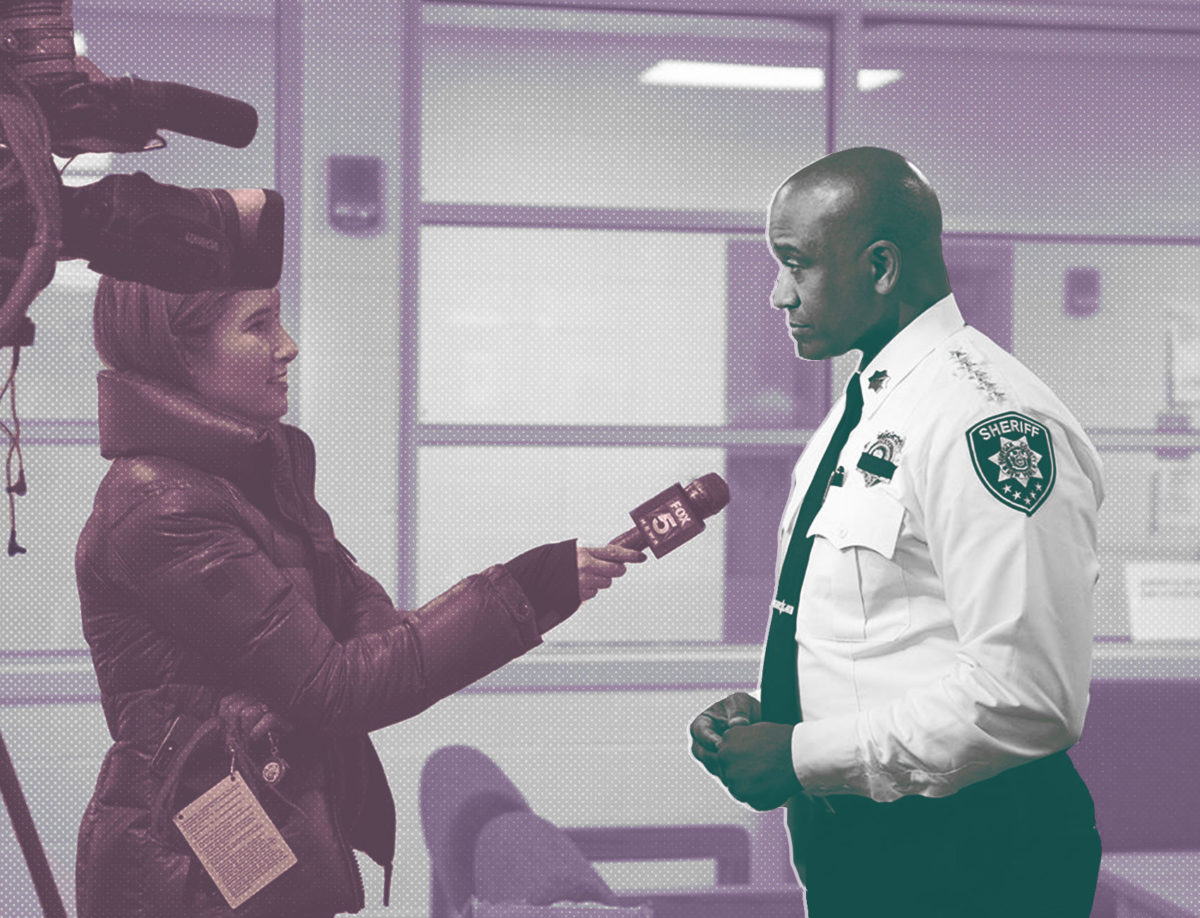
A wave of sensationalist press is not just coming from New York City, but also from county sheriff and city police departments frustrated by bail reform that they claim is ‘too broad.’

Stories that uncritically blame child welfare agencies for the deaths of children at the hands of their parents can contribute to increases in child removals—with devastating consequences for families.