New York’s Child Welfare Laws Will Advance Justice
Two bills, awaiting Governor Andrew Cuomo’s signature, would help reduce the punitive impact of the child welfare system on kids and their families, including formerly incarcerated parents.

Two bills, awaiting Governor Andrew Cuomo’s signature, would help reduce the punitive impact of the child welfare system on kids and their families, including formerly incarcerated parents.
Even after a major class action suit required Illinois to revamp its prison healthcare system, doctors whose alleged neglect resulted in major injury or death still remain on the prison system payroll.

A claimed victory in Kentucky and wins in Virginia mean hundreds of thousands of people could have their right to vote restored.

Earlier this year, Danville prison removed about 200 books, many of which dealt with race issues. But the new rules don’t go far enough, says one advocate.
Incarcerated women, half of whom are in local jails, have histories of trauma that require care, not criminalization.

More than three years after heavy rains and flooding devastated the Louisiana Correctional Institute for Women, officials have reached an agreement to build a new facility.

State law must change to stop judges from using jail time to force the poor into paying penalties they can’t afford, says one advocacy group.

The South Bend, Indiana, mayor says his plan—which includes cutting the incarcerated population by half—will “rebalance” a system that is “unfair and racist in many ways.”

Something as basic as a government ID can be impossible to get, yet a requirement to have, for people returning home from prison.

Prosecutors can help implement policies that are better for families and communities.
Months or years can go by before officials admit that water is unsafe for drinking.
A Prisoner Review Board memo released in July requires a minimum of 12 hours of movement with ankle monitors, but some people say they’re still being given far less.

Christopher Lay grew up under the influence of a father who was mentally ill. Drawn into a crime at age 19, he’s now seeking a second chance that could help other young adults demand the same.
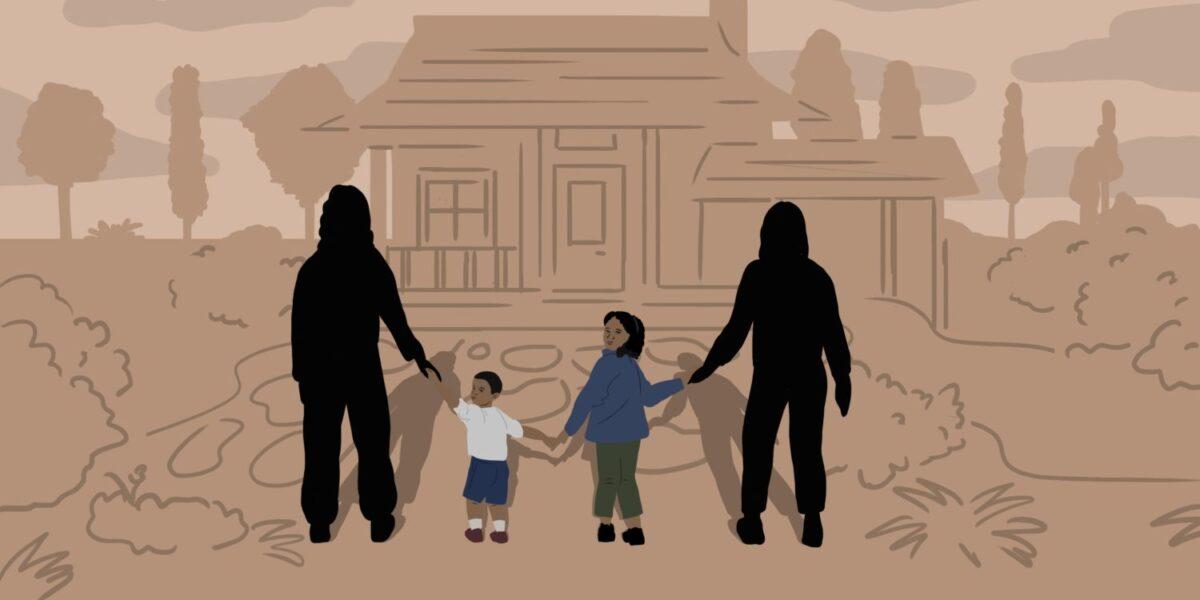
Several policies under consideration in New York would promote prison visits.
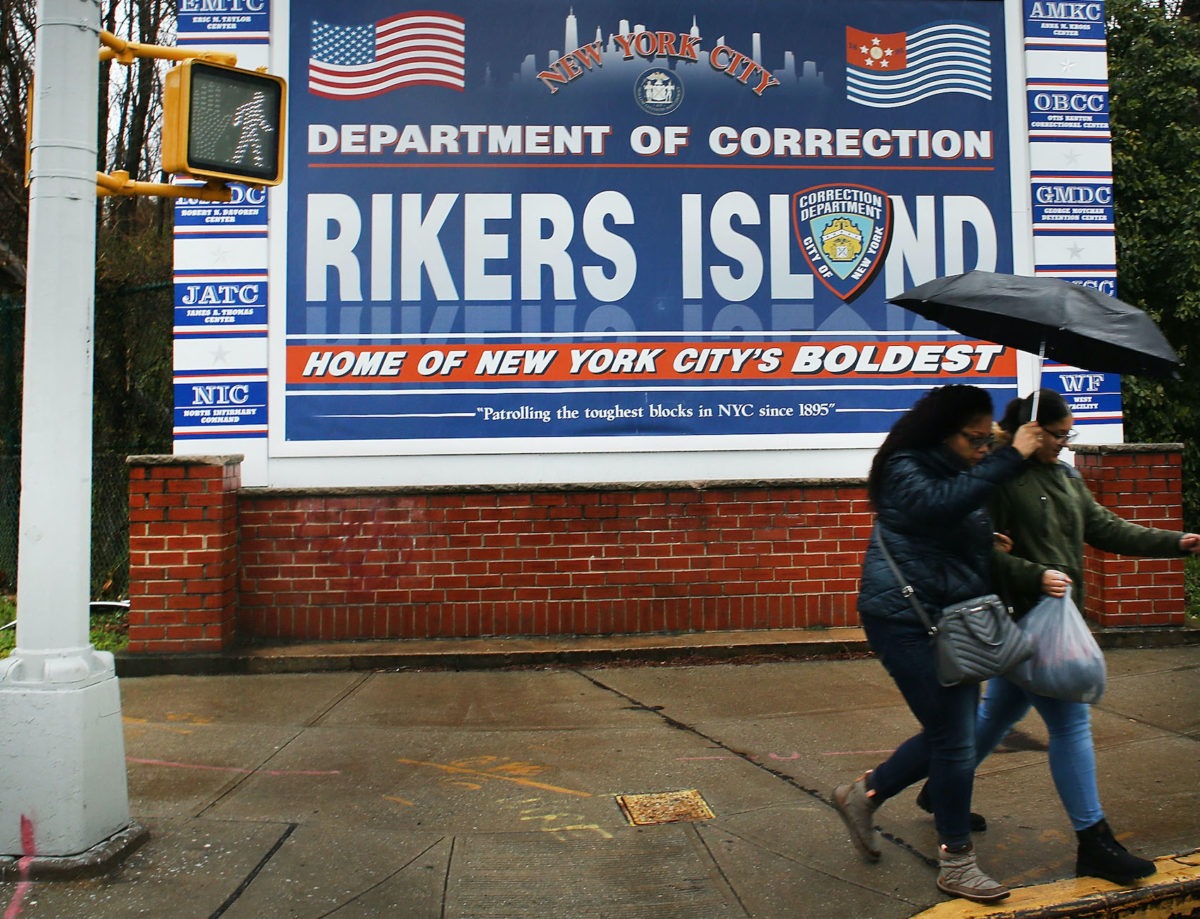
The mayor claims that building new jails is the only safe way to close Rikers Island jail complex, but the City Council shouldn’t fall for this Faustian bargain.

The Charlotte Observer built a narrative on gun crime that relies almost exclusively on police and prosecutors, ignores the violence of incarceration, and offers zero non-carceral solutions.

Sheriff Sid Gautreaux faces two Democratic challengers in the Oct. 12 election.

Incarcerated and formerly incarcerated people face restrictions, even repression, as they engage in activism to end mass incarceration.
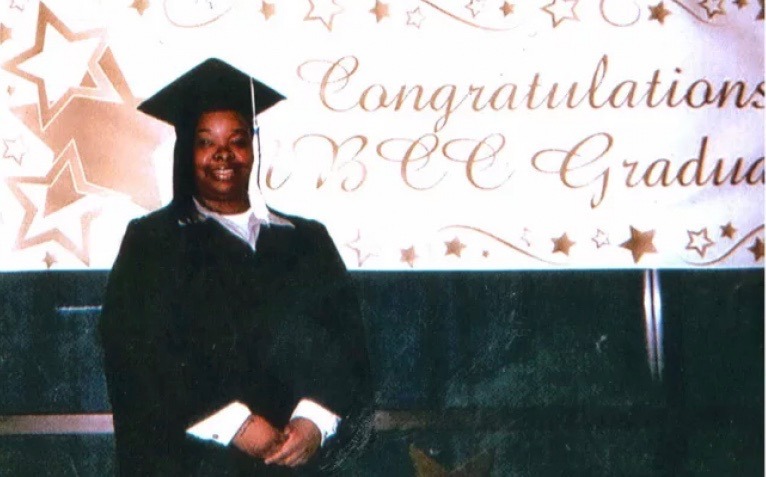
Tondalao Hall has served 15 years for allegedly ‘failing to protect’ her kids from their father’s violence. A parole board will now decide if that’s enough.
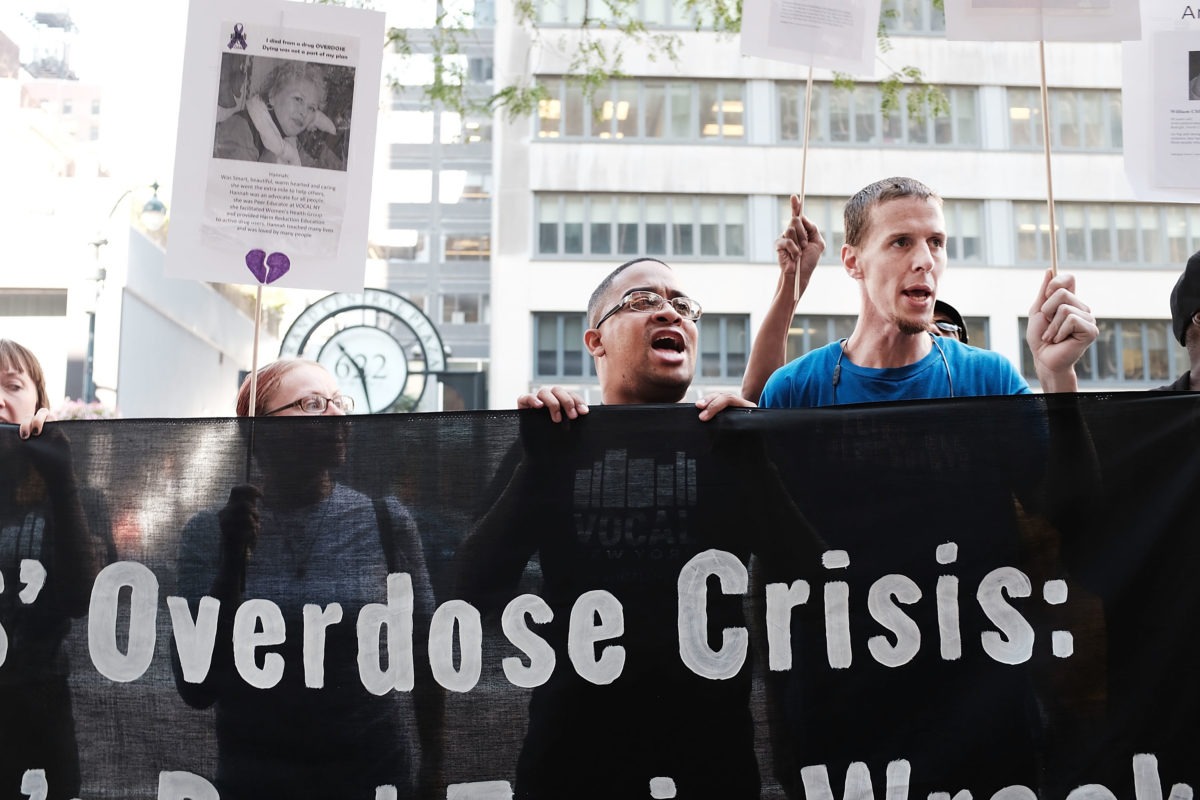
Criminalization as a response to the overdose crisis can cost lives.
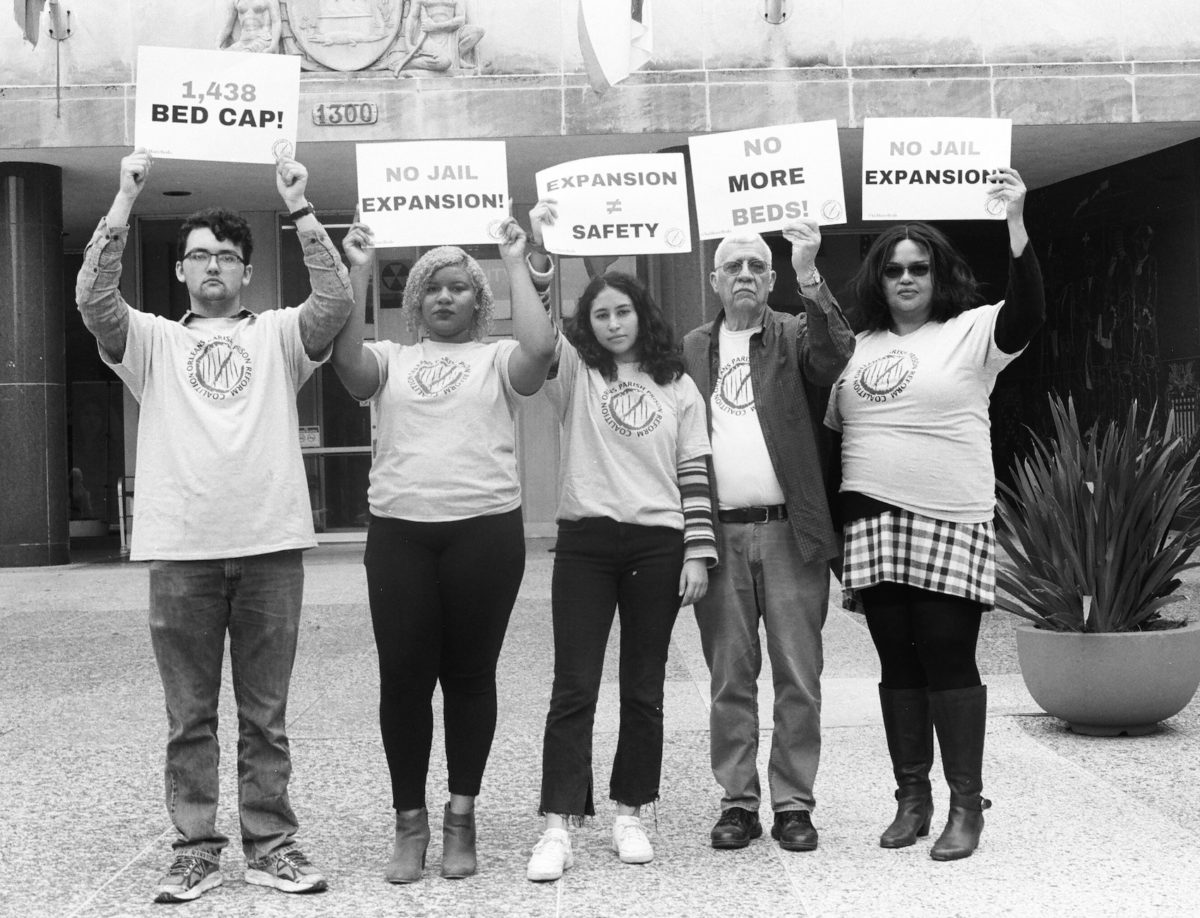
Increasing the city’s jail capacity will lead to higher incarceration rates, advocates say.
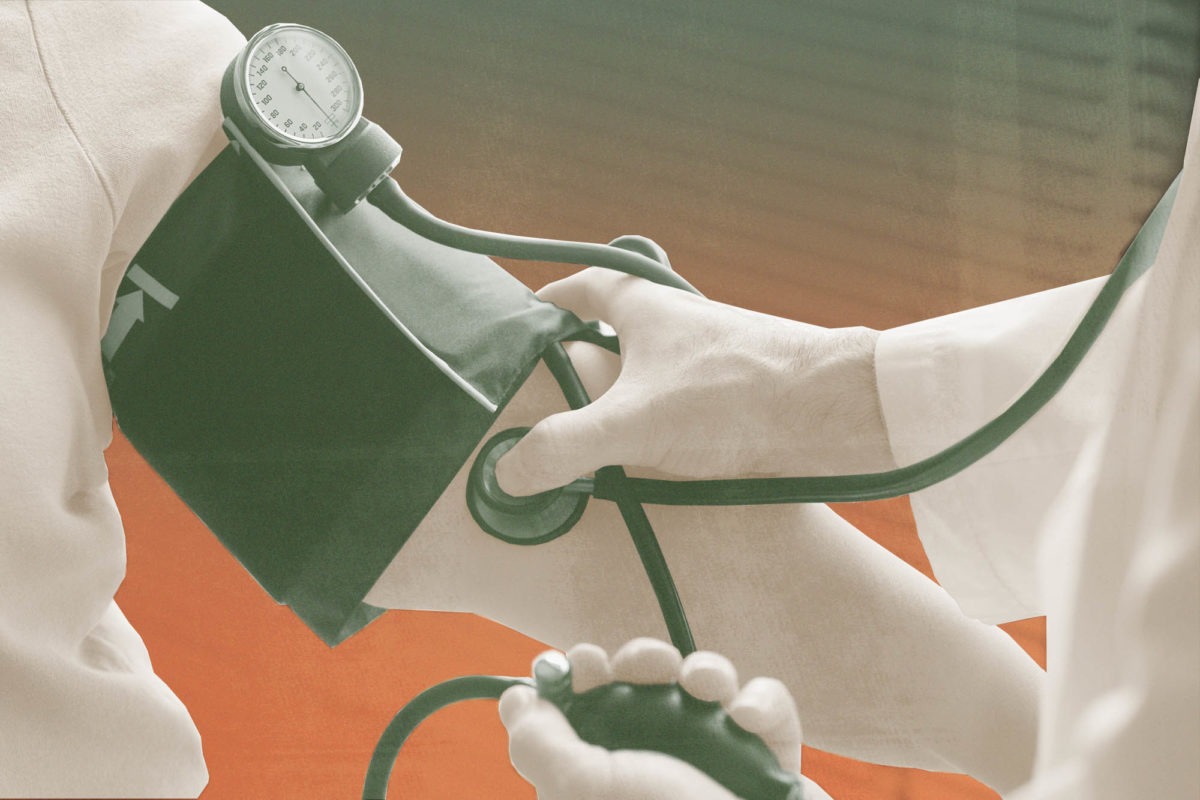
In some Alabama counties, a new investigation shows, sheriffs release people in jail who are experiencing medical emergencies to avoid liability for hospital bills.

As the presidential election approaches, reformers should focus on the Prison Litigation Reform Act, which restricts the ability of incarcerated people to protest their conditions of confinement.
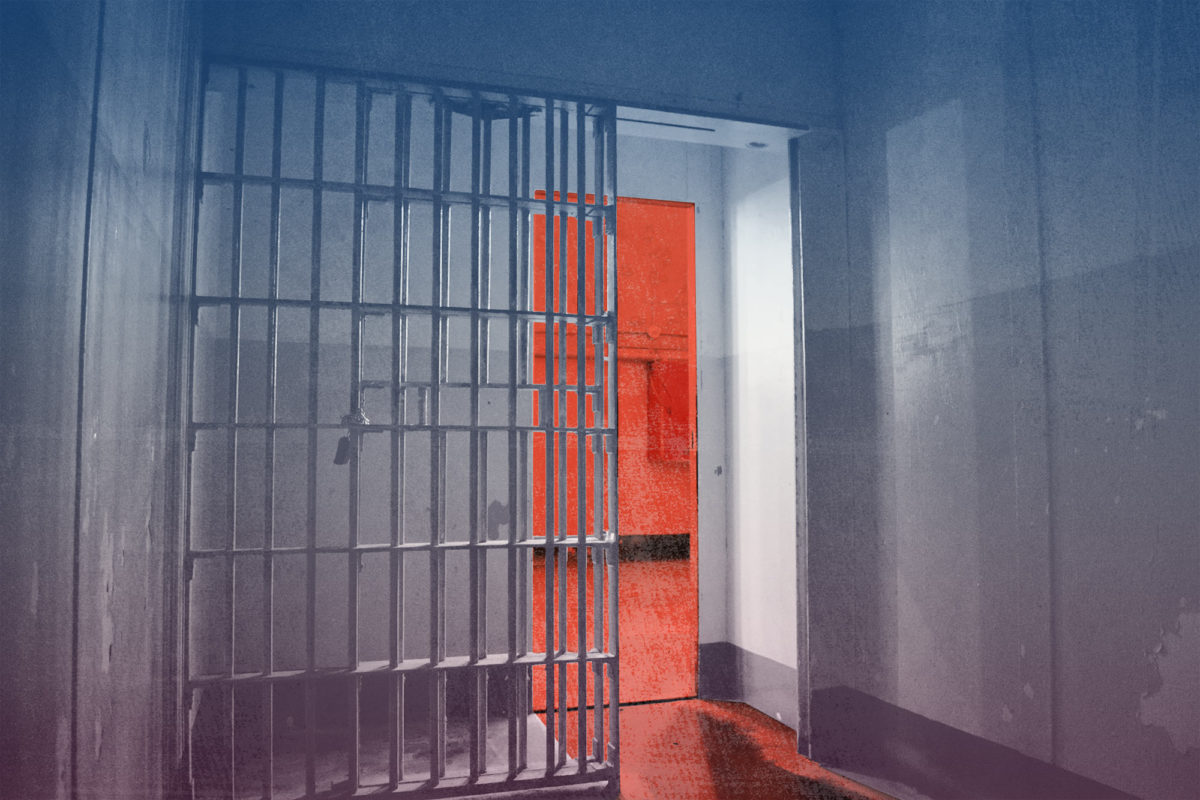
Some death row prisoners will be moved to another unit with access to direct sunlight, fenced-in recreation, and contact visits, department says.

This month, nine people received commutations from life sentences, and Lt. Gov. John Fetterman is calling for changes to the commutations process to give more people second chances.

Carceral institutions are the sites of this country’s most extensive book bans.
Five Lake County, Illinois teenagers no longer face murder charges after the killing of their cousin and friend. But the rule that allowed them to be charged is still on the books.

In April, the U.S. Supreme Court ruled that his execution, which experts have said will be bloody and gruesome, does not amount to cruel and unusual punishment. But problems with his case started long before that, his attorneys say.
Young people convicted as adults face a ‘life sentence’ of registry restrictions, attorneys say.
Federal policy denies incarcerated people Medicaid coverage, making re-entry a time of heightened health risks. Tracie Gardner of the Legal Action Center explains New York State’s effort to “break the cycle of justice-involvement, poor health, economic instability, and recidivism that plagues individuals and families throughout New York.”

Nearly half of all arrests in the state are drug or alcohol related, compared to just 29 percent nationally.