
The Greatest Threat To Defunding The Police? State Pre-emption.
A little-known legal tool allows states to override progressive policies in cities.
Policing Studies Measure Benefits To Crime Reduction—But Not Social Costs
Research has shown only that police can be sufficient, not that they are necessary.
The 1994 Crime Law Hogs The Legal Reform Spotlight. But A Lesser-Known Law Deserves More Attention.
As the presidential election approaches, reformers should focus on the Prison Litigation Reform Act, which restricts the ability of incarcerated people to protest their conditions of confinement.
A No-Holds-Barred Assault on Prosecutors
Attorney General William Barr pushed back against reforms by progressive prosecutors—but perhaps his greatest vitriol was reserved for the Boston DA’s attempt to rein in police.
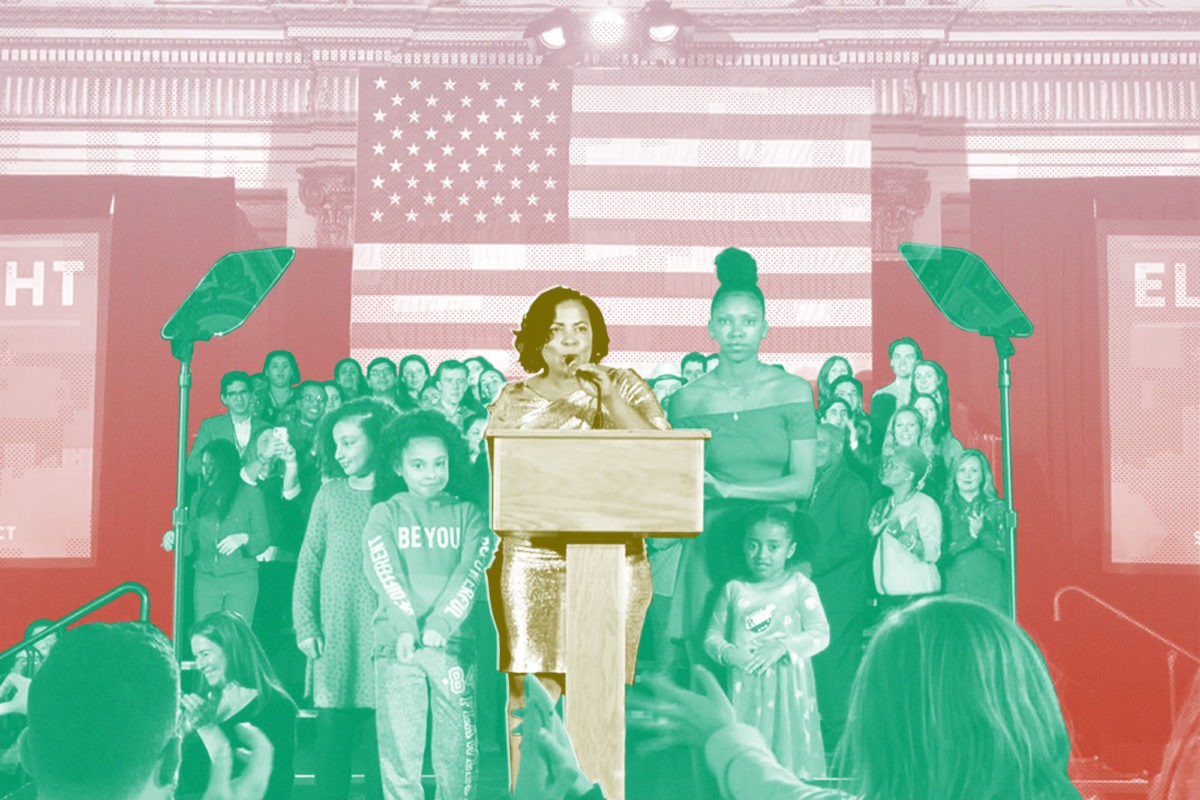
Boston’s New D.A. Pushes Back Against Prosecutors’ ‘Punishment-centric’ Point of View
Suffolk County District Attorney Rachael Rollins’s promise to decline to prosecute several offenses is a rejection of the punitive tradition of prosecutors and perhaps signals a new kind of reform that spurns criminal justice as a solution to public health problems.

NYC Prosecutors Are Stoking Fear About the Mass Bailout, But Their Arguments Don’t Add Up
District attorneys’ comments belie the true purpose of bail in New York and ignore the safety risks of jail itself.
The Incalculable Costs of Mass Incarceration
Prisons carry enormous, perhaps impossible to measure social costs—but when assessing the system fiscally, reformers should focus on staffing salaries instead of the number of incarcerated people.


How Zombie Crime Stats, Phantom Stats and Frankenstats Paint a Misleading Picture on Crime
In September 2017, newspapers across the country ran headlines of a similar theme: According to data from the FBI’s Uniform Crime Reports, the agency’s official report on criminal behavior nationwide, crime — or at least violent crime — had risen for the second year in a row. That’s not entirely true.