It’s Not Just Flock. Police Can’t Be Trusted With Our Data.
An Illinois State Police database available online listed personal information, including Social Security numbers.

An Illinois State Police database available online listed personal information, including Social Security numbers.
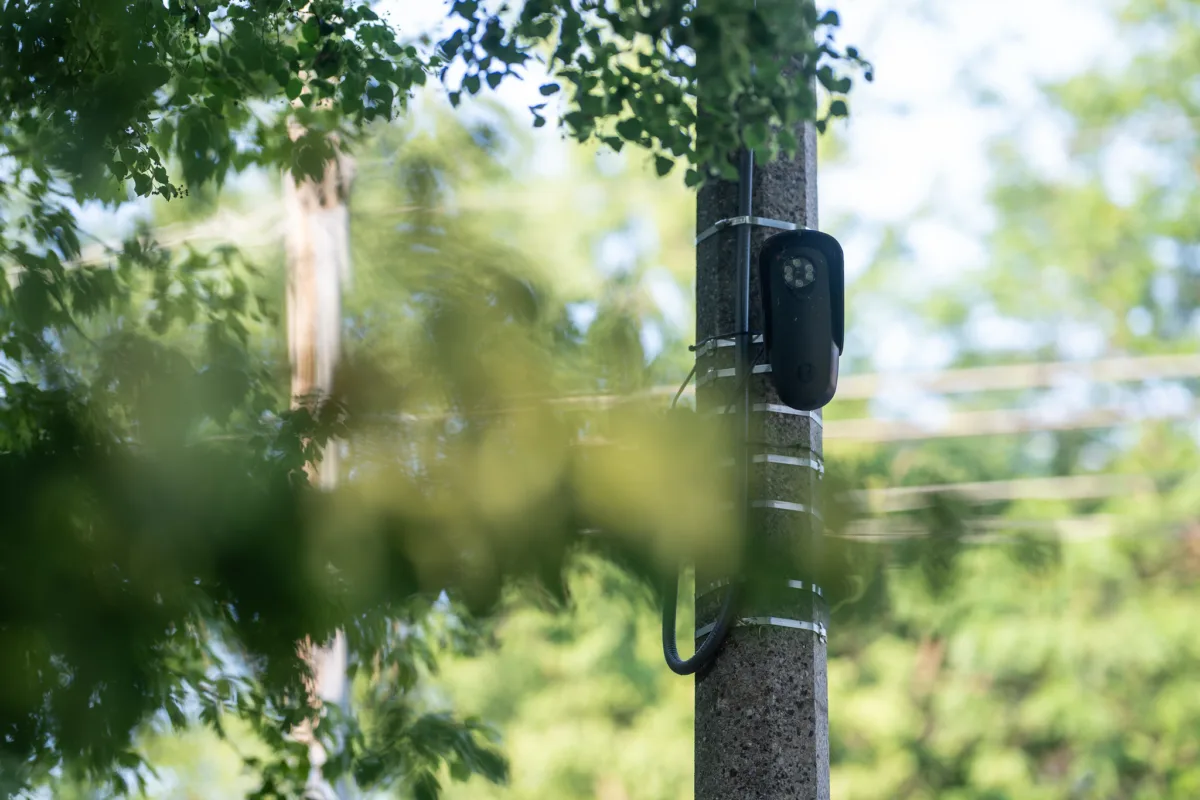
A Kansas activist discovered that police tracked him with Flock-style cameras after he wrote an op-ed criticizing them.

Hundreds of local police departments have received waivers to fly surveillance drones that navigate with AI.
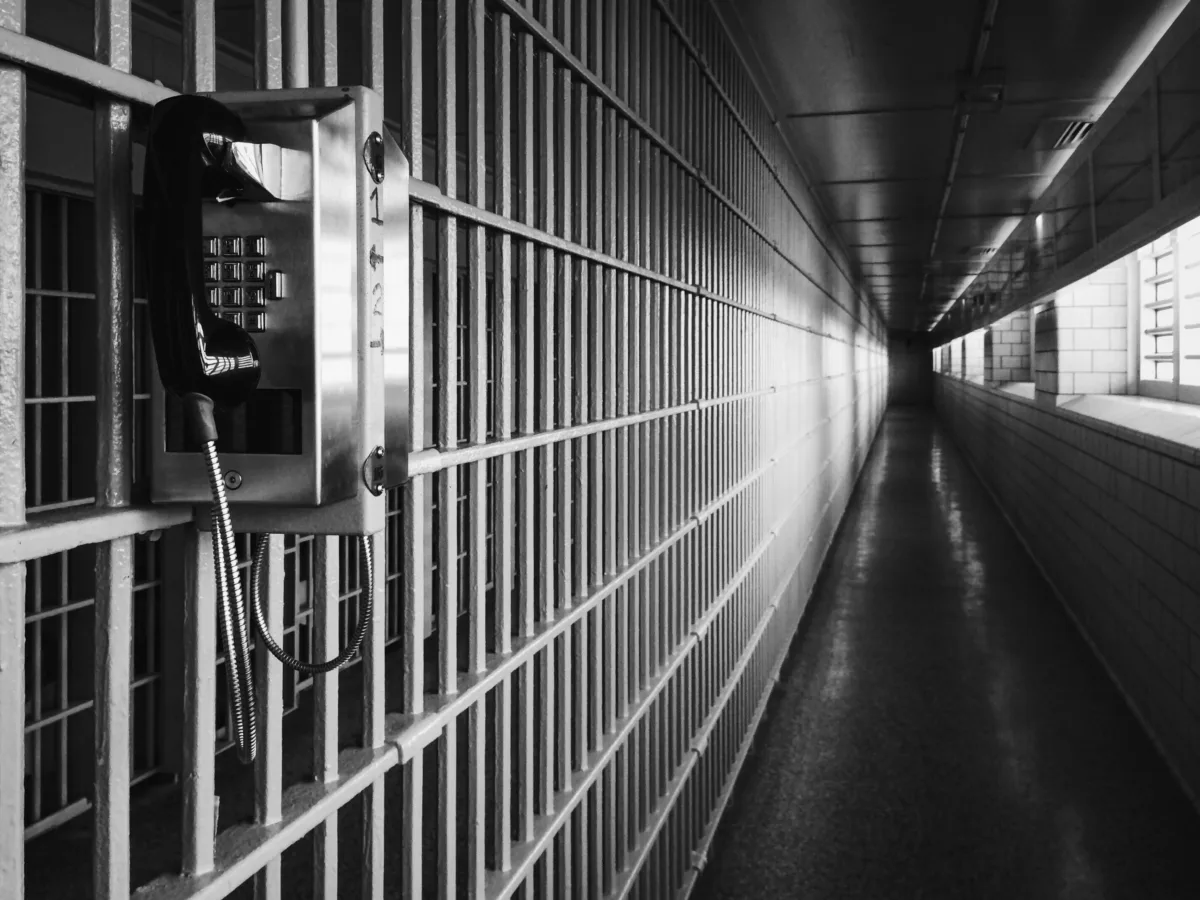
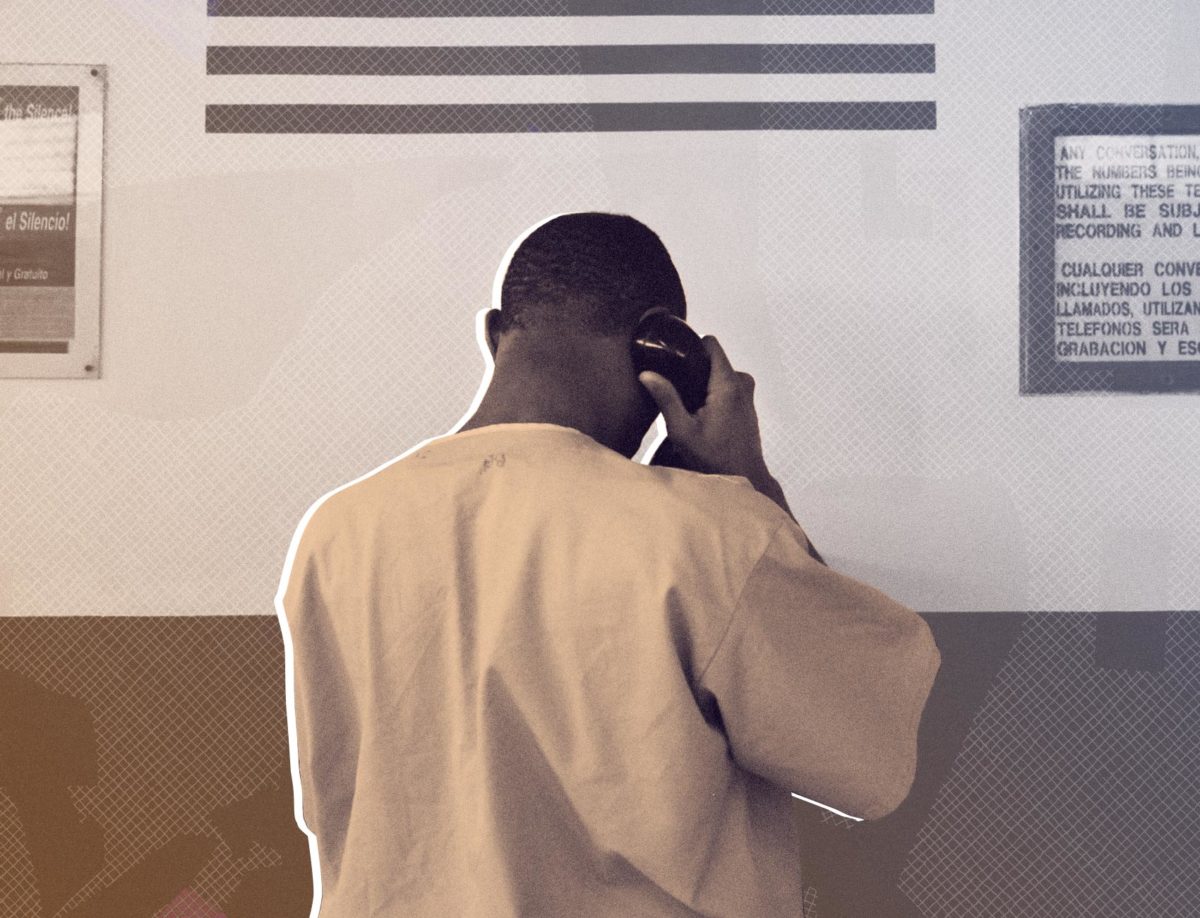
Telecom companies also strip privacy en masse from incarcerated people and those who communicate with them.

Before ICE descended on New Orleans, GOP lawmakers made it a crime to interfere with immigration enforcement.

The Texas Department of Public Safety plans to spend millions in taxpayer dollars on a controversial software, used first as part of Governor Abbott’s border crackdown, to “disrupt potential domestic terrorism.”
The city of Chicago is cutting ties with the gunshot detection firm ShotSpotter. But the product’s parent company—and competitors—now offer so many interlocking services that it’s nearly impossible for departments to cut the cord.
ShotSpotter, Flock Safety, and Fog Data Science pitch themselves as third-party public-safety platforms, but they really are are “data brokers”—companies that profit by selling bulk information to others.
As more people criticize or refuse to cooperate with police, writers Emily Galvin-Almanza and Khalid Alexander argue most departments aren’t taking that criticism to heart—they’re replacing human sources and interactions with computer-generated evidence instead.

Mayor Randall Woodfin is increasing police funding and ignoring calls for non-law enforcement public safety alternatives.
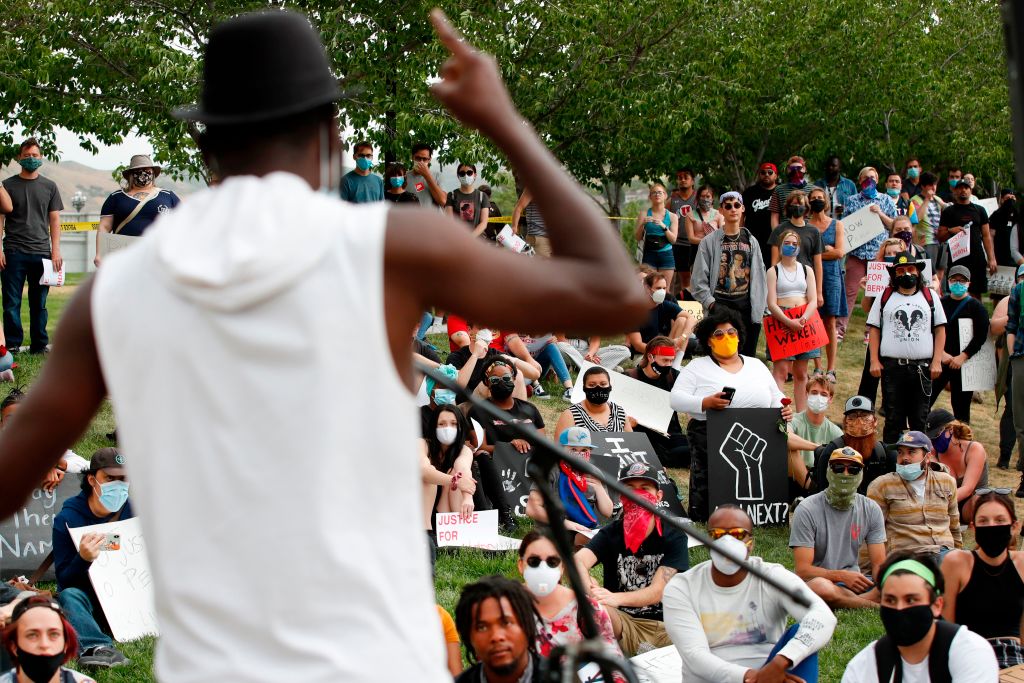
Prosecutors in states ranging from New York to Utah are using decades-old gang laws to target participants in the largest uprising against police brutality in U.S. history.
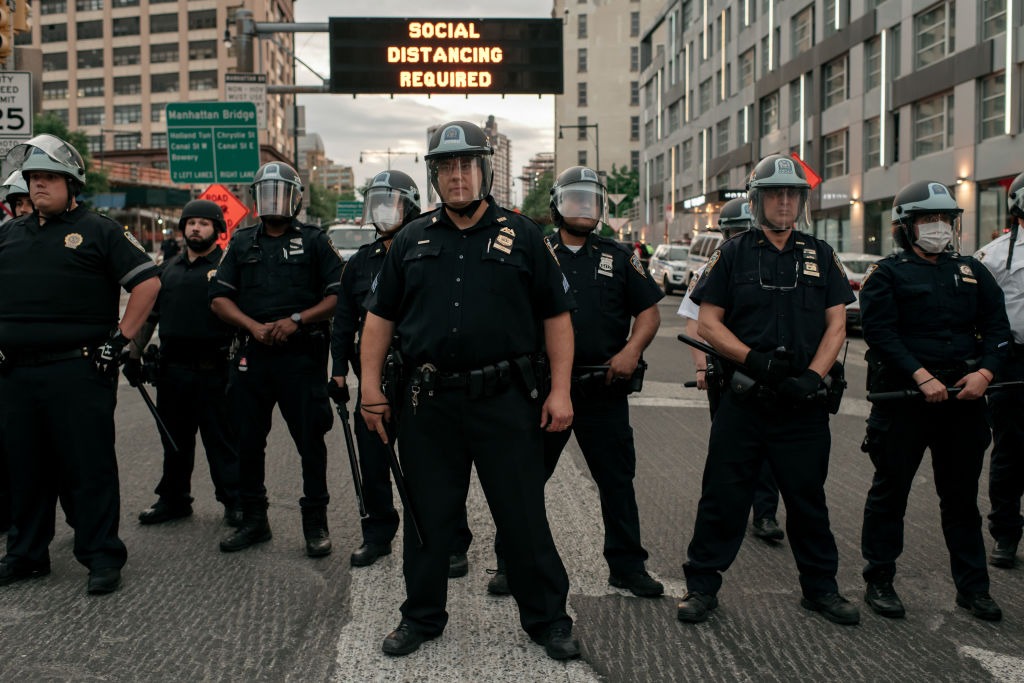
Administrative subpoenas—which do not require a judge’s approval—are typically used for the department’s internal investigations, but The Appeal has learned that they are being used in criminal cases.
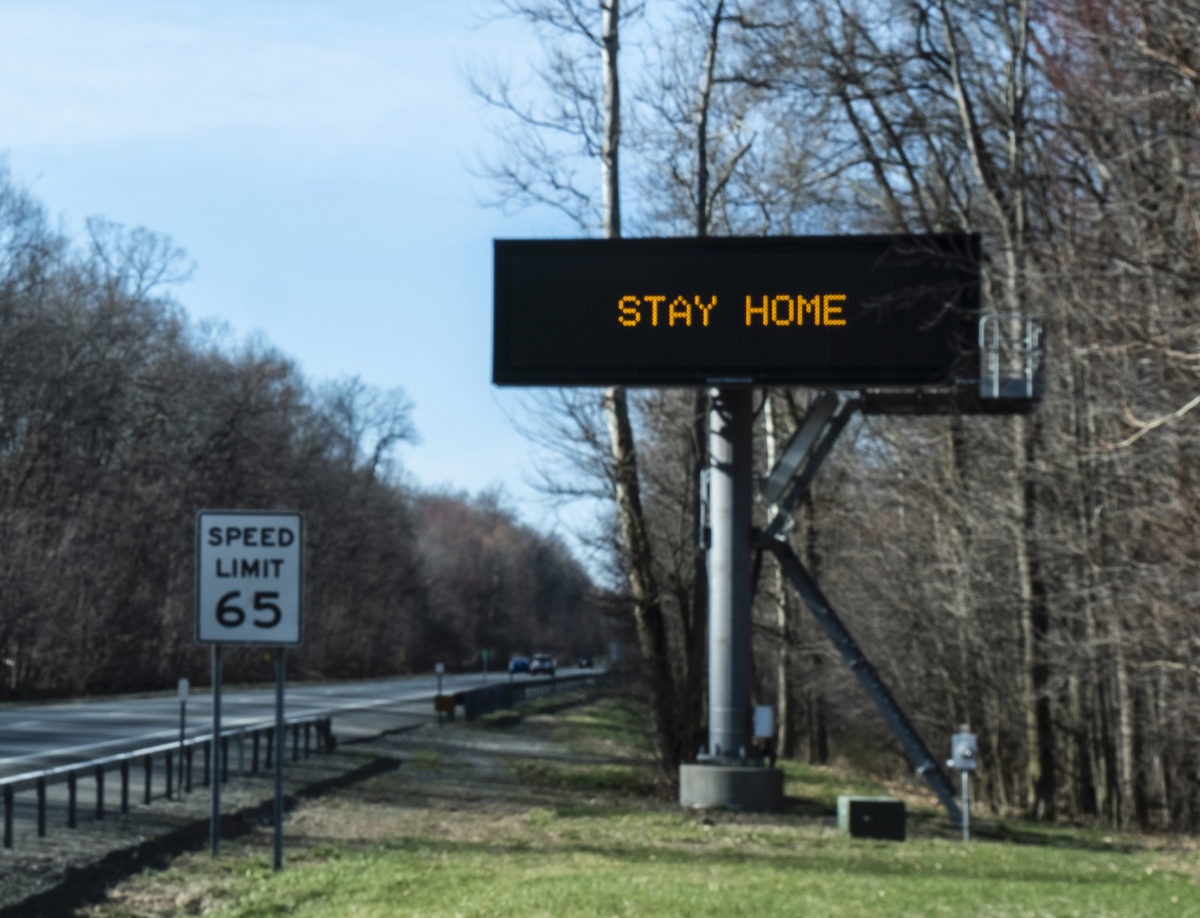
Louisville, Kentucky judges are ordering people with COVID-19 who have allegedly defied quarantine to wear GPS ankle monitors, raising ethical questions about the government’s role in a pandemic.

When the dust settles on this pandemic, we need to be clear on what was an emergency response and what is a desirable permanent change.
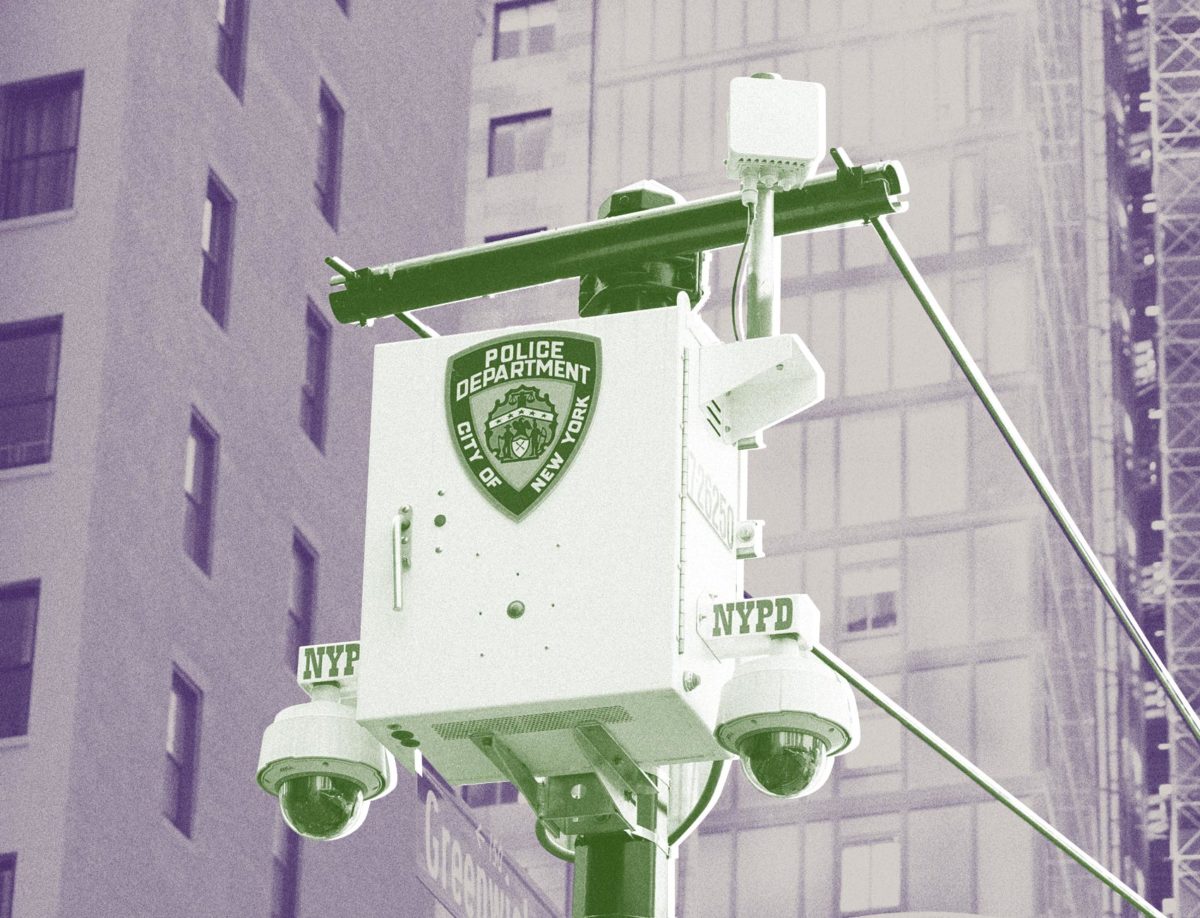
A City Council Committee considers a bill on NYPD surveillance today.

The billionaire and former New York City mayor defended the NYPD’s surveillance of Muslim Americans and mandatory minimum prison sentences for gun possession, among other policies.

A close examination of a poll backed by a business group reveals loaded questions, undisclosed conflicts of interest, and the shortchanging of very real privacy concerns.
Neither agency had written policies on how to capture or store the location data without violating privacy rights.

Allegheny County District Attorney Stephen Zappala has gotten into the surveillance game, but advocates say that raises questions about his role.

Advocates warn that overuse of ankle monitors and other forms of electronic monitoring produce consequences of their own.
California Supreme Court rules that the government cannot subject a young person on probation, as a condition of release, to random searches of his electronic devices and social media accounts.
Police and prosecutors claimed facial recognition technology wasn’t at the center of a shoplifting case, but defense attorneys say it was the sole basis for probable cause to arrest.

Blue Bell listeria outbreak killed three people, but only the teenage prankster accused of licking a carton will face charges.
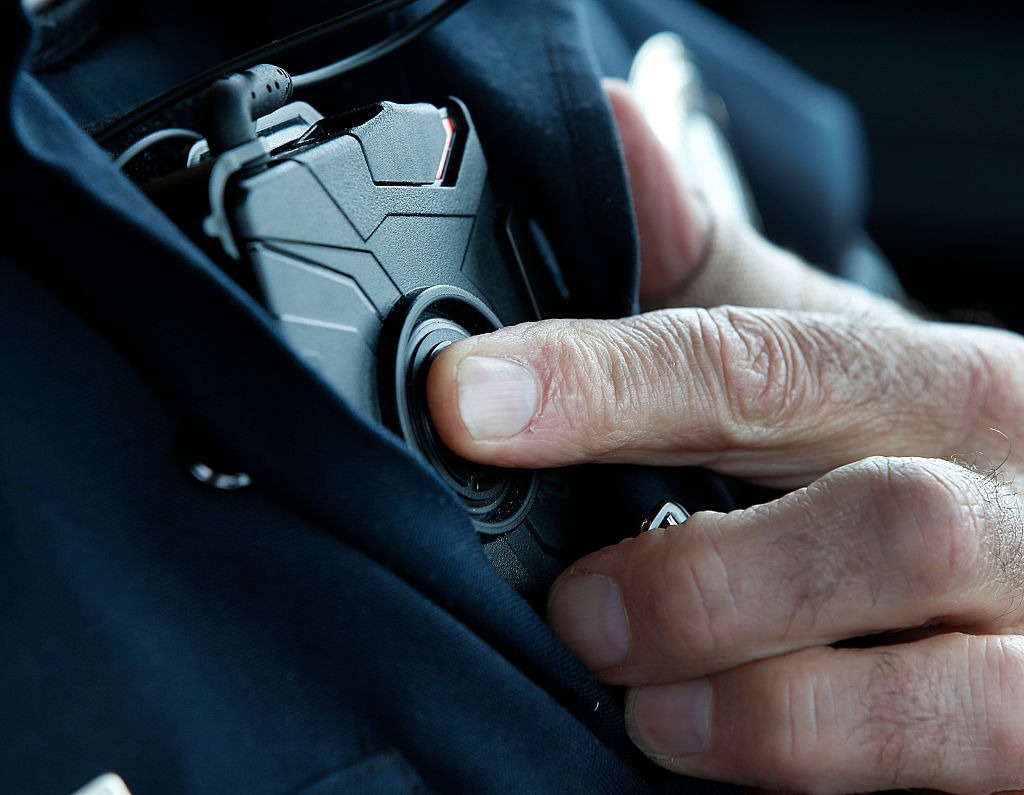
The popularity of Axon’s tech soared after the police killing of Michael Brown in 2014, but it may be doing more harm than good in protecting people from excessive force.
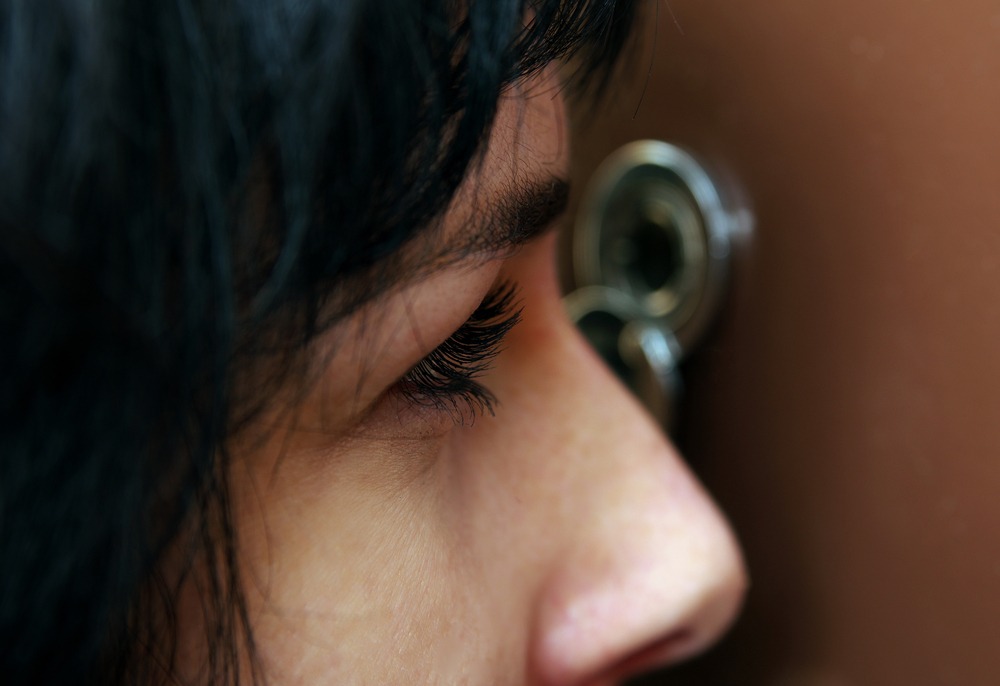
City officials say its vast network of cameras are simply a tool when responding to 911 calls and complaints of criminal activity. But several cases suggest the system serves an additional purpose.

Defense attorneys say they were unaware of the practice and are unclear on how they can expunge the data of nonconvicted clients.
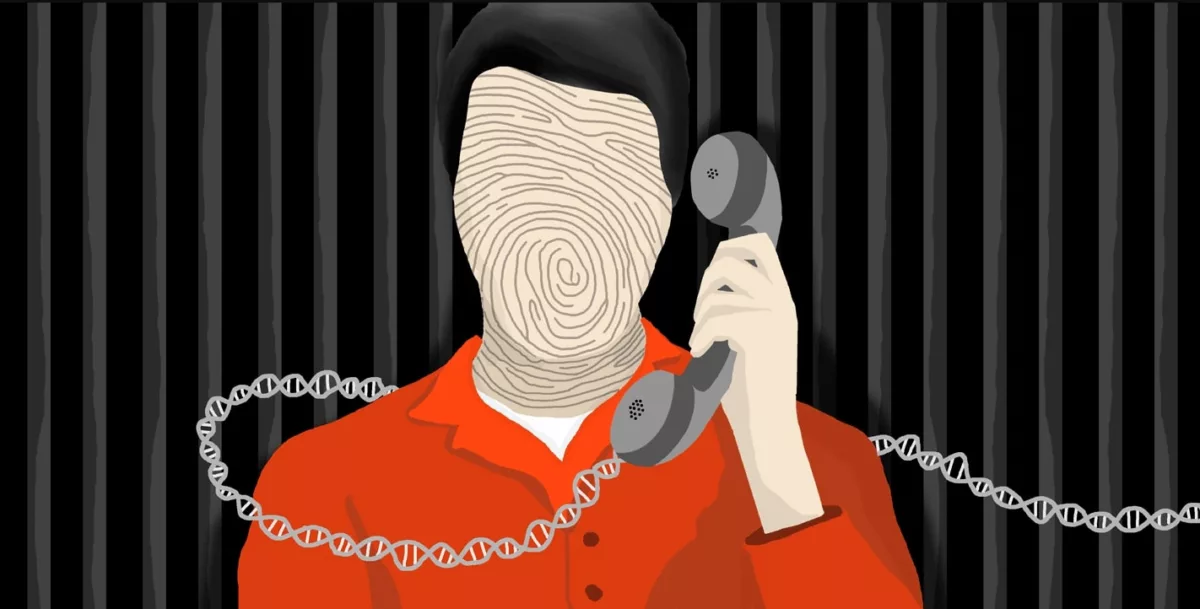
The technology also allows authorities to mine call databases and cross-reference the voices of individuals prisoners have spoken with.
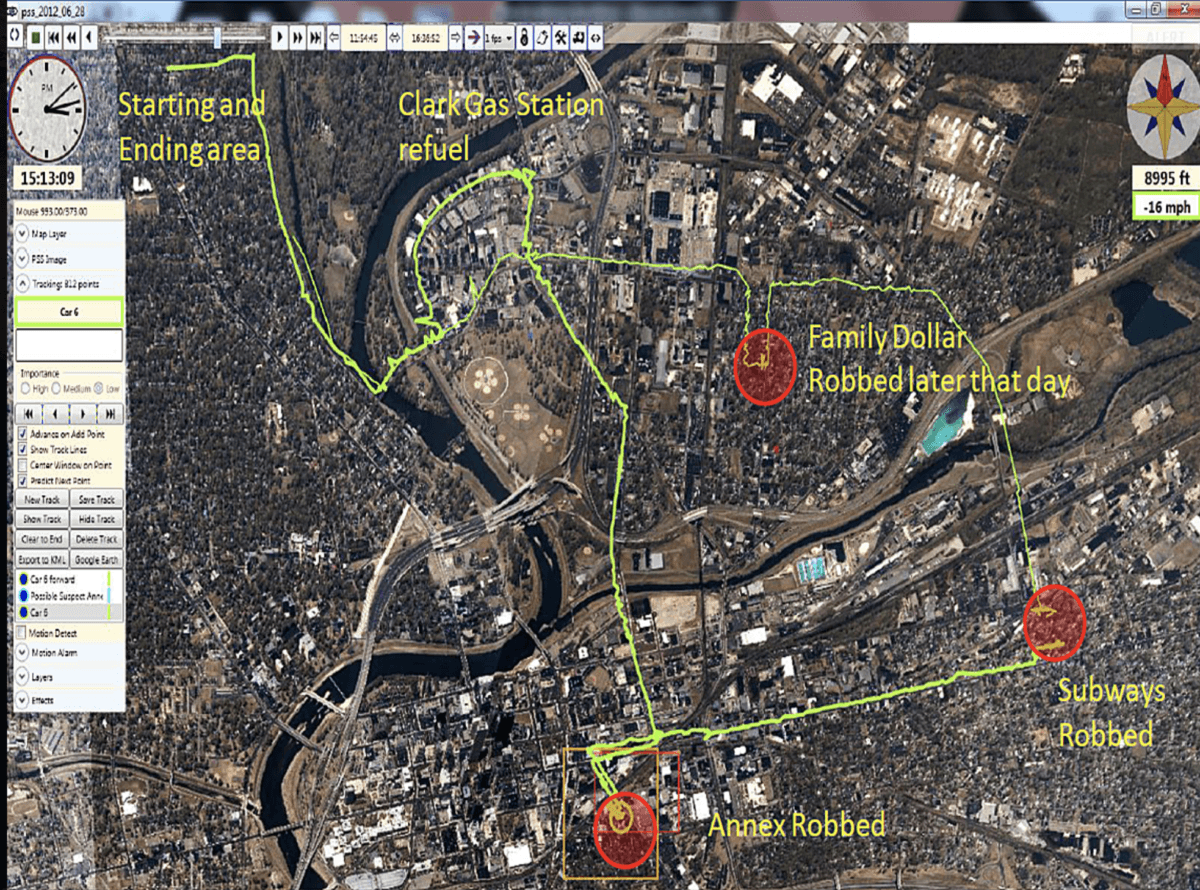
Dismal police accountability has made communities vulnerable to private vendors.
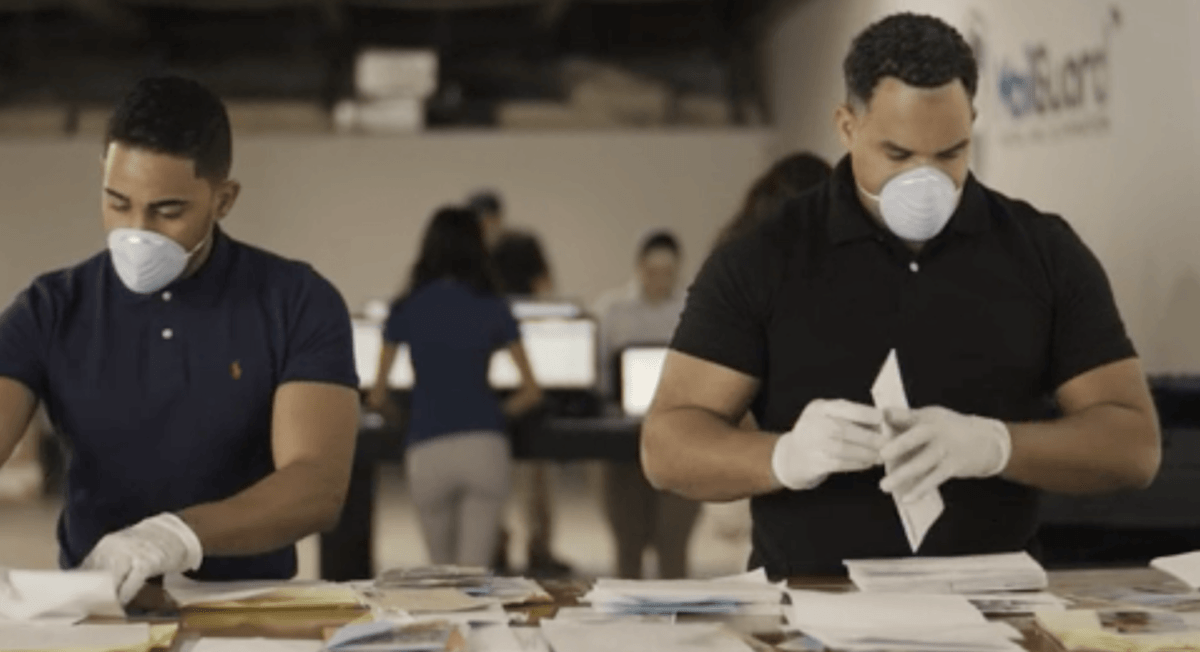
The company is being paid $4 million a year to open and scan prisoners’ mail into a searchable database.
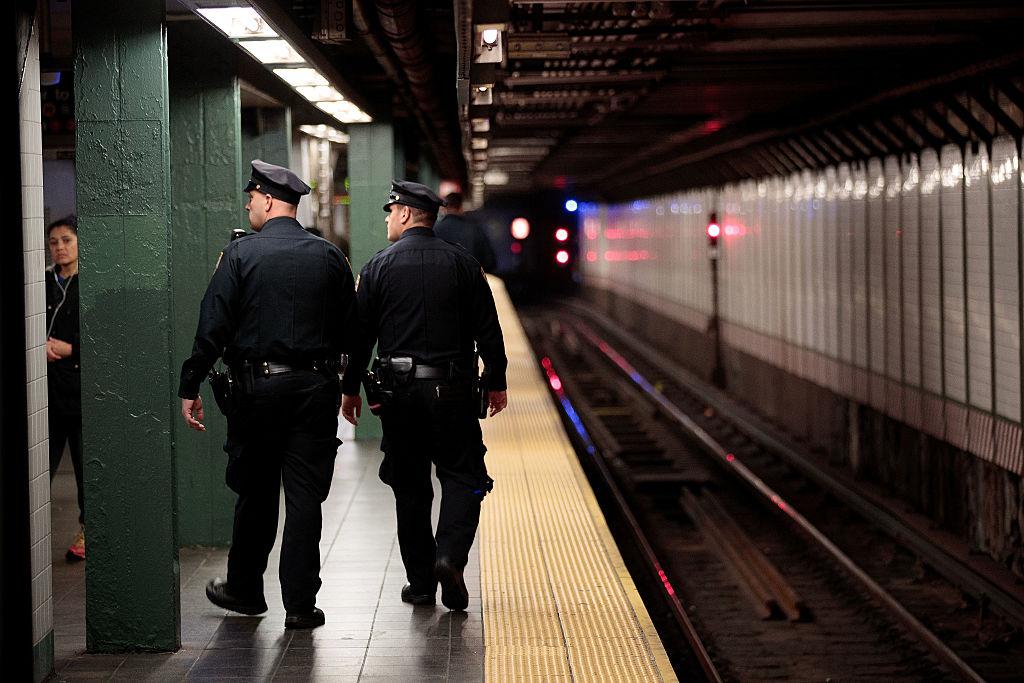
Arrests that result in dropped charges and dismissals are supposed to be sealed. But until recently, the NYPD used these records to target turnstile jumpers.
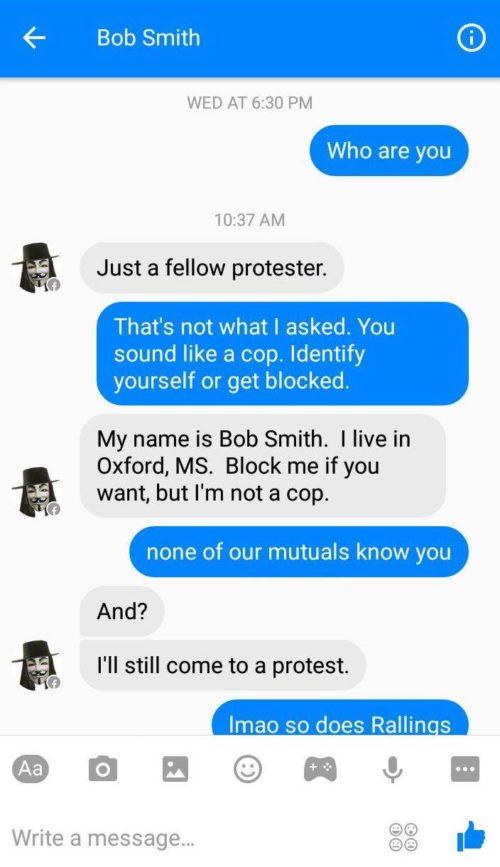
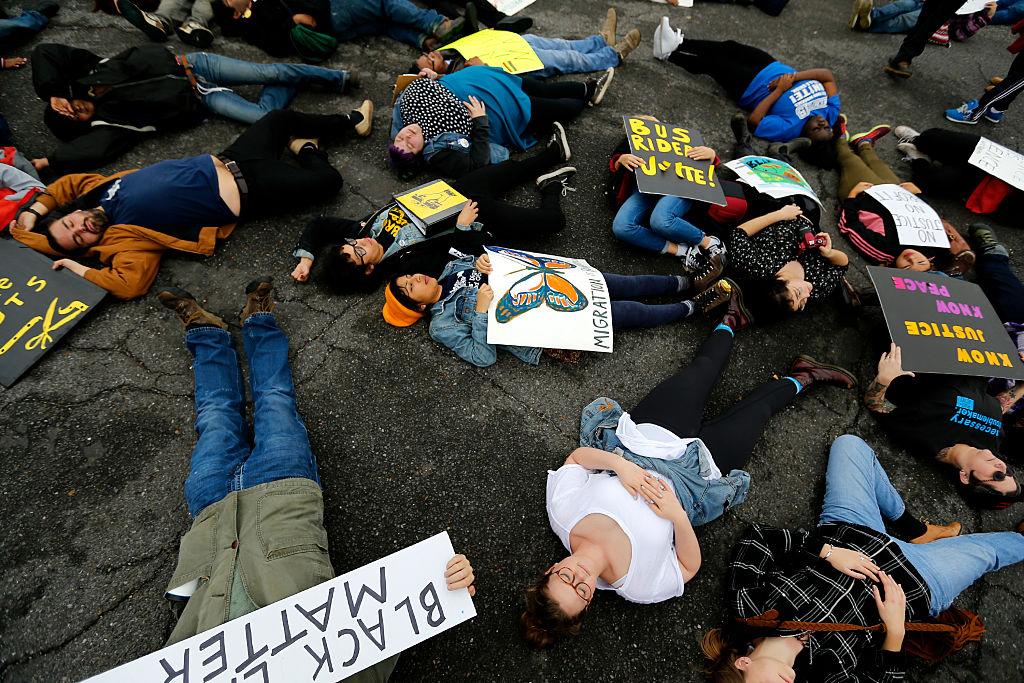
New records obtained by the Appeal show the account seems to have been monitoring Black Lives Matter activists for years.

Prosecutors on the “J20” case faced grave allegations of misconduct after withholding exculpatory evidence contained in videos from defense attorneys. But this is far from the first time that this office has found itself in hot water.
Police appear to have used a fake Facebook account to ‘friend’ activists and archive who ‘liked’ their posts.

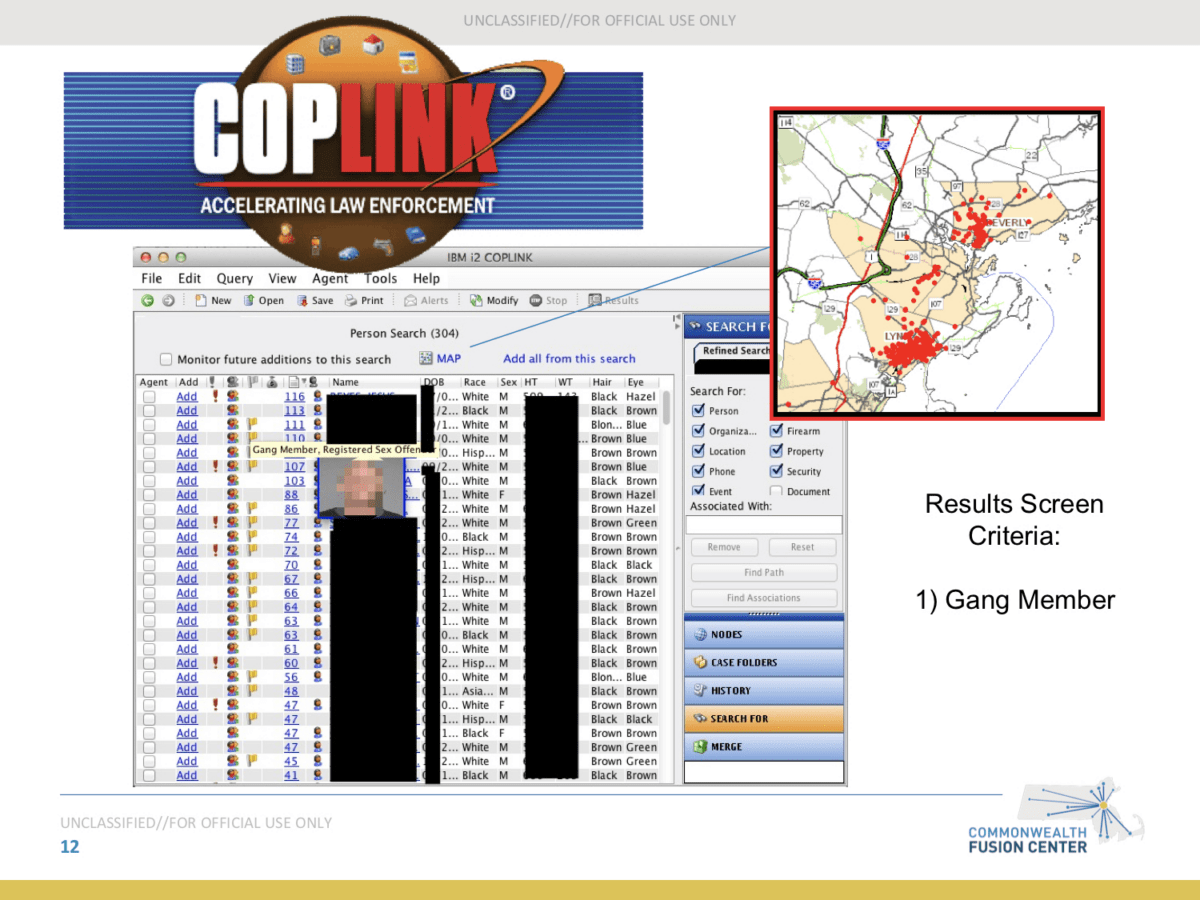
A onetime gang liaison for the Baltimore Police Department writes that its database is racist and error-ridden.
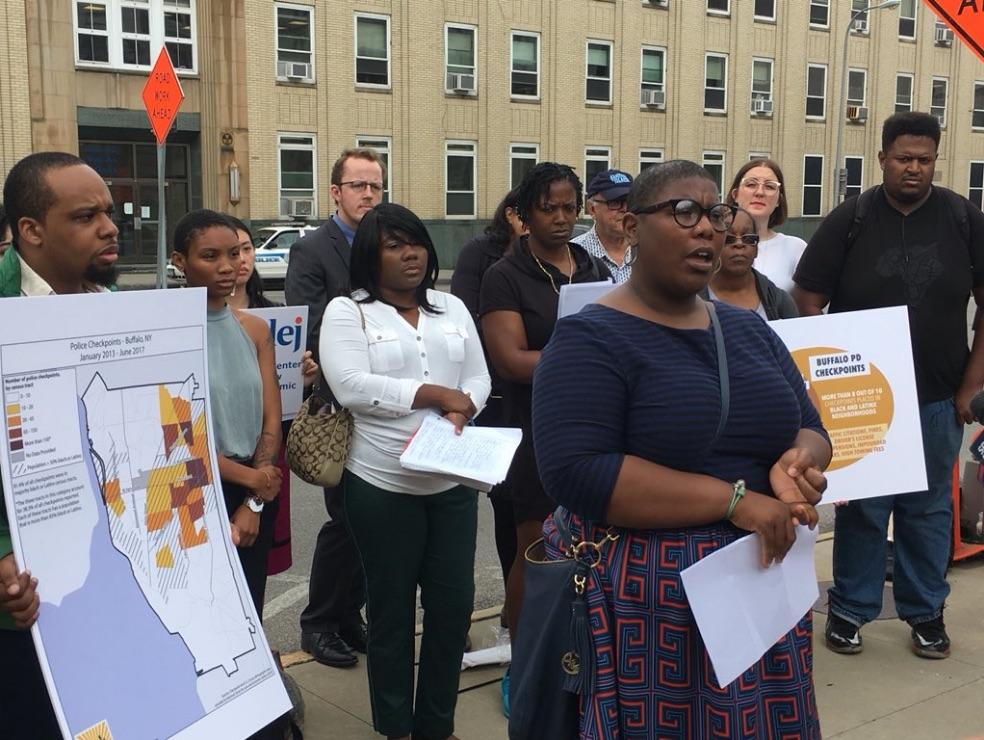
Advocacy group demands an end to traffic checkpoints concentrated in Black and Latinx areas.
With Appeal staff reporter George Joseph.