The Need To Support Visits For Incarcerated People And Their Families
Several policies under consideration in New York would promote prison visits.

Several policies under consideration in New York would promote prison visits.
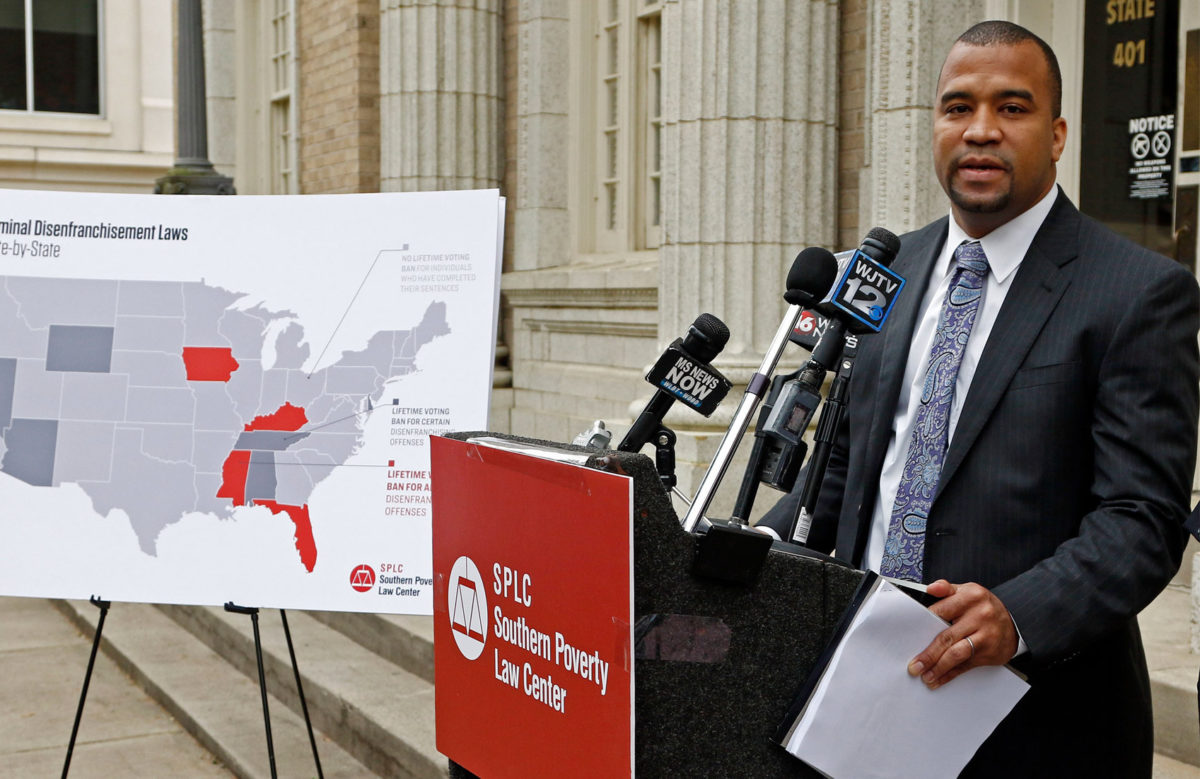
An EEOC complaint documents allegations against Owens, former managing attorney in the Jackson office of the Southern Poverty Law Center.

The state is one of eight that allow cops to arraign people on misdemeanor charges. Advocates and academics say the practice is unjust.
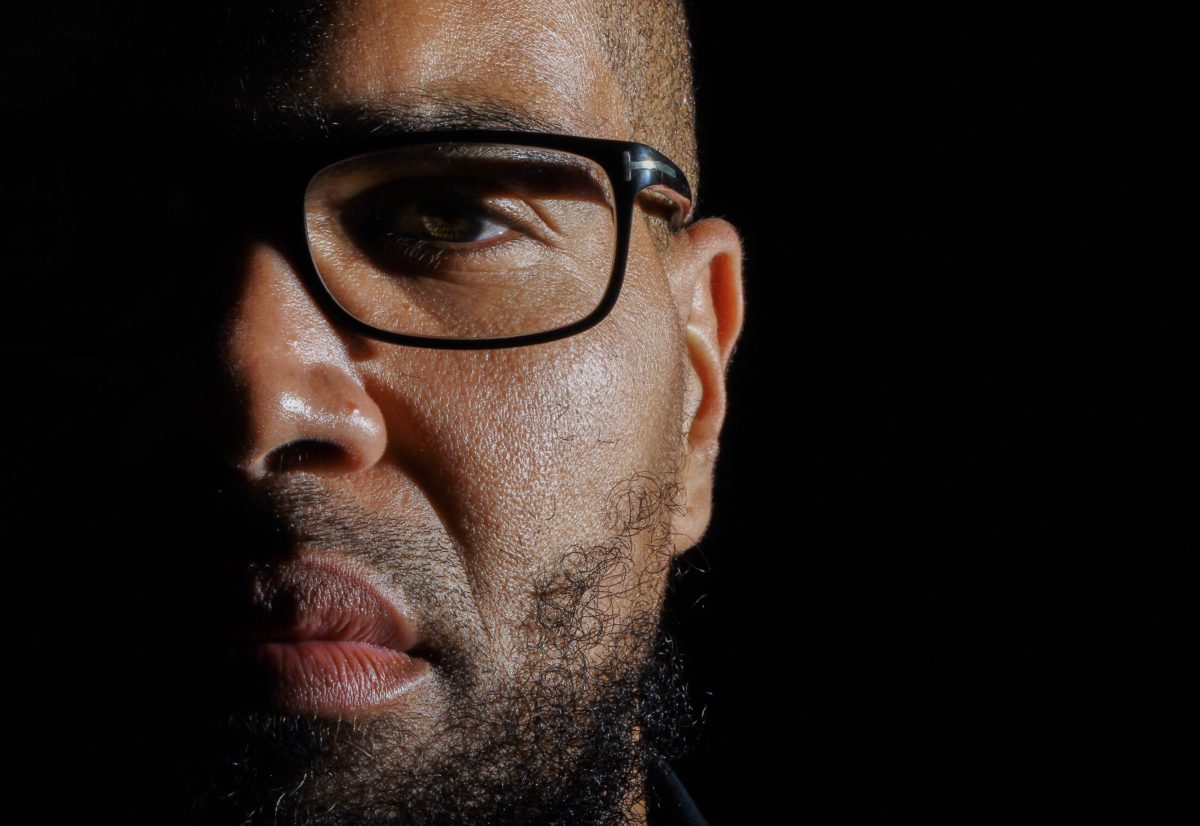
After more than two decades, Terrance Lewis was exonerated and released from prison earlier this year. He is now an advocate for other innocent people caught up in the criminal legal system.

Incarcerated and formerly incarcerated people face restrictions, even repression, as they engage in activism to end mass incarceration.

The results of record-sealing legislation enacted in 2017 shows the need for automatic expungement, advocates say.
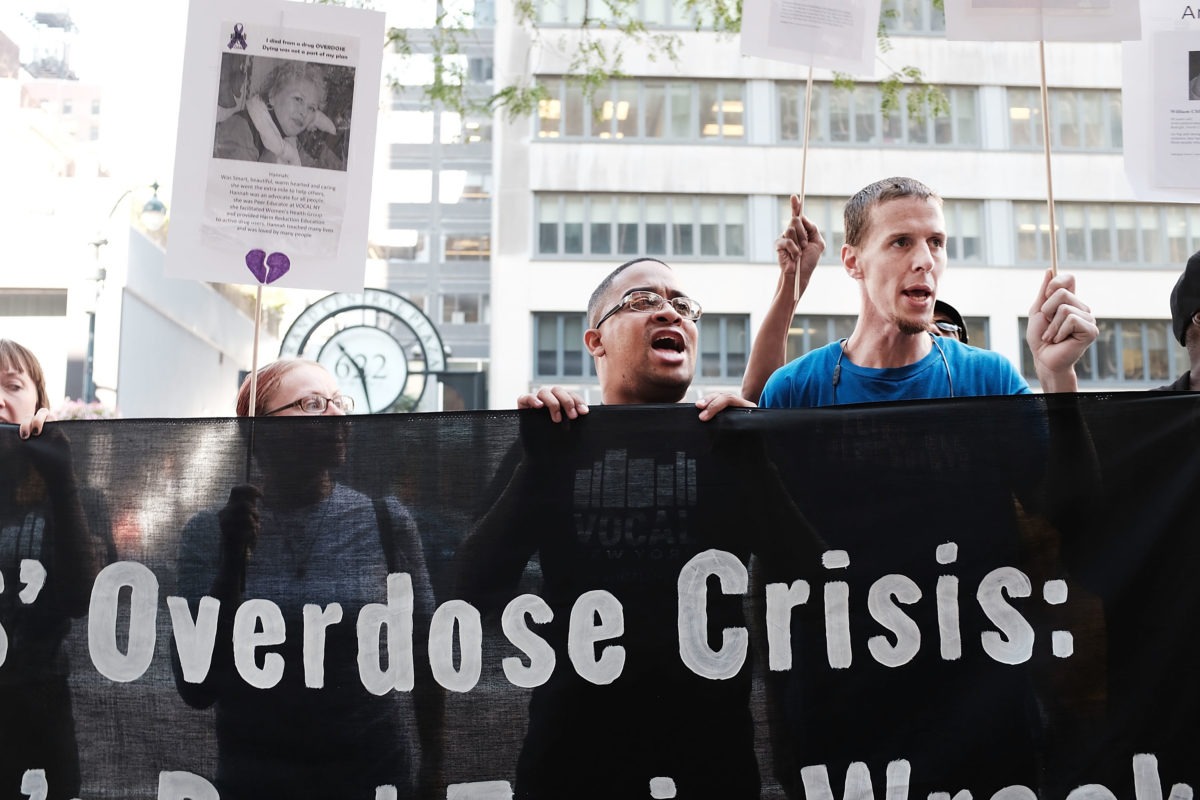
Criminalization as a response to the overdose crisis can cost lives.
The gang database in the state gives police increased authority to approach and harass people for virtually no reason at all.
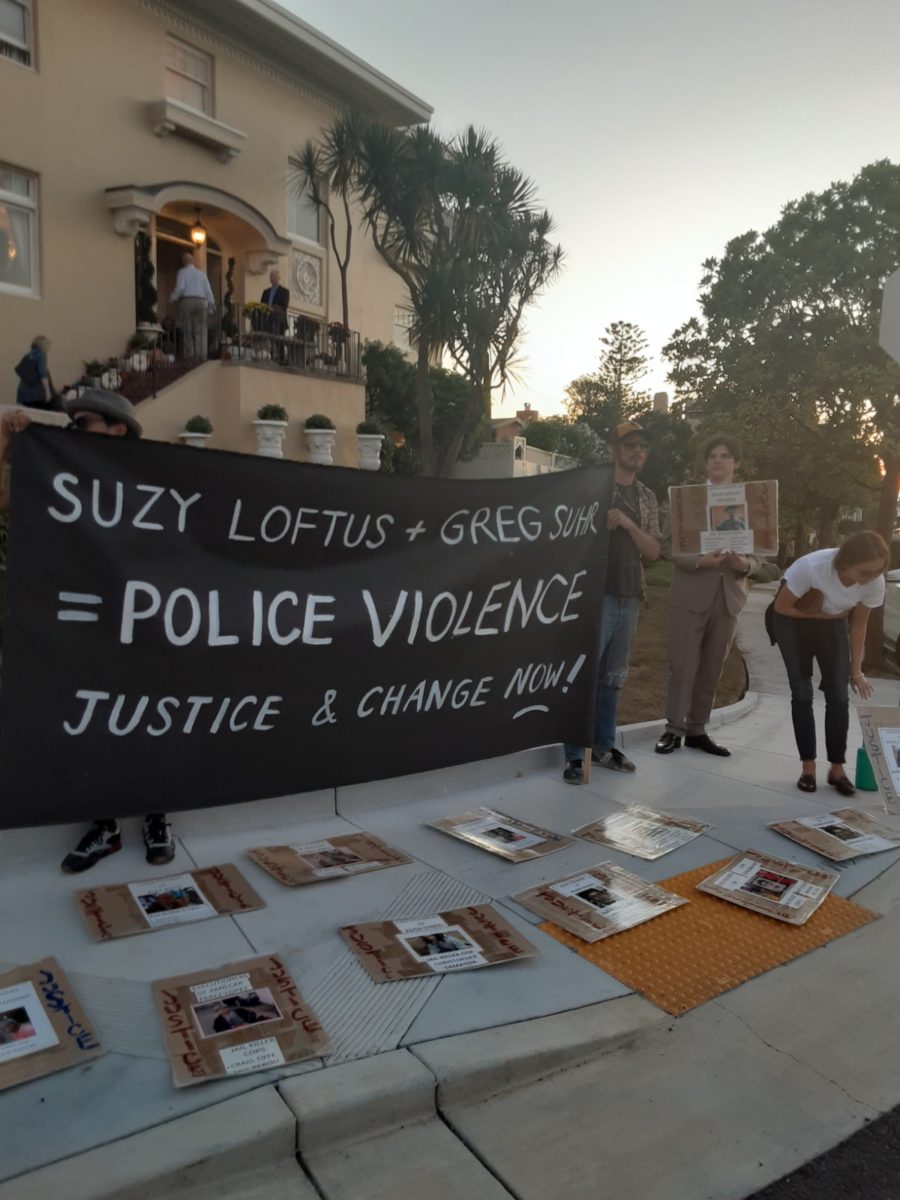
Loftus led the San Francisco Police Commission through a bloody and turbulent era.

The state’s narrow interpretation gives too much weight to voices that support a punitive criminal legal system, advocates say.
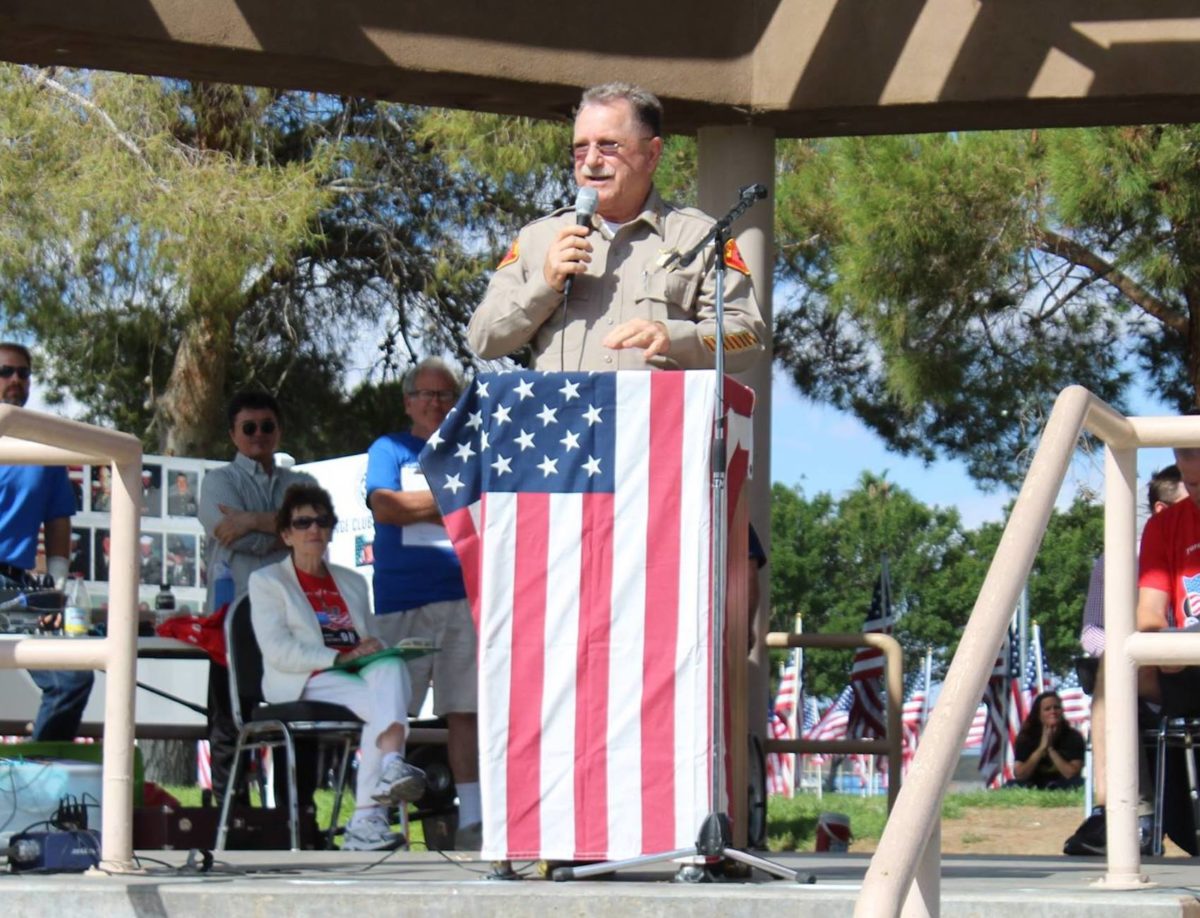
Kern County Sheriff Donny Youngblood and District Attorney Cynthia Zimmer intend to openly defy a 1975 state Supreme Court precedent that says law enforcement cannot intentionally discriminate against a person or group of people.

In some Alabama counties, a new investigation shows, sheriffs release people in jail who are experiencing medical emergencies to avoid liability for hospital bills.
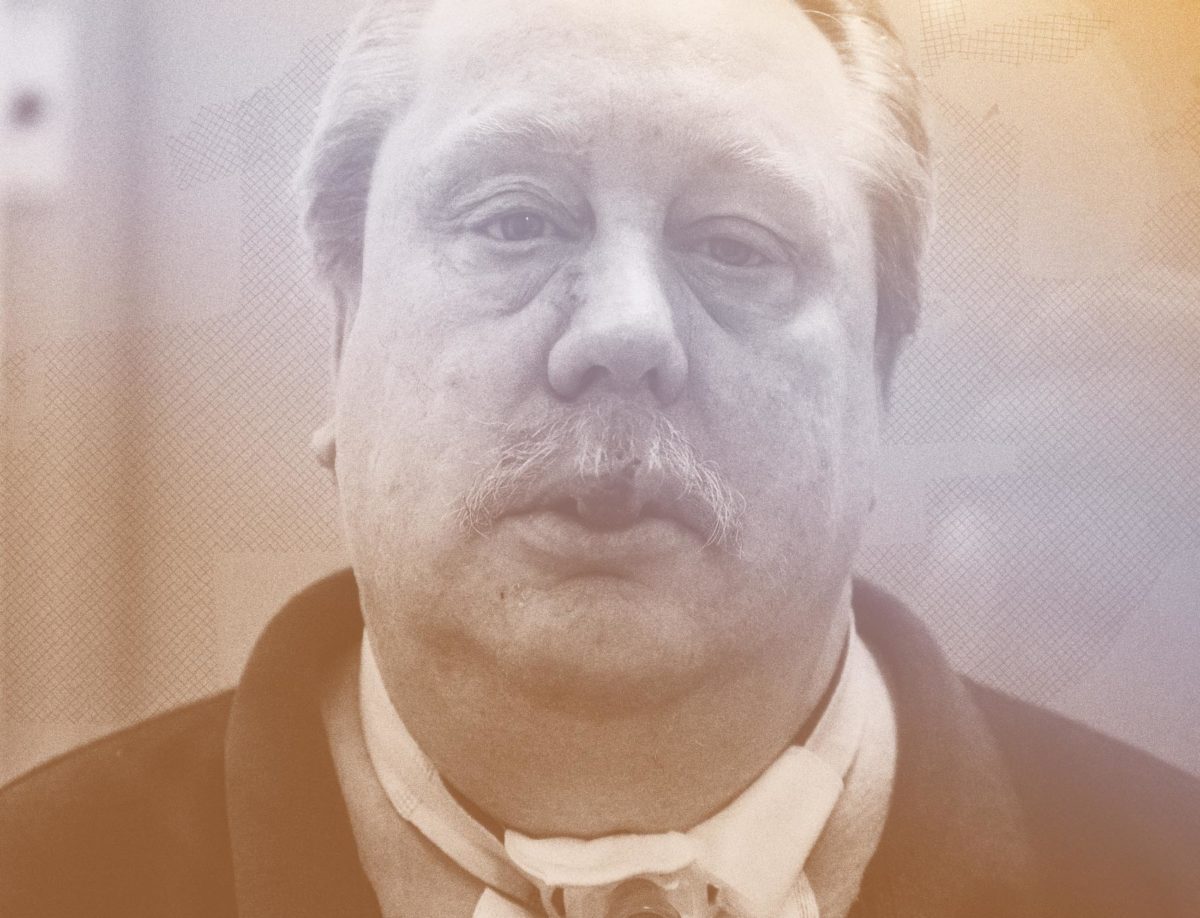
His legal team had pushed for clemency, arguing that Bucklew’s previous attorneys mishandled his capital murder case.
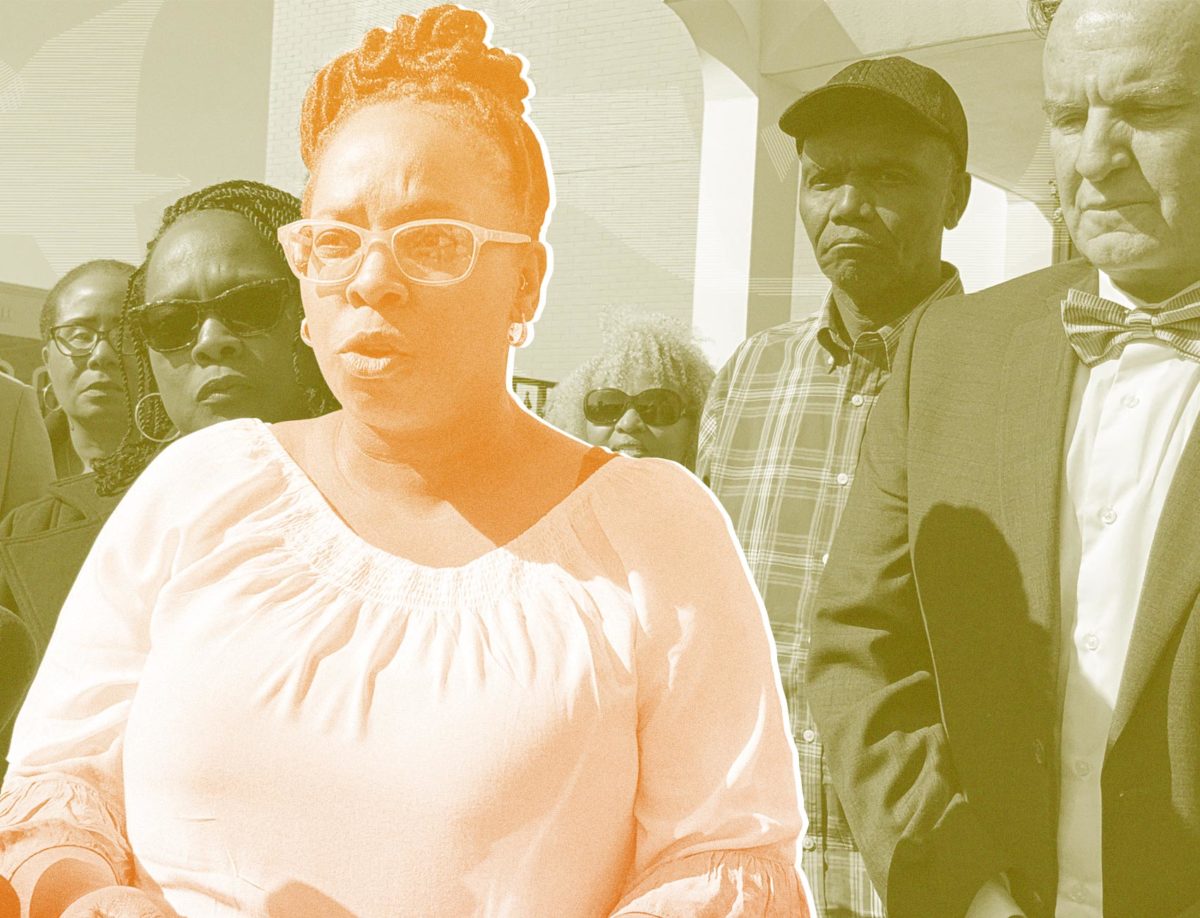
In March, Coley McCraney was arrested and charged with capital murder in the 1999 killings of two teenage girls. But his attorneys say he’s innocent, and are now seeking information related to alleged police involvement in the homicides.
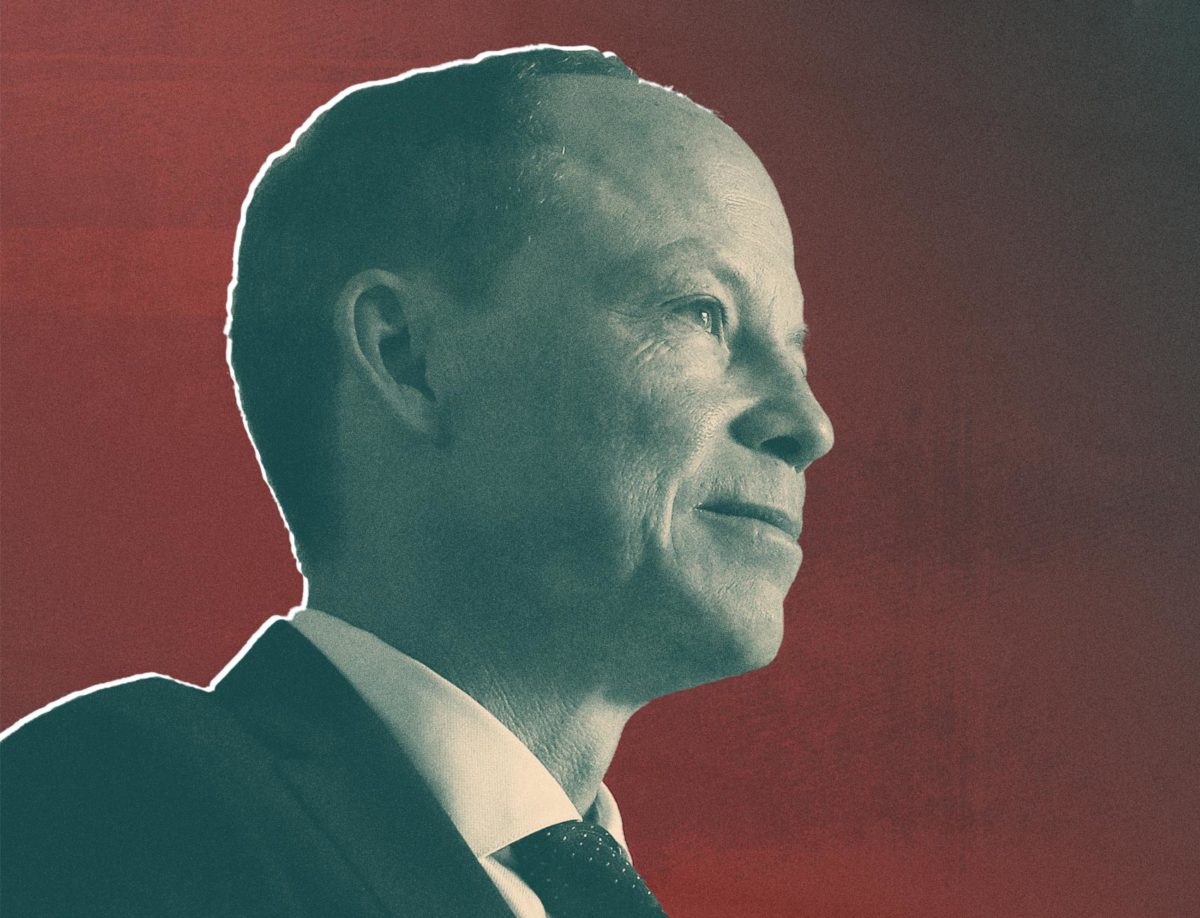
Miller’s victim impact statement was centered in a recent ’60 Minutes’ segment on the Brock Turner case. But such statements do not heal victims, and Miller’s unfavorable comparison of Turner’s sentence to drug offenders only reinforces carceral logic.
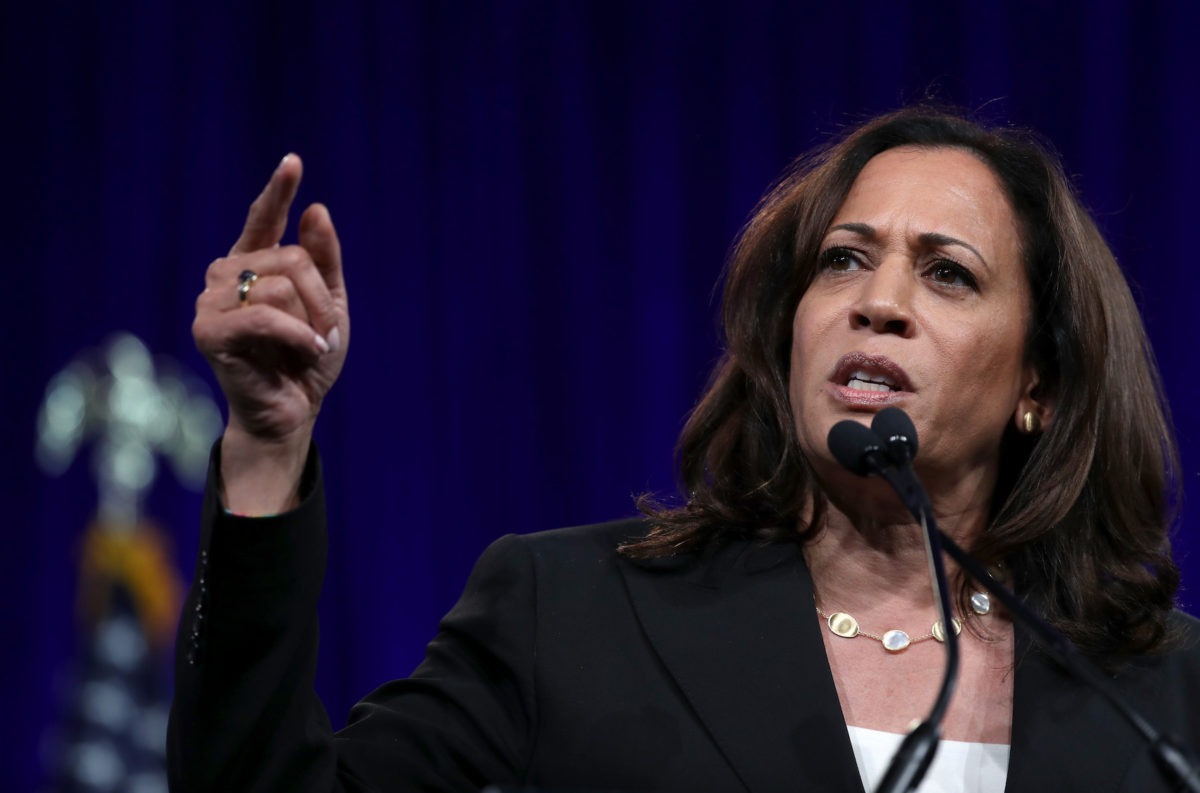
Rather than encouraging more faith in the police, true reform requires dismantling the system that empowers them.
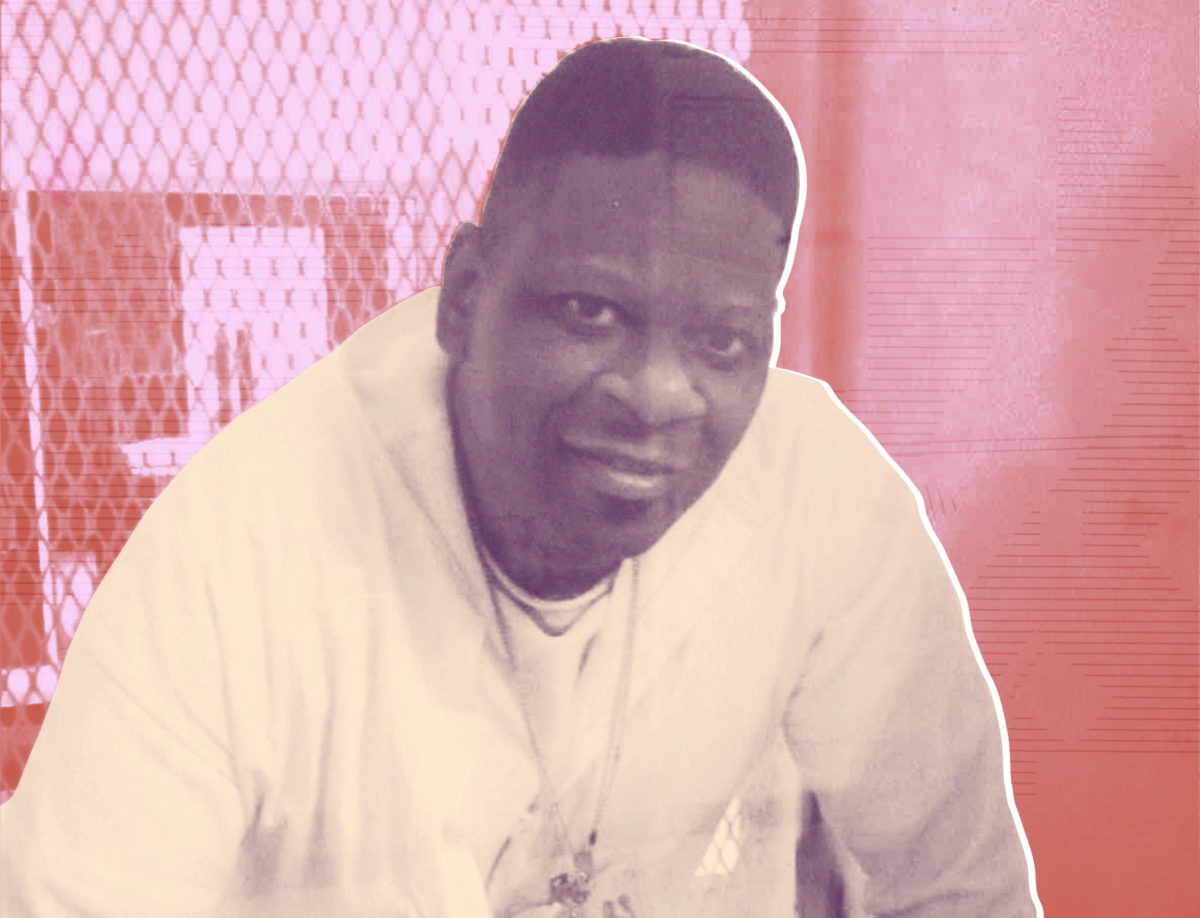
Rodney Reed, set to be executed on Nov. 20, is innocent of a rape and murder, his lawyers say, and untested evidence will prove it. But prosecutors have pushed back, arguing the evidence is contaminated.
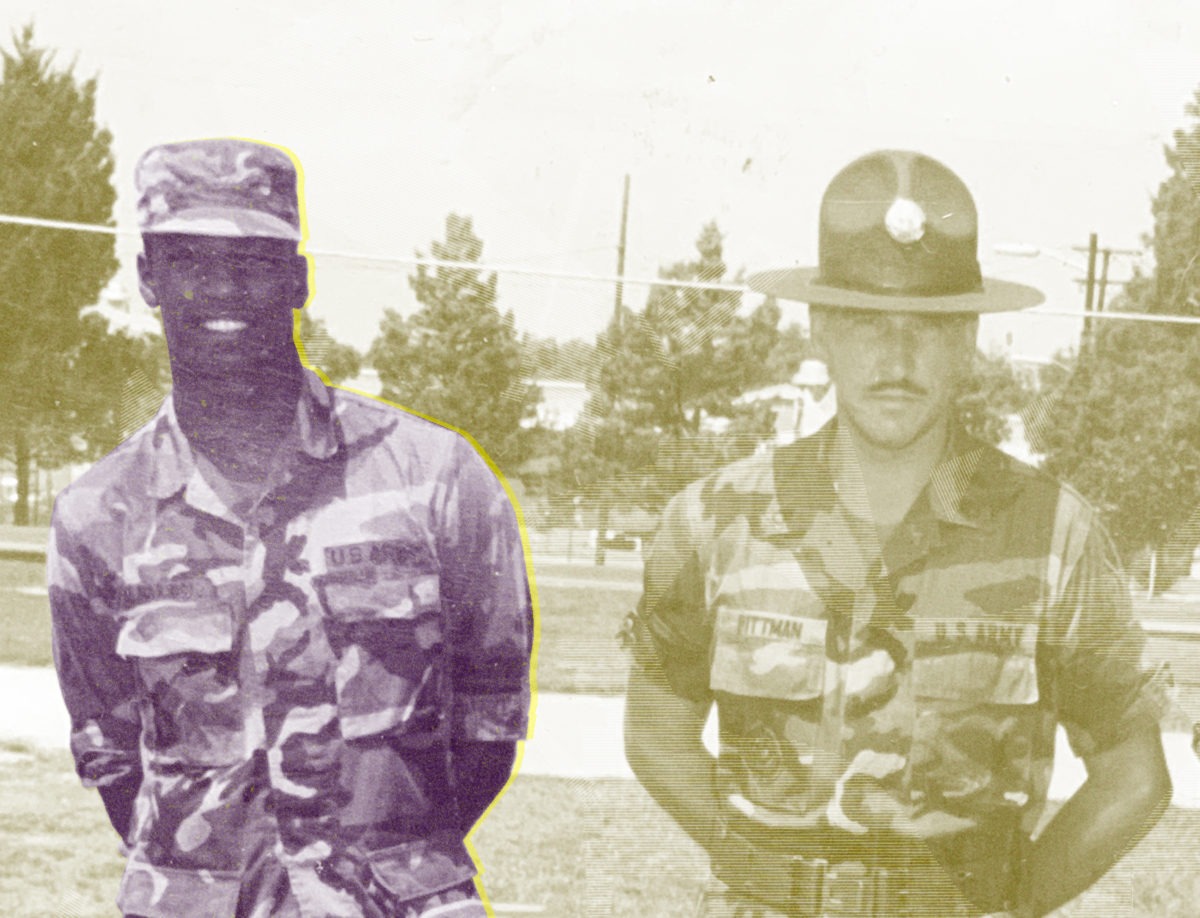
Derek Harris awaits arguments in the state Supreme Court about the sentencing, which one judge called ‘unconscionable.’
Five Lake County, Illinois teenagers no longer face murder charges after the killing of their cousin and friend. But the rule that allowed them to be charged is still on the books.
Informants are highly motivated to lie. But jurors don’t always have the information or skills to discern the truth.

Allegheny County District Attorney Stephen Zappala has gotten into the surveillance game, but advocates say that raises questions about his role.
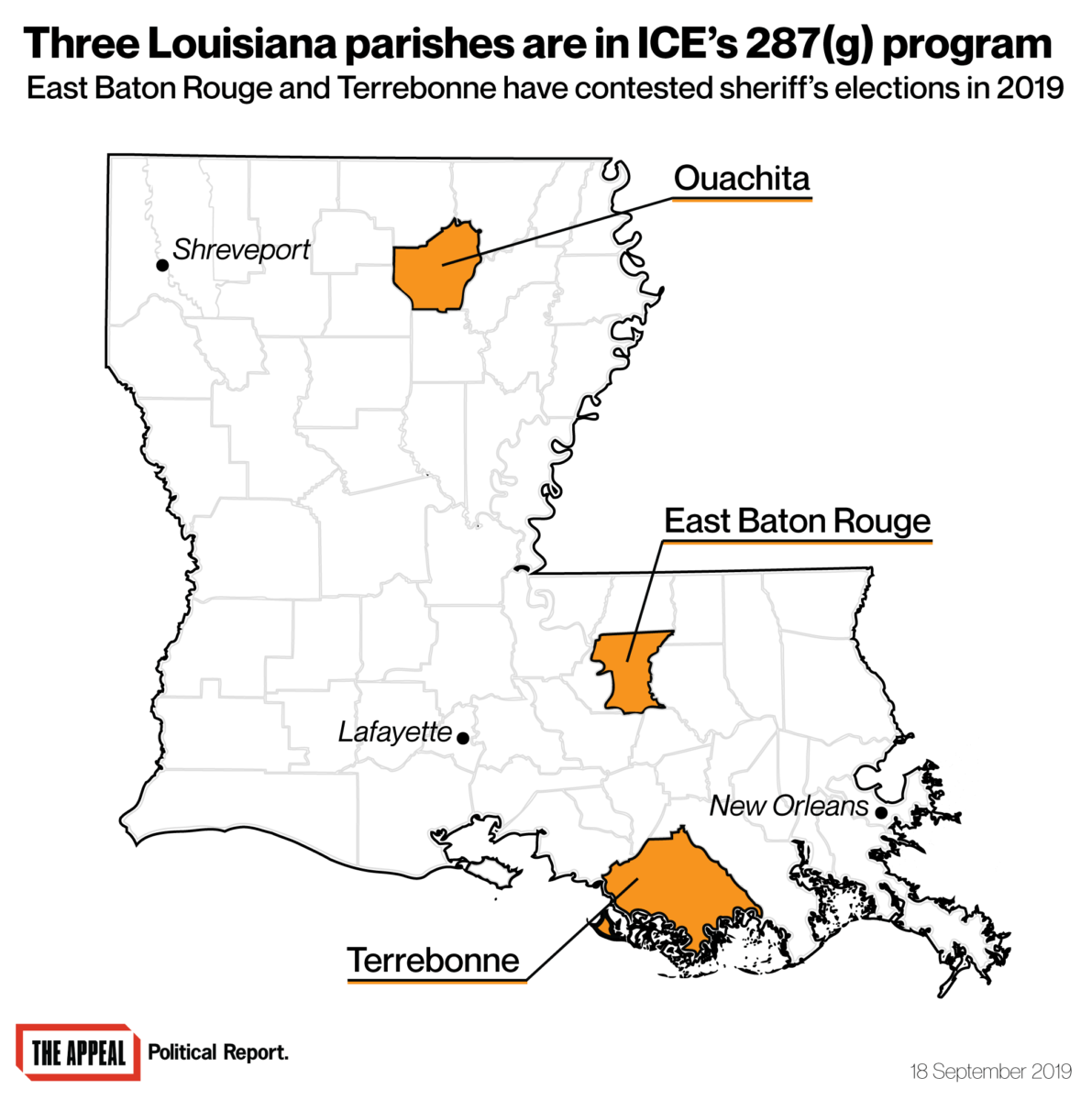
Also today: Cooperation with ICE is at stake in Louisiana’s October elections.
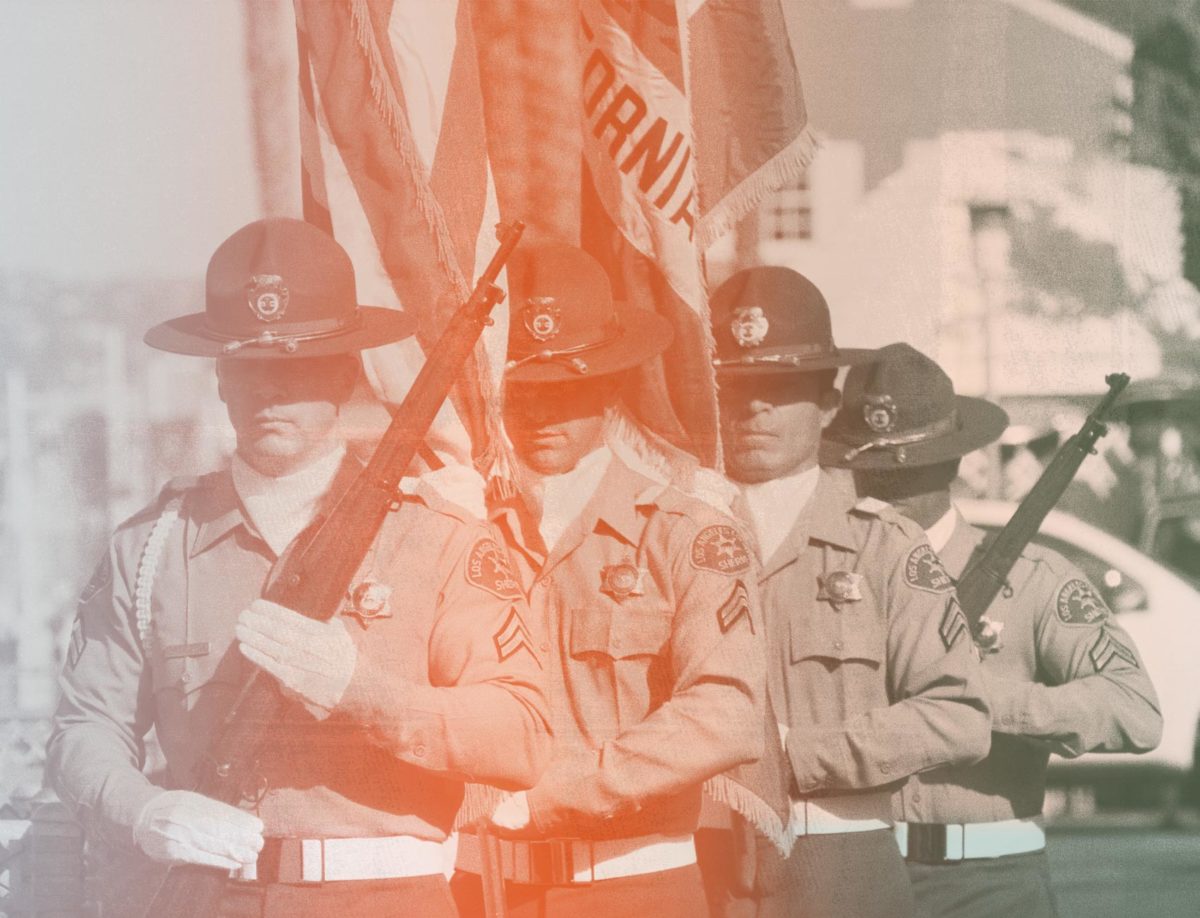
A narrow ruling on Brady lists ensures that protecting the police will continue to prevail over due process.
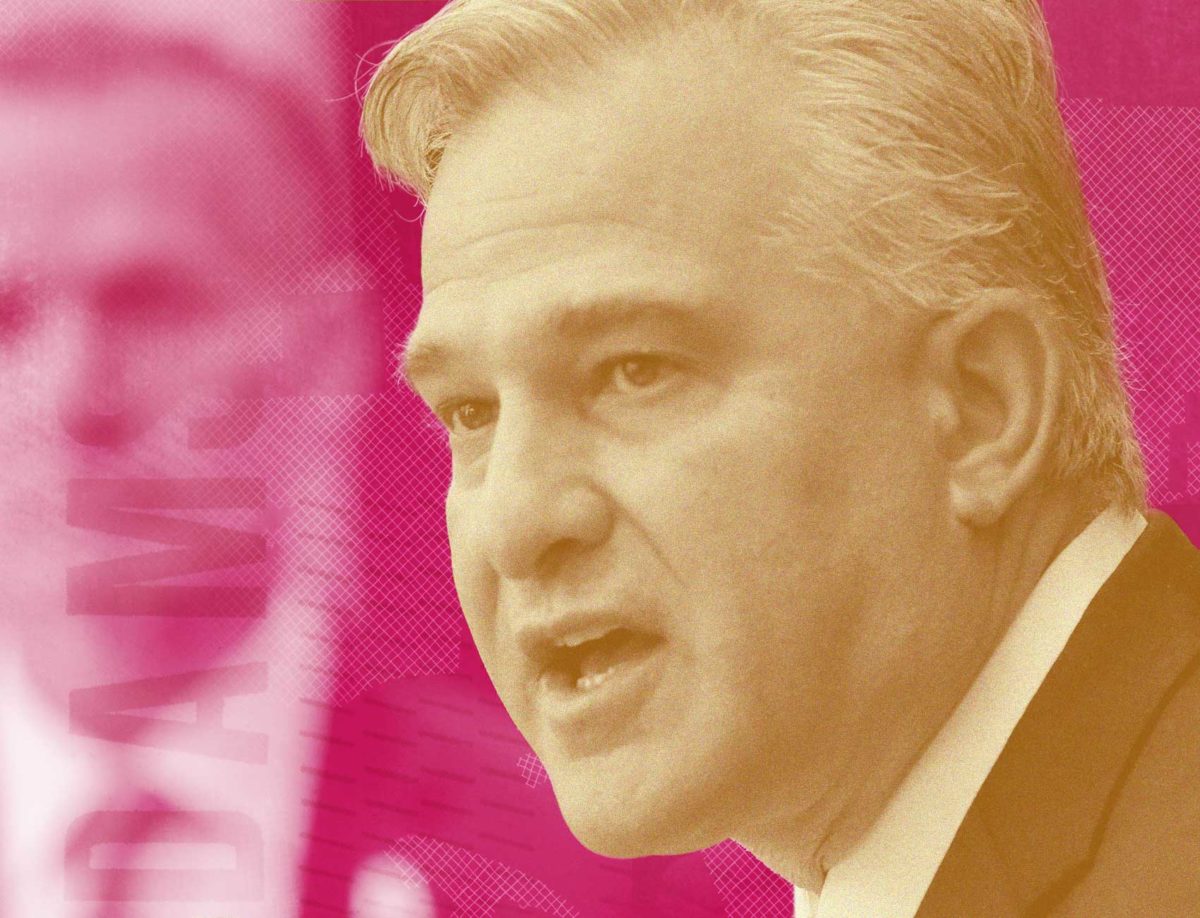
In 2017, Allegheny County District Attorney Stephen Zappala prosecuted more than 1,700 low-level drug possession cases. More than $2 million in court-imposed debt was levied on people who were charged in these cases.
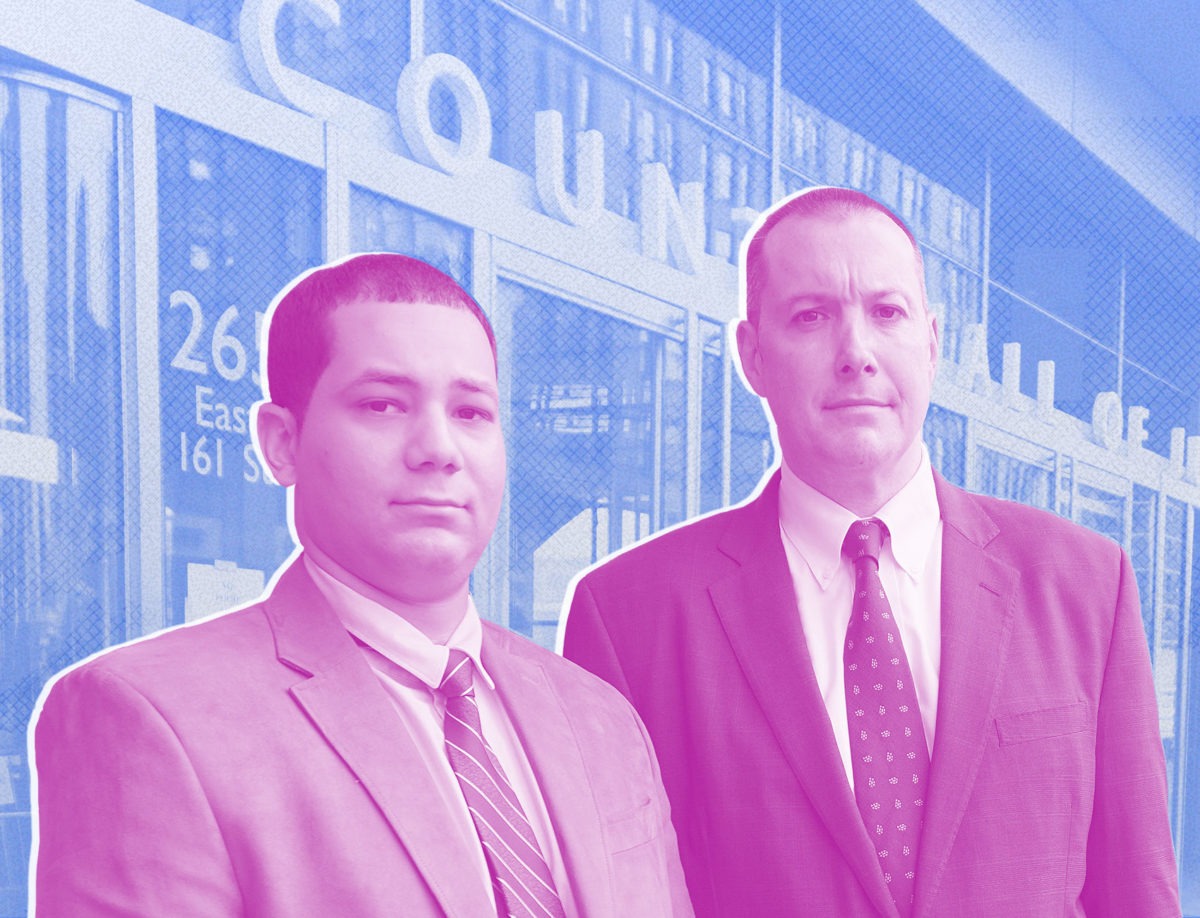
Court records and interviews with former prosecutors show that internal assessments of police dishonesty are rarely memorialized, potentially violating the rights of people charged in criminal cases and sometimes keeping the records of bad cops clean.

Climate activists in Houston are charged under a new law aimed at criminalizing protest
Also today: Michigan advocates push for expungement reform
Henri Lyles is challenging his life sentence under a statute that penalizes people for prior convictions. A favorable decision by the state Supreme Court would mean that he and a dozen people sentenced to life could one day be freed.
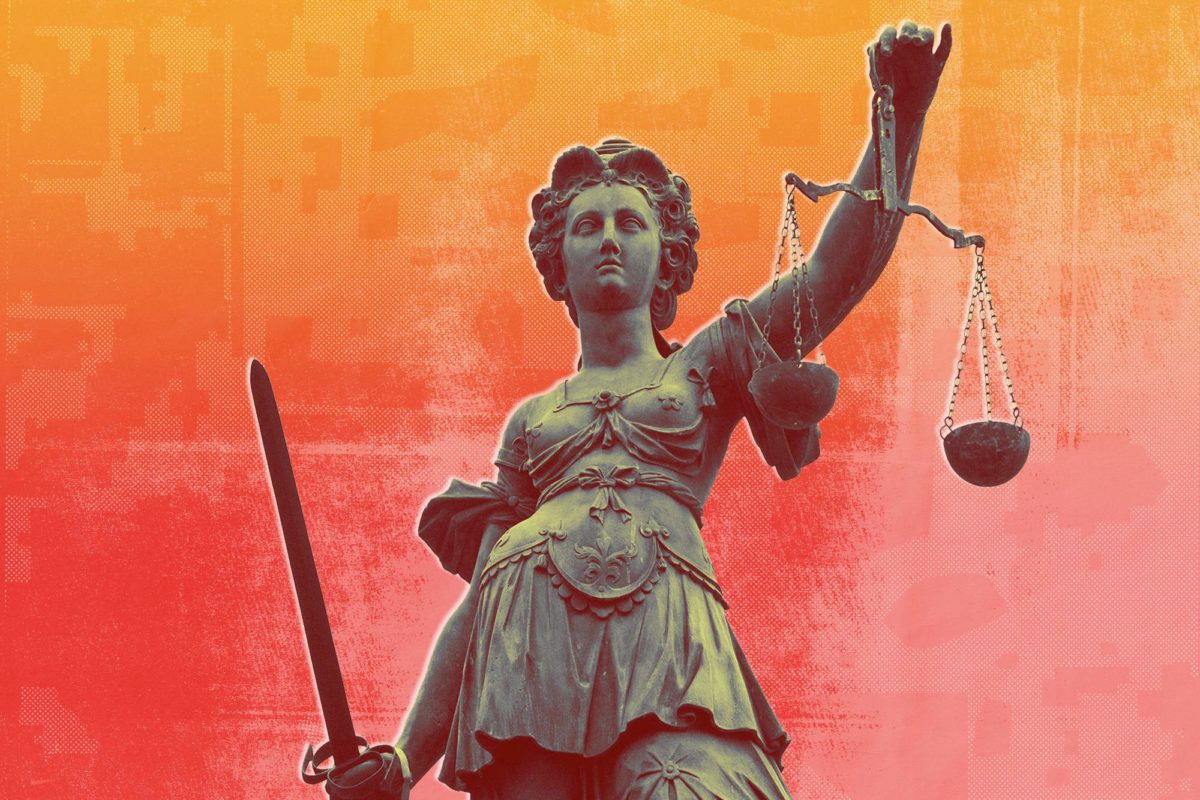
The cost of underfunded indigent defense is borne by defendants whose lawyers may spend as little as a few minutes on a case.
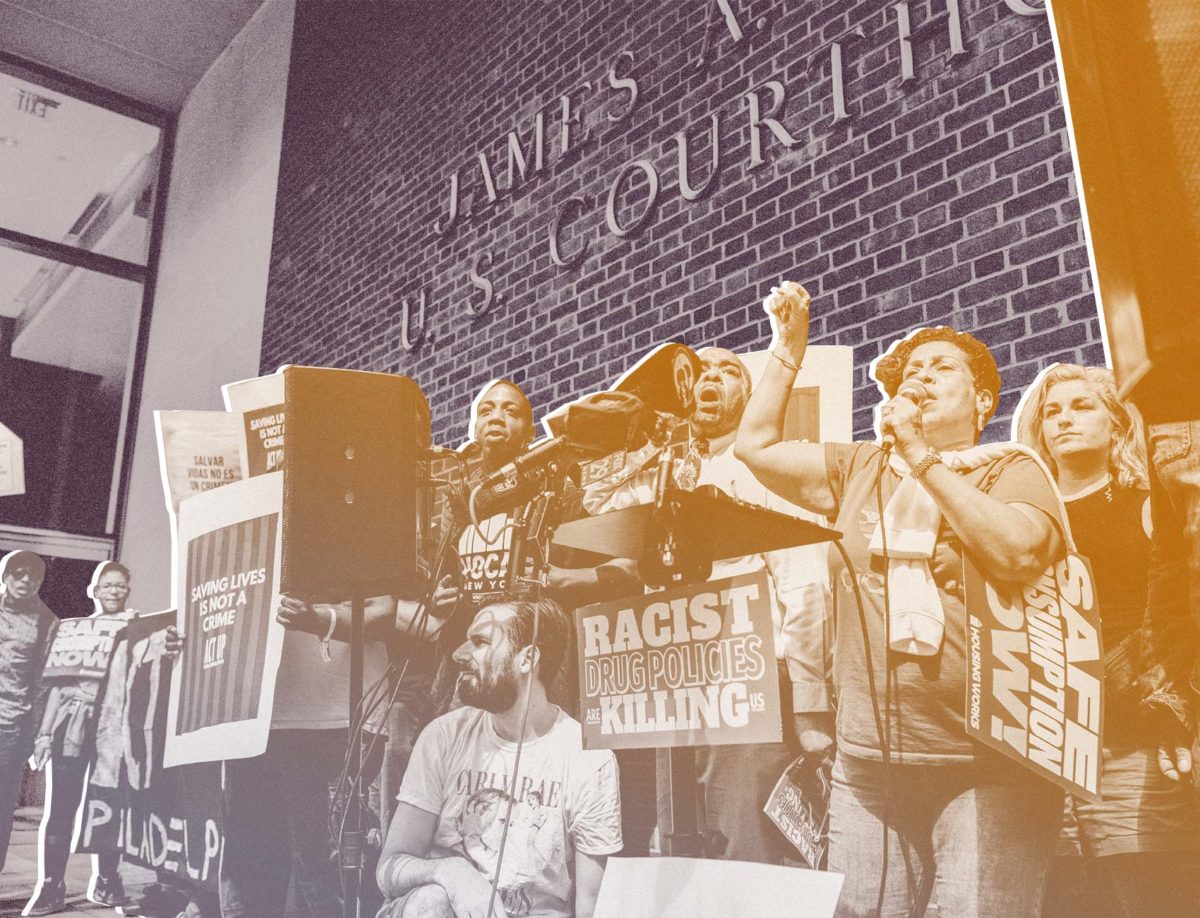
Nearly 20 years ago, Biden urged prosecutors to wield the ‘crack house‘ statute against rave promoters. Now it’s being used to stamp out public health responses to the opioid crisis.
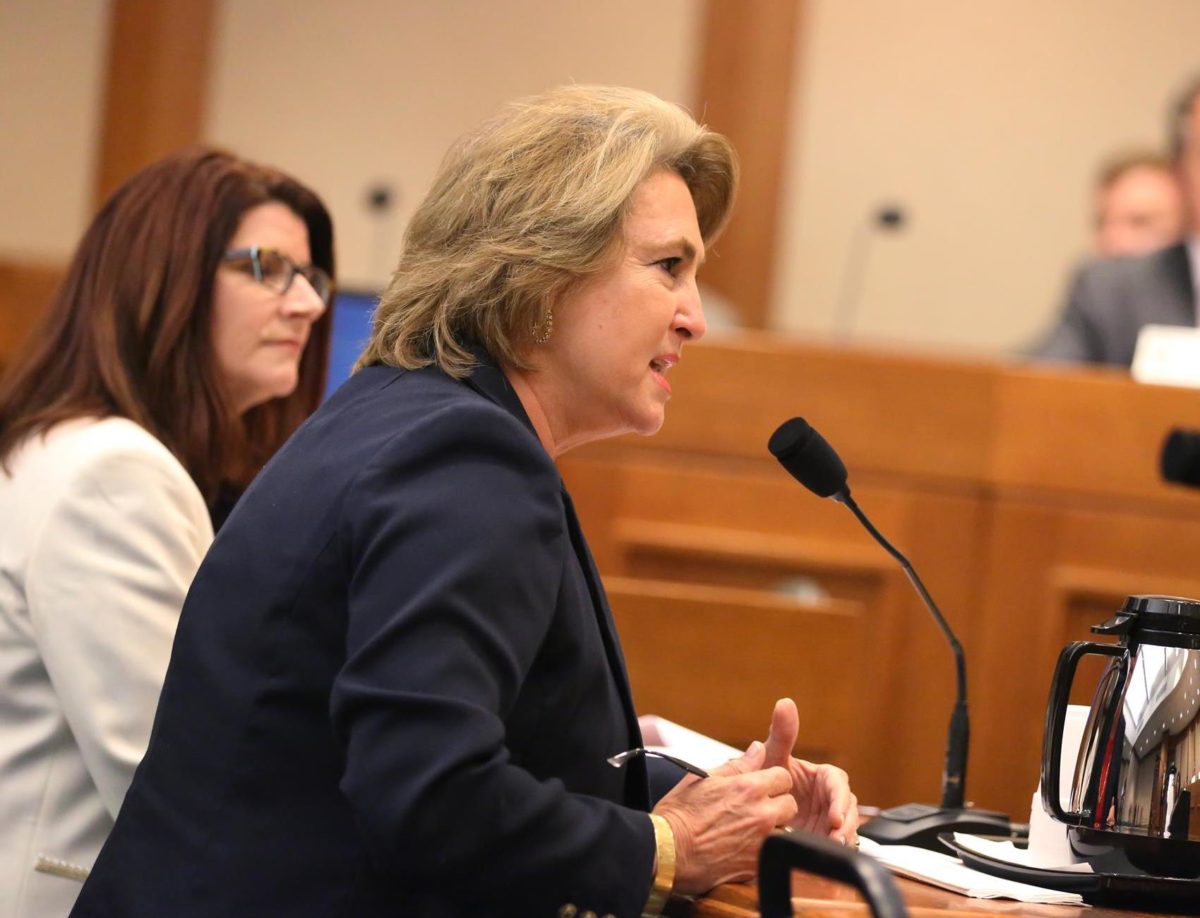
Kim Ogg ran as a reform-minded district attorney candidate, but her office has sought two death warrants for Dexter Johnson, whose lawyer says cannot name everyday objects and has an IQ of 70.

Even in states where use is decriminalized, child welfare systems continue to treat it as a sign of neglectful parenting, particularly among families of color.
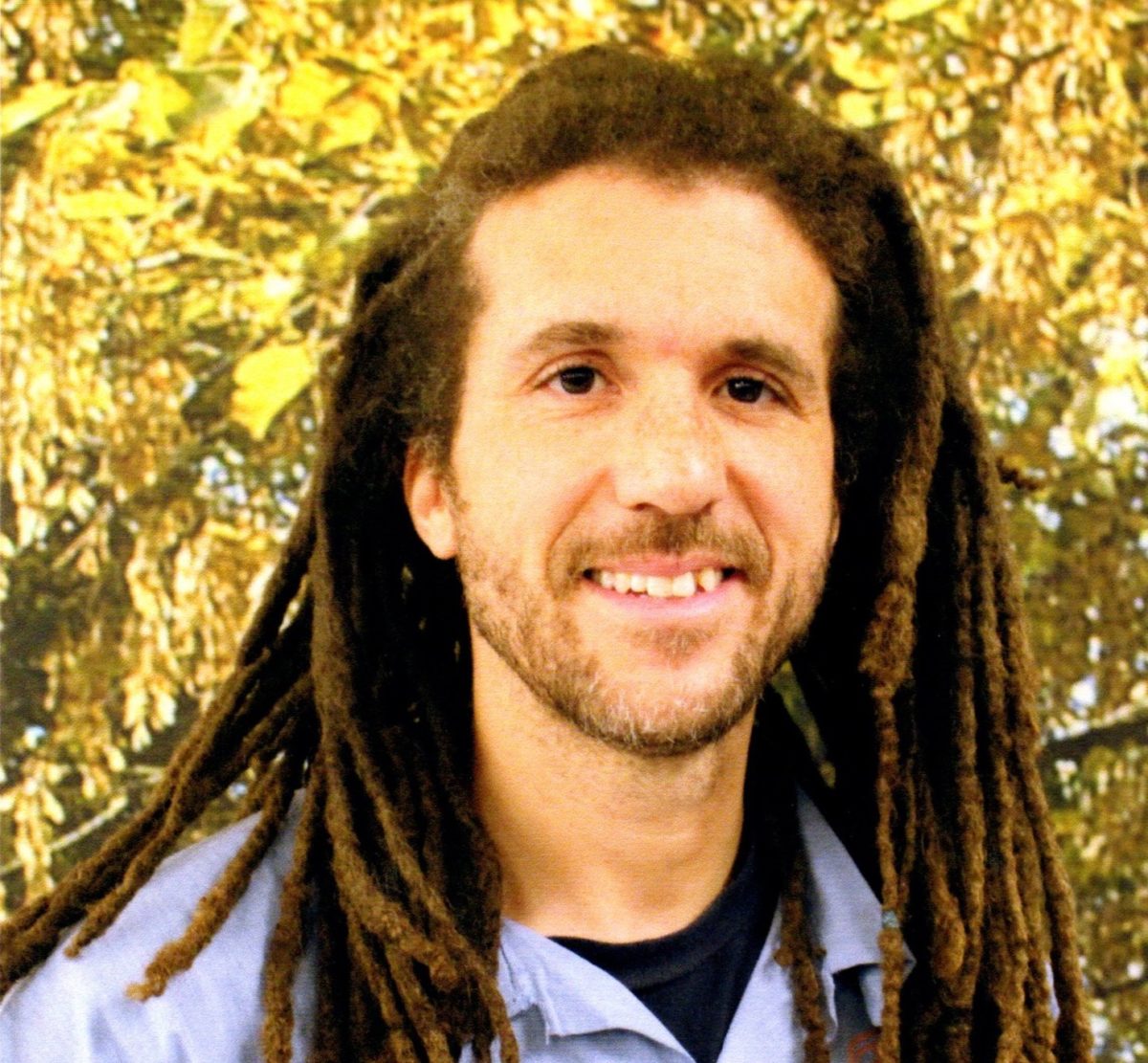
Despite supporting Oregon’s new juvenile justice law, Attorney General Ellen Rosenblum is still fighting to keep people in prison who received life sentences as minors.
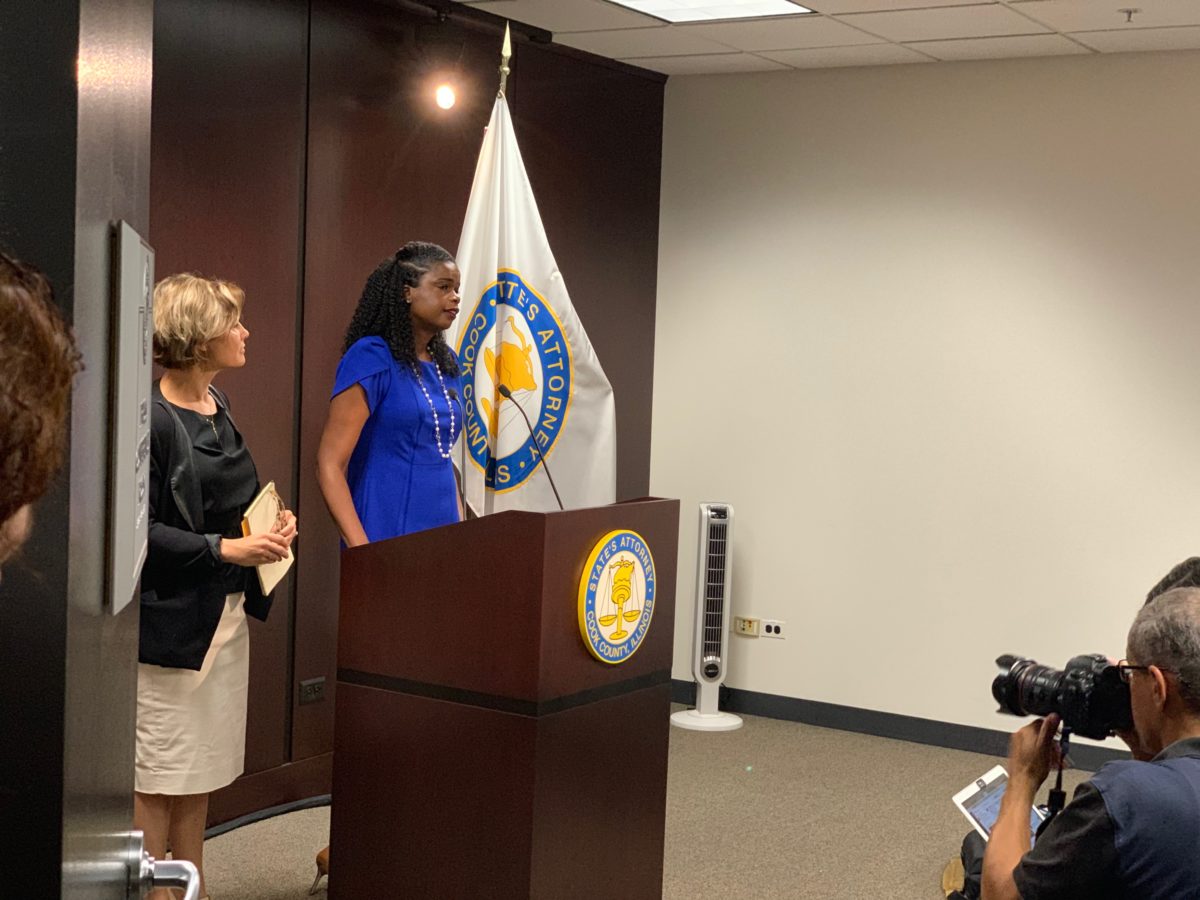
Cook County State’s Attorney Kim Foxx is partnering with a technology nonprofit to expunge tens of thousands of minor marijuana convictions. Other jurisdictions could follow.
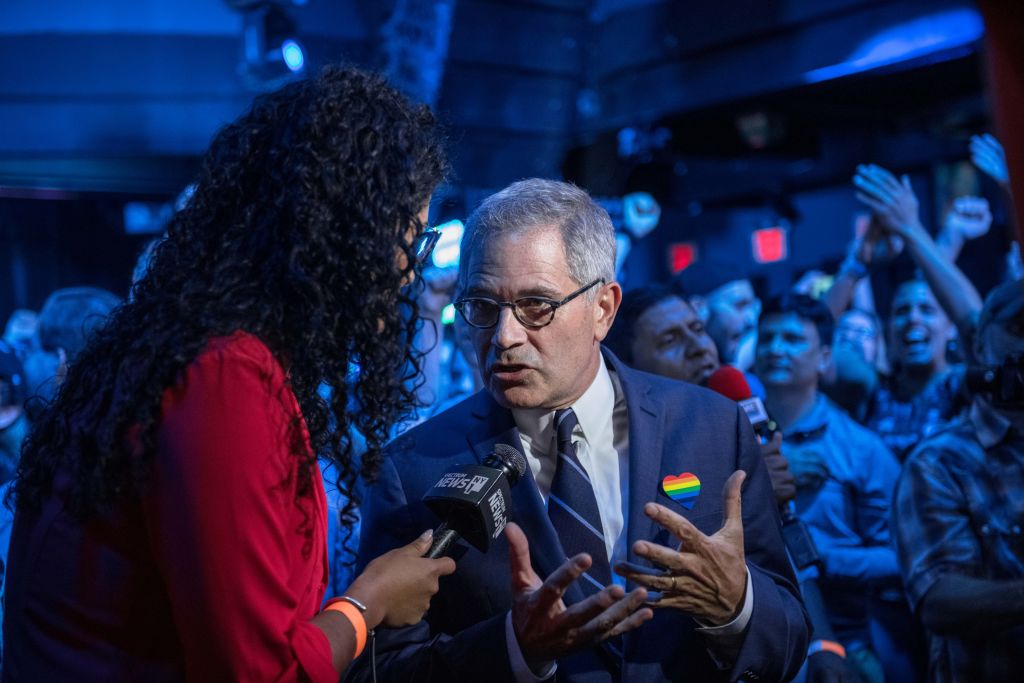
The decline under DA Larry Krasner, who took office in 2018, marks a significant change in juvenile justice in Pennsylvania.
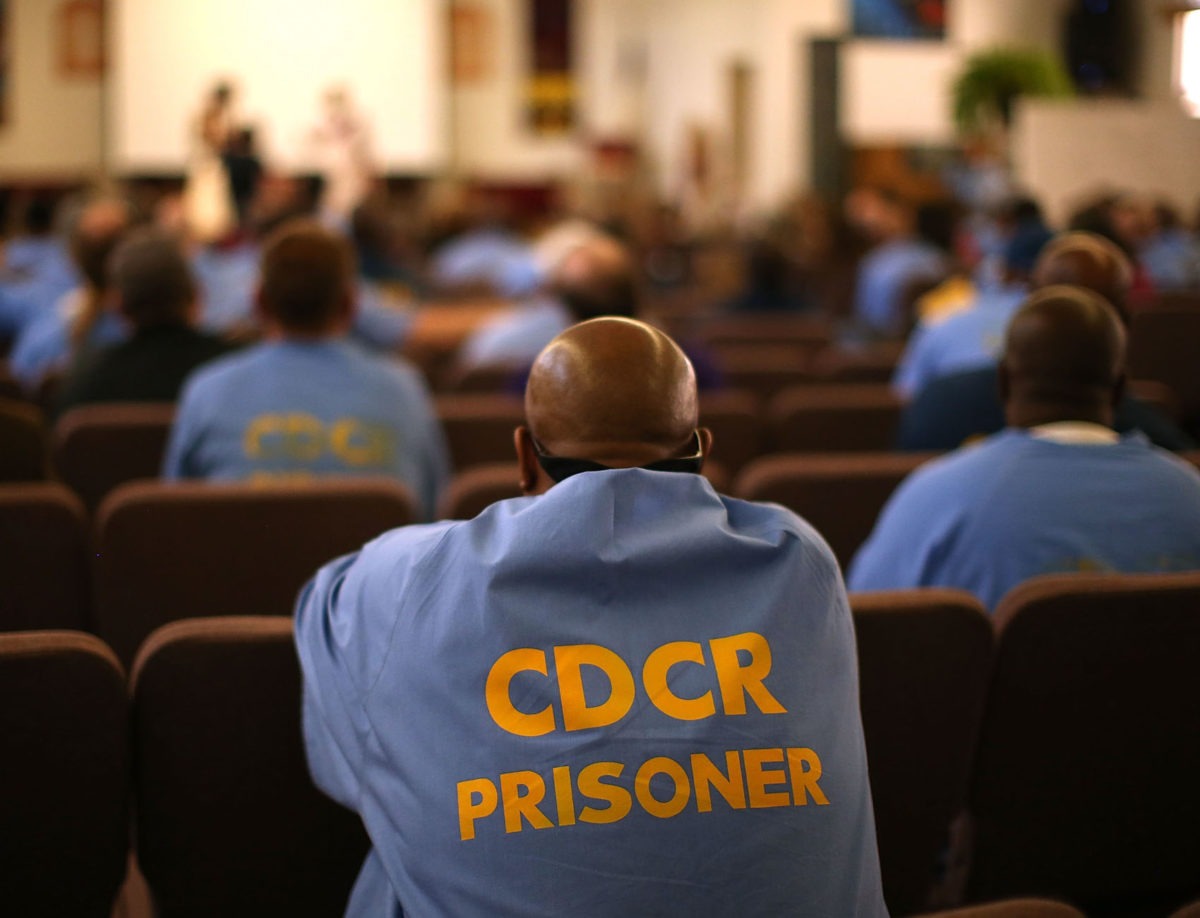
Our response to crime should focus on healing and accountability, not punishment and retribution.
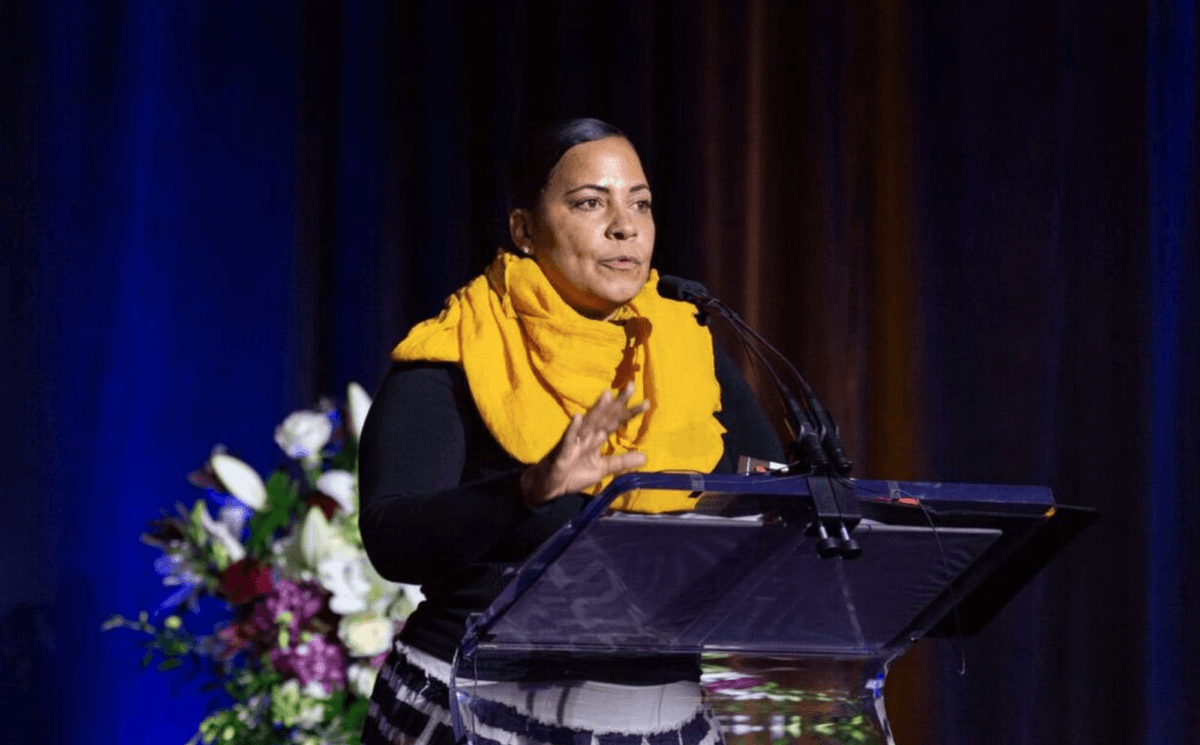
Law enforcement’s old guard claims that policing low-level crime protects communities. That’s not just wrong; it’s dangerous.
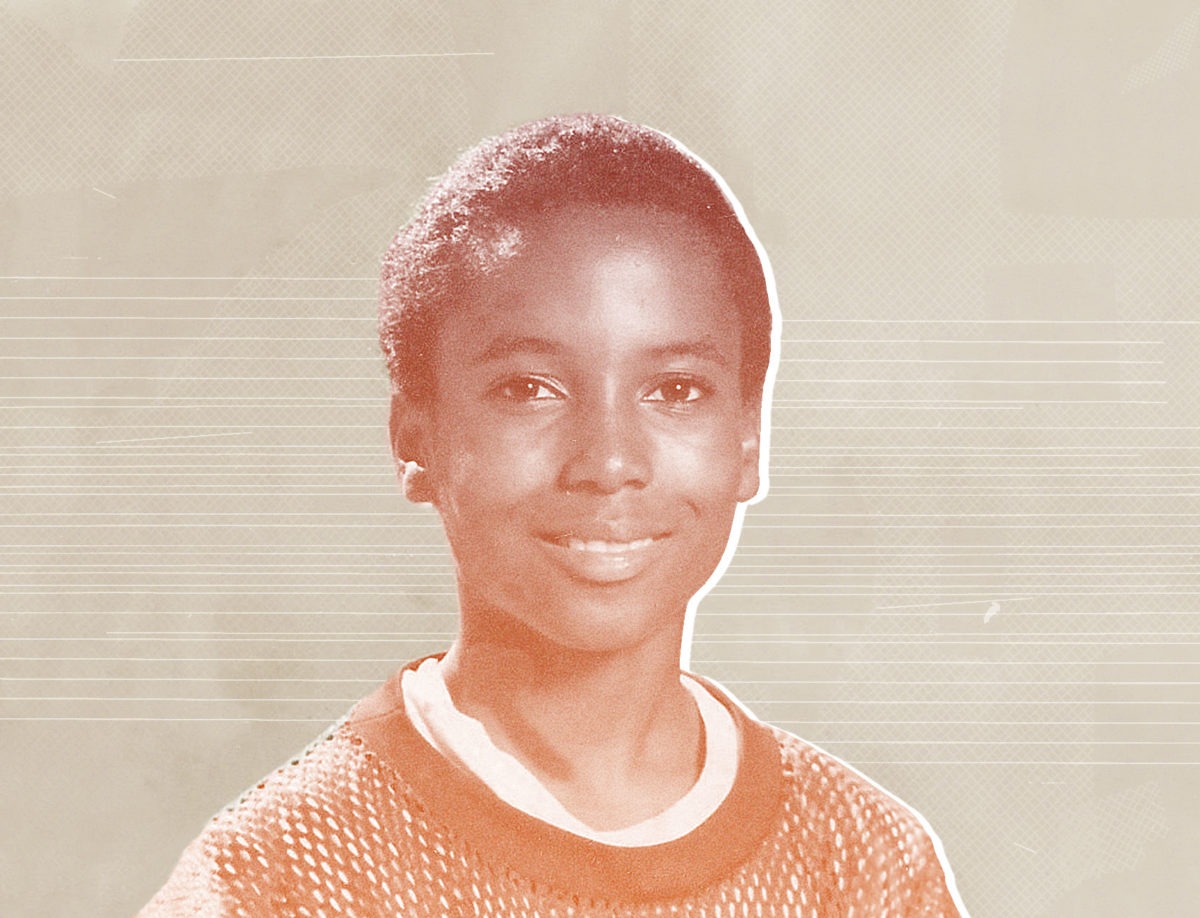
At 16, Larry Rosser was imprisoned for killing a woman who sexually and physically abused him. He served 22 years in the California prison system before being released in 2017, after parole commissioners became convinced he was a rehabilitated victim.