Breaking the False Victim-Perpetrator Binary on Gun Violence
We cannot punish our way out of gun violence. Instead, we must invest in dismantling the structures that allow this violence to thrive.

We cannot punish our way out of gun violence. Instead, we must invest in dismantling the structures that allow this violence to thrive.

Gavin Newsom’s “California Model” of prison reform isn’t the step away from mass incarceration that it purports to be.
Incarcerated people need opportunities to learn and grow.
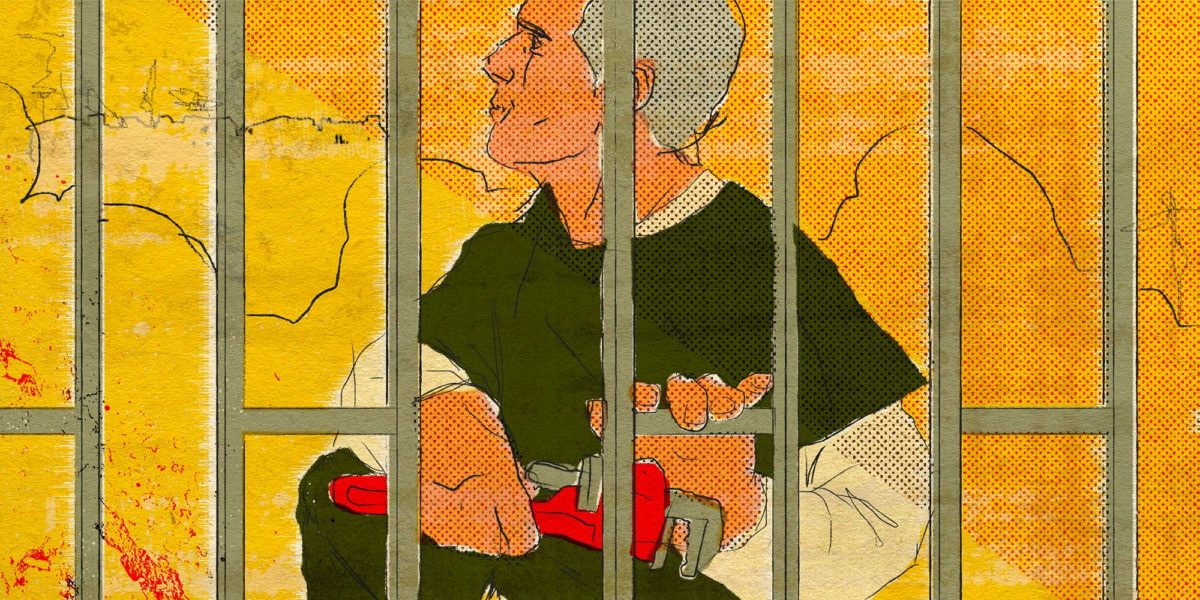
Truitt Watts, who is serving a sentence of life in prison with the possibility of parole at Oregon State Correctional Institution, describes the programs that helped him recover from addiction and address his past.
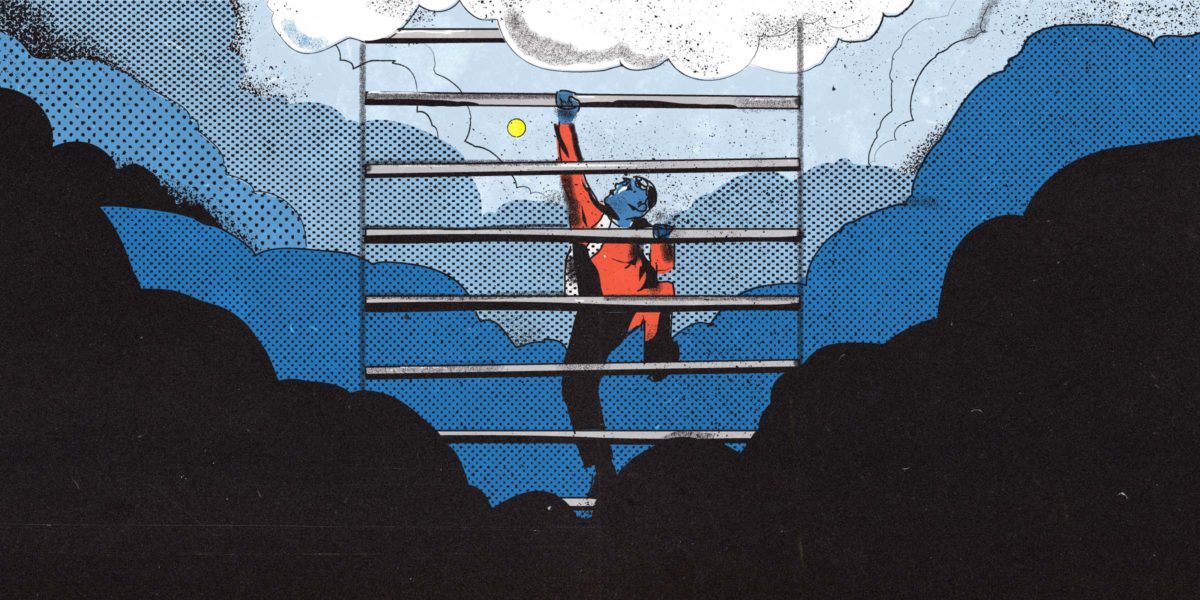
Cayce French, who is serving life in prison at the Oregon State Correctional Institution, describes how getting clean and participating in rehabilitation programs has transformed his identity.

In this bonus episode, Josie Duffy Rice and her co-host Derecka Purnell talk to Lynn Novick and Sarah Botstein, the creators of College Behind Bars.
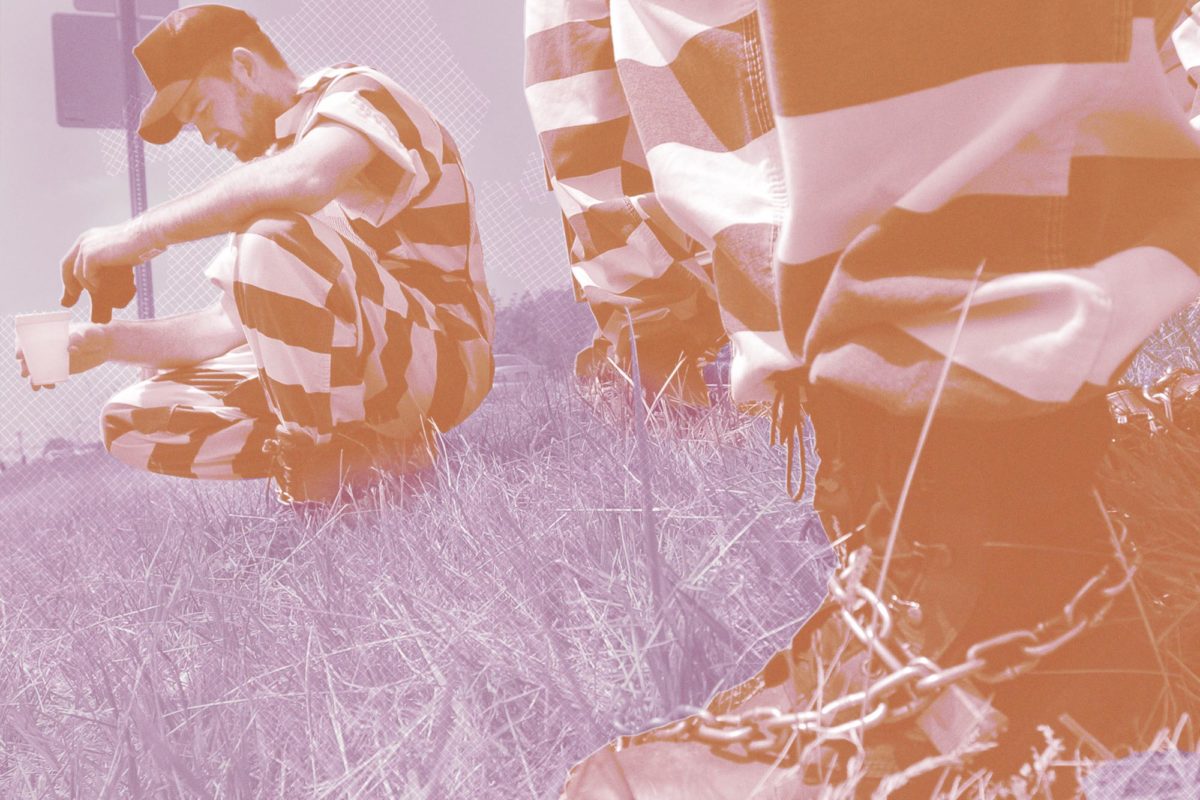
Despite risks to incarcerated people and the public, Florida is sending prisoners to perform hard labor.

Alternative approaches to rehabilitation and healing still face resistance, even though the criminal legal system’s reliance on punishment has done little to move the needle on addressing sexual violence.
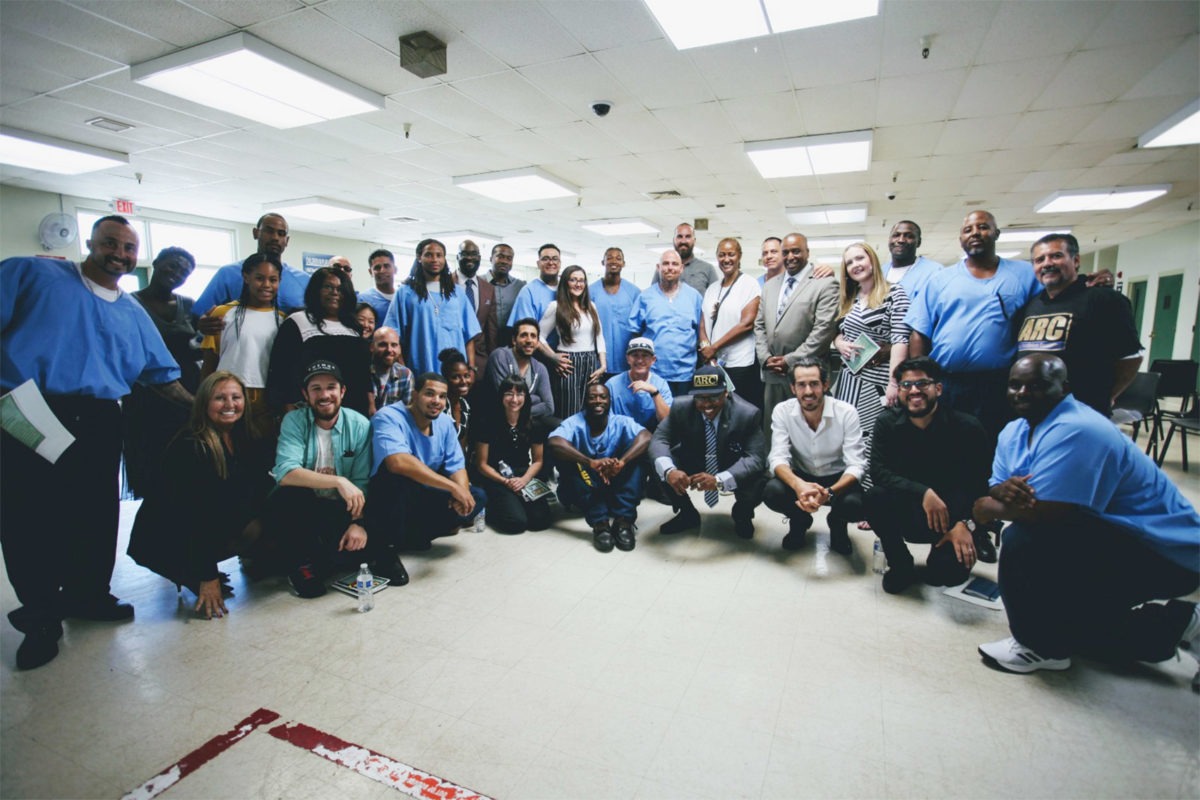
In California, a prison program run by people once sentenced to life shows how even the most serious offenders are more than the worst things they’ve done.

As the presidential election approaches, reformers should focus on the Prison Litigation Reform Act, which restricts the ability of incarcerated people to protest their conditions of confinement.

A statewide pattern of discrimination in jury selection has gone largely uncorrected, while lives remain in the balance, advocates say.

The 2020 presidential candidates recently unveiled national criminal justice agendas that reimagine public safety and punishment.

The New York Times’s coverage of the one-off case of a 77-year-old man omits key facts about how older adults are treated by our punitive legal system.
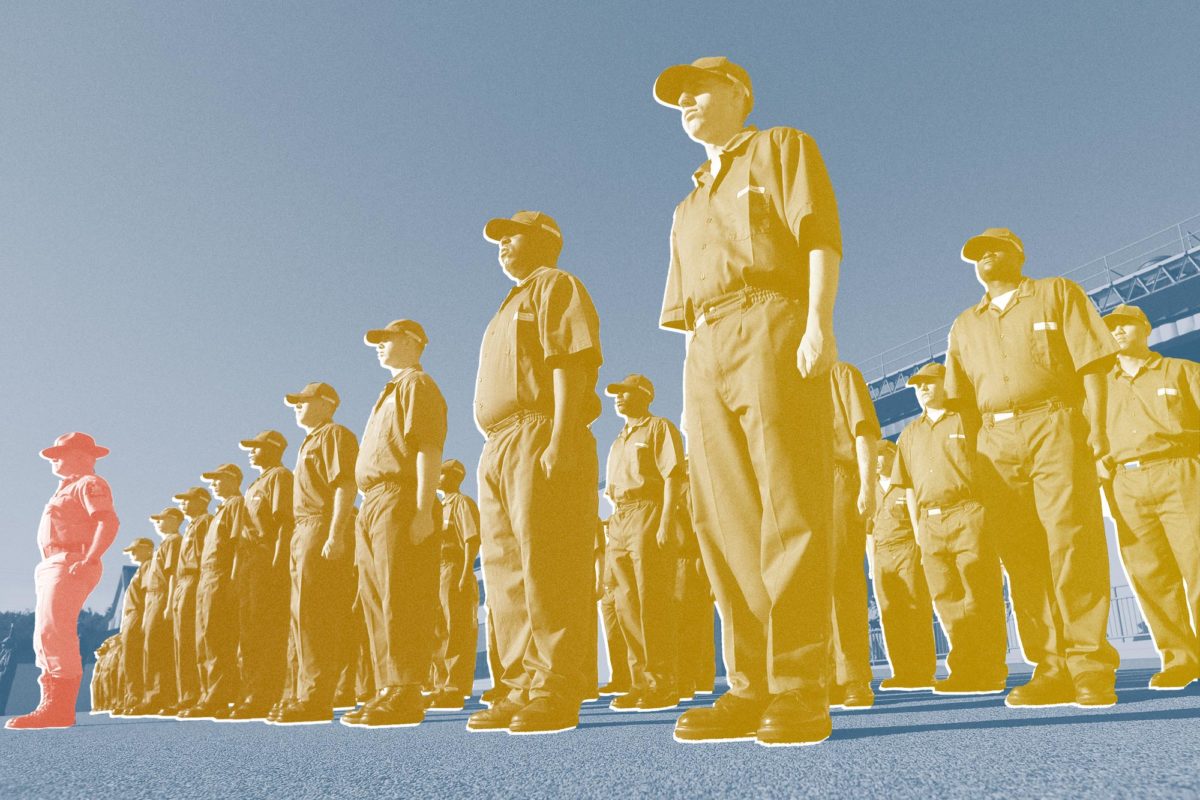
Prisoners can shave time off their sentences by participating in shock incarceration programs. More than a dozen former shock prisoners say that comes at a steep cost.
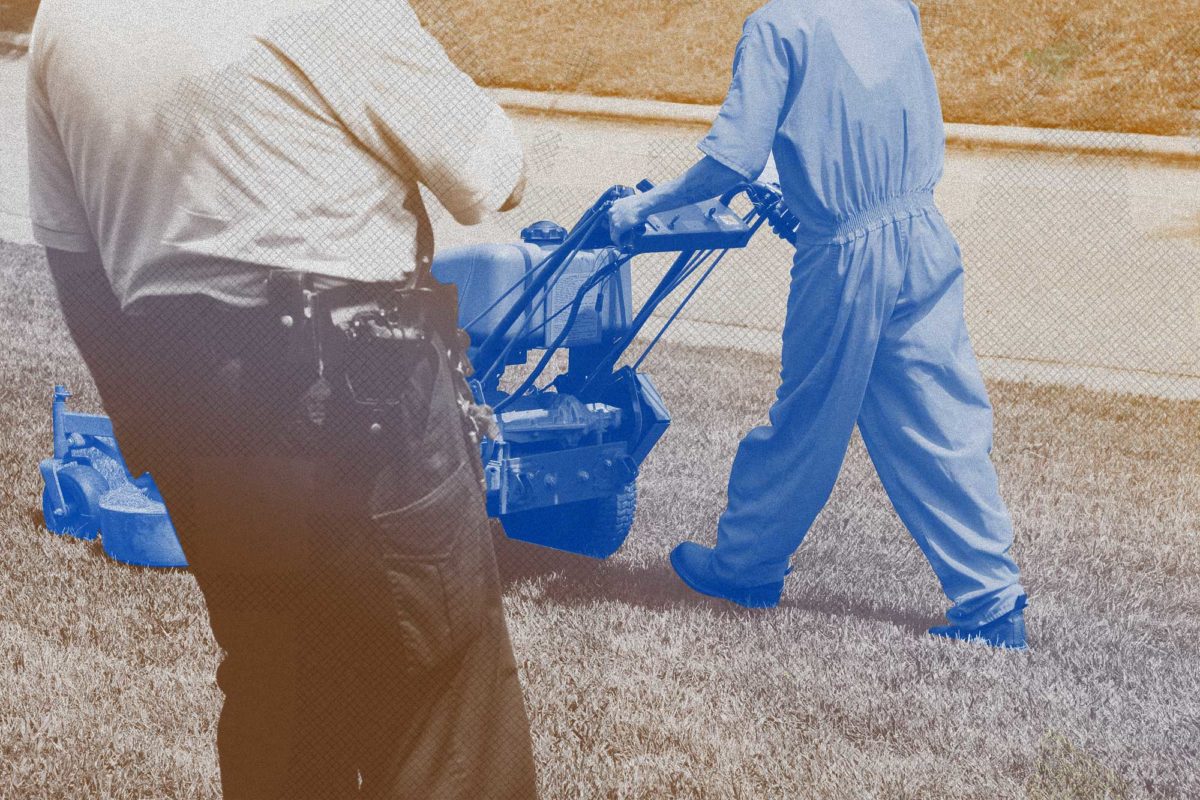
The Bureau of Prisons’ South Central regional director utilized incarcerated people from a Texas prison to work on a landscaping project at his church.
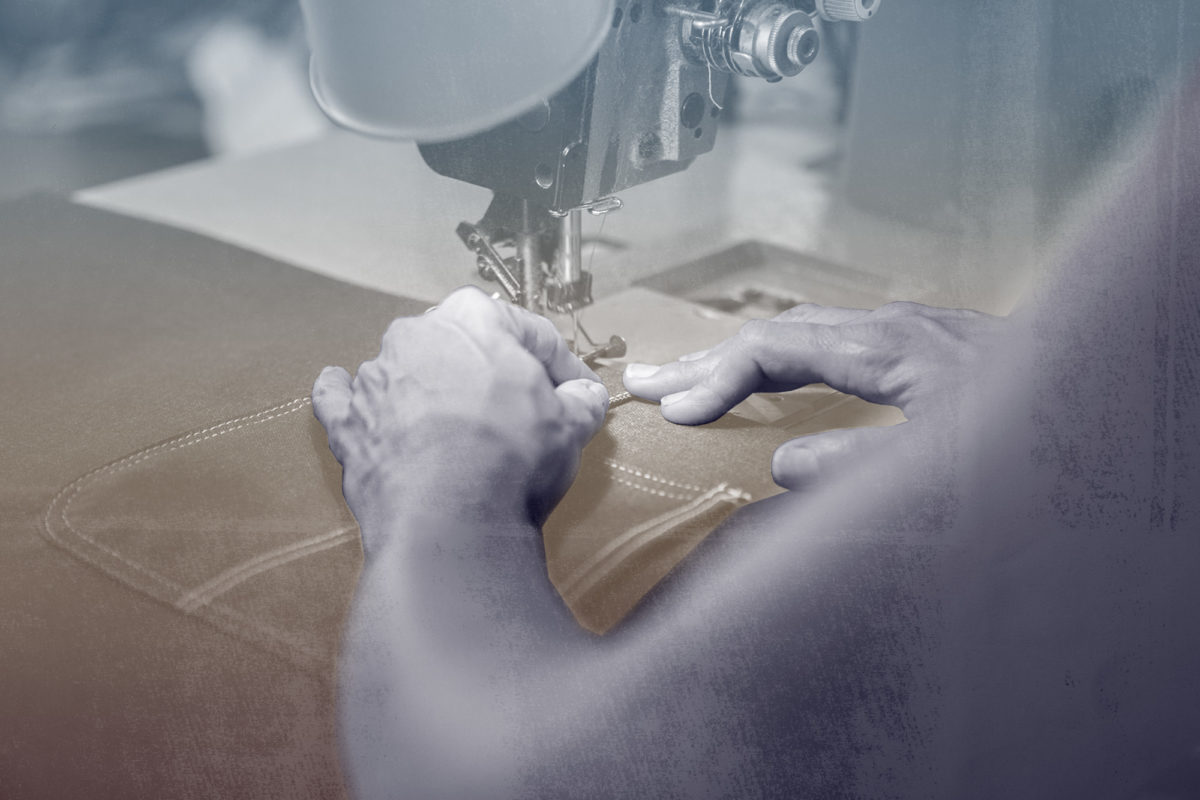
One commissioner wants the state Department of Corrections to show proof that his county isn’t just using prisoners as ‘slaves.’
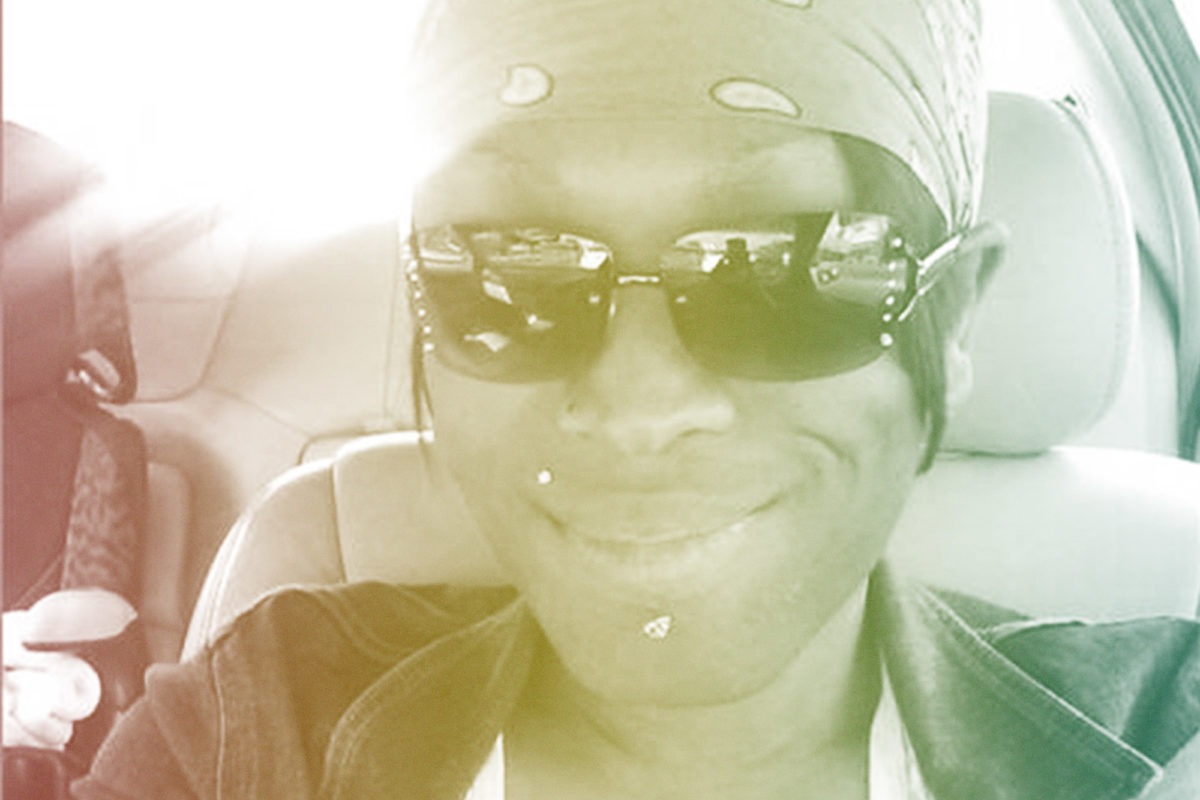
As Kamala Harris begins her presidential run, her move to block gender affirming surgery for an incarcerated transgender woman deserves scrutiny, especially as new cases highlighting the struggle for the rights of imprisoned trans women emerge.

Dozens of former detainees at the Gwinnett County jail in Georgia claim they were subjected to brutality at the hands of its Rapid Response Team.

In the wake of Nia Wilson’s murder, it’s critical that calls for justice in response to anti-Black violence are not contingent upon appeals to white-approved notions of innocence and respectability.

But after a spree of commutations, the governor recently put down his clemency pen amid tough-on-crime fear mongering.
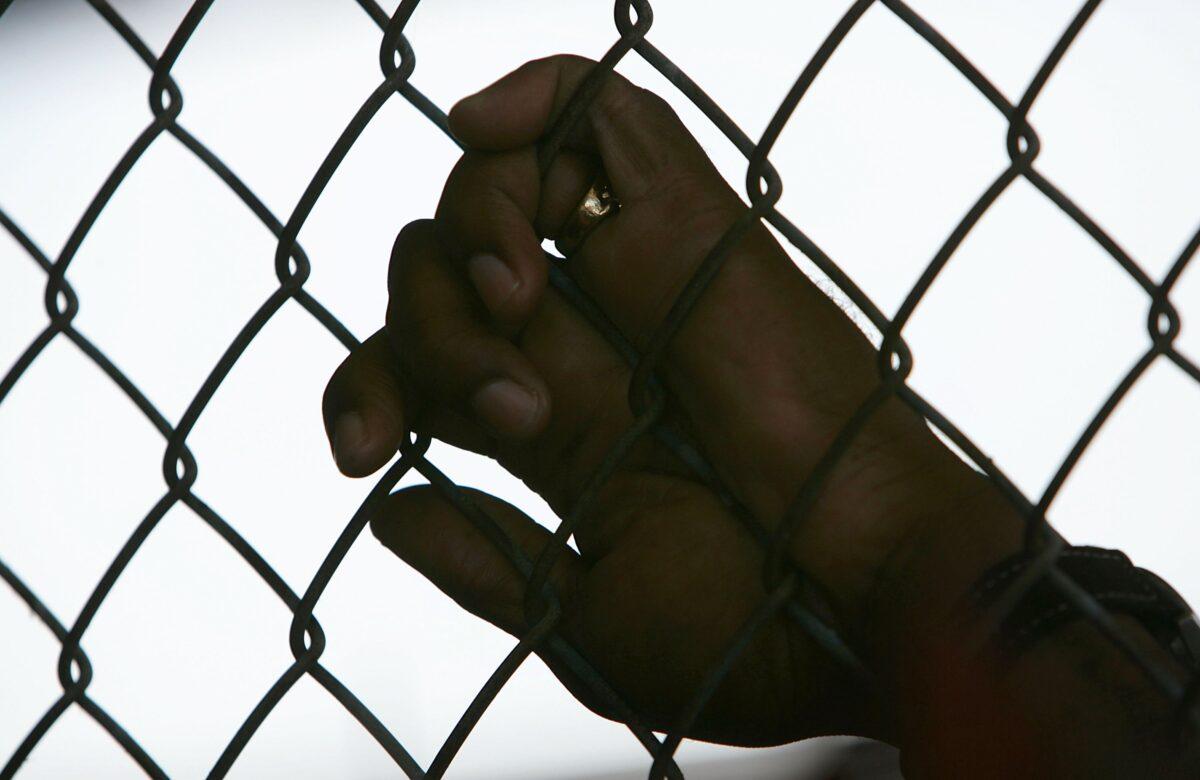
People incarcerated at Angola want opportunities for education instead of hard labor in the fields.
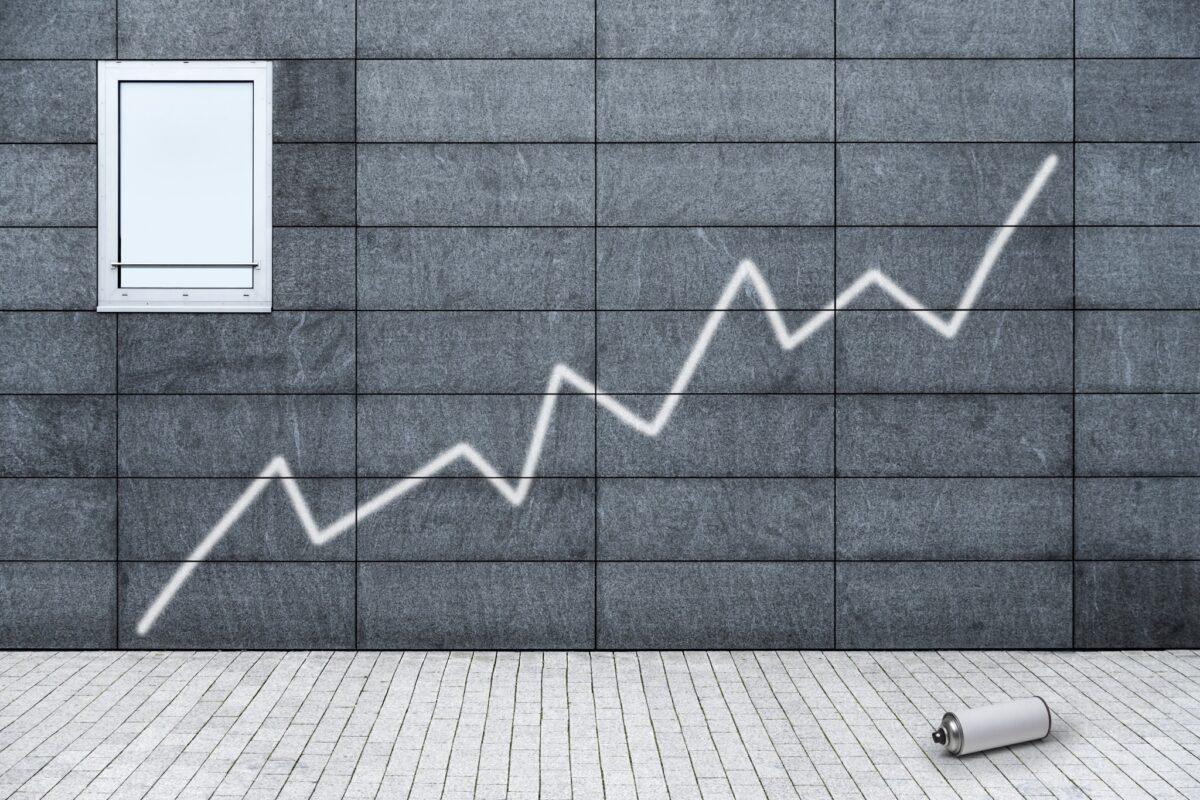
In September 2017, newspapers across the country ran headlines of a similar theme: According to data from the FBI’s Uniform Crime Reports, the agency’s official report on criminal behavior nationwide, crime — or at least violent crime — had risen for the second year in a row. That’s not entirely true.
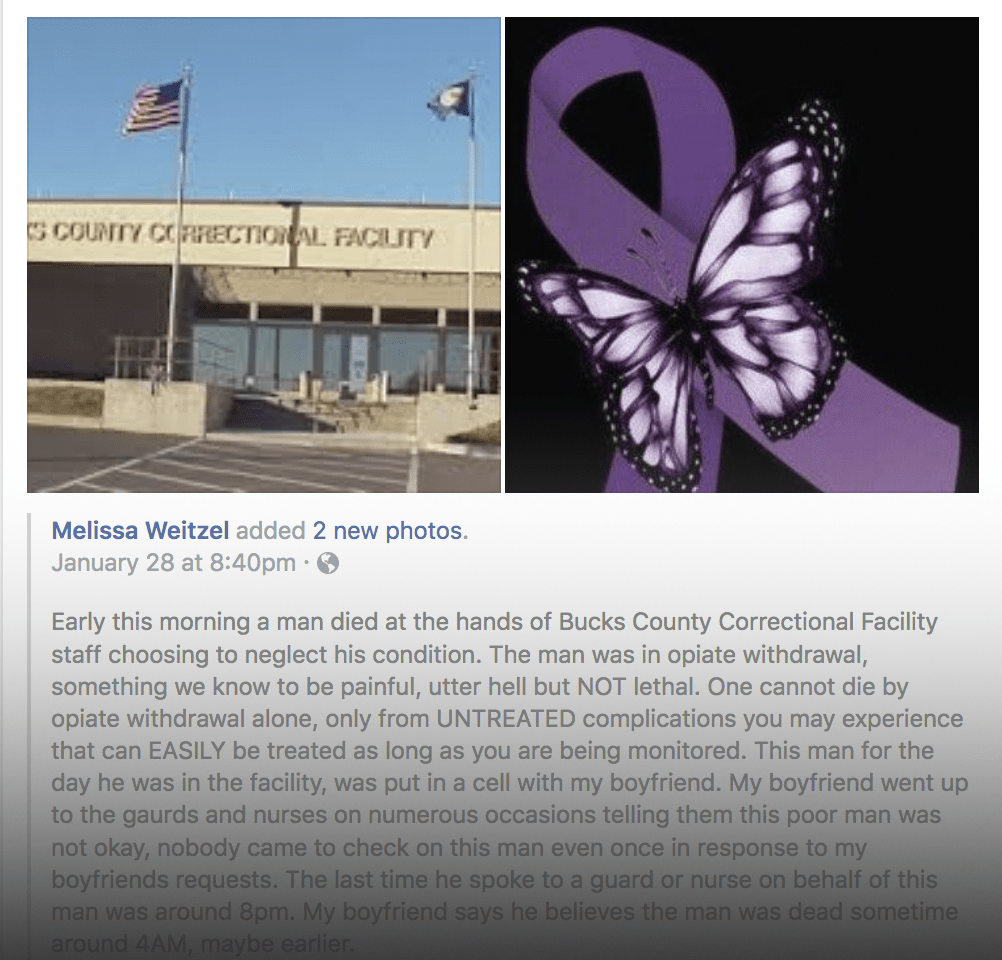
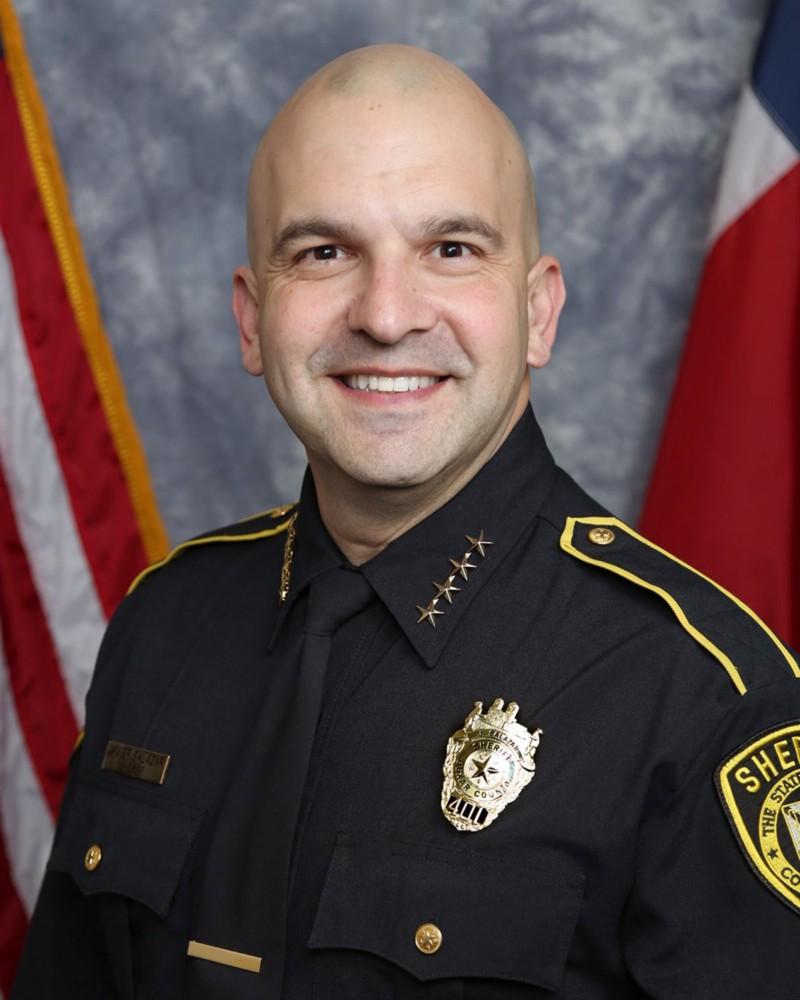
Jail isn’t the “appropriate place” for all that get arrested, he says
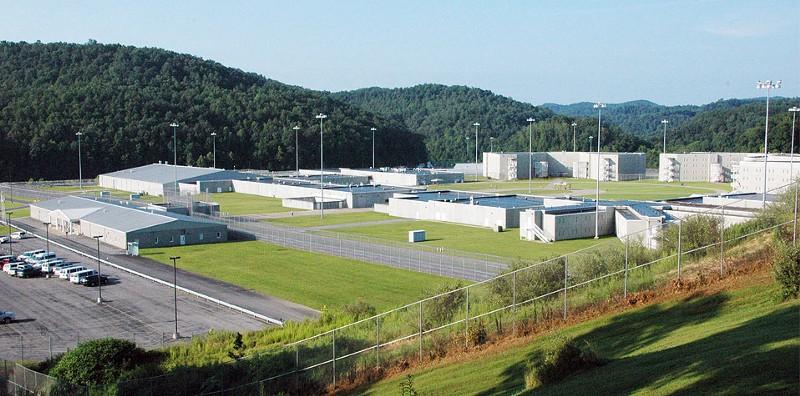
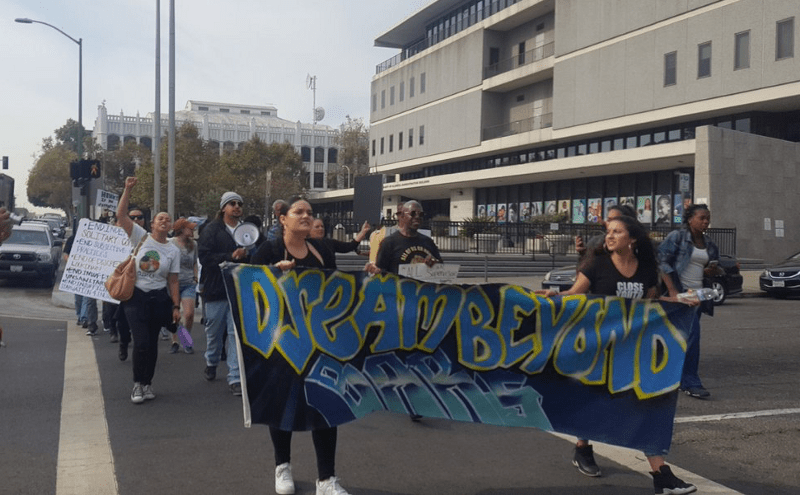
Alameda and Santa Clara County jail detainees round out the first week of a hunger strike for better conditions.
That’s what officers told then 17-year-old Gerome Moore when they interrogated him following the 2015 shooting of Carolyn Temple. Moore ultimately confessed to driving the getaway car for two friends who robbed and shot Temple in her boyfriend’s driveway; she died a week later from the gunshot wound.
A new report shows that the number of people locked up in rural jails has continued to significantly increase, making it difficult to decrease the total number of people locked up in the United States.