Bail Isn’t Supposed to Be a Punishment. Why Does the Media Keep Acting Like it Is?
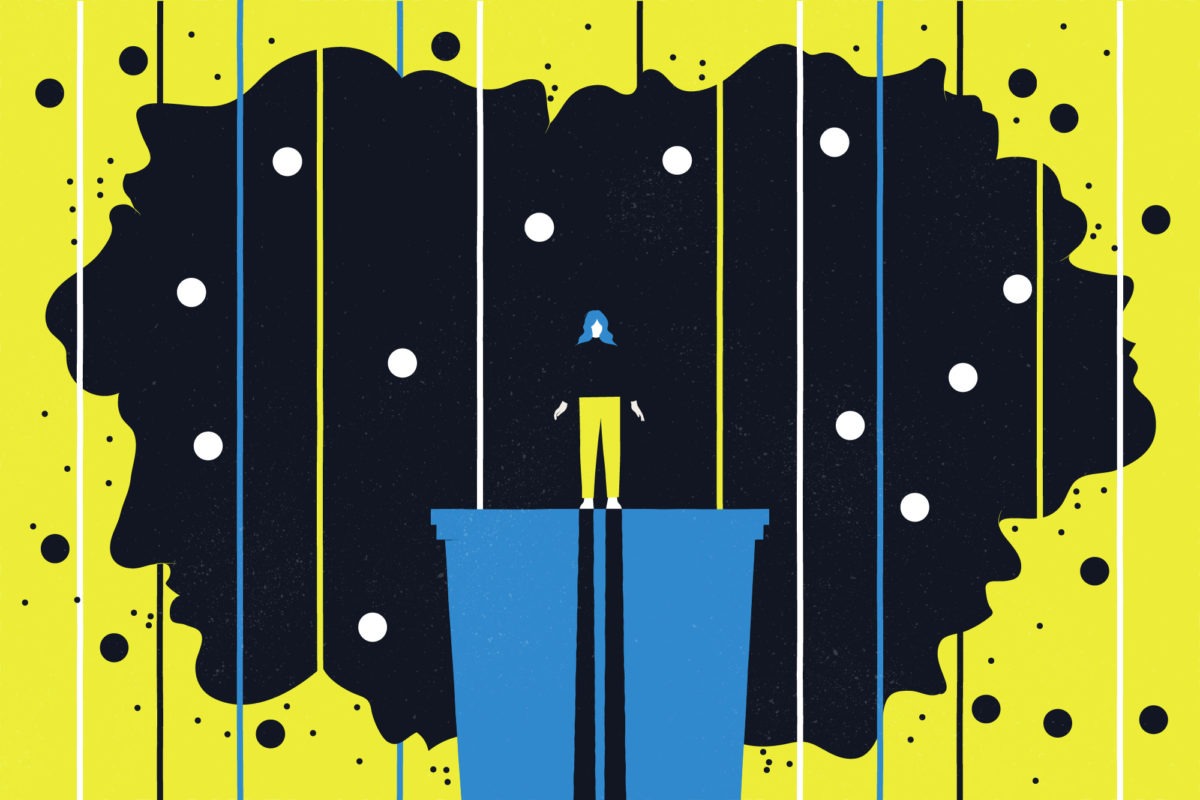
How high or low bond is isn’t a measure of how severe the state considers a crime.

How high or low bond is isn’t a measure of how severe the state considers a crime.

At 16, Larry Rosser was imprisoned for killing a woman who sexually and physically abused him. He served 22 years in the California prison system before being released in 2017, after parole commissioners became convinced he was a rehabilitated victim.

A statewide pattern of discrimination in jury selection has gone largely uncorrected, while lives remain in the balance, advocates say.

The 2020 presidential candidates recently unveiled national criminal justice agendas that reimagine public safety and punishment.
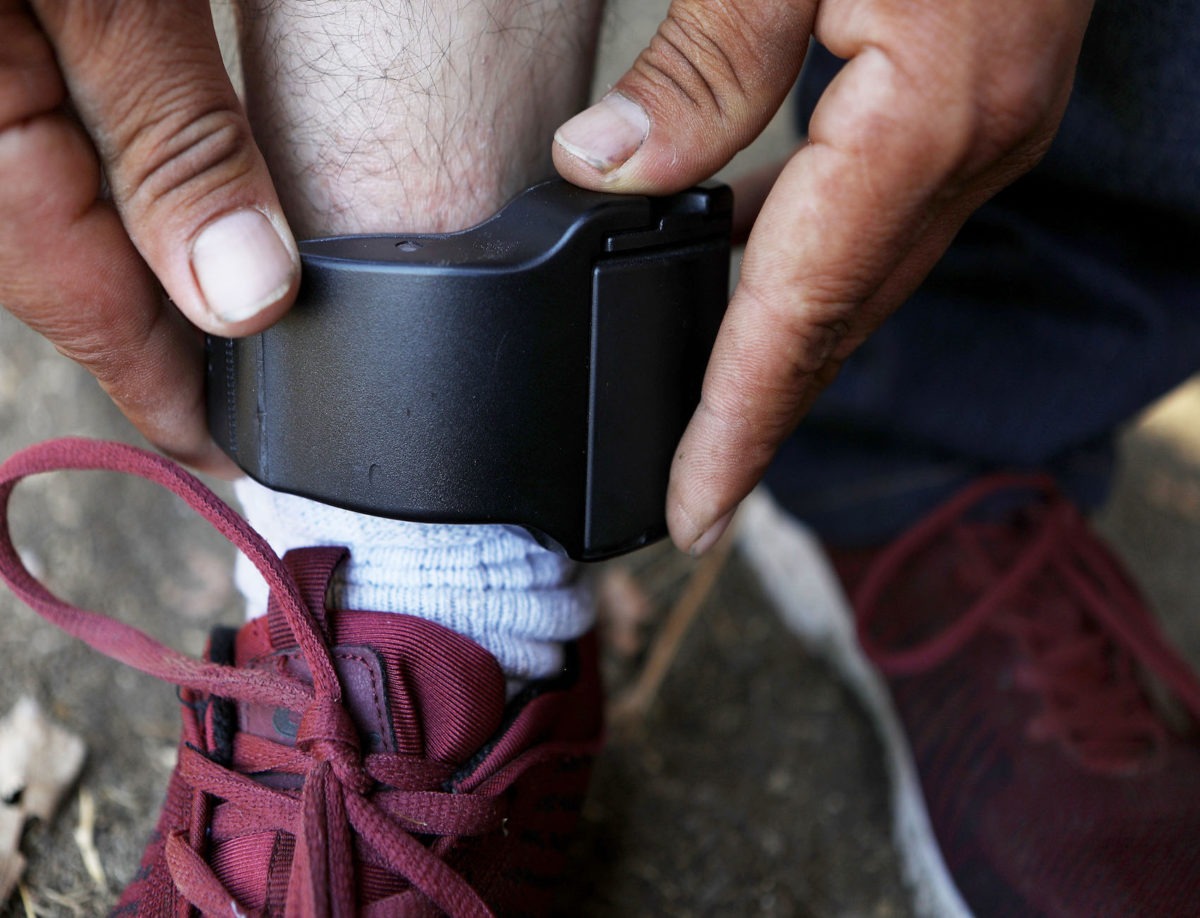
A lawsuit is challenging Mohave County’s practice of charging certain people for mandatory GPS monitoring before trial.
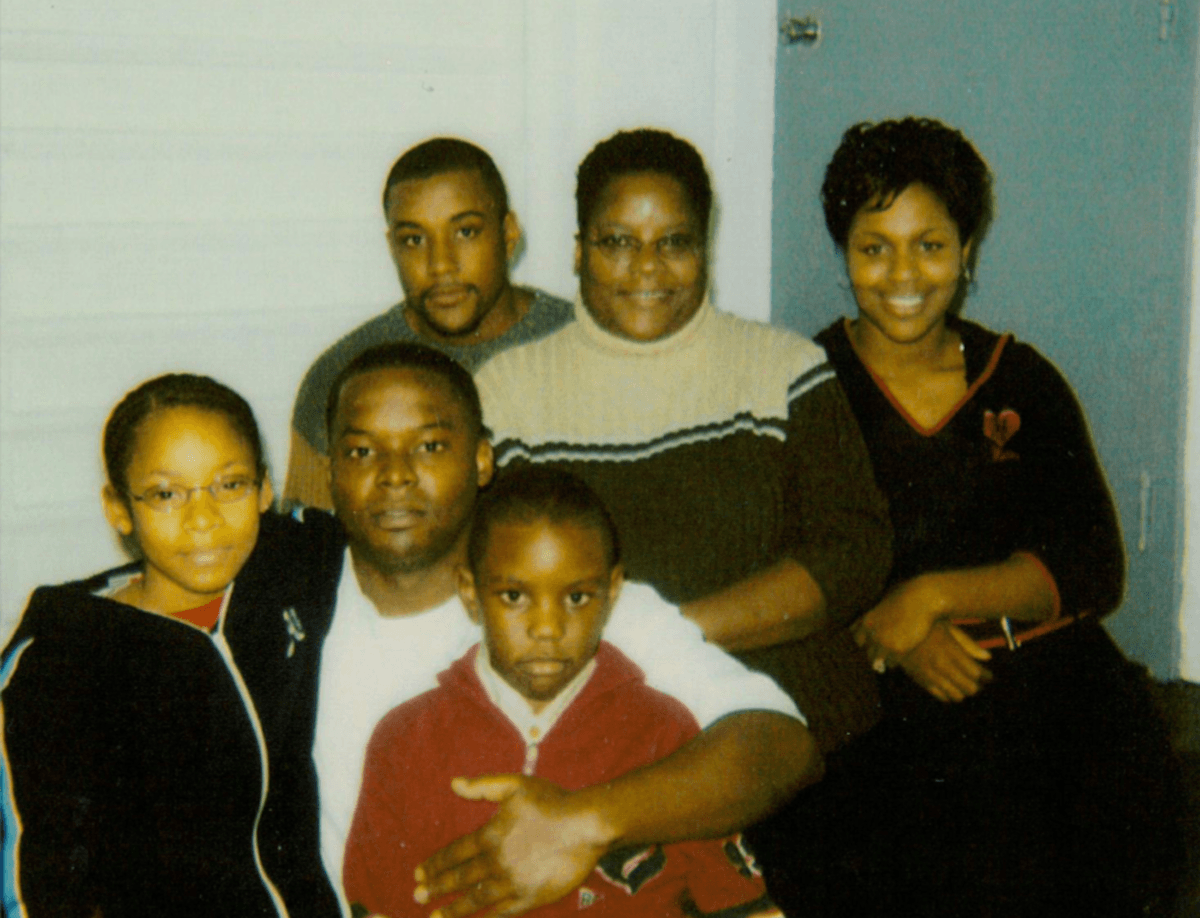
In 1998, prosecutors failed to tell the defense that a key witness in Toforest Johnson’s capital murder trial would receive thousands of dollars in reward money for her testimony, Johnson’s attorneys say. Now a Birmingham judge must decide whether their argument has merit.
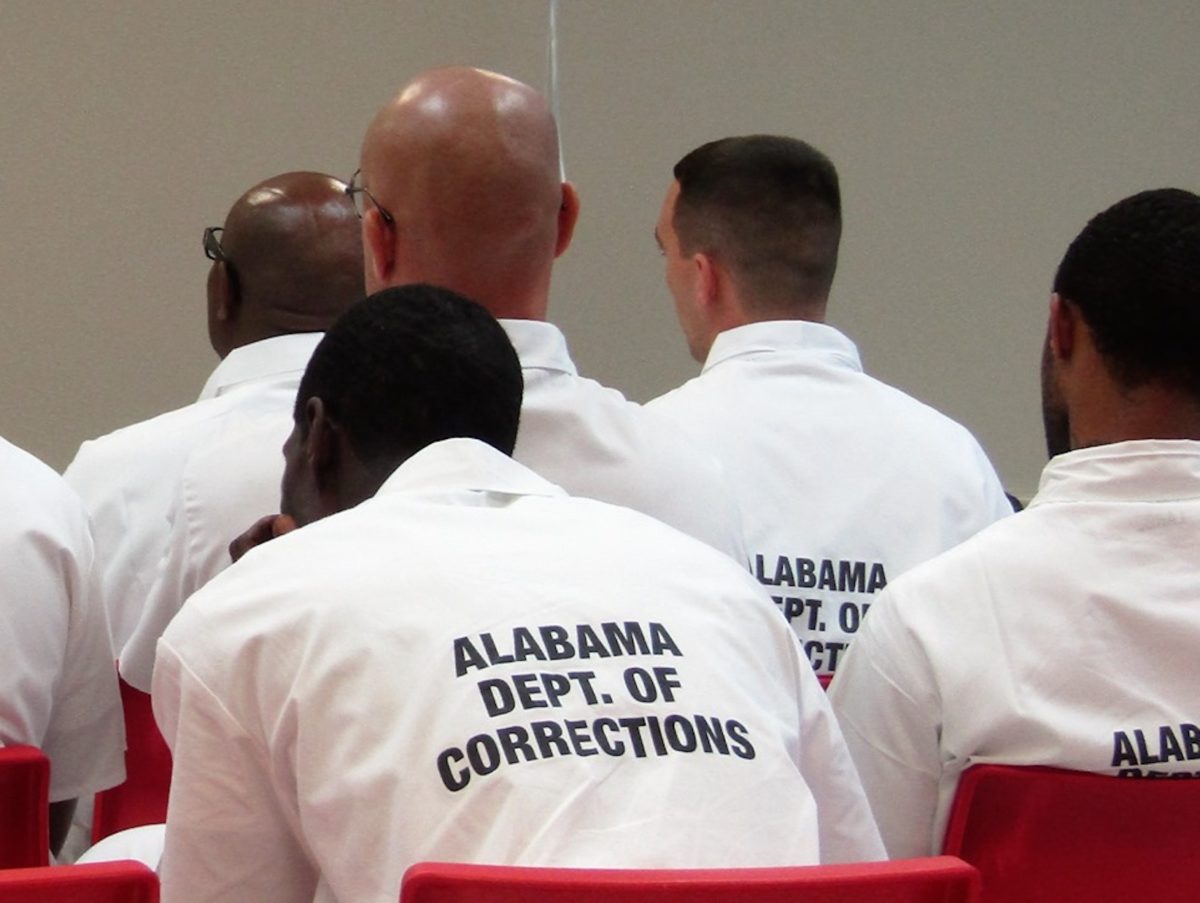
The Bureau of Justice Statistics relies in part on states to self-report prison capacity numbers, which can result in a misleading snapshot of overcrowding in the U.S.
Police and prosecutors claimed facial recognition technology wasn’t at the center of a shoplifting case, but defense attorneys say it was the sole basis for probable cause to arrest.

Media coverage obsessively focuses on homicides, which are at historical lows. Meanwhile, suicides and overdoses skyrocket, quietly driving record declines in American life expectancy.
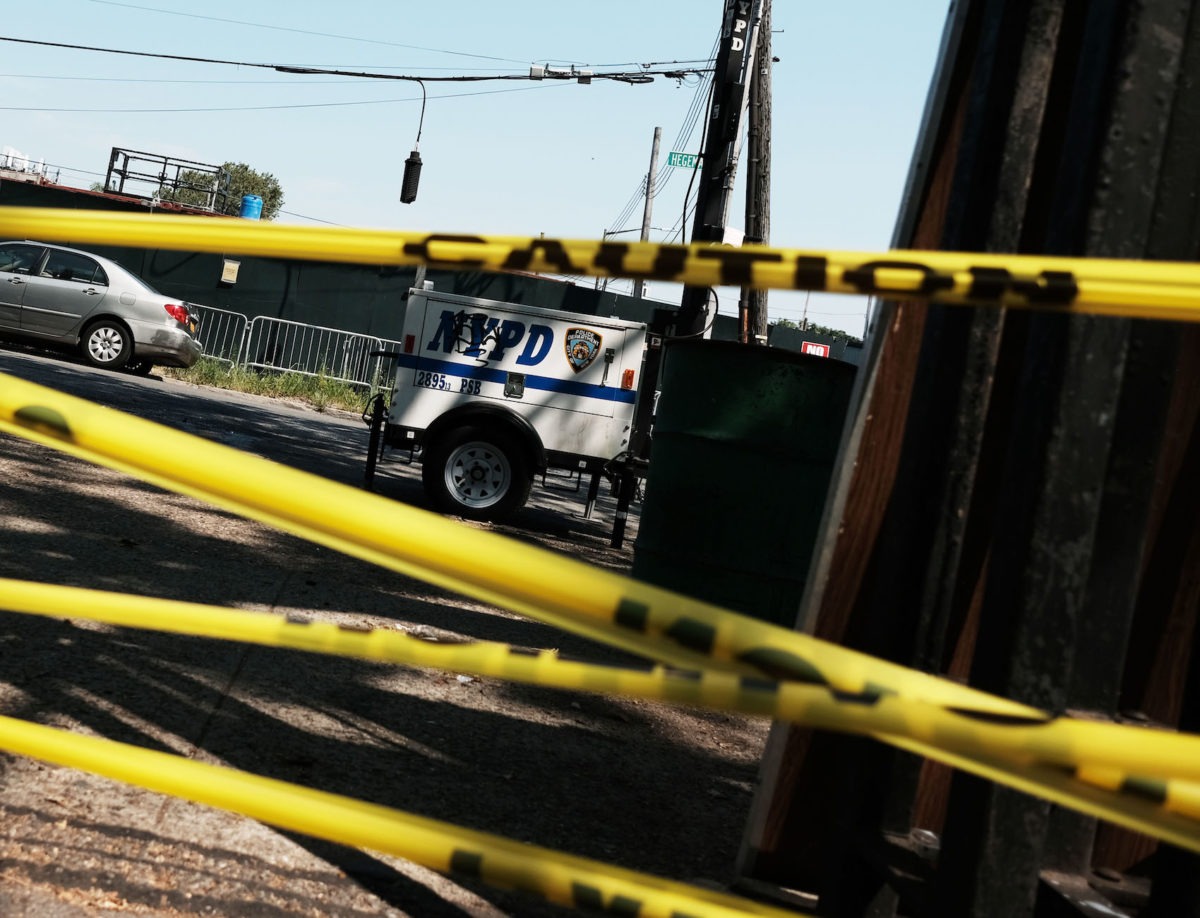
Murder rates are at an all-time low in Brooklyn, but one would hardly know it reading the New York Times.
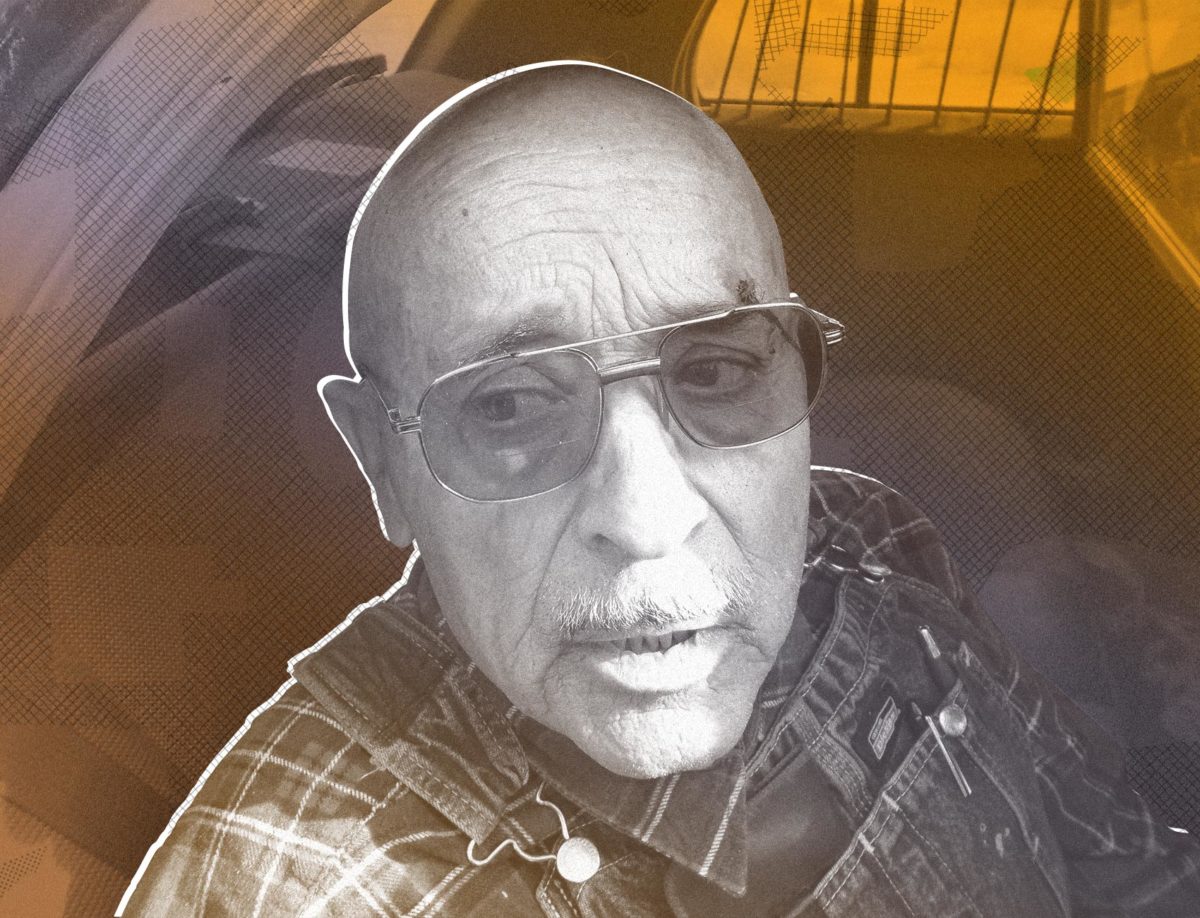
In Valencia County, a sheriff’s deputy who once faced allegations of excessive force in Albuquerque is accused of assaulting an elderly man.
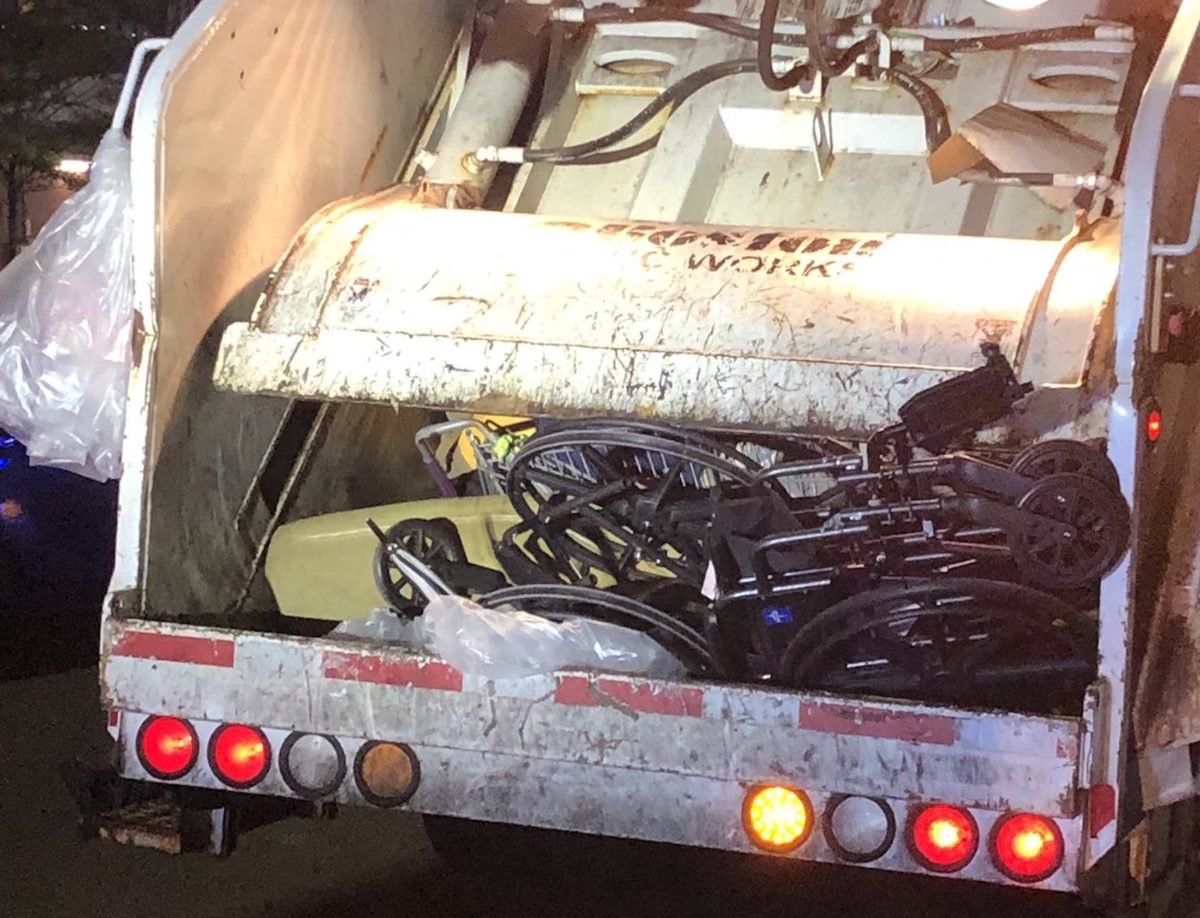
Most coverage of police raids targeting homeless people and substance users parroted official—and fraught—talking points.
Children as young as 4 years old are suffering from post-traumatic stress disorder as a result, the complaints say.
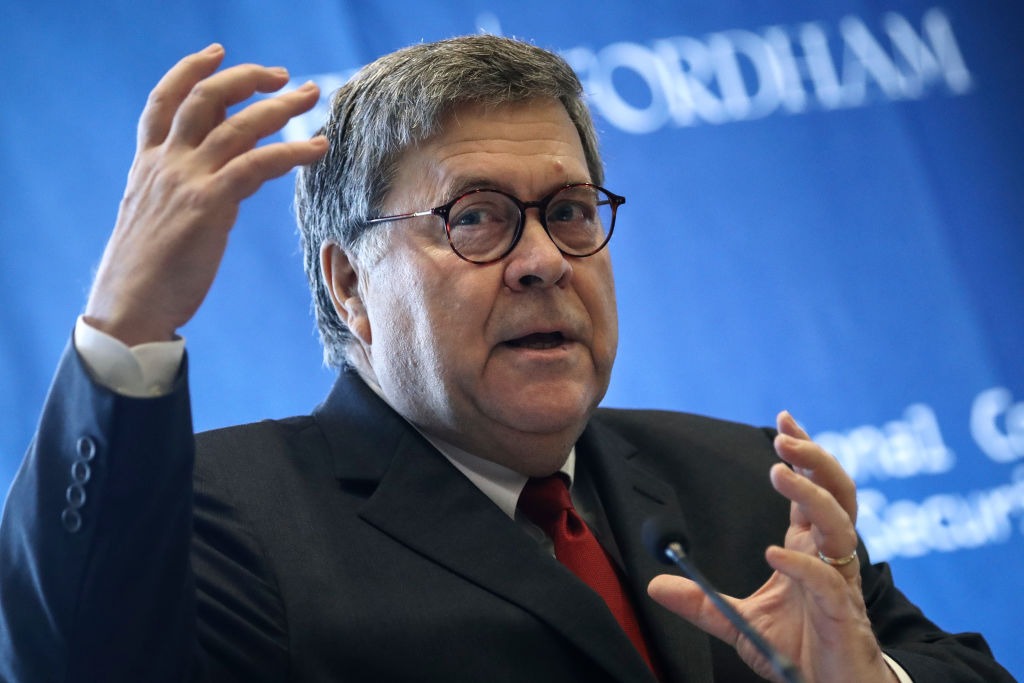
Attorney General William Barr pushed back against reforms by progressive prosecutors—but perhaps his greatest vitriol was reserved for the Boston DA’s attempt to rein in police.

A new internal audit shows that officers disproportionately strike, tussle with, and draw guns on Black people but then fail to disclose the incidents in their reports.
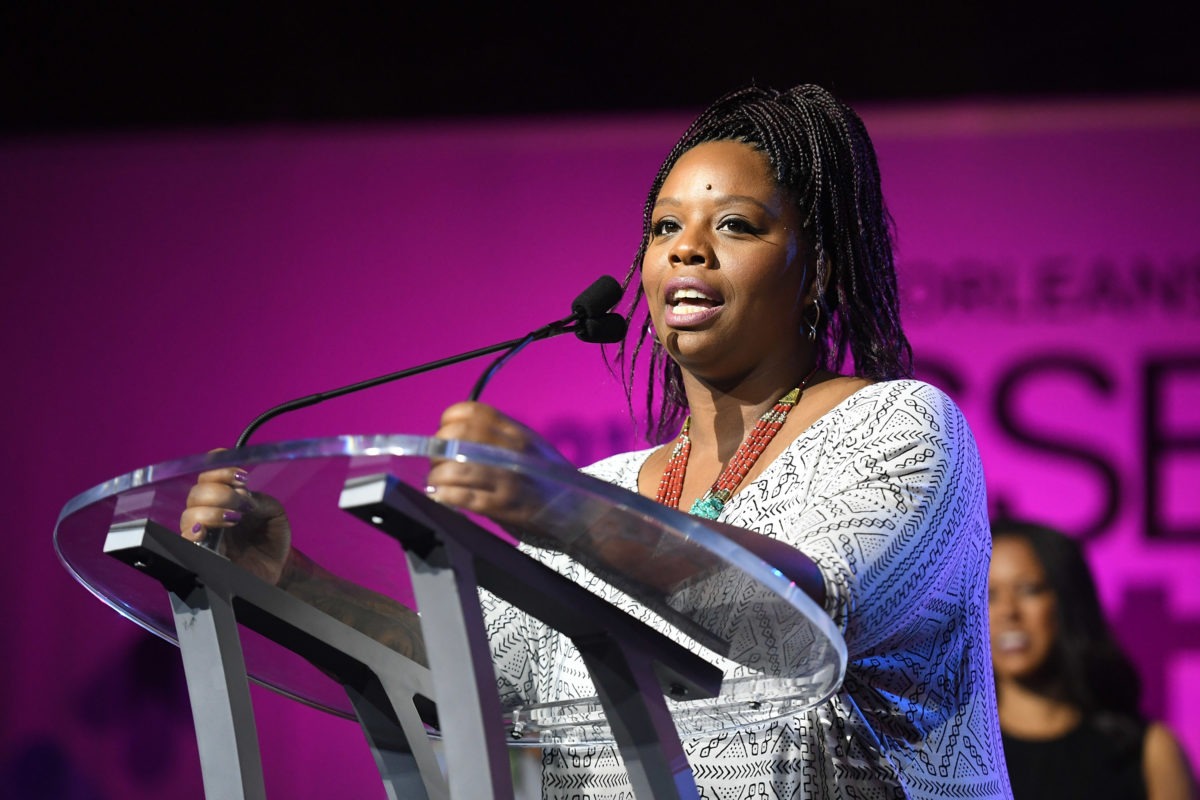
Black Lives Matter and other advocates have pushed county officials to abandon the $2.2 billion project with McCarthy Builders.

A federal lawsuit claims that Palo Alto, California, police falsely detained, arrested, and beat a gay Latinx man—then boasted about their brutality.

Richard Kinder thought he would die in an Alabama prison until the Supreme Court ruled mandatory juvenile life without parole unconstitutional. But last year, despite a judge concluding there was “uncontradicted evidence” that Kinder had worked to rehabilitate himself, the state parole board refused him release.
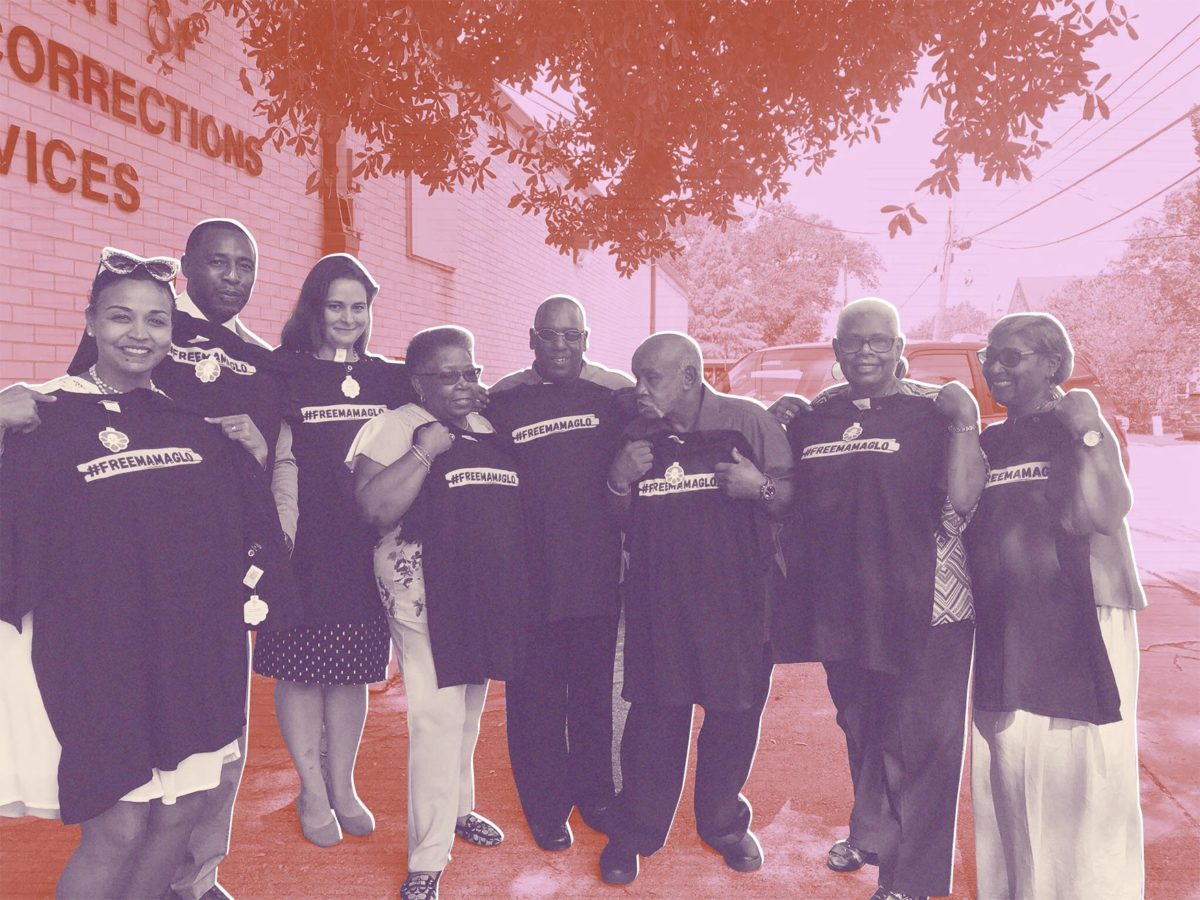
Gloria Williams was in her 20s when she was sent to prison for her part in a robbery that turned deadly. After serving nearly five decades, including one decade in solitary confinement, Williams now has a chance at freedom.
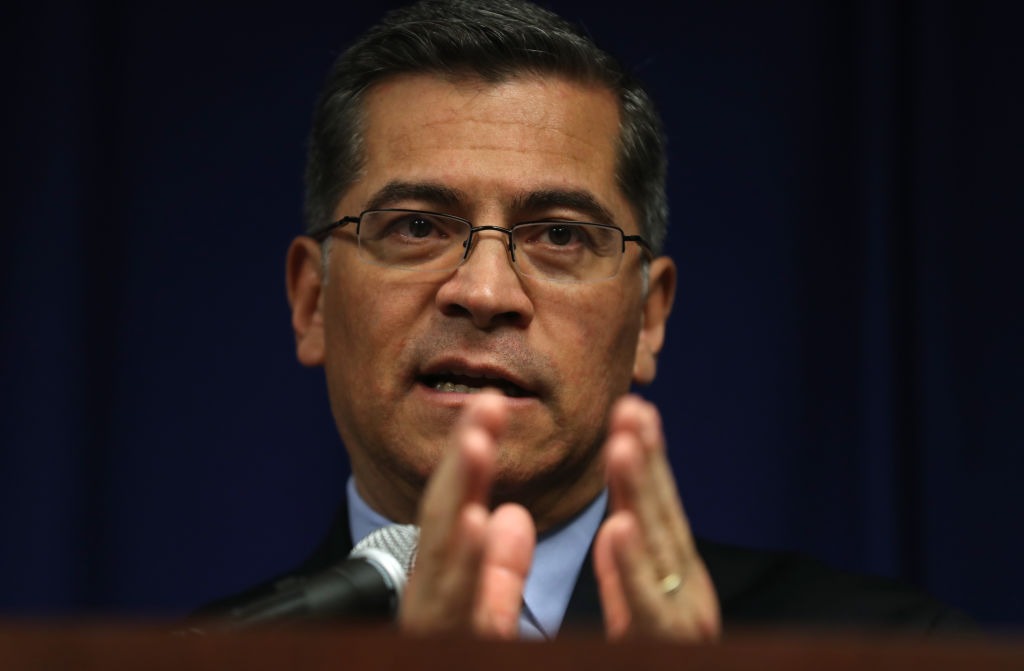
Last year, lawmakers repealed the felony murder rule, which allowed prosecutors to charge defendants with murders they didn‘t commit. Prosecutors are trying to overturn the new law, but AG Xavier Becerra believes that the reform should stand.
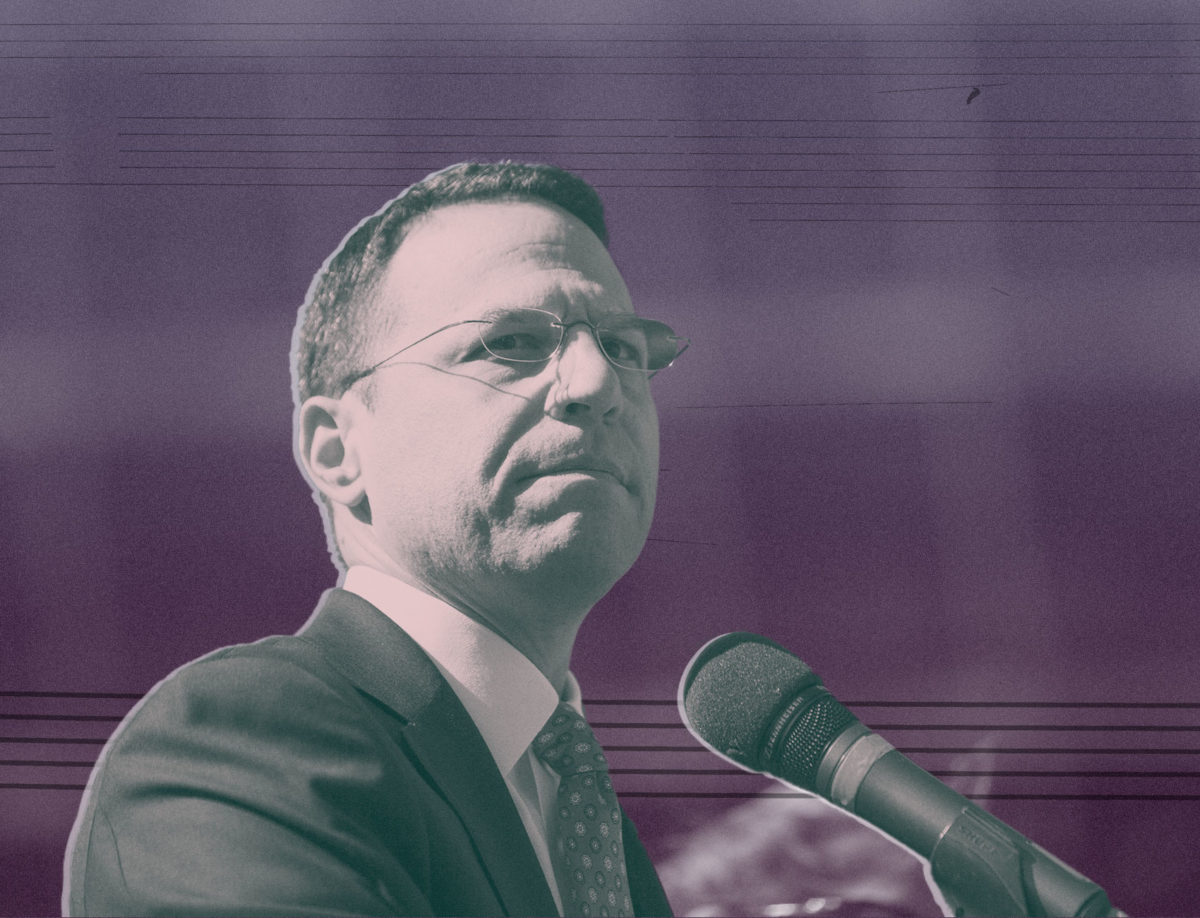
When it comes to criminal justice, advocates say, Attorney General Josh Shapiro seems intent on maintaining the status quo.

In 2016, Madison Jensen died from opiate withdrawal at the Duchesne County jail. New court filings allege that jail staff, including its nurse, ignored her rapidly deteriorating health.
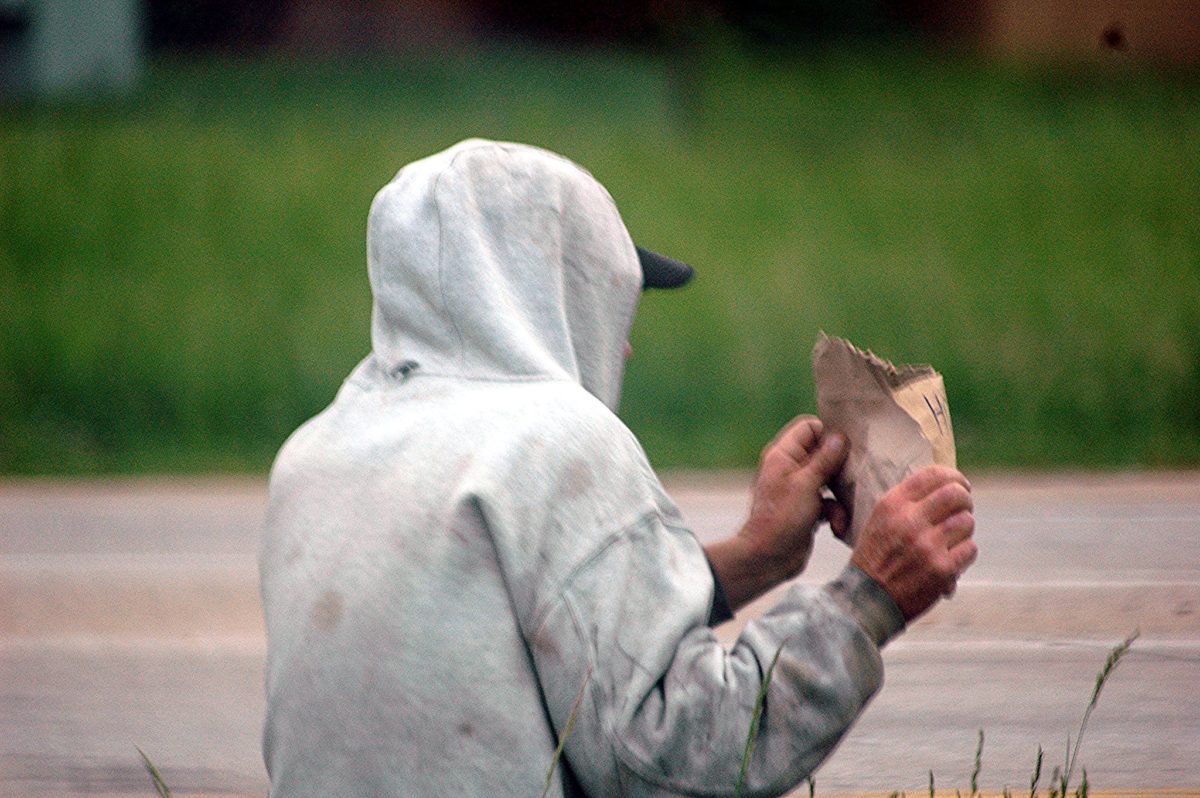
Dozens of reports about an indigent man in Bradenton, Florida, showed the cruel excesses of local news’s homelessness coverage.

Establishment candidate Melinda Katz declared a narrow victory in the New York City borough’s district attorney primary, but progressive Tiffany Cabán pushed the race to the left on issues like marijuana and sex work.

The Crescent City is in the final stages of a multimillion-dollar federal police reform process. Here‘s why it and other programs like it fail to achieve real reform.
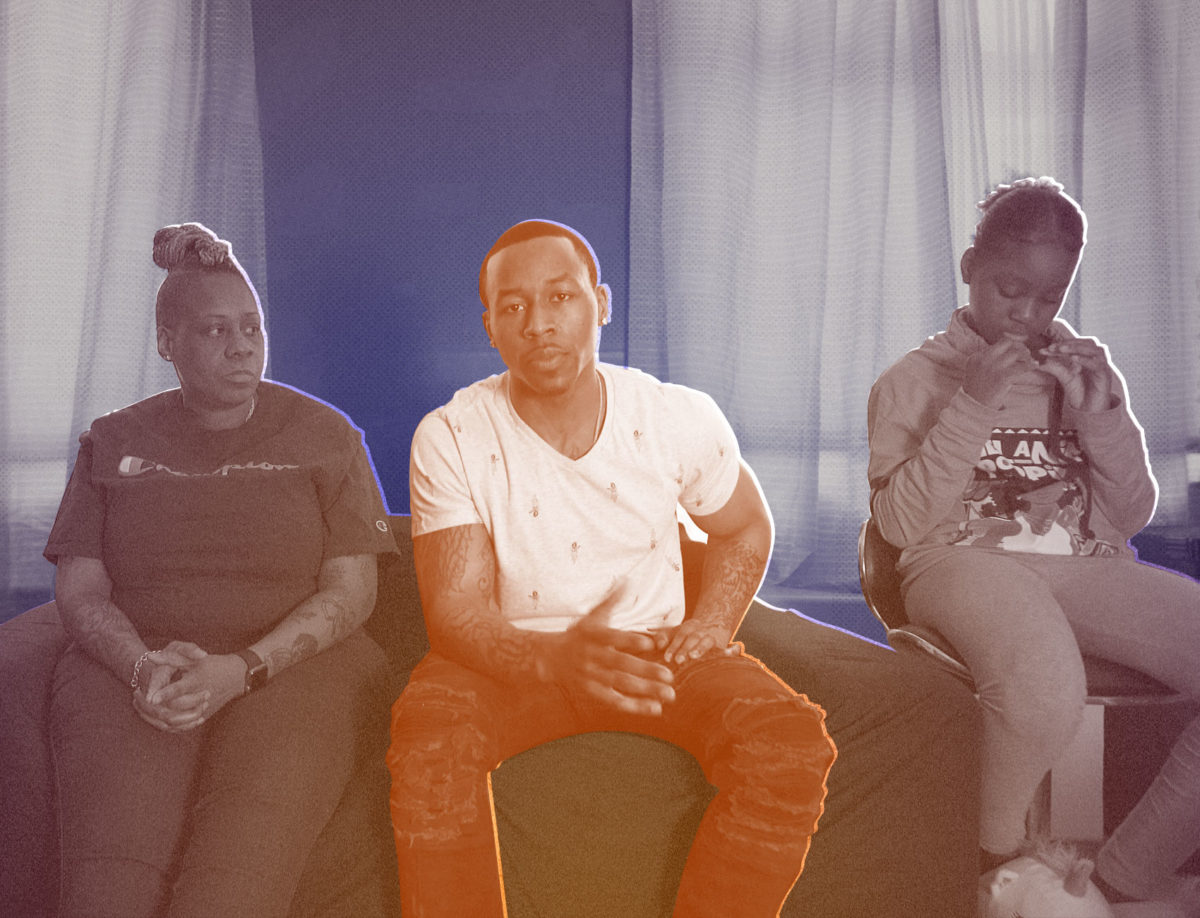
Three Bronx friends recount their 2012 arrests in the NYPD’s ‘Operation Crew Cut,’ along with their experiences with the court system and incarceration, and reflect on their lives seven years later.
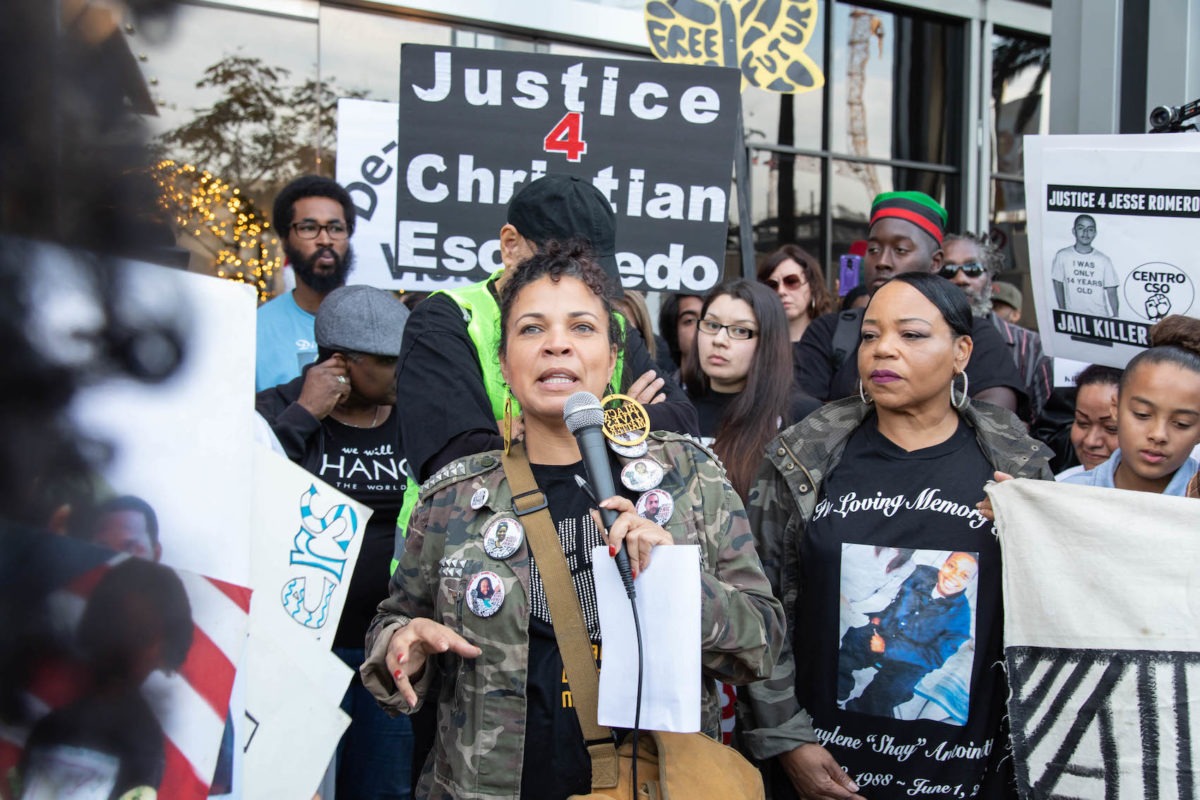
In California, Texas and Florida, advocates sent letters to district attorneys, demanding that they refuse to work with officers with histories of misconduct.
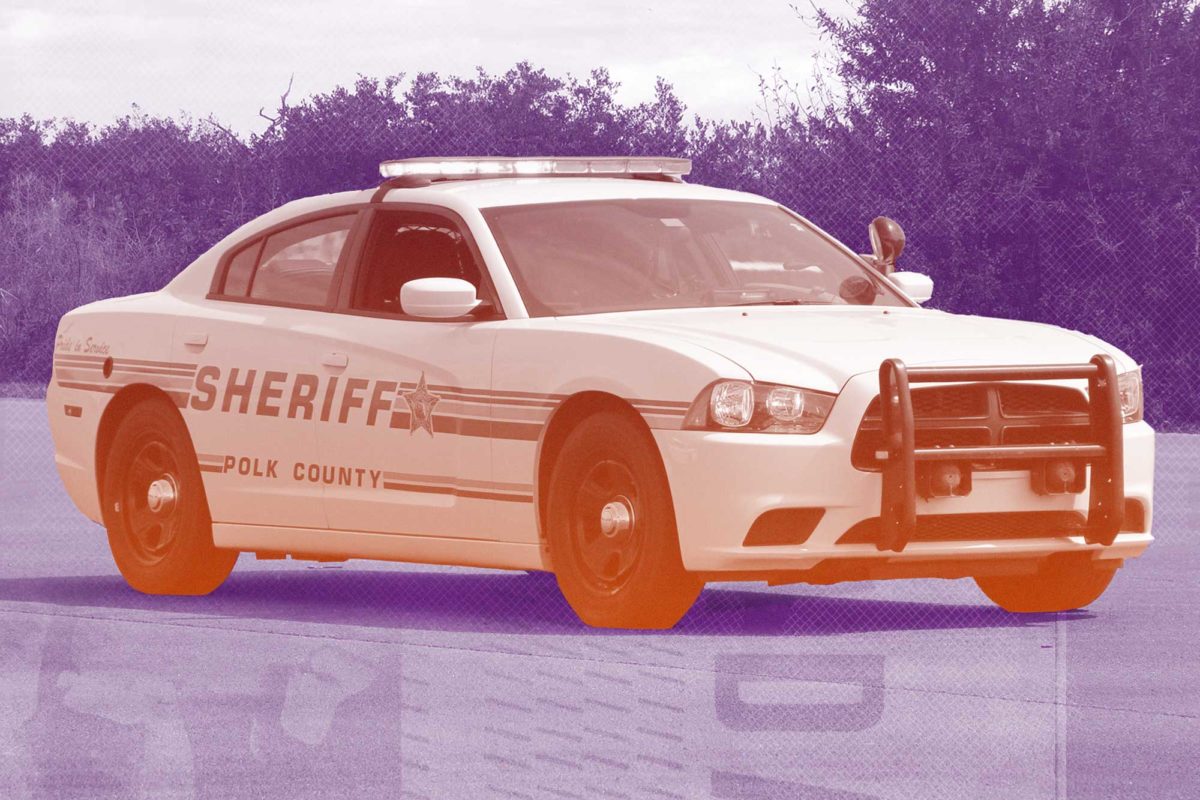
Offices across the state conduct operations under the guise of saving victims of human trafficking. But the vast majority of people detained, including sex workers, are charged with prostitution.
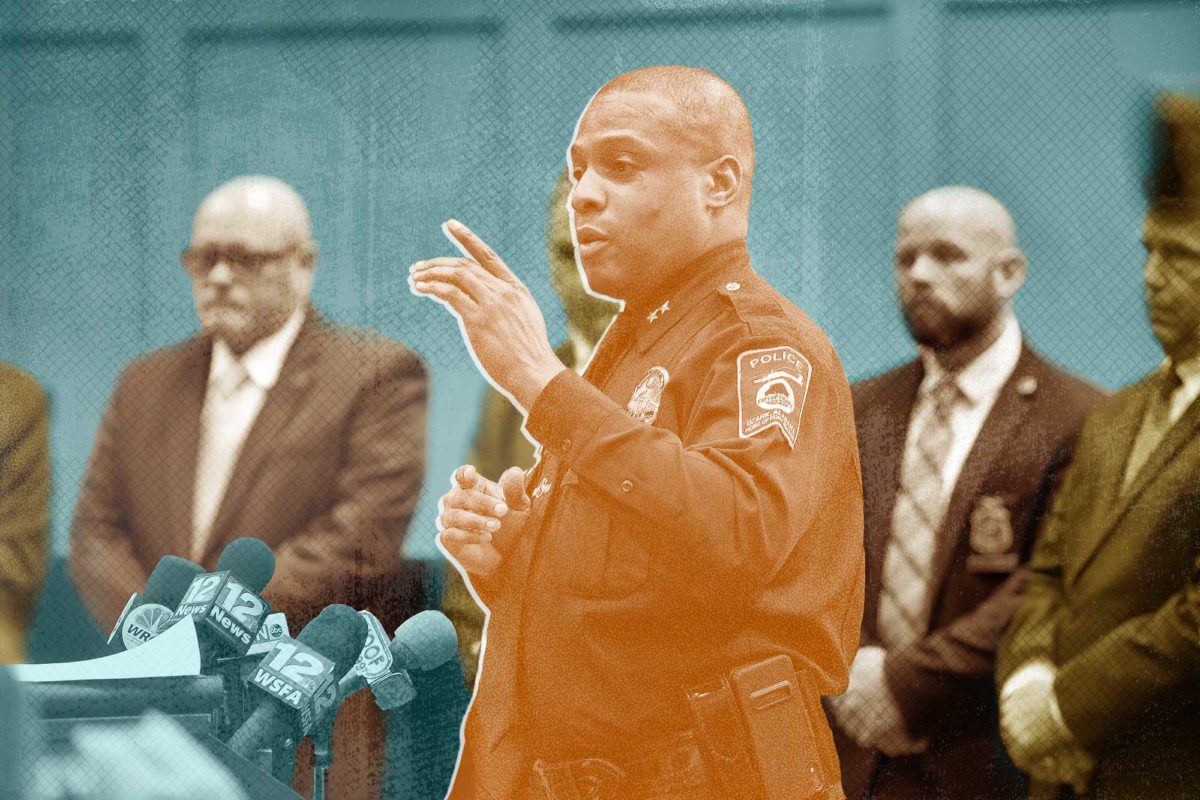
Police in Ozark said they solved the 1999 murders of two teenage girls using a genealogy database. But Coley McCraney‘s attorneys say that the case against their client is far from certain.
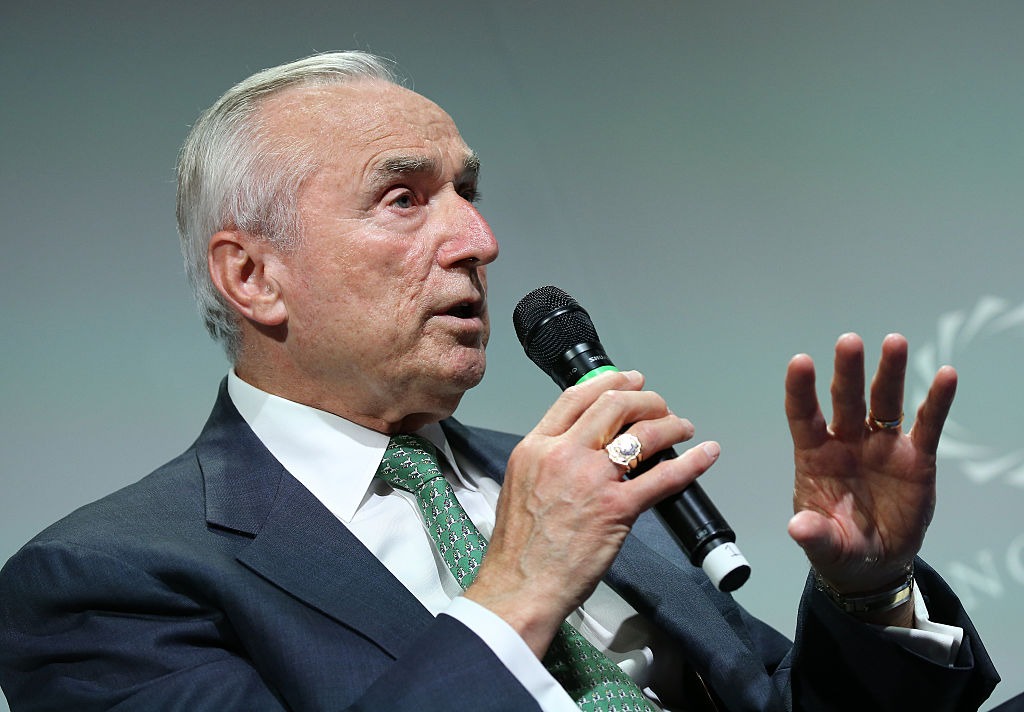
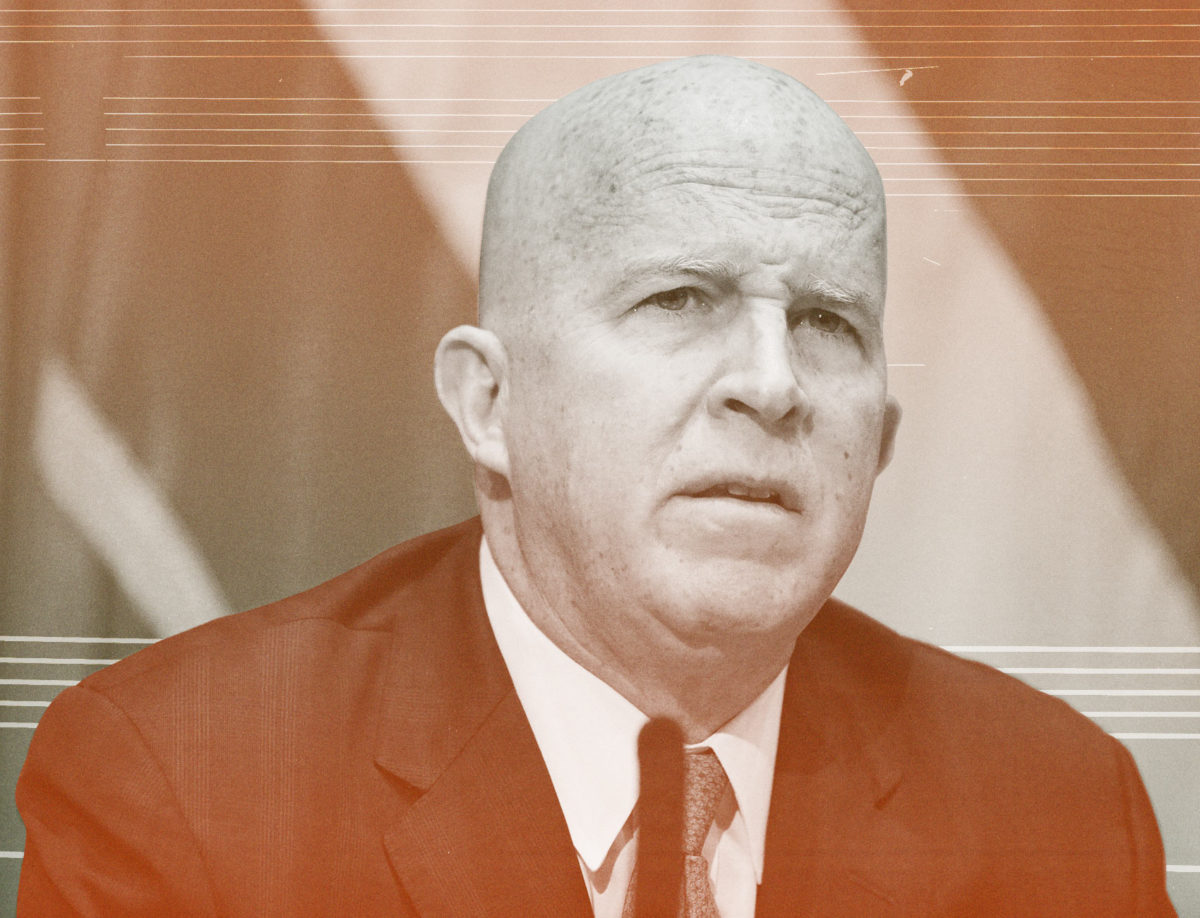
For far too long, the press has leaned on wrong-headed tough-on-crime officials like the former NYPD commissioner when reporting on the criminal legal system.
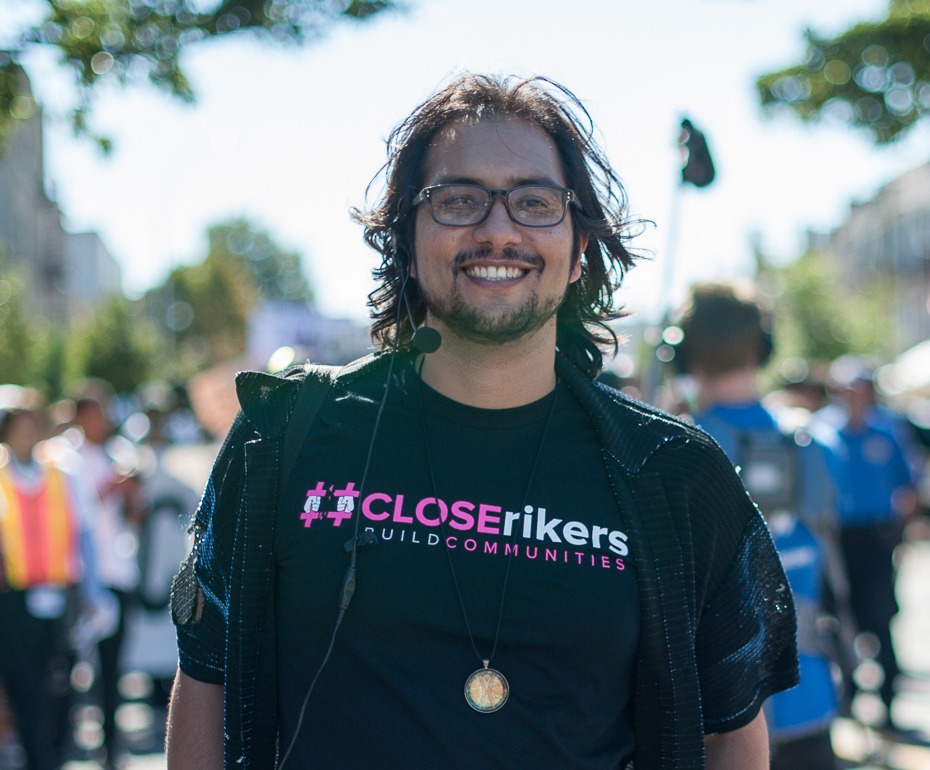
An organizer in the effort to close New York City’s Rikers Island jails is challenging Cyrus Vance Jr., whom he calls ‘the city’s leading jailer.’
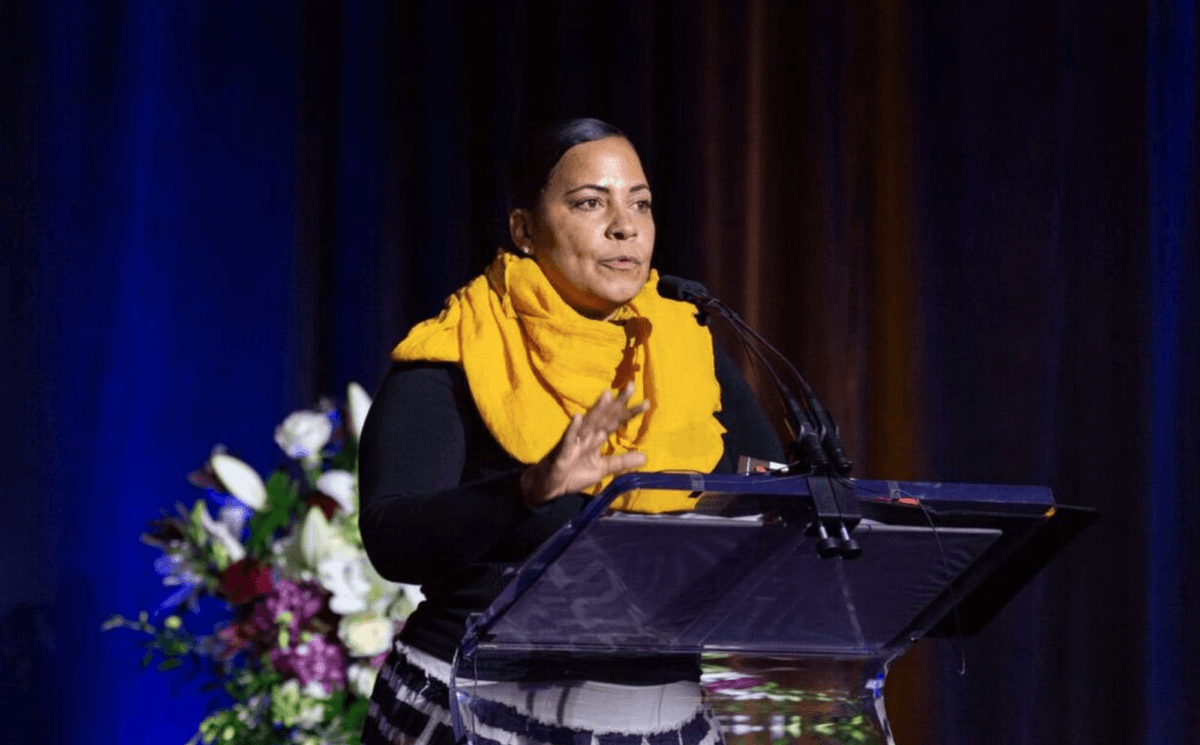
The backlash is underway against a recent wave of prosecutors who champion criminal justice reform. Here are some methods of attack.
The carceral system fails to heal victims and perpetuates trauma by caging human beings. It‘s time to try something else.