
More in Explainers
An Innocent Man May Die Because of Illogical Deadlines
The U.S. Supreme Court will soon be hearing a case that will impact whether Texas executes Rodney Reed for capital murder— though another man has confessed to the crime.
Chicago Police Torture: Explained
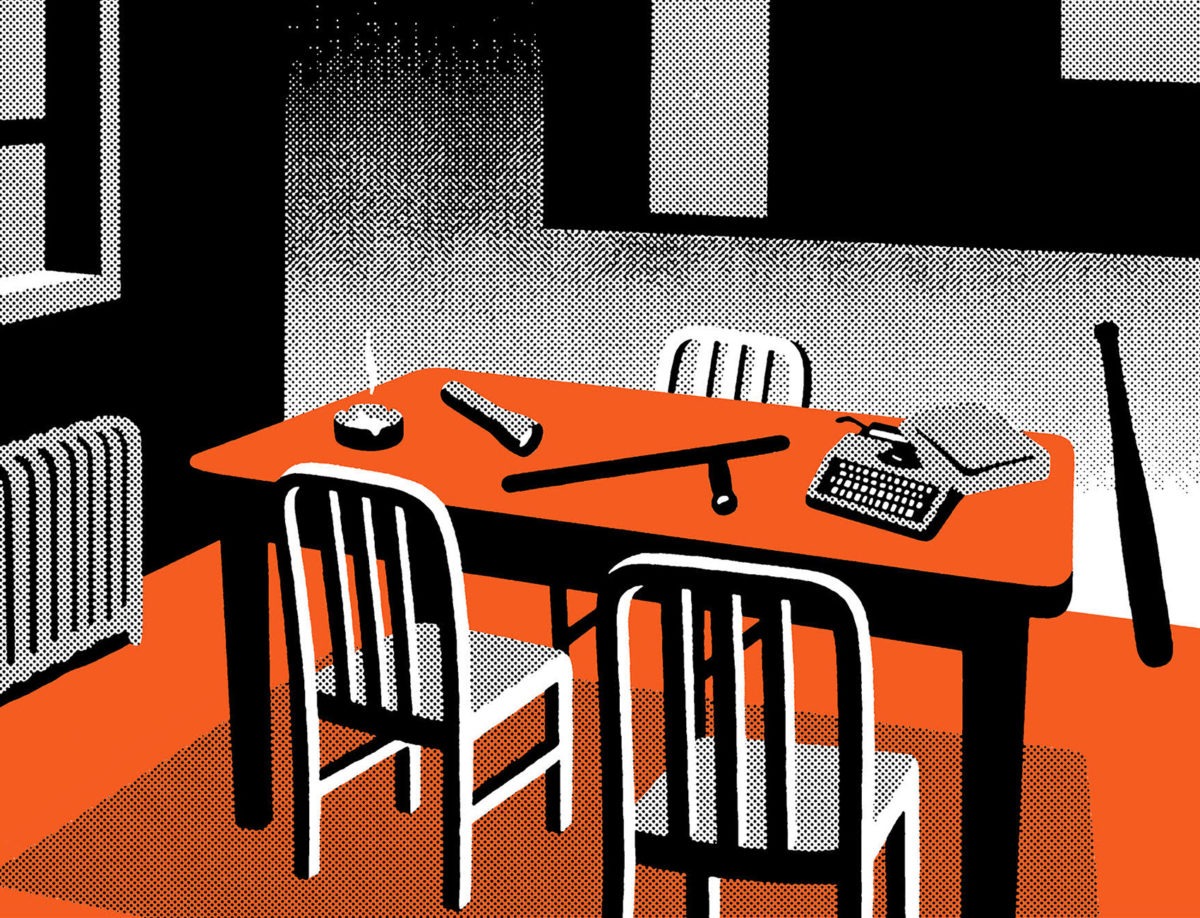
On Nov. 1, the FBI released a trove of previously undisclosed documents related to a decades-old investigation of police misconduct. In the 1990s, the agency investigated allegations of torture at the hands of Chicago police at the department’s Area 2 headquarters, where heinous acts of violence and psychological abuse were perpetrated against over 100 Black men and women under the supervision of then-commander Jon Burge.
Harmless Error: Explained
Under a legal doctrine called “harmless error,” appellate judges routinely affirm convictions tainted by legal error whenever they feel confident that the person appealing the conviction is guilty.
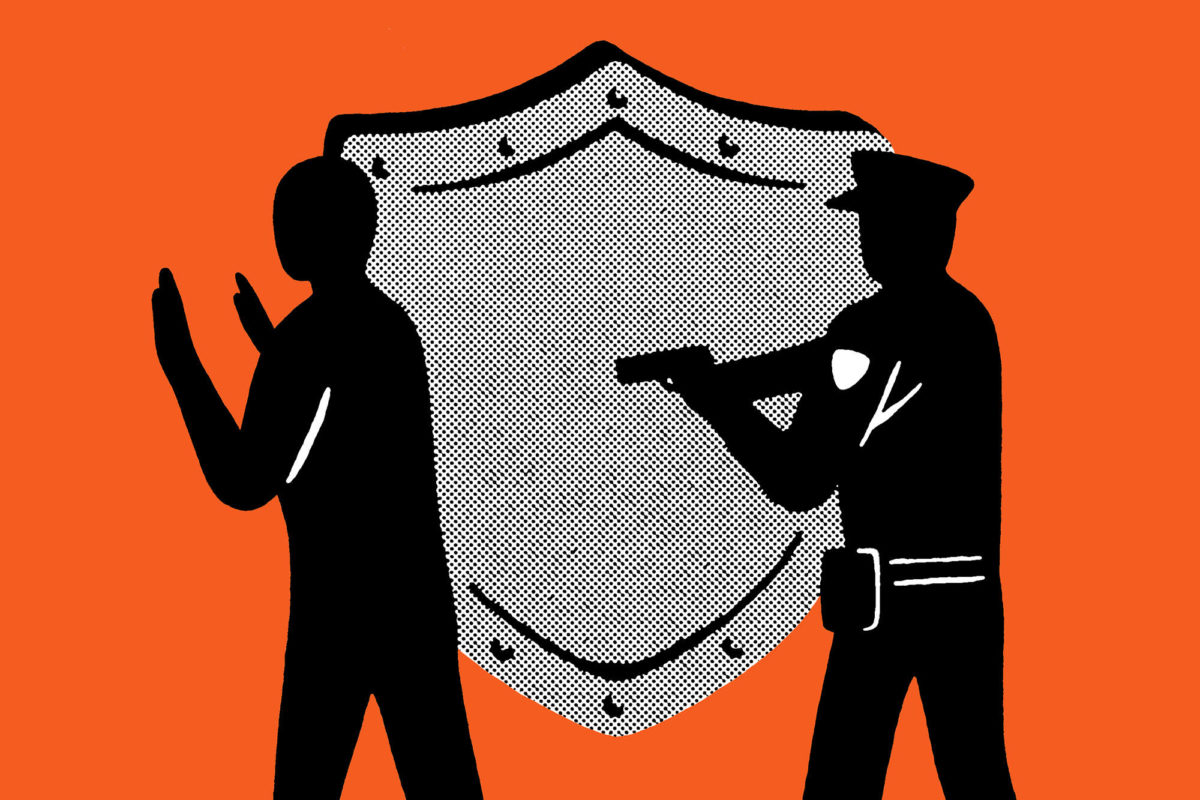
Qualified Immunity: Explained
How a 60-year-old legal doctrine lets law enforcement officers off the hook for civil rights violations.
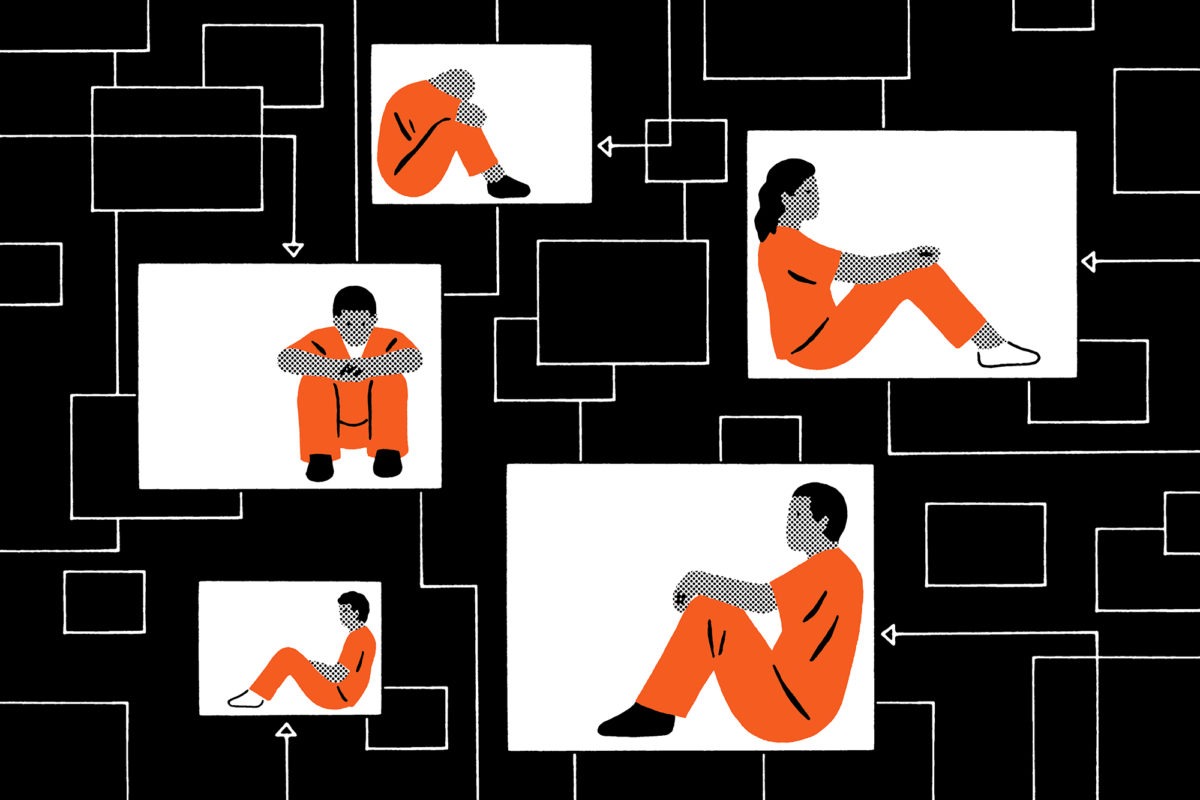
Risk Assessment: Explained
The reality of risk assessment algorithms is complicated. Critics say bias can creep in at every stage, from development to implementation to application.
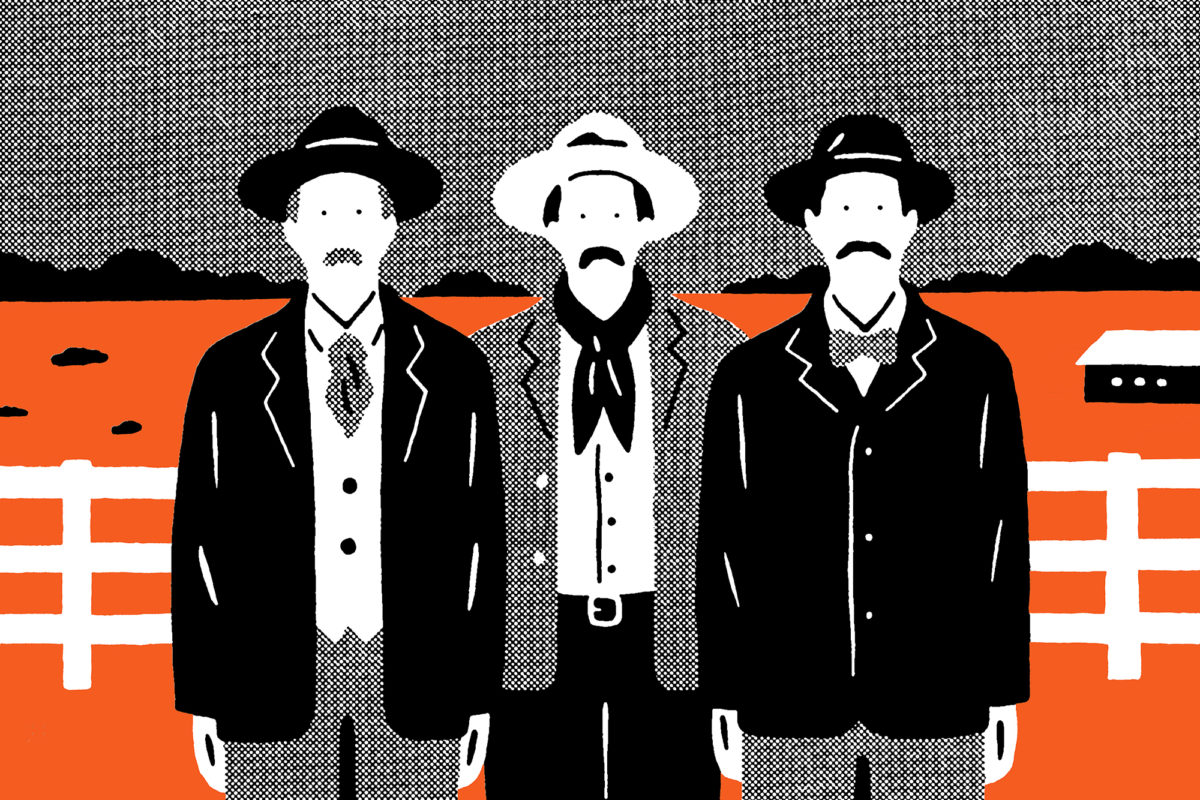
The Power of Sheriffs: Explained
With wide jurisdiction and limited oversight, sheriffs play a pivotal role in policing and incarceration.
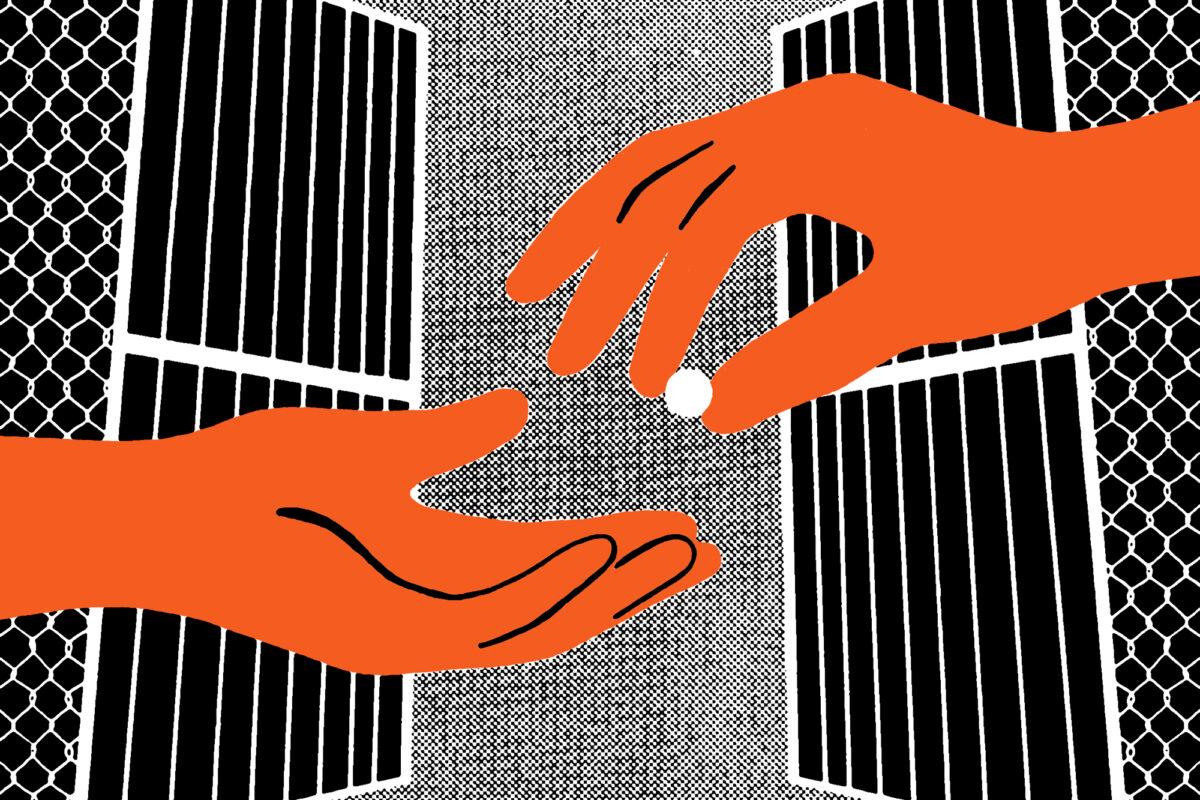
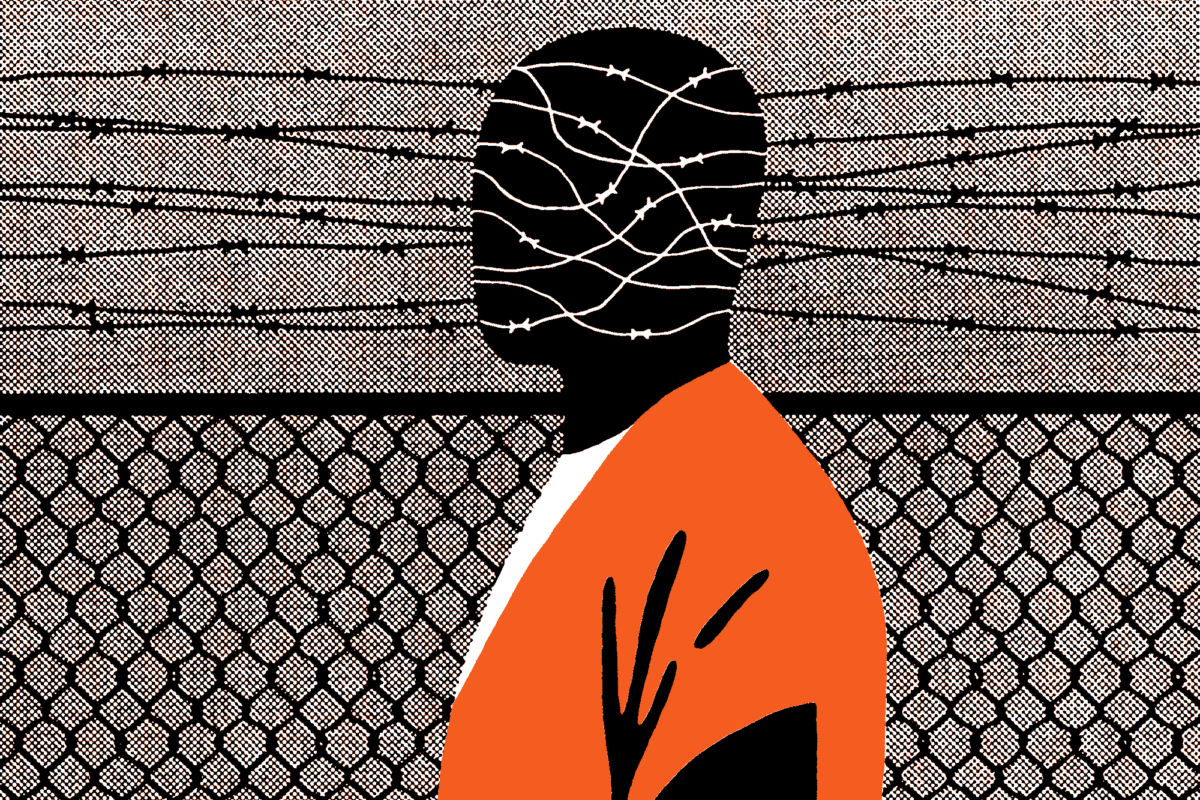
Capital Punishment in the United States: Explained
To beat the clock on the expiration of its lethal injection drug supply, this past April, Arkansas tried to execute eight men over eleven days. The stories told in frantic legal filings and clemency petitions revealed a deeply disturbing picture.
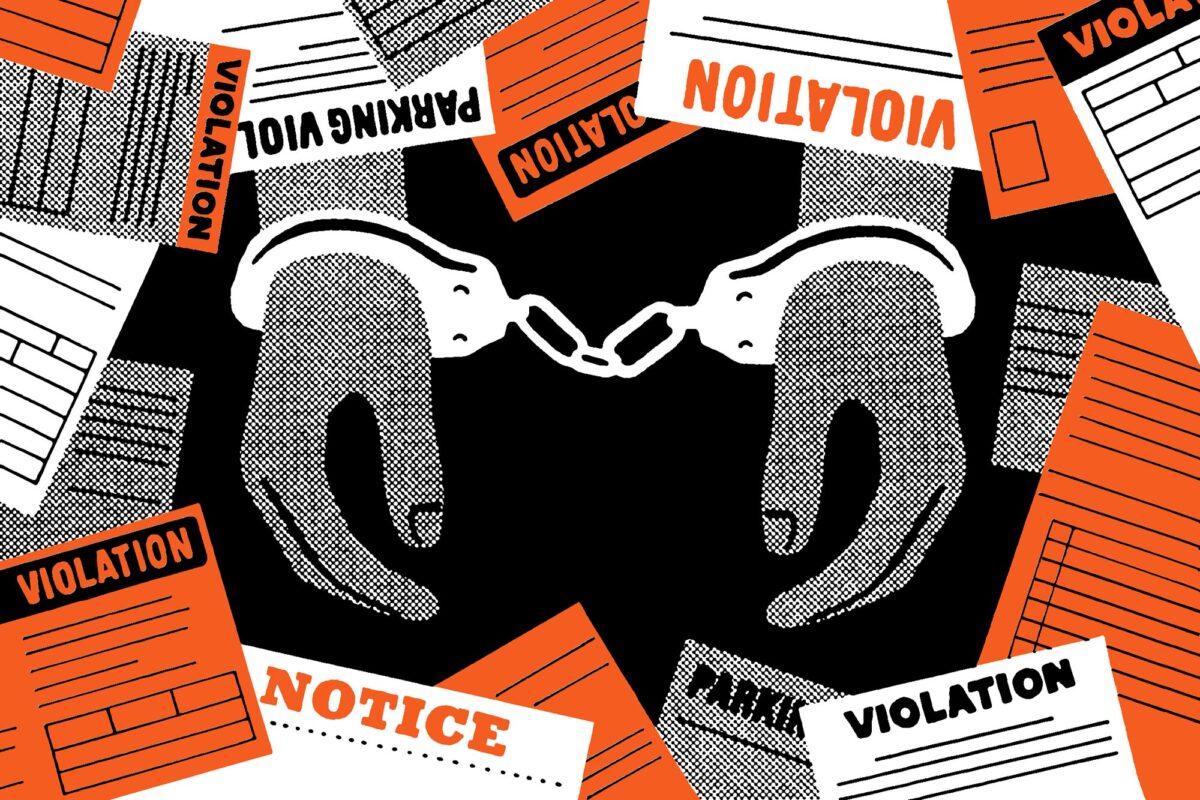
How Fines and Fees Criminalize Poverty: Explained
In Georgia, a man stole a can of beer worth $2 from a corner store. The court ordered him to wear an ankle monitor for a year. The company administering it, Sentinel Offender Services, charged him so much money that he eventually owed more than $1,000. Trying to keep up with his payments, he sold plasma, but he fell behind and the judge jailed him for non-payment.
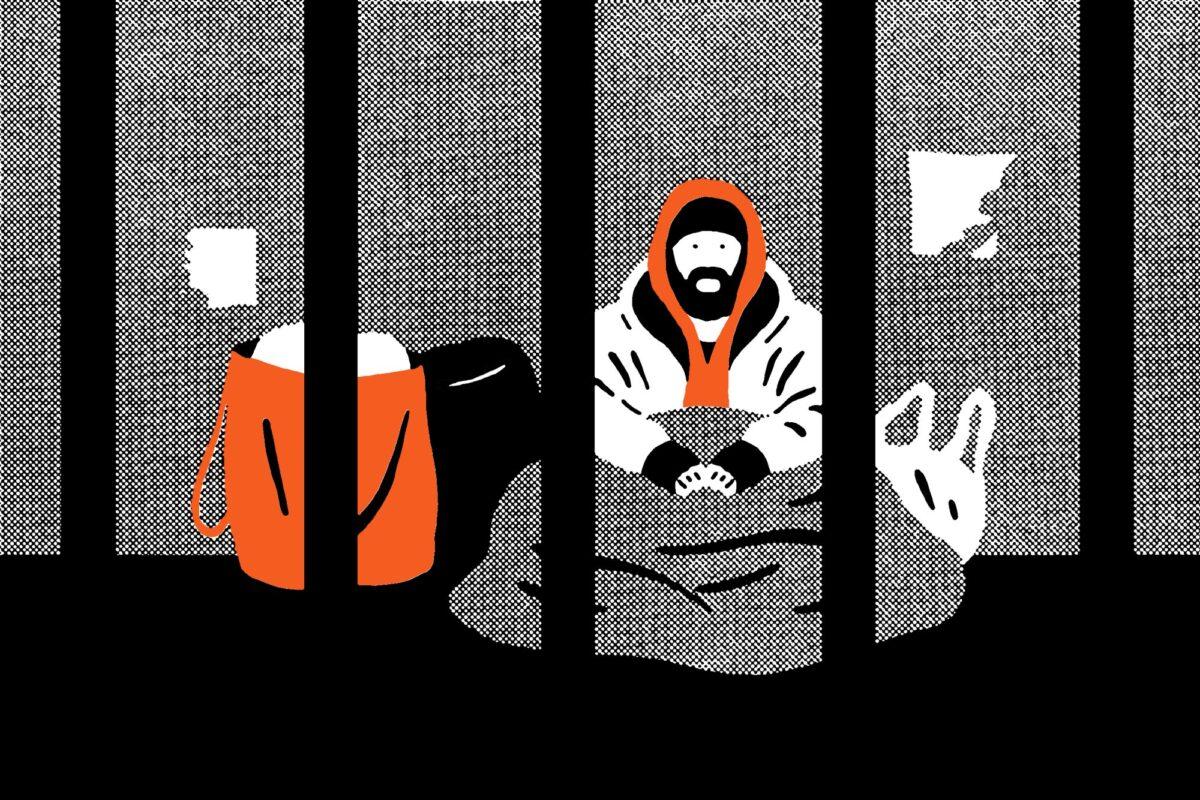
The Criminalization of Homelessness: Explained
Most evenings, Aguirre Dick rides his bike about three miles from the streets of Waikiki in Honolulu to the slopes of a volcano, where he sleeps. If he doesn’t make that trek, he could be arrested. A 2014 law made it illegal to sit or lie down on the public sidewalks in Waikiki. As a result of this law, those without homes, like Aguirre, live in constant fear of being pushed into the criminal justice system simply because they are too poor to own or rent lodging. Liz Barney / The Guardian
Bail Reform: Explained
In September of 2017, Atlanta Police arrested 48-year-old Sean Ramsey for holding up a sign that read “homeless, please help,” an apparent violation of a law forbidding pedestrians from soliciting rides or business.

The Epidemic of Brady Violations: Explained
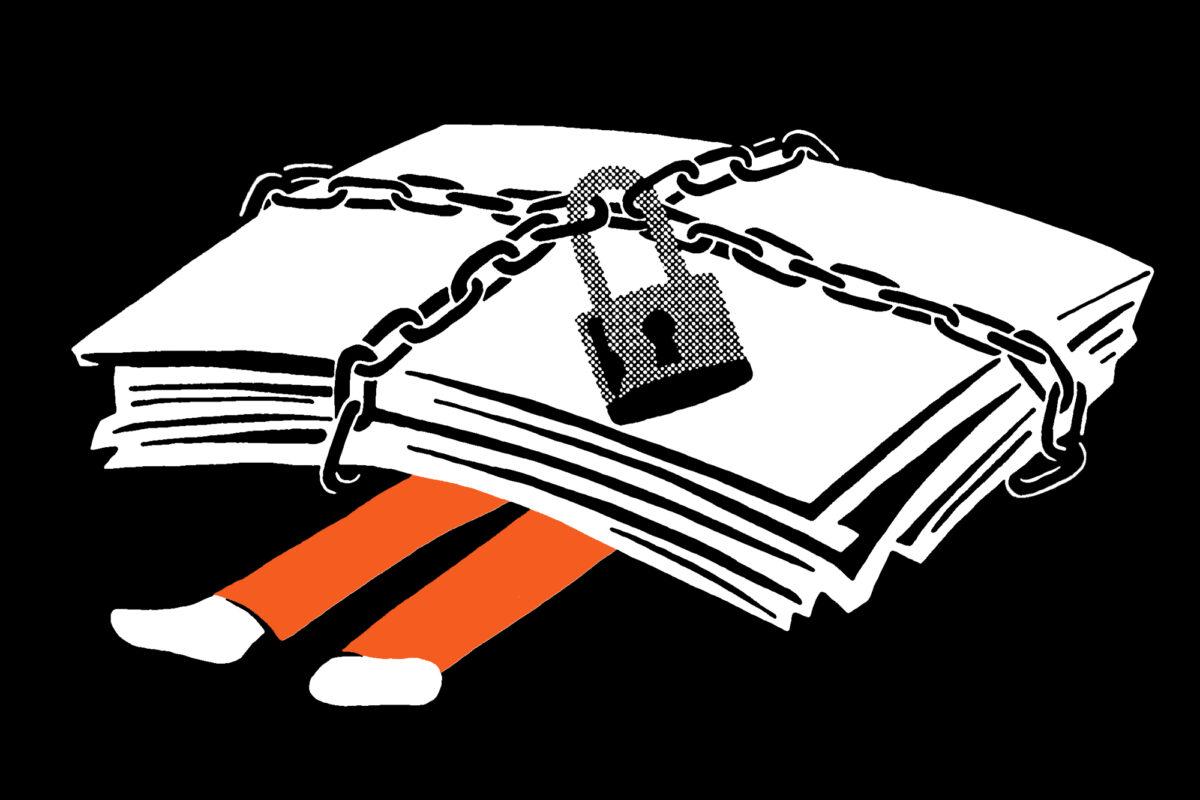
In courtrooms across America, prosecutors regularly withhold evidence from the defense that could blow holes in their cases.