Policing Is Not ‘Public Safety’
Real public safety policies should promote overall health and account for the extraordinary harm that policing and incarceration inflict.


Real public safety policies should promote overall health and account for the extraordinary harm that policing and incarceration inflict.

American society has so racialized the concept of “gangs” that tying gang affiliation to imprisonment fails to seek justice.

Ending false confessions is a moral imperative that requires action from police and all the stakeholders in the criminal legal system.

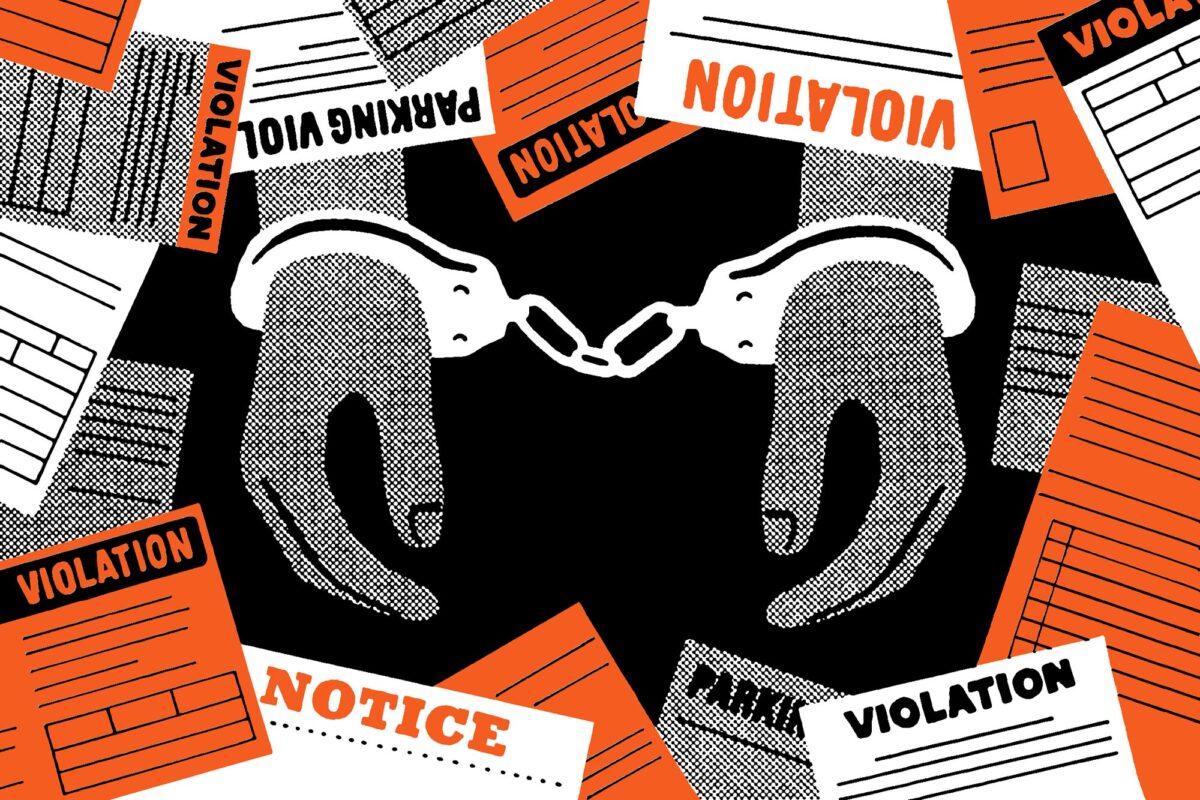
As calls to remove police from traffic enforcement grow, state and local governments must consider how automation can lead to true reform.

The pattern of reform and fearmongering is the latest example of lawmakers weaponizing the age-old false connection between race, fear, and criminality.
Only by understanding the structure, power, and impact of the lower courts can we begin to address how local judges can better serve their communities.
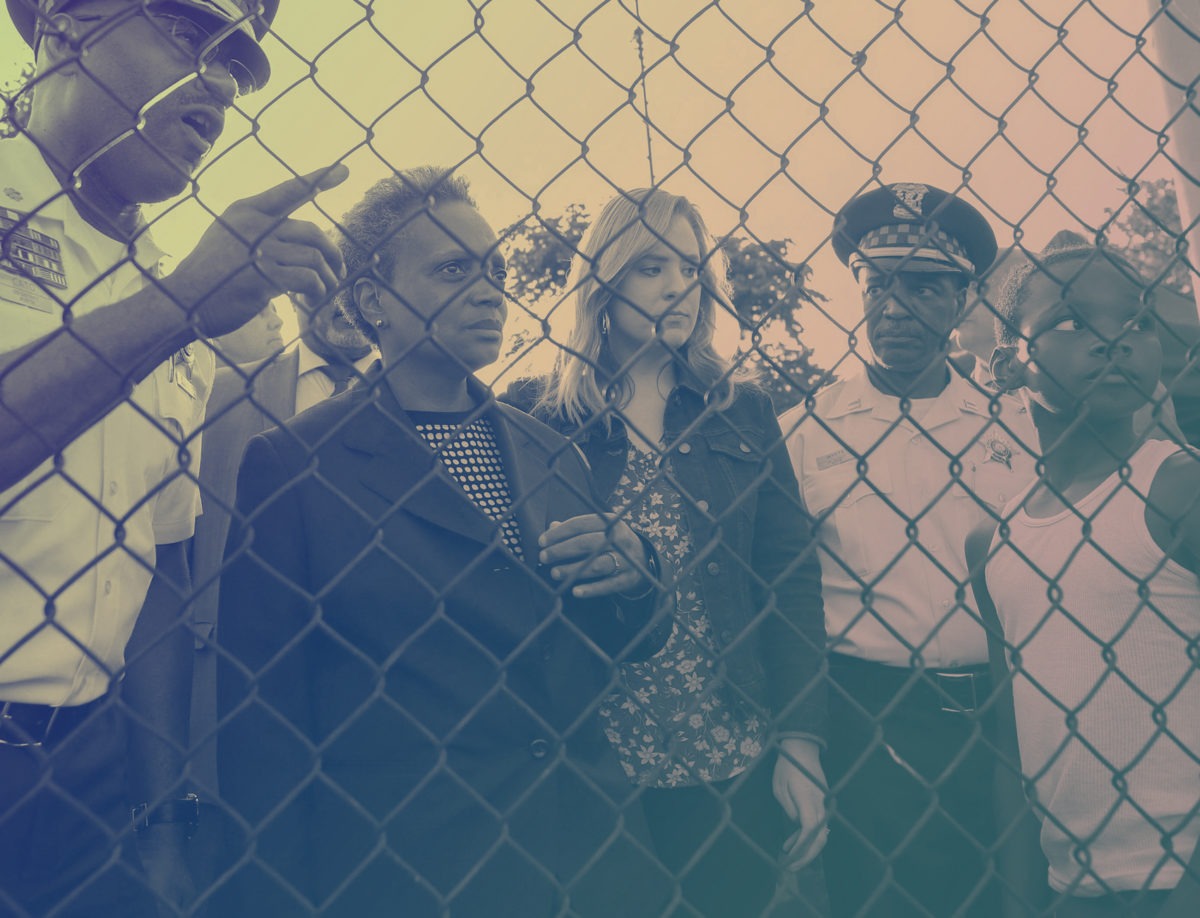
Mayors are uniquely positioned to upend a system that devalues Black Lives, and to catalyze transformative change away from policing.

The PLRA chokes off meritorious litigation, leaving incarcerated people without the means to preserve life and limb.
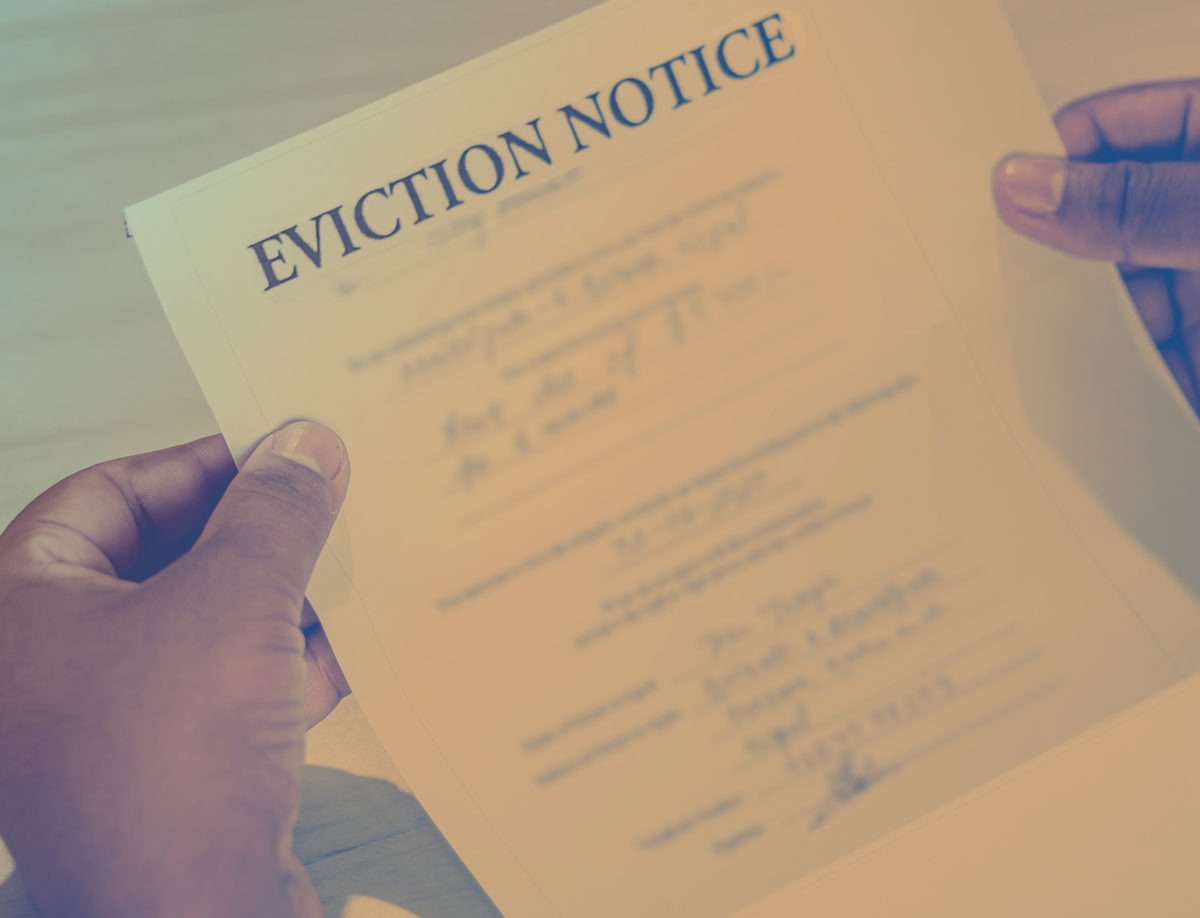
Eviction courts are not the great equalizer but rather part of the machine driving a national eviction crisis.
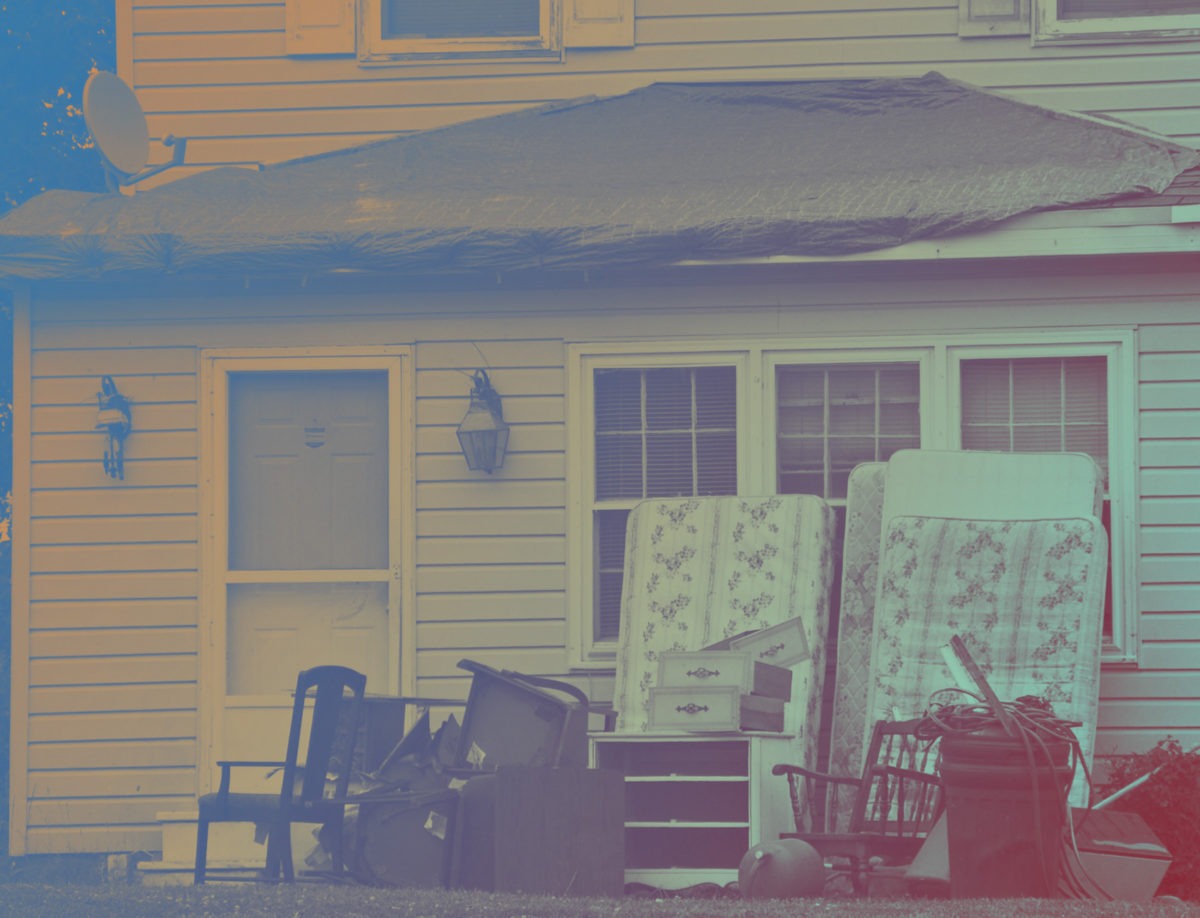
The patchwork of local, state, and federal eviction moratoria have proven porous, needlessly complicated, poorly understood, and rarely enforced.

Incarcerating someone for a noncriminal rule violation doesn’t improve outcomes or safety; it does the opposite.
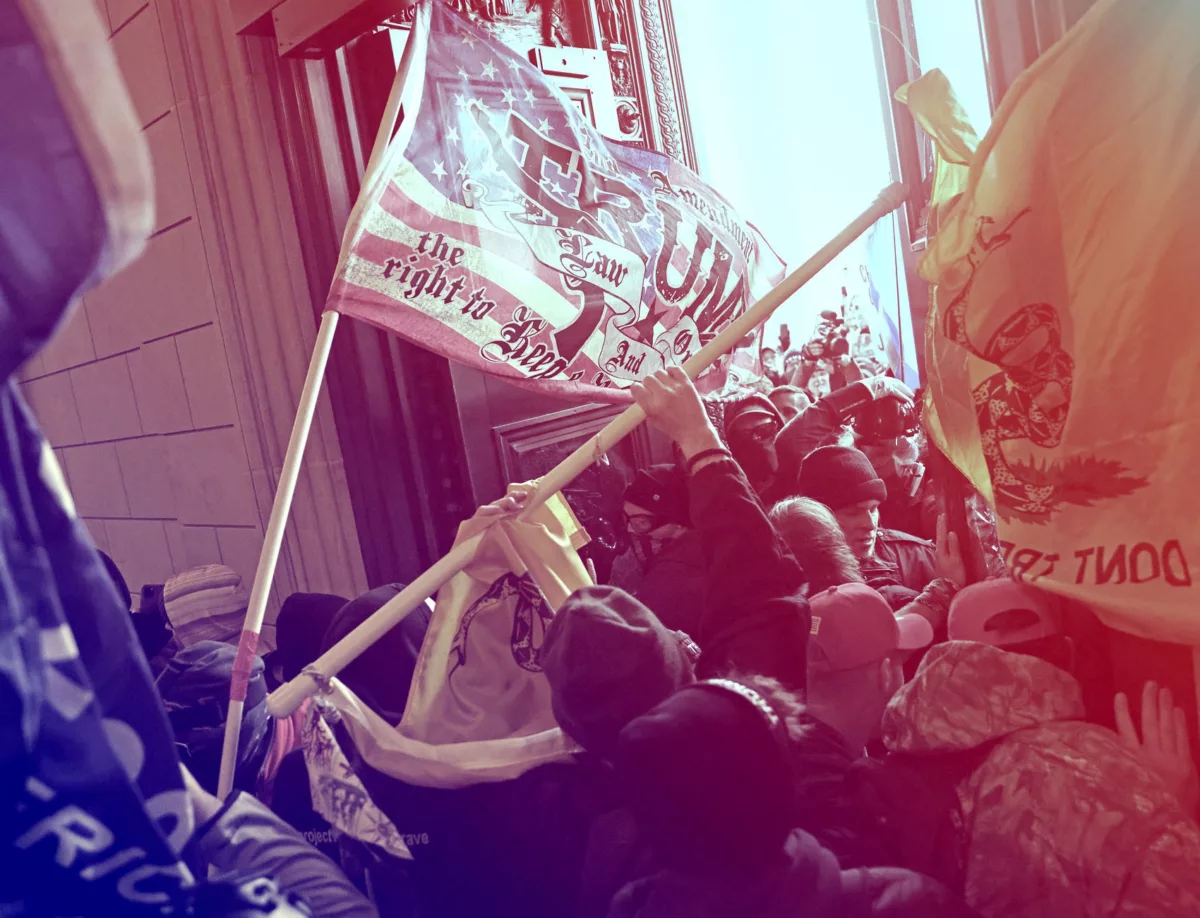
The felony murder rule has a long and complicated history that is worth examining precisely because it’s not that simple.
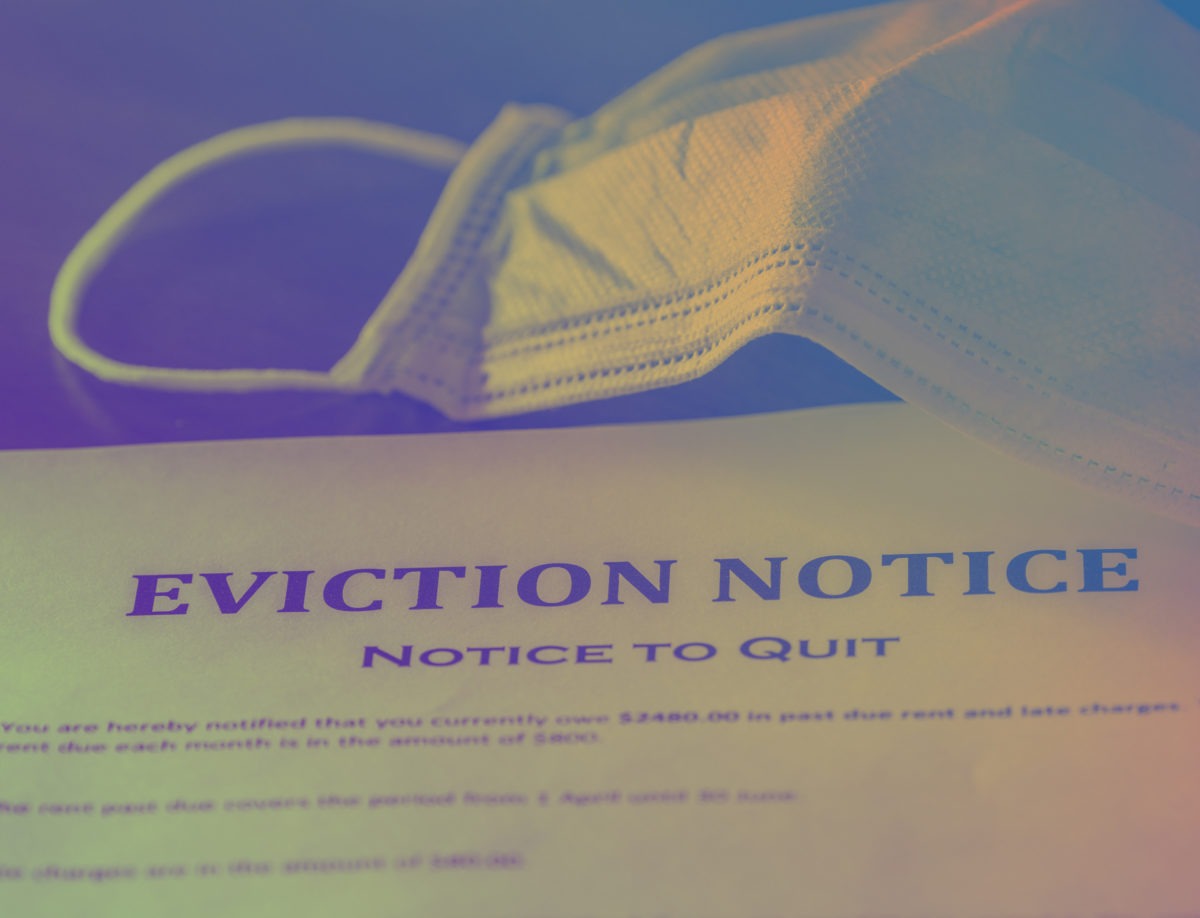
Addressing extreme housing precarity requires more than rental assistance; it requires an overhaul of the system and redress of the longstanding discriminatory housing policies that led to this moment.

The latest frontier in drug reform has been the loosening of legal restrictions on psilocybin—the psychoactive compound in “magic mushrooms.”
Prosecutor associations consistently wield their policy influence to oppose the growing movement for criminal justice reform.

Crime-free housing ordinances are part of a legacy of local laws and policies used to perpetuate racial segregation in housing, policies which have outlived both chattel slavery and Jim Crow.
The attorney general is the top law enforcement officer in the state, a position that comes with broad authority and discretion.

The high-stakes litigation involves issues ranging from whether the companies deceived the public about climate change to fine points of federal jurisdiction.

How a 60-year-old legal doctrine lets law enforcement officers off the hook for violating civil rights.