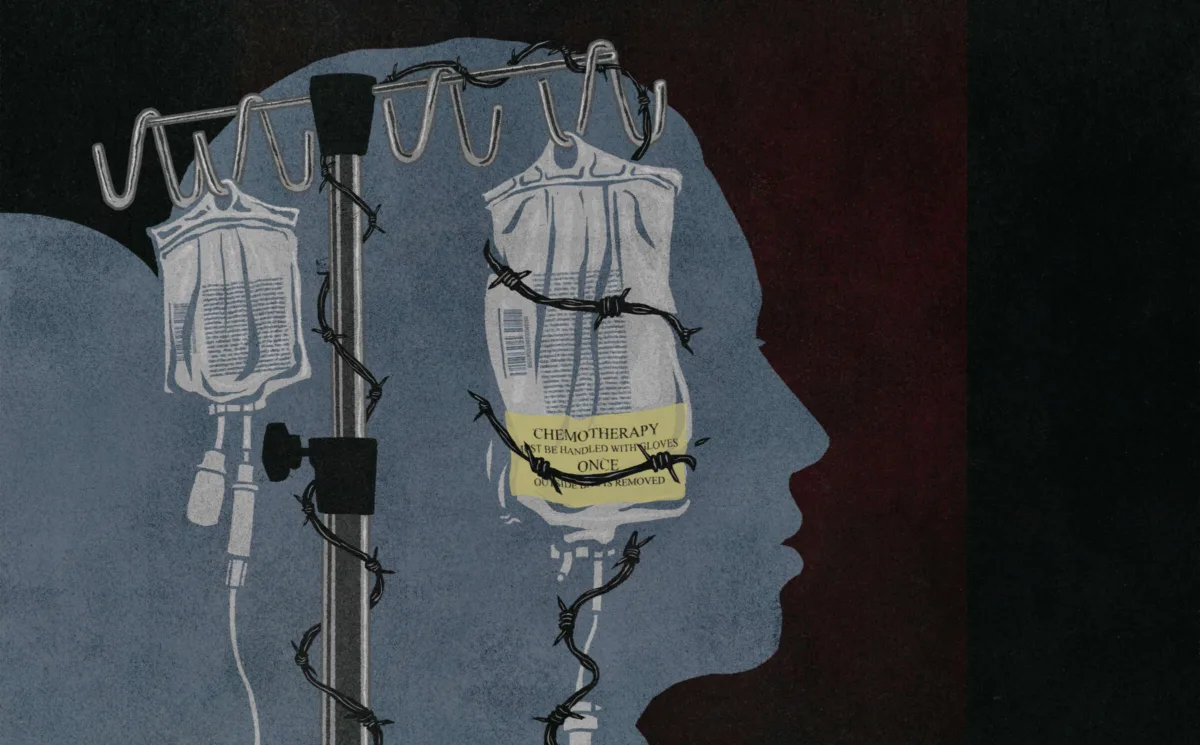
Cancer in Prison: A Death Sentence?
All around us, authorities work to steal our life force. I won’t let them take it in the time I have left.

All around us, authorities work to steal our life force. I won’t let them take it in the time I have left.

In a ruling earlier this month, U.S. District Judge Roy B. Dalton blasted the federal prison agency for a pattern of medical neglect after officials ignored his order to schedule an appointment with a specialist for a woman at high risk of breast cancer.

A lawsuit filed by Disability Rights Pennsylvania says that the state’s prison system restricts access to insulin pumps and glucose monitors, putting people with Type 1 diabetes at risk of death or serious injuries.

Staff at Philadelphia’s Curran Fromhold Correctional Facility allegedly did not give Louis Jung Jr. his insulin for six straight days. Jung’s family says his treatment exemplifies how the jail treats everyone.
A woman incarcerated in Georgia since 1992 says she has endured significant abuse, including forcefully having her head shaved, abrupt stops to her hormone therapy, and sexual assault. She has repeatedly attempted suicide and has been in solitary since 2019.
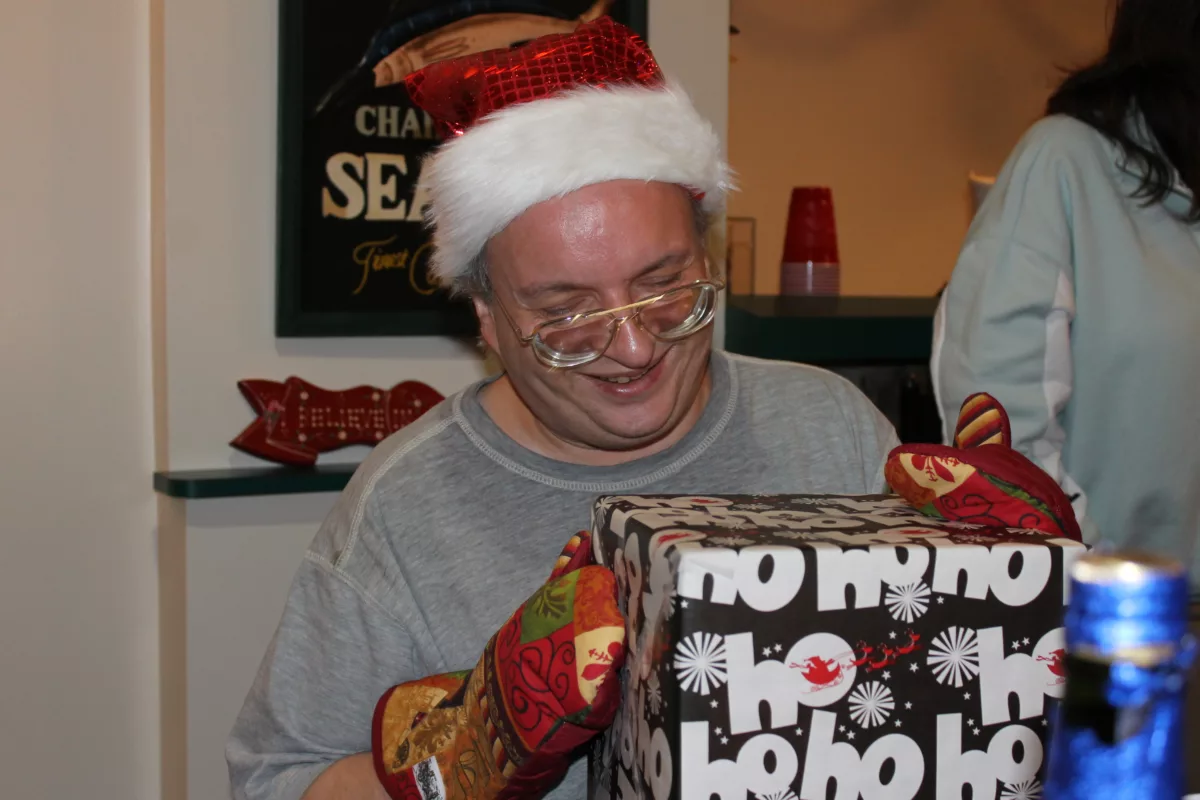
Last year, 57-year-old Anthony Talotta allegedly contracted sepsis and died after a stint in the Allegheny County Jail. His family is now suing—and says his death is part of a systemic culture of medical neglect at the facility.
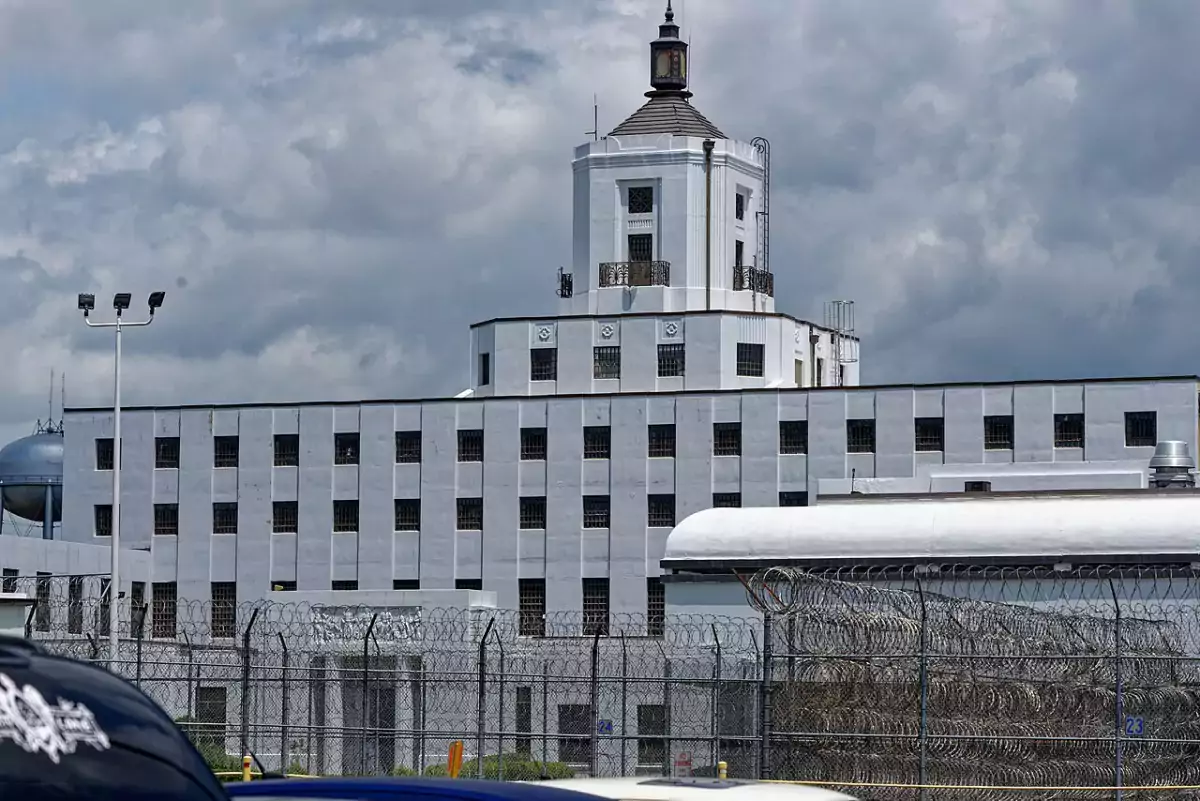
Placement in a halfway house can significantly improve someone’s chances of reintegrating into society after prison. But numerous people imprisoned in Georgia told The Appeal that they were denied access to the state’s transitional housing programs because of their medical conditions.