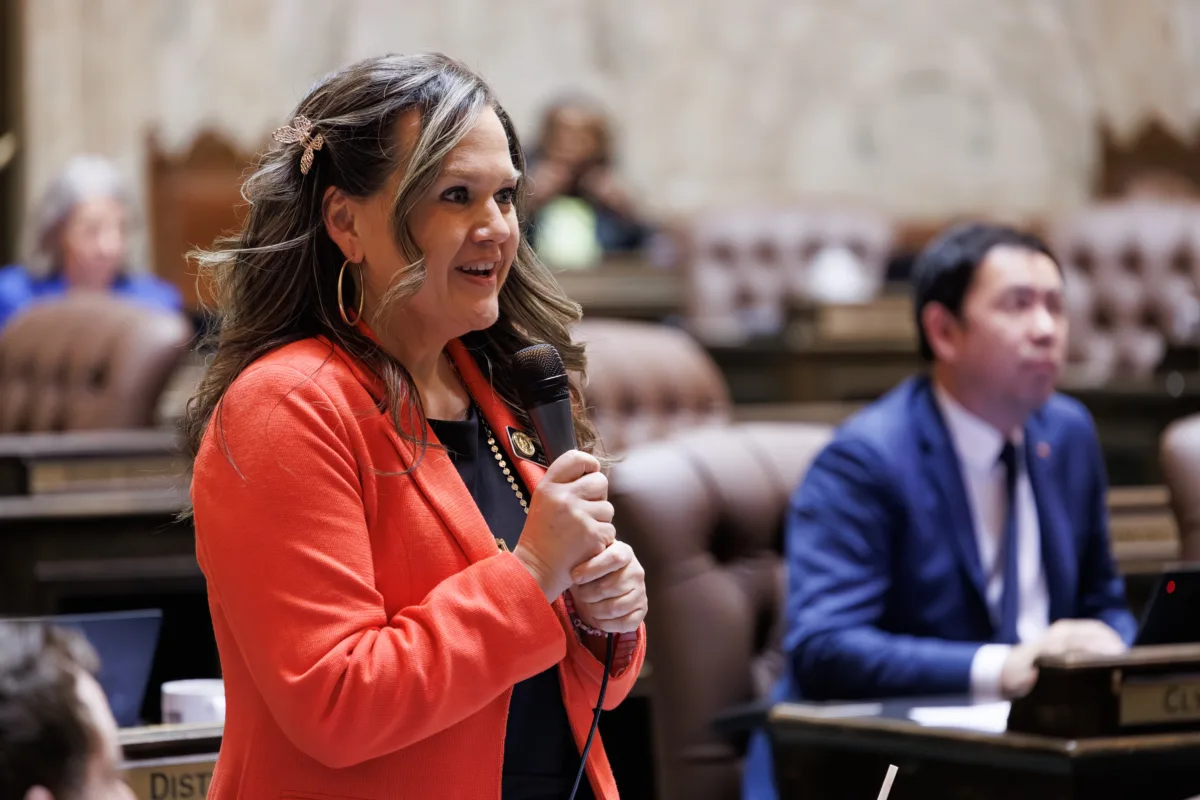
Formerly Incarcerated Women Are Pushing Systemic Change in Elected Office
From voting rights to wages to housing assistance, these officials advocate for systemic change to reduce incarceration.

From voting rights to wages to housing assistance, these officials advocate for systemic change to reduce incarceration.

The overall crime rate is nearly as low as it’s been in decades, but that hasn’t stopped officials from pushing draconian measures likely only to fuel mass incarceration and harm public safety. It’s time for a different approach.

At Kentucky’s Northpoint Training Center, incarcerated people are not allowed to participate in programs until they’re at least four years away from their parole board date—robbing people of years of educational opportunities.

The political paradigm emerging in Louisville is being formed by newcomers to local politics.

The Courier Journal’s Pulitzer Prize-winning reporting on Governor Matt Bevin’s commutations sensationalizes crime at the expense of future clemency efforts.

Louisville, Kentucky judges are ordering people with COVID-19 who have allegedly defied quarantine to wear GPS ankle monitors, raising ethical questions about the government’s role in a pandemic.

A case before the Kentucky Supreme Court involves a challenge to the practice of charging people for the time they are held in jail even if they are ultimately not convicted of the charges against them.

The bill would disproportionately affect the 140,000 people whose voting rights were recently restored.

A claimed victory in Kentucky and wins in Virginia mean hundreds of thousands of people could have their right to vote restored.
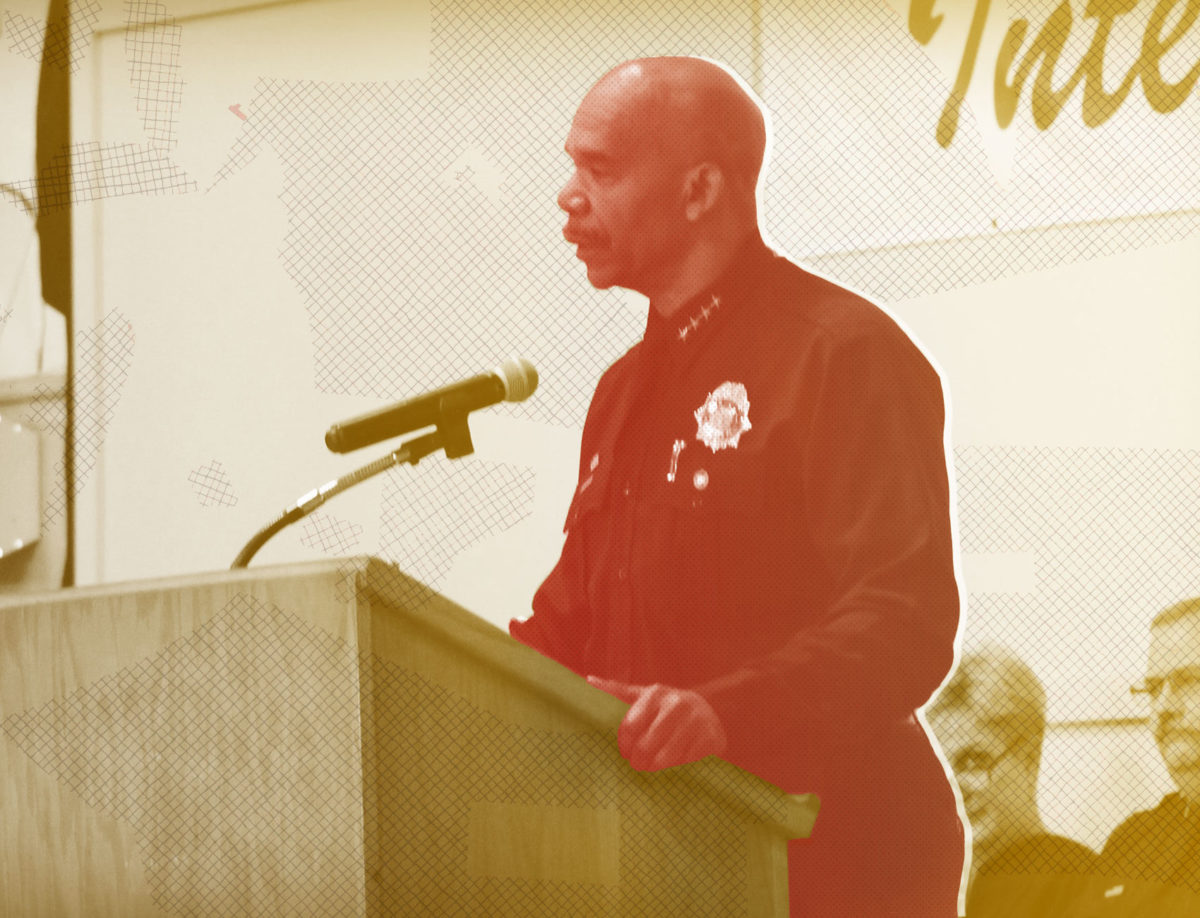
A federal lawsuit claims that Asheville, North Carolina’s interim chief, Robert C. White, prevented a rape victim from filing a complaint against an officer when he led the Louisville, Kentucky, department.

The Boyd County Detention Center has been consumed in chaos, even as the DOJ investigates it. Now, the community is pinning hopes for reform on a new jailer.