
Using Nitrogen Gas For Executions Is Untested and Poorly Understood. Three States Plan to Do It Anyway.
Oklahoma, Mississippi, and Alabama have all authorized the practice in capital punishment. So what happens now?

Oklahoma, Mississippi, and Alabama have all authorized the practice in capital punishment. So what happens now?
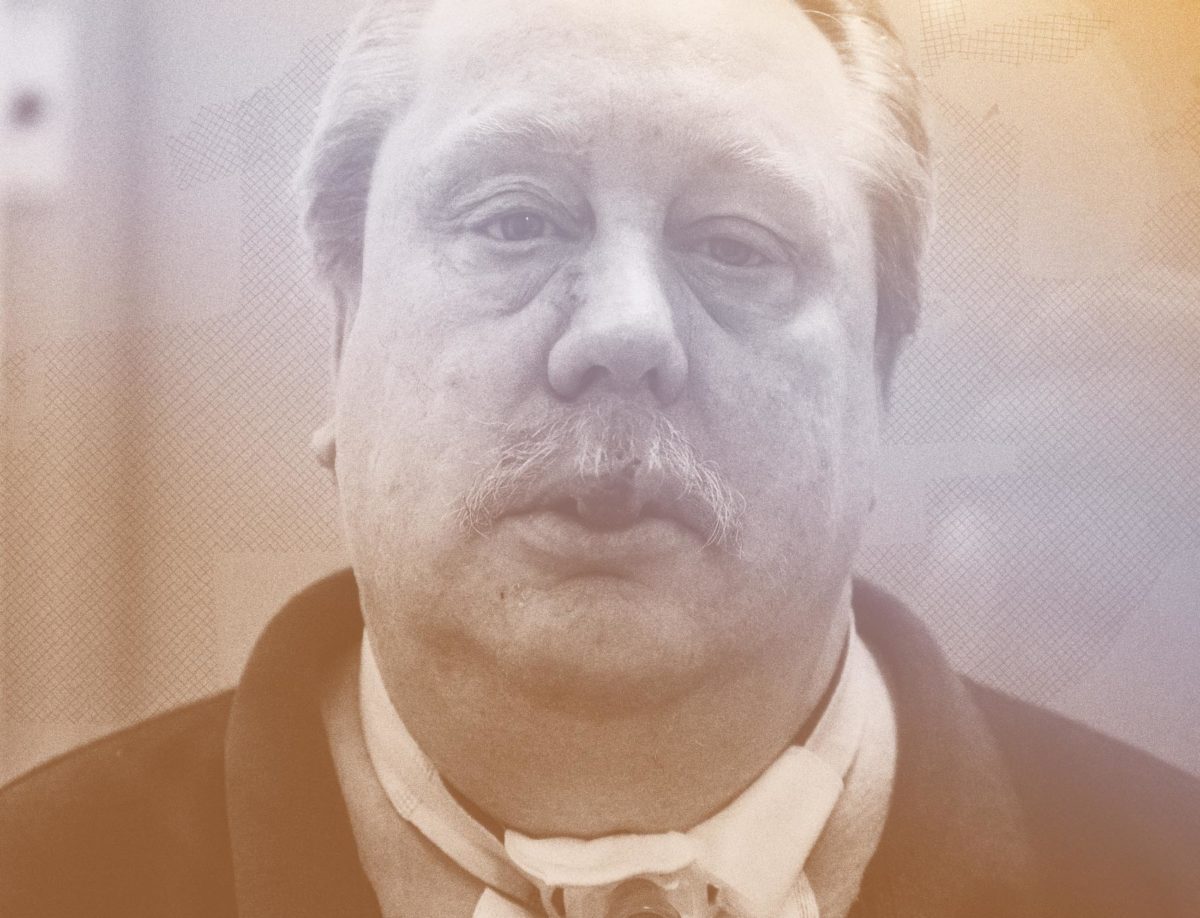
His legal team had pushed for clemency, arguing that Bucklew’s previous attorneys mishandled his capital murder case.
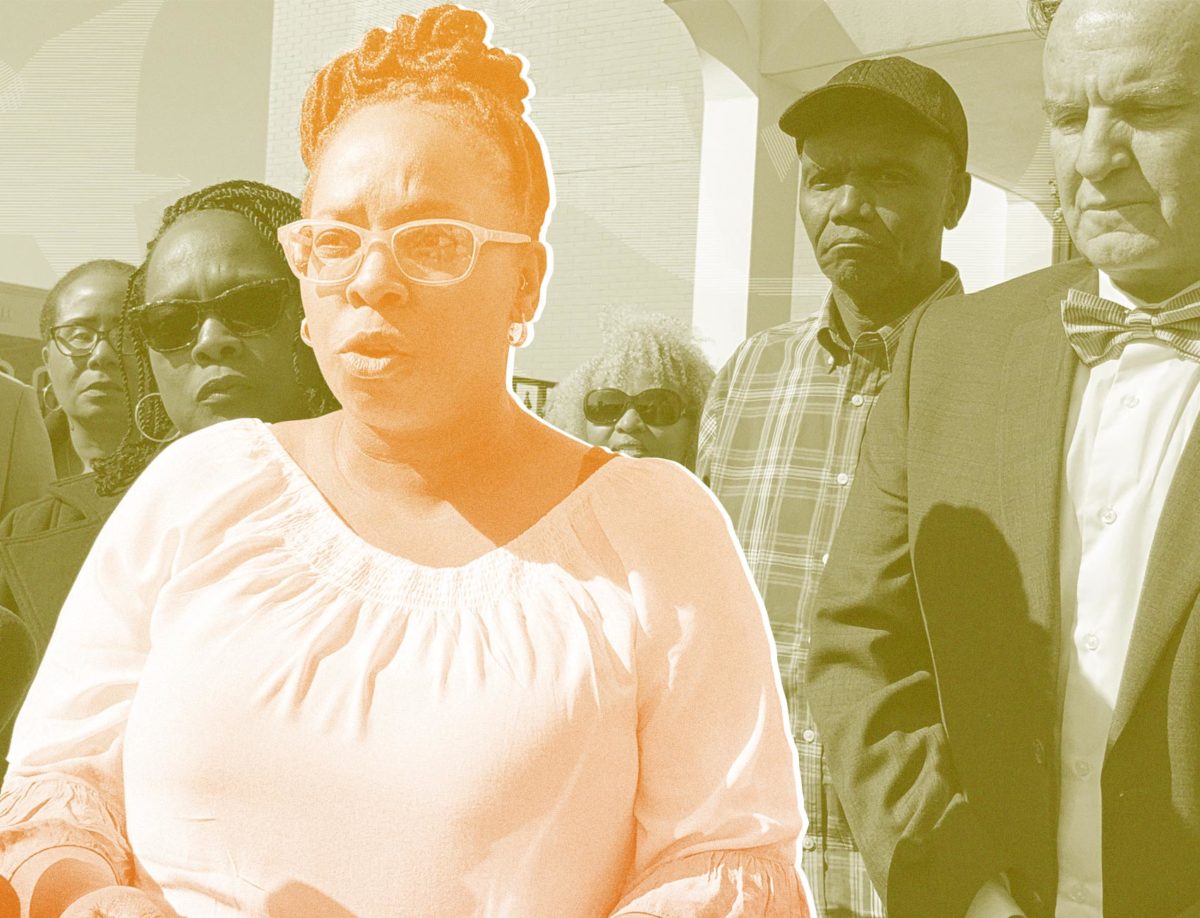
In March, Coley McCraney was arrested and charged with capital murder in the 1999 killings of two teenage girls. But his attorneys say he’s innocent, and are now seeking information related to alleged police involvement in the homicides.
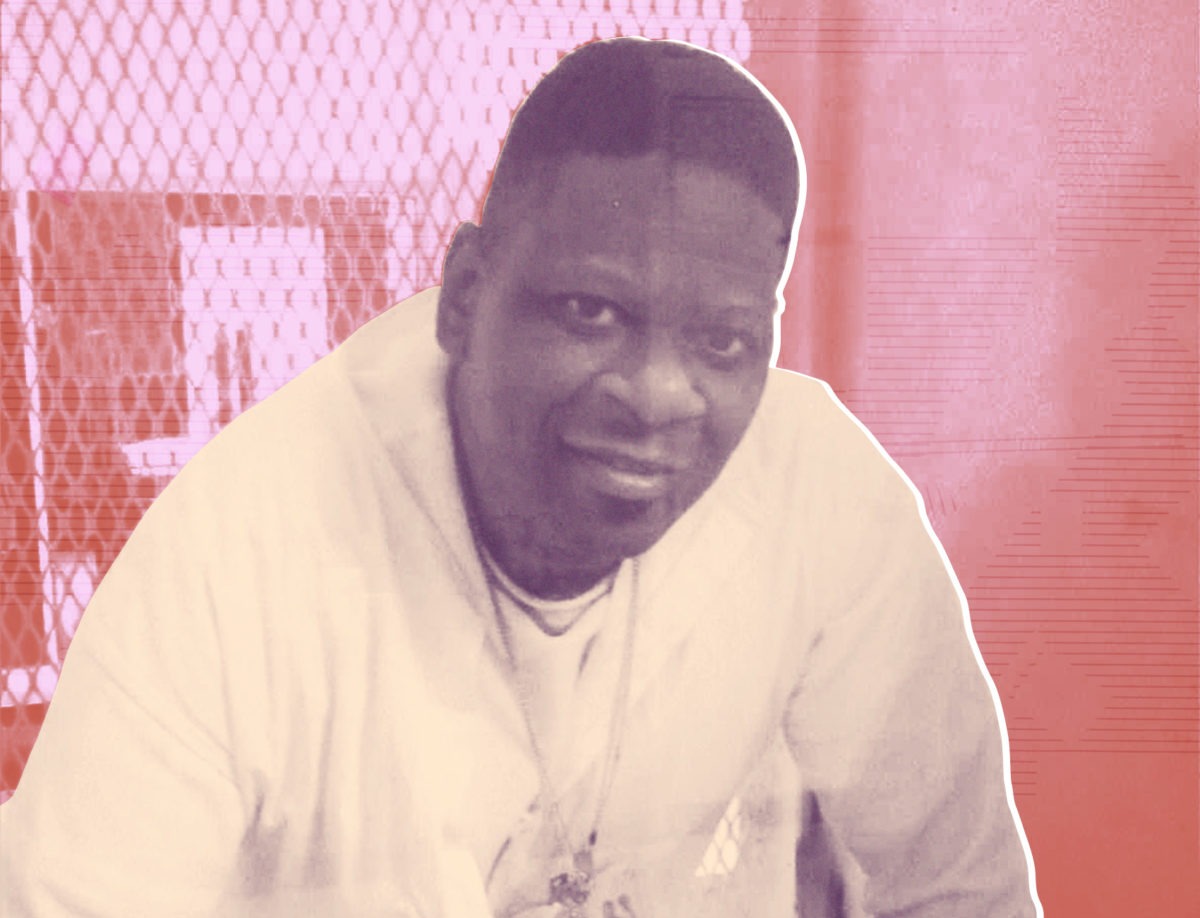
Rodney Reed, set to be executed on Nov. 20, is innocent of a rape and murder, his lawyers say, and untested evidence will prove it. But prosecutors have pushed back, arguing the evidence is contaminated.

Civil rights groups demand change as other states move away from the practice of isolating people sentenced to death.
In April, the U.S. Supreme Court ruled that his execution, which experts have said will be bloody and gruesome, does not amount to cruel and unusual punishment. But problems with his case started long before that, his attorneys say.
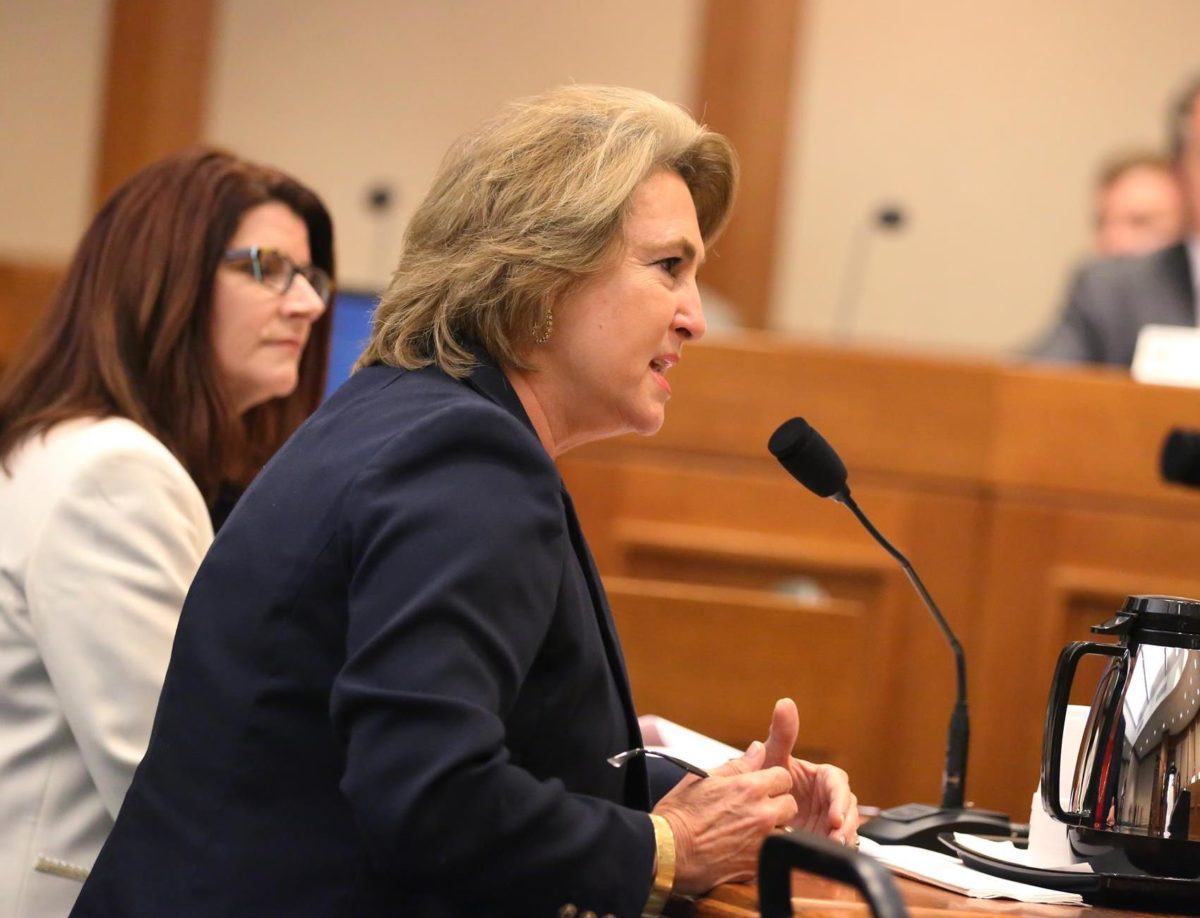
Kim Ogg ran as a reform-minded district attorney candidate, but her office has sought two death warrants for Dexter Johnson, whose lawyer says cannot name everyday objects and has an IQ of 70.

A statewide pattern of discrimination in jury selection has gone largely uncorrected, while lives remain in the balance, advocates say.
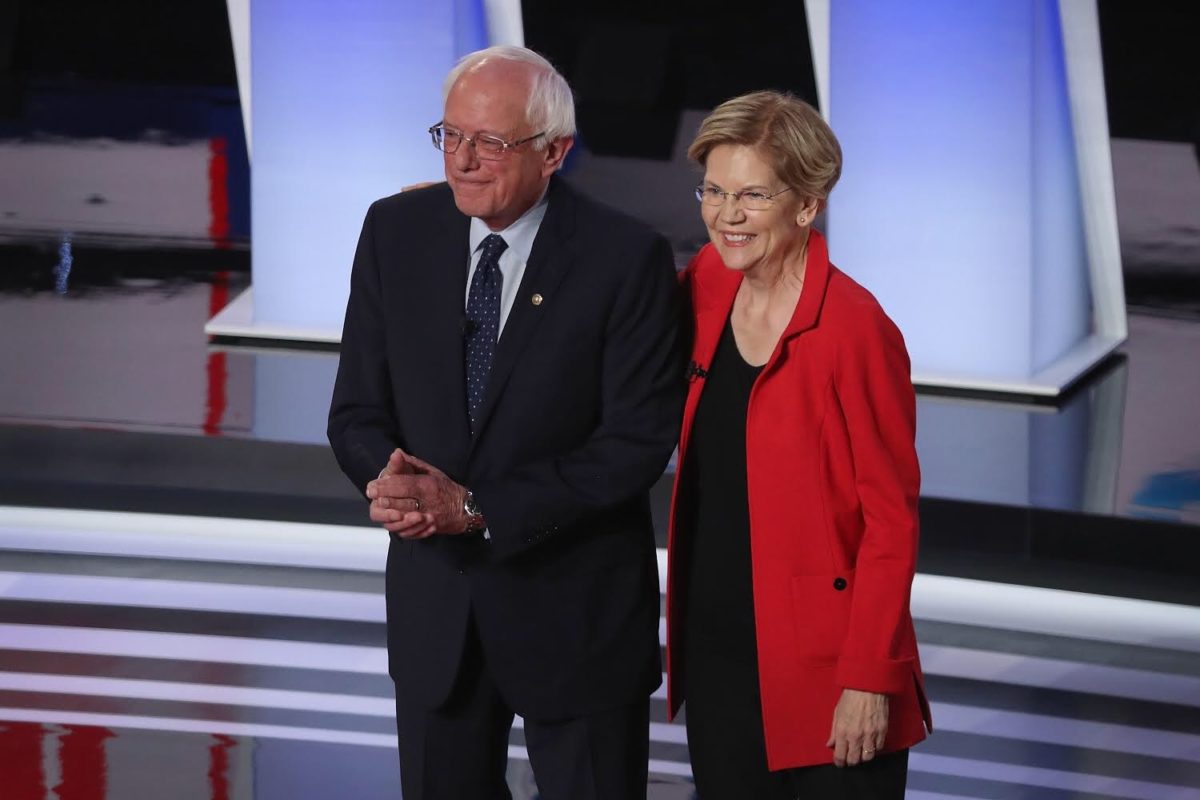
The 2020 presidential candidates recently unveiled national criminal justice agendas that reimagine public safety and punishment.
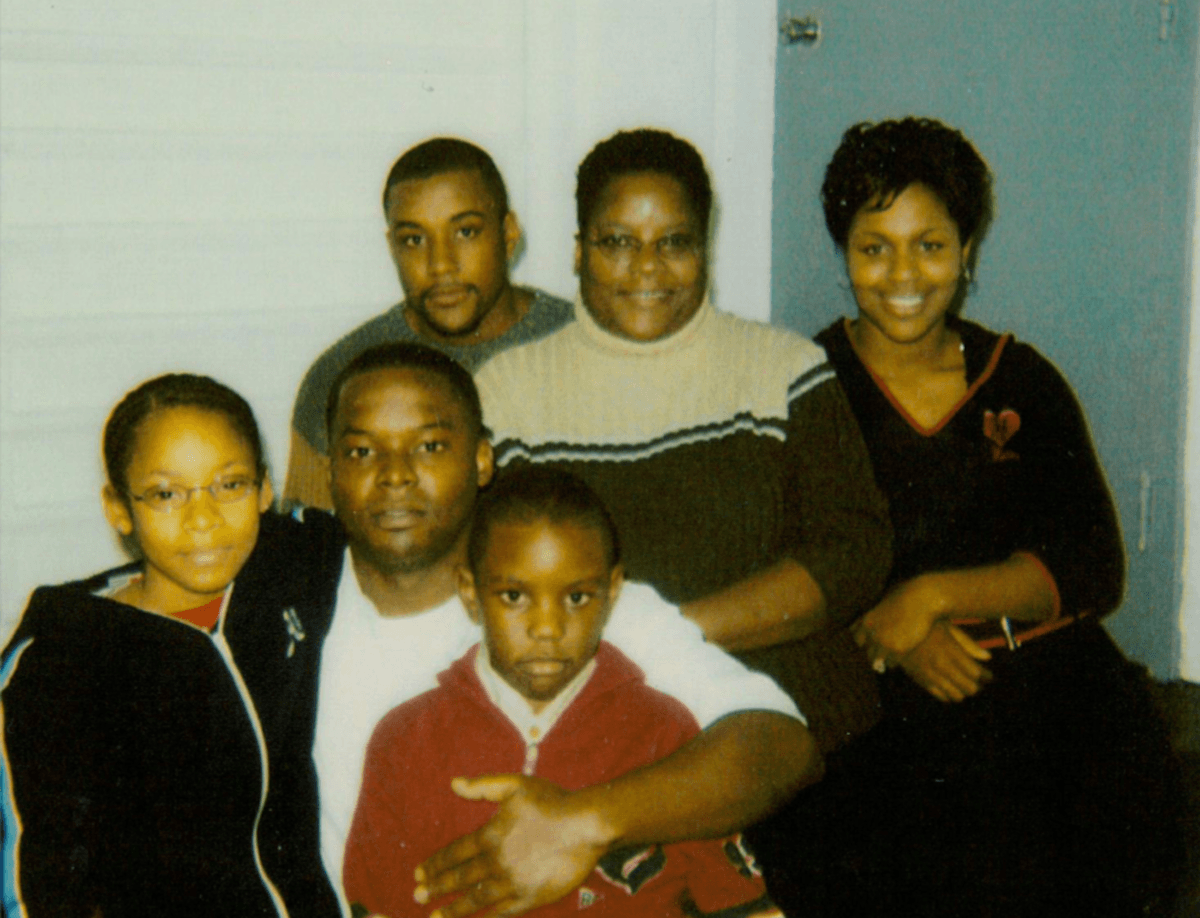
In 1998, prosecutors failed to tell the defense that a key witness in Toforest Johnson’s capital murder trial would receive thousands of dollars in reward money for her testimony, Johnson’s attorneys say. Now a Birmingham judge must decide whether their argument has merit.

Richard Kinder thought he would die in an Alabama prison until the Supreme Court ruled mandatory juvenile life without parole unconstitutional. But last year, despite a judge concluding there was “uncontradicted evidence” that Kinder had worked to rehabilitate himself, the state parole board refused him release.
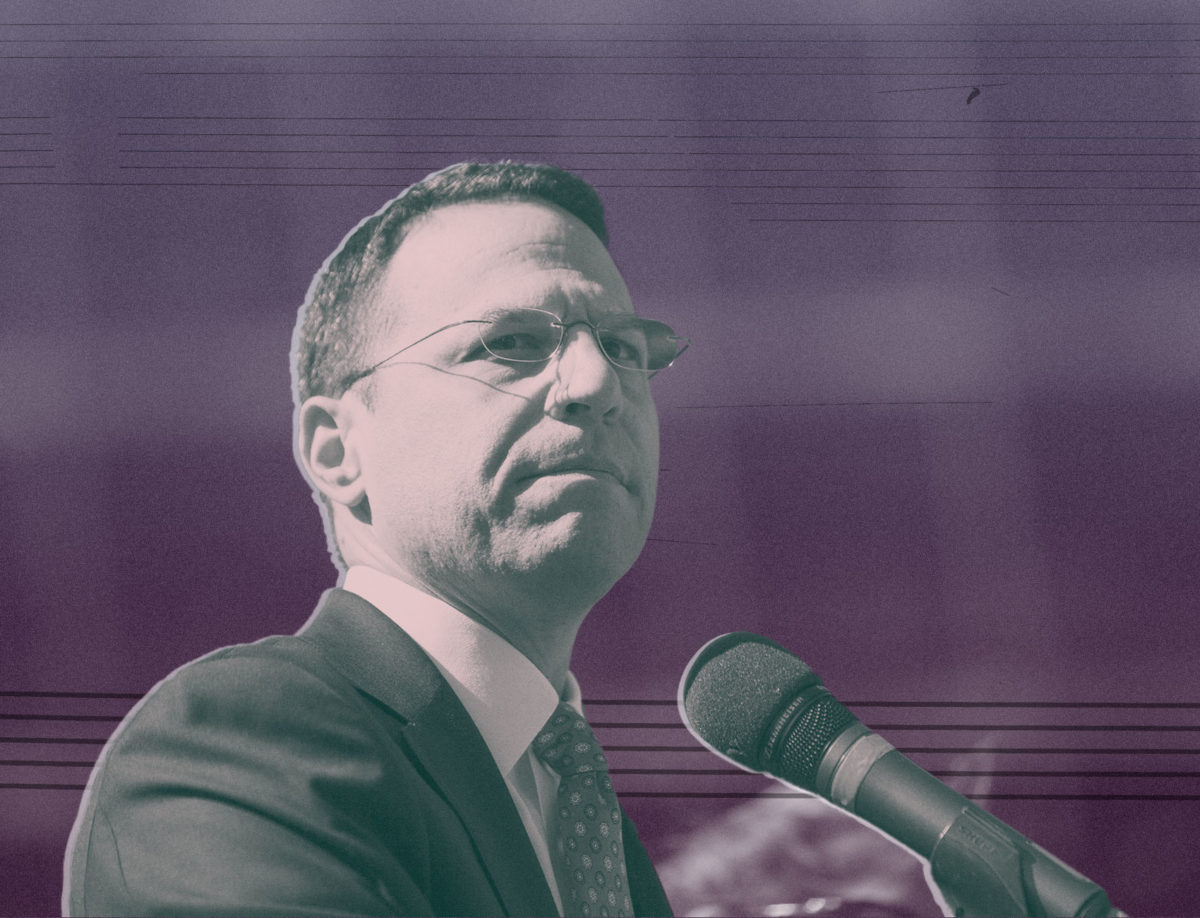
When it comes to criminal justice, advocates say, Attorney General Josh Shapiro seems intent on maintaining the status quo.
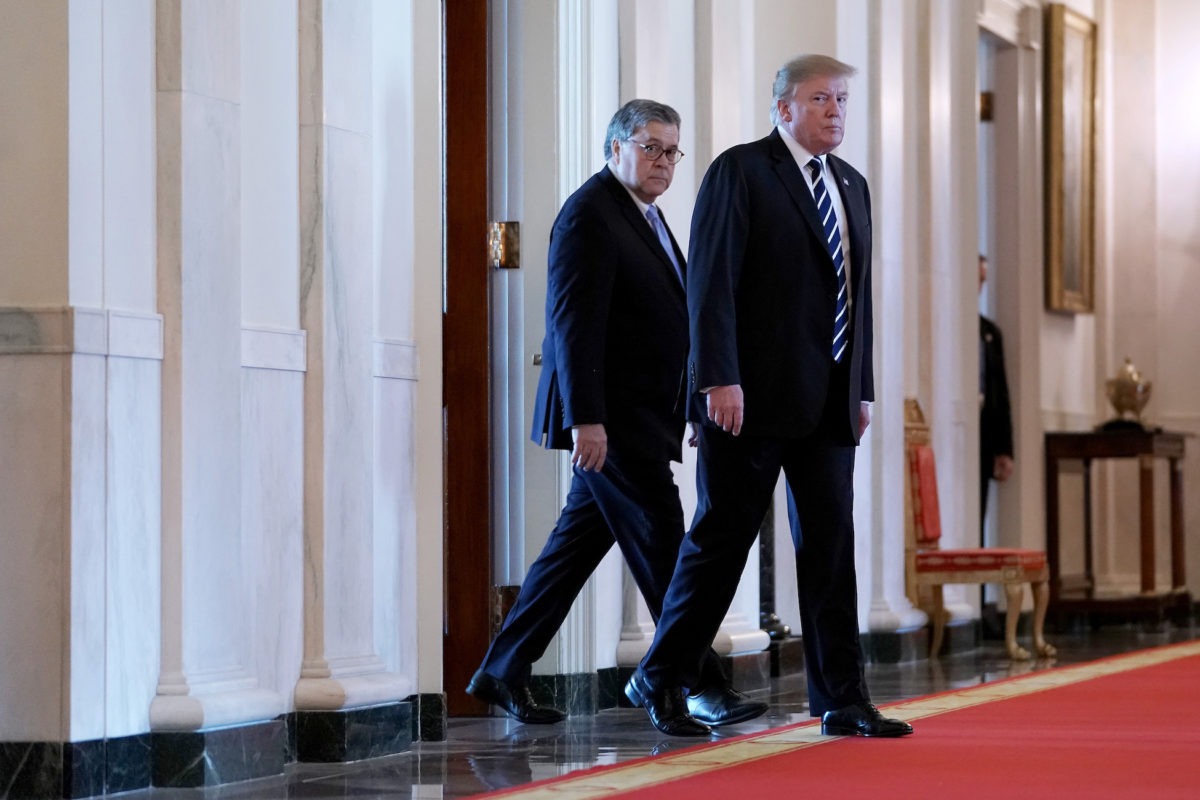
The death penalty in the U.S. is dying, and yet Attorney General William Barr announced that the federal government would begin executing people for the first time since 2003.
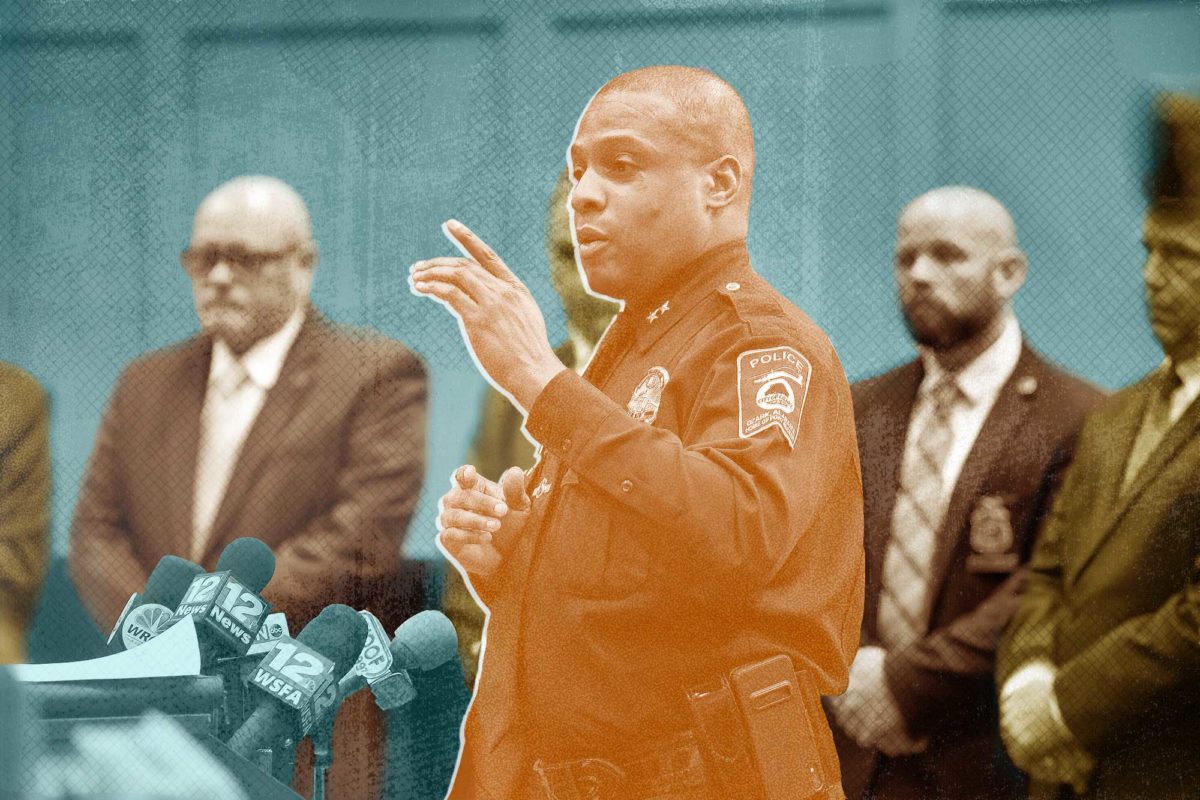
Police in Ozark said they solved the 1999 murders of two teenage girls using a genealogy database. But Coley McCraney‘s attorneys say that the case against their client is far from certain.
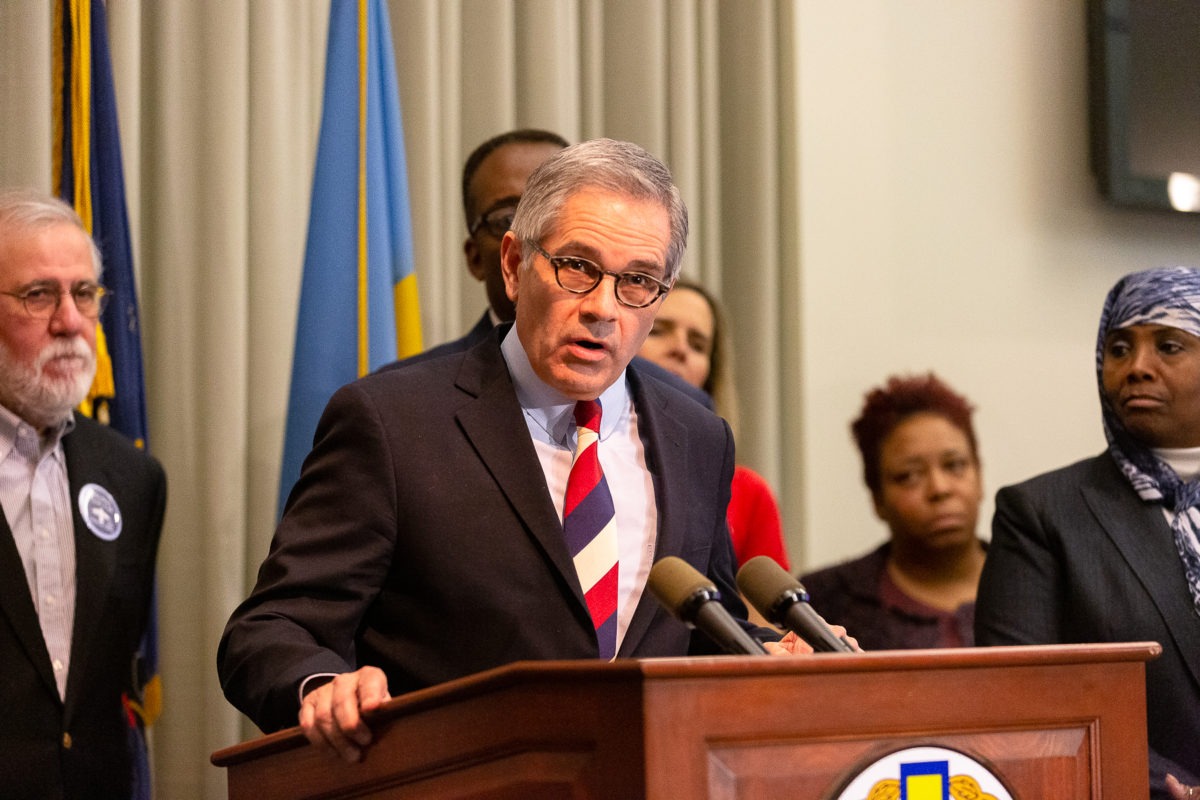
Larry Krasner says the punishment is ‘really about poverty’ and race.
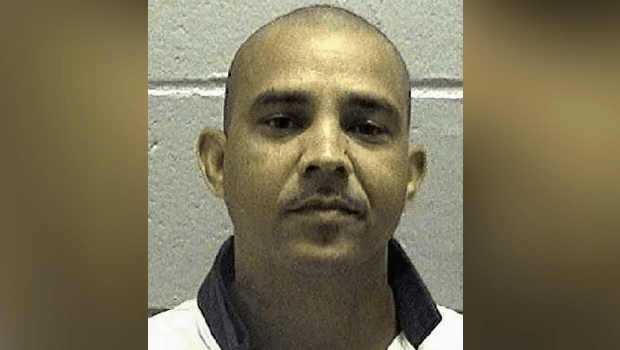
Marion Wilson’s was the 1,500th execution since 1976, the year Georgia resumed the death penalty after the Supreme Court’s decision in Gregg v. Georgia.

James Stewart, Caddo Parish’s DA, continues to defend controversial death sentences that originated with his predecessors.

A new report charges the Los Angeles DA with seeking the death penalty in unjust and harsh ways.

Since 2017, LaToni Daniel has been incarcerated pretrial in a capital murder case. During that time, Daniel became pregnant, and she just delivered a baby boy. But as she brings in new life, she also faces the death penalty.

DA Leon Cannizzarro used jailhouse informant Ronnie Morgan to convict a man in the killing of five teenagers, but the case was overturned. Now, Morgan is petitioning for a prison transfer, reviving the murder case.
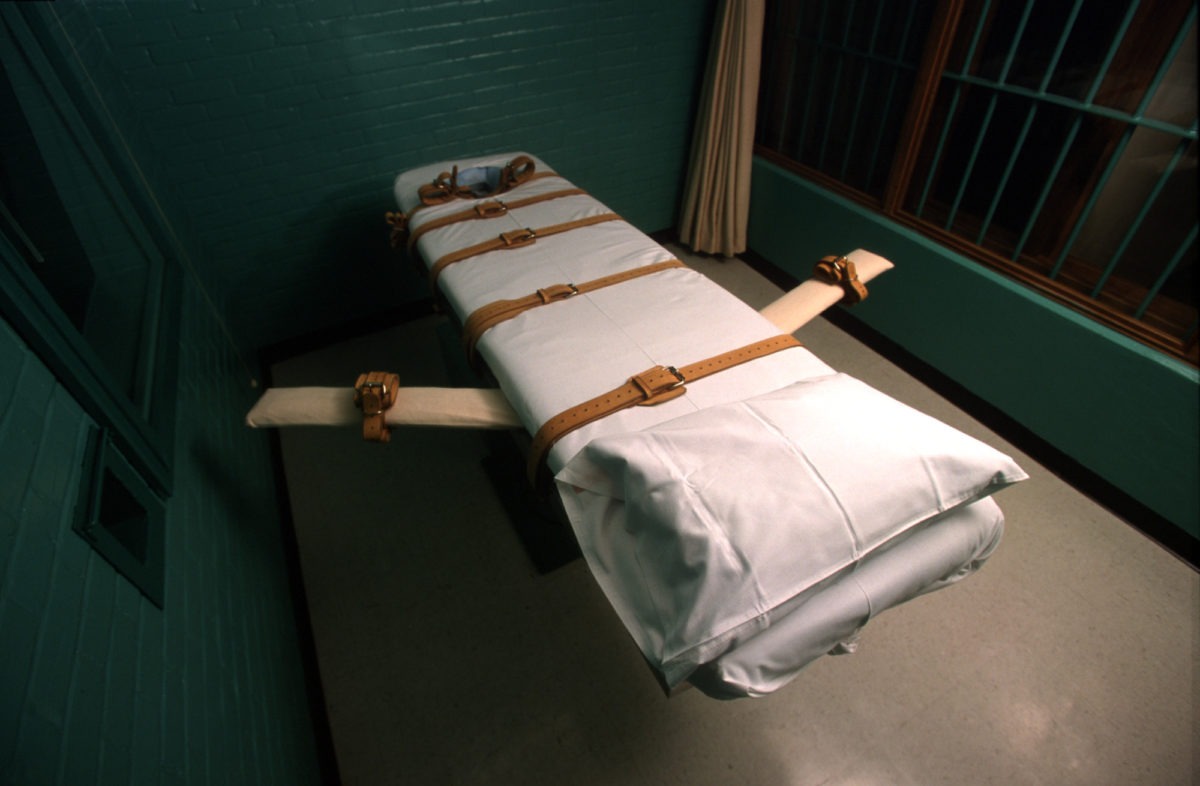
Patrick Murphy didn’t even learn about the murder until later that day. A controversial law allows him to be executed anyway.

California amended its felony murder law, which holds accomplices responsible for murder. But reform won’t reach a man sentenced to death in a deadly robbery—even though he was never accused of firing a shot.
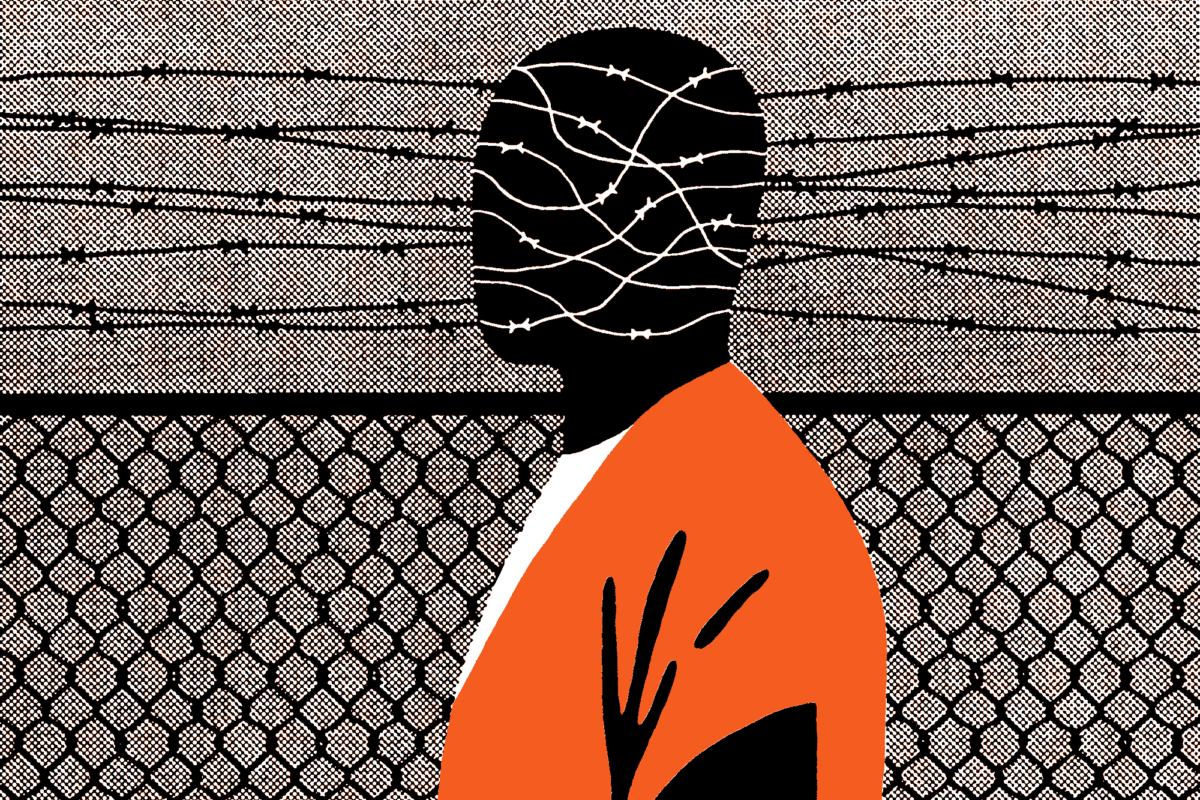
To beat the clock on the expiration of its lethal injection drug supply, this past April, Arkansas tried to execute eight men over eleven days. The stories told in frantic legal filings and clemency petitions revealed a deeply disturbing picture.

A single training document uncovered in a prosecutor’s files could save Russell William Tucker’s life.
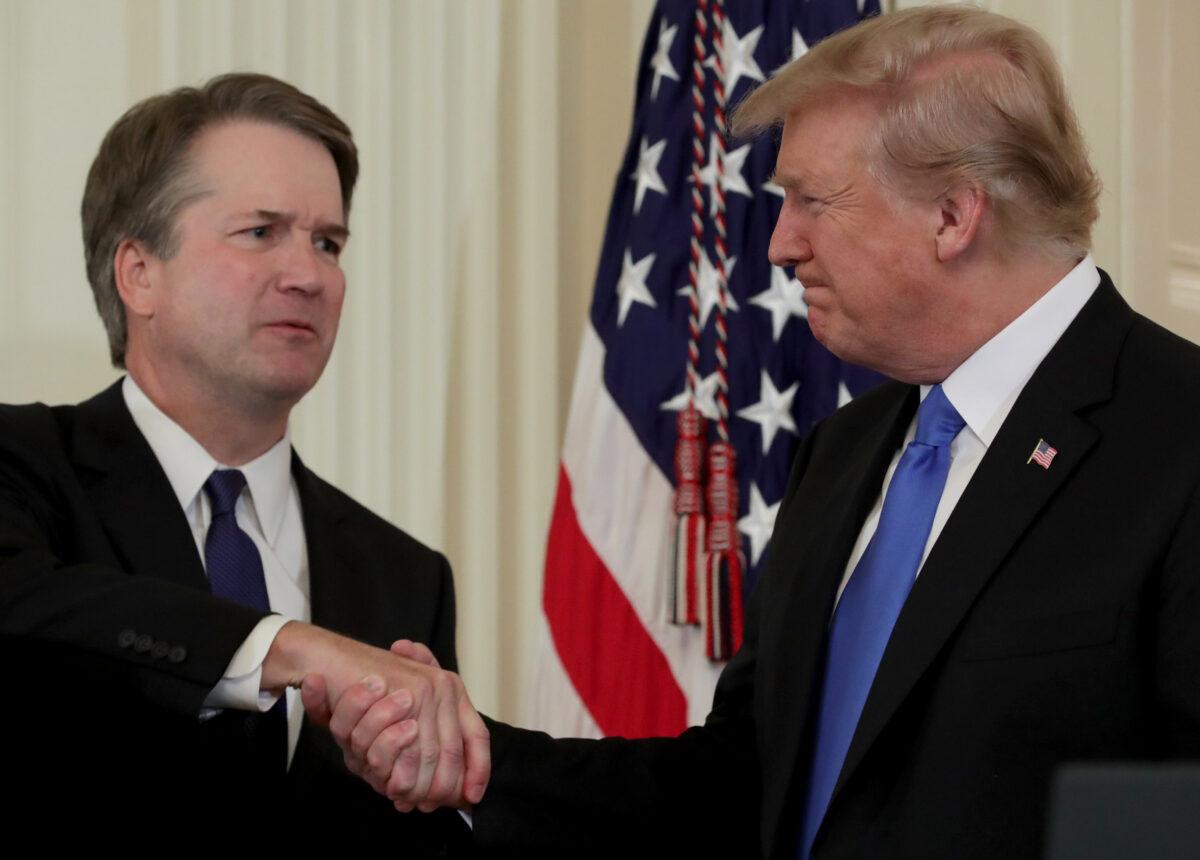
Trump’s pick to replace Justice Kennedy would most likely undermine the rights of criminal defendants and stall progress on solitary confinement, prisoners’ rights, and the death penalty.

Did a Louisiana police chief and a prosecutor cross a line when they issued televised threats to a man who’d just been granted relief by a federal appeals court in a child killing?
Death penalty mitigation offers juries a chance to see defendants in a different light.


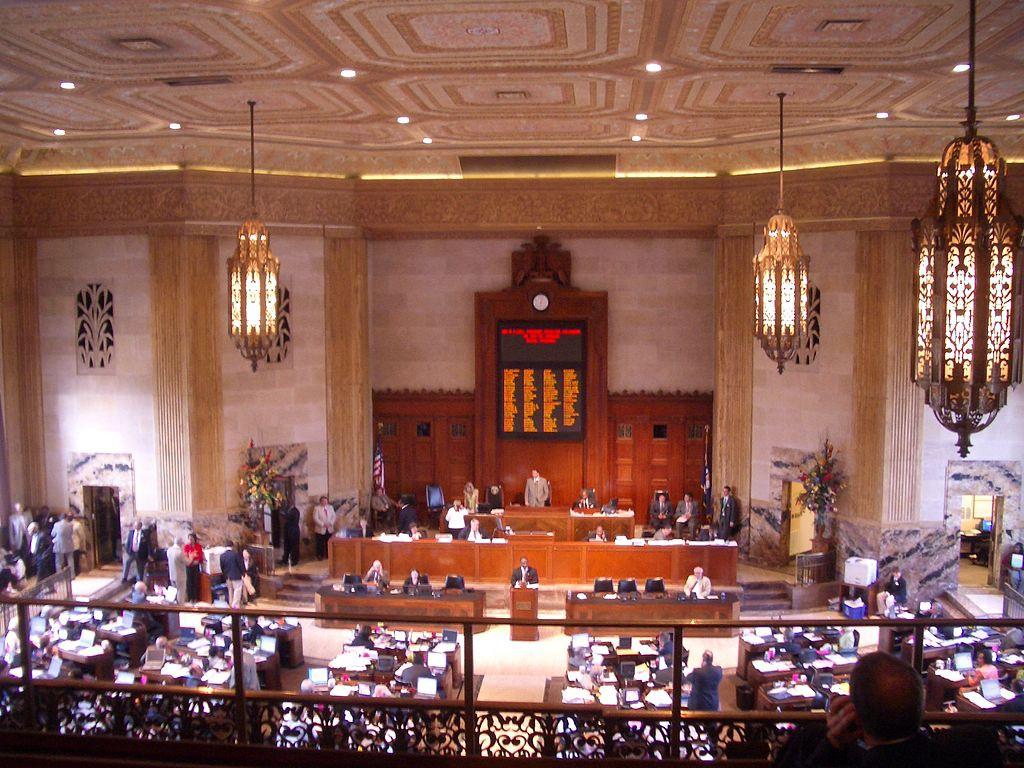

He’s a death-penalty championing, Islam-bashing vaccine skeptic who believes the U.S. is “rooted in Christian principles.” And he’s currently campaigning for re-election in Texas as the district attorney of Bexar County, a populous county of nearly two million residents, close to 60 percent of whom are Hispanic — as a Democrat.


Why Execution Numbers Continue To Fall Off A Cliff

Under District Attorney Steve Wolfson, prosecutors in Las Vegas have led the nation in new death sentences, repeatedly engaged in racist jury selection, and maintained a secret bank account to pay witnesses for their testimony in criminal cases.
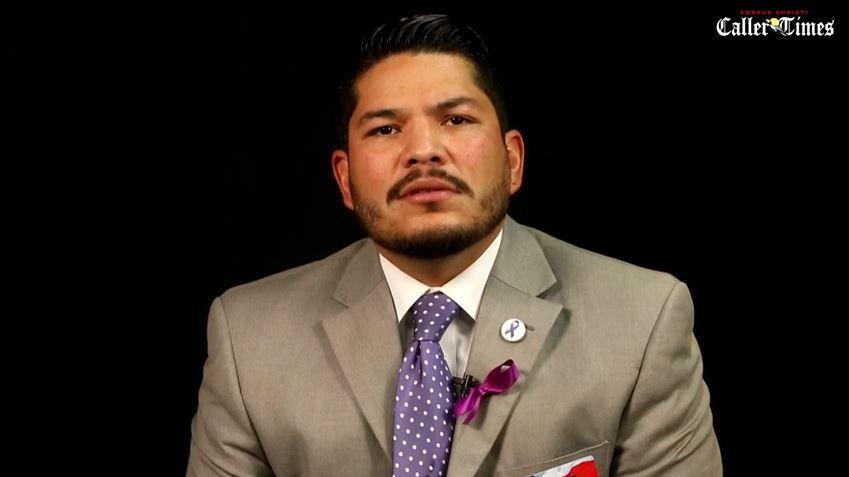
So far, the report card on the “Mexican Biker” prosecutor is mixed.


