Families of Victims Who Died From Heat in Prison Fight to Prevent More Deaths
Over 200,000 incarcerated people face deadly summer heat in California and Texas.

Over 200,000 incarcerated people face deadly summer heat in California and Texas.
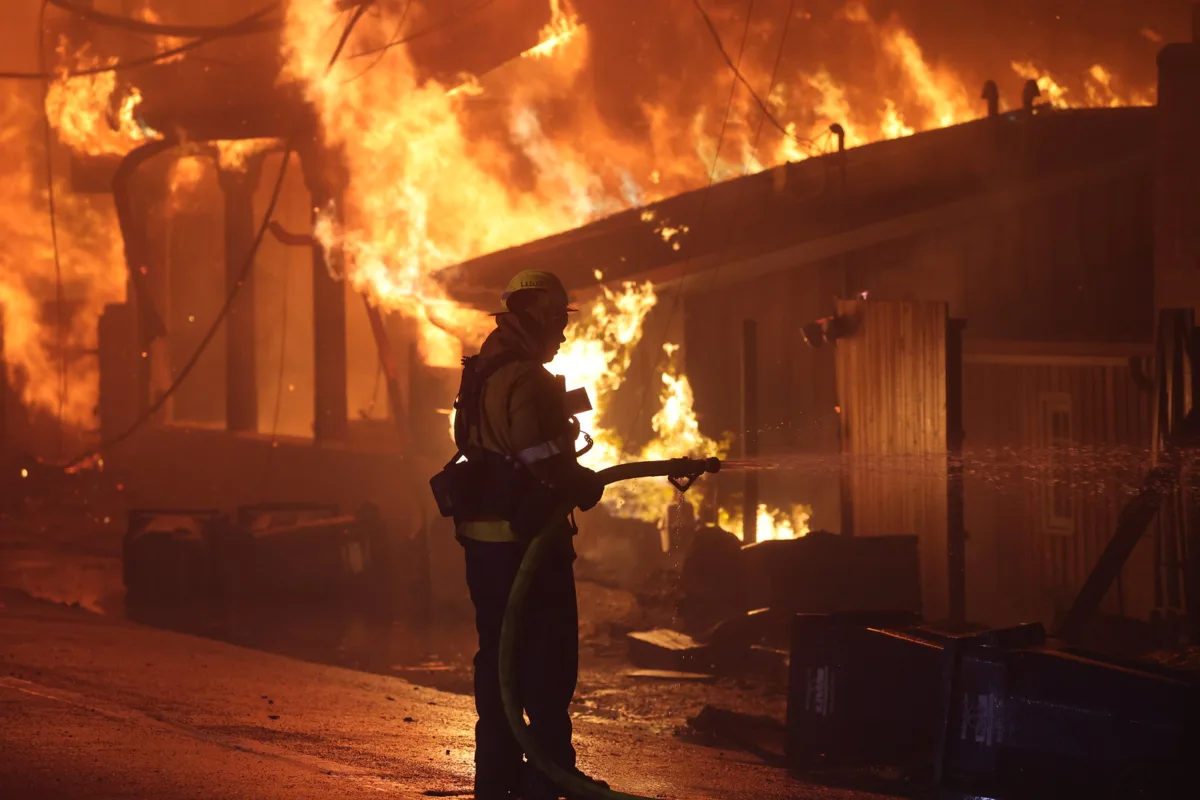
The Appeal contacted 38 facilities to ask how they’re preparing for air quality issues and possible evacuations and power outages. Thousands of people—including hundreds of children—sit in potentially impacted facilities.
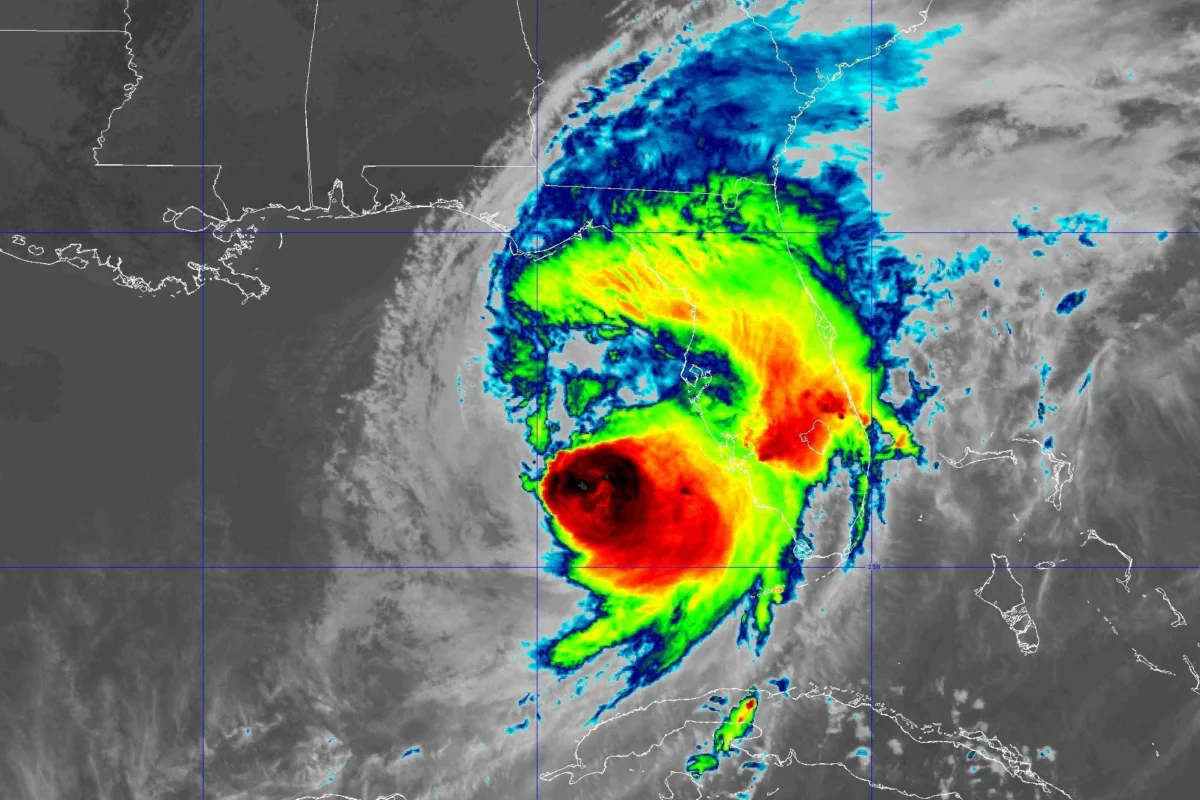
More than 20,000 people are incarcerated in Florida jails and prisons located in counties subject to evacuation orders. Many officials are refusing to evacuate them.

Prisons and jails across the Southeast have experienced utility outages, evacuations, visitation disruptions, and staff shortages in the storm’s wake.
With heat waves sweeping across the country, incarcerated people in states with traditionally milder climates are facing brutal conditions that have long plagued the South and Southwest. A survey by The Appeal reveals that many of the hottest states house prisoners in units without air-conditioning.
In total, 44 states lack universal air conditioning requirements in their prisons. A new federal program called the Greenhouse Gas Reduction Fund could help catalyze action.
As advocates fight to provide relief to incarcerated people, officials are resisting many measures that could help prisoners combat the heat.
For the past seven summers, I have lived in solitary confinement without air conditioning. A trip to medical during a heat wave helped put the climate crisis into perspective.

More than 150 detention facilities experienced “hazardous” air last week, according to an analysis by The Appeal. As wildfires have gotten worse, prisoners are facing a unique threat.

The former state legislator and resilience officer sees progressive economic policies as part and parcel of curbing climate change.
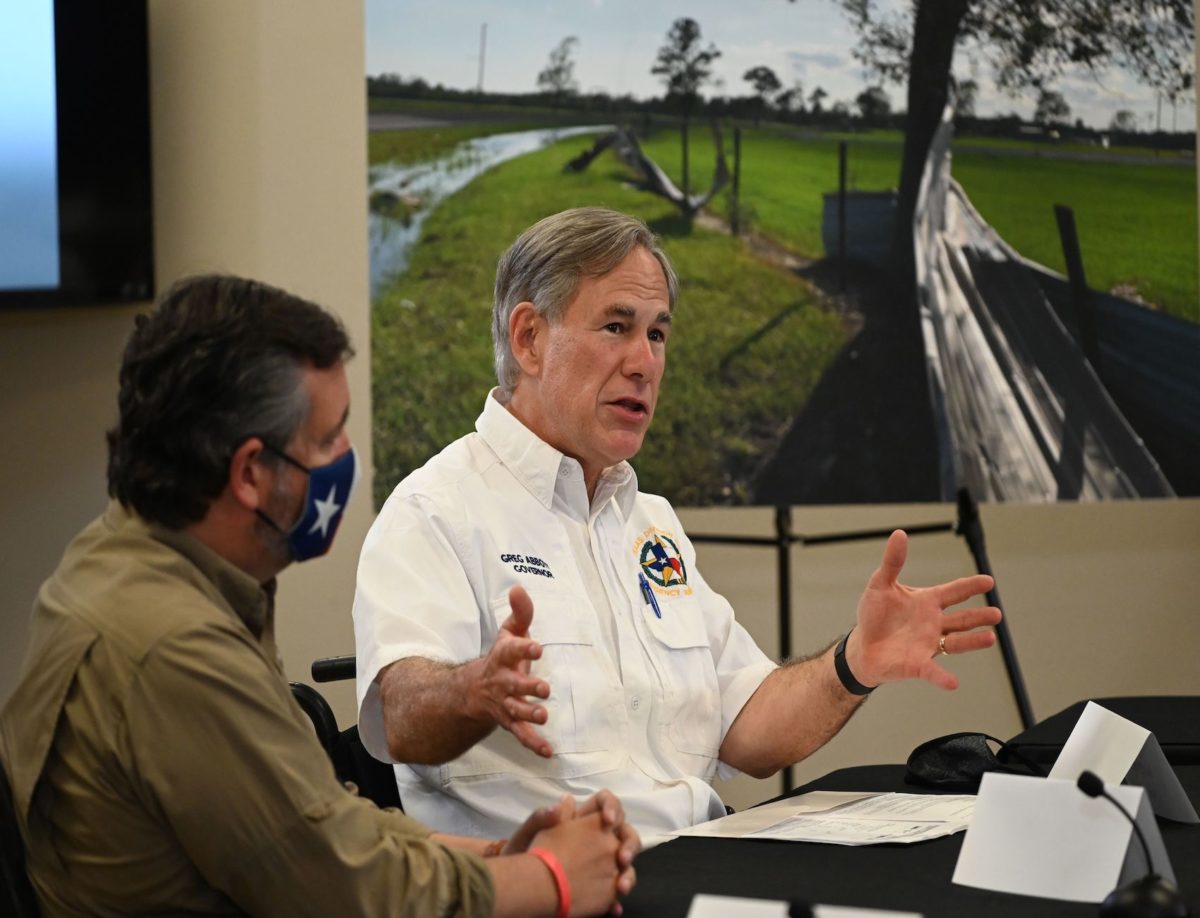
State officials funded by power companies have been warned, since at least 1989, that the power grid was at risk of failure in cold weather. They have consistently failed to act.
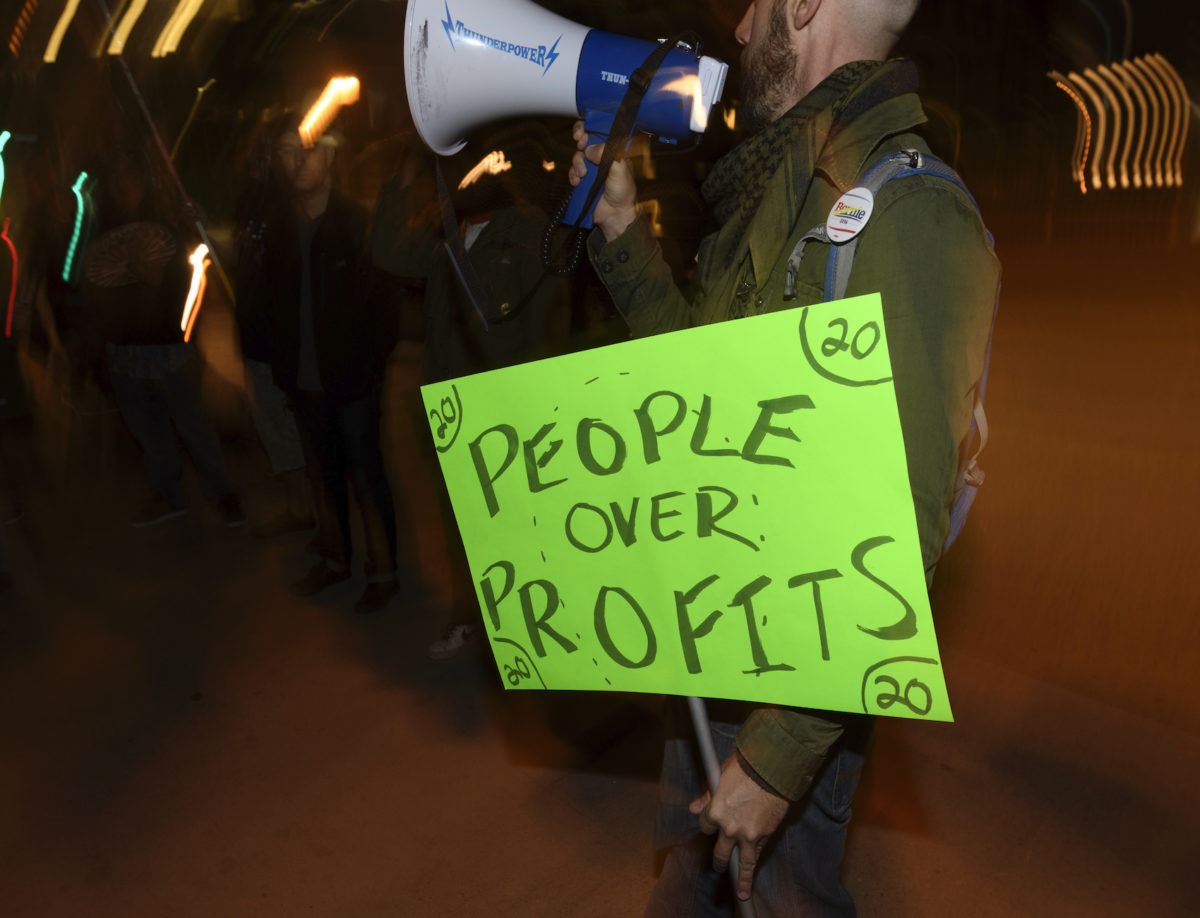
A coalition of environmental groups urges the legislature to force the repayment and dissociate from the CDAA.
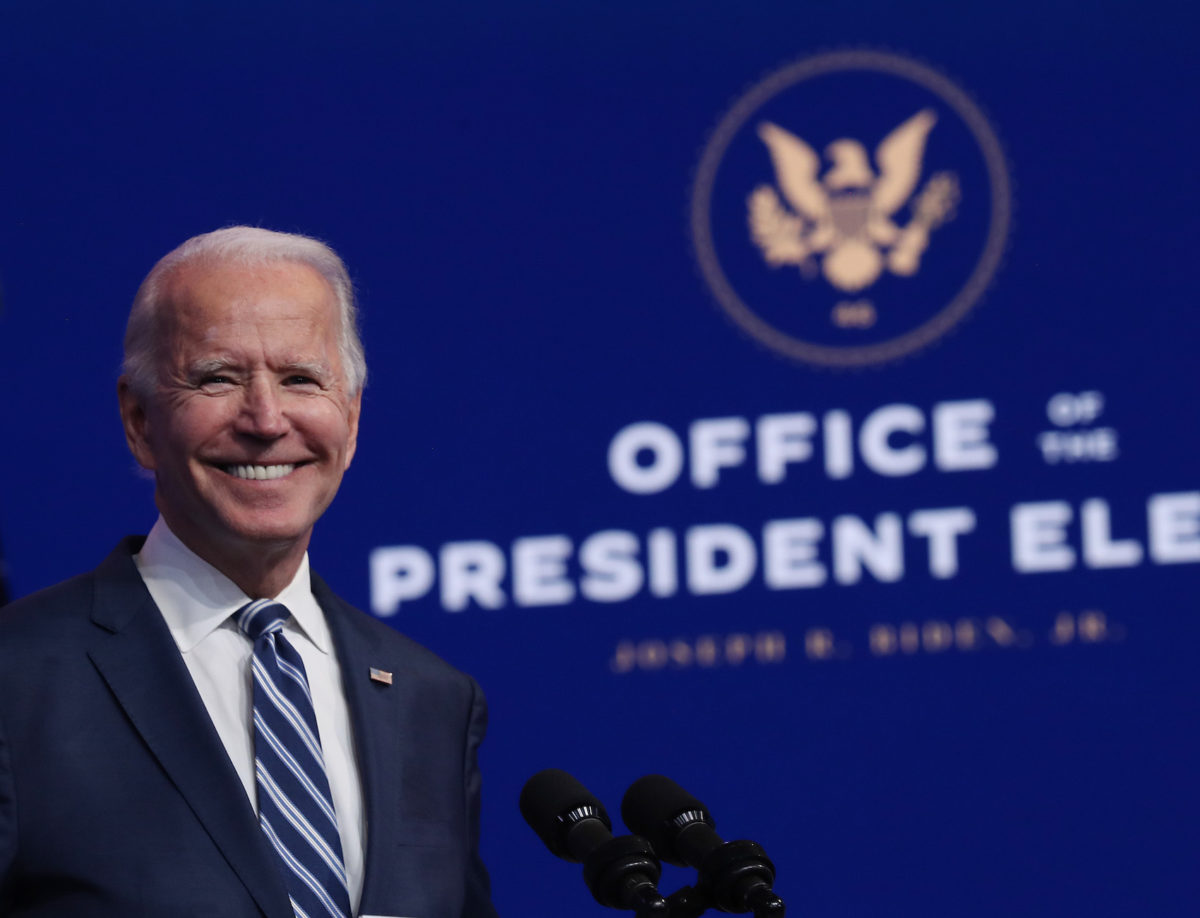
A Democratic president who politely listens to progressive rhetoric while failing to act on it is one who just watches the planet burn a little more slowly.
If Democrats win control of the Senate, allowing this archaic tradition to survive will make everything of significance the party hopes to accomplish virtually impossible.
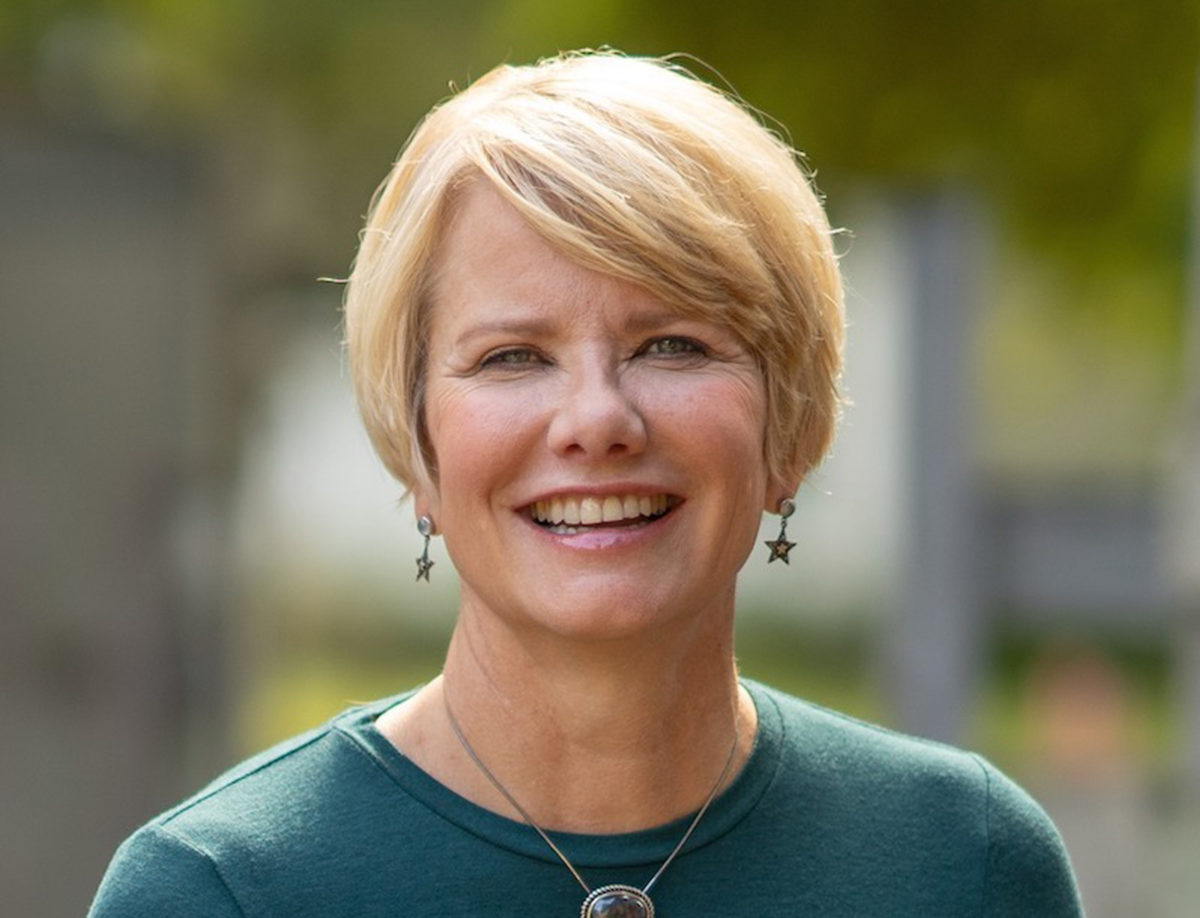
Chrysta Castañeda wants to use the state Railroad Commission’s powers to stop energy companies from engaging in environmentally harmful practices like burning excess gas.
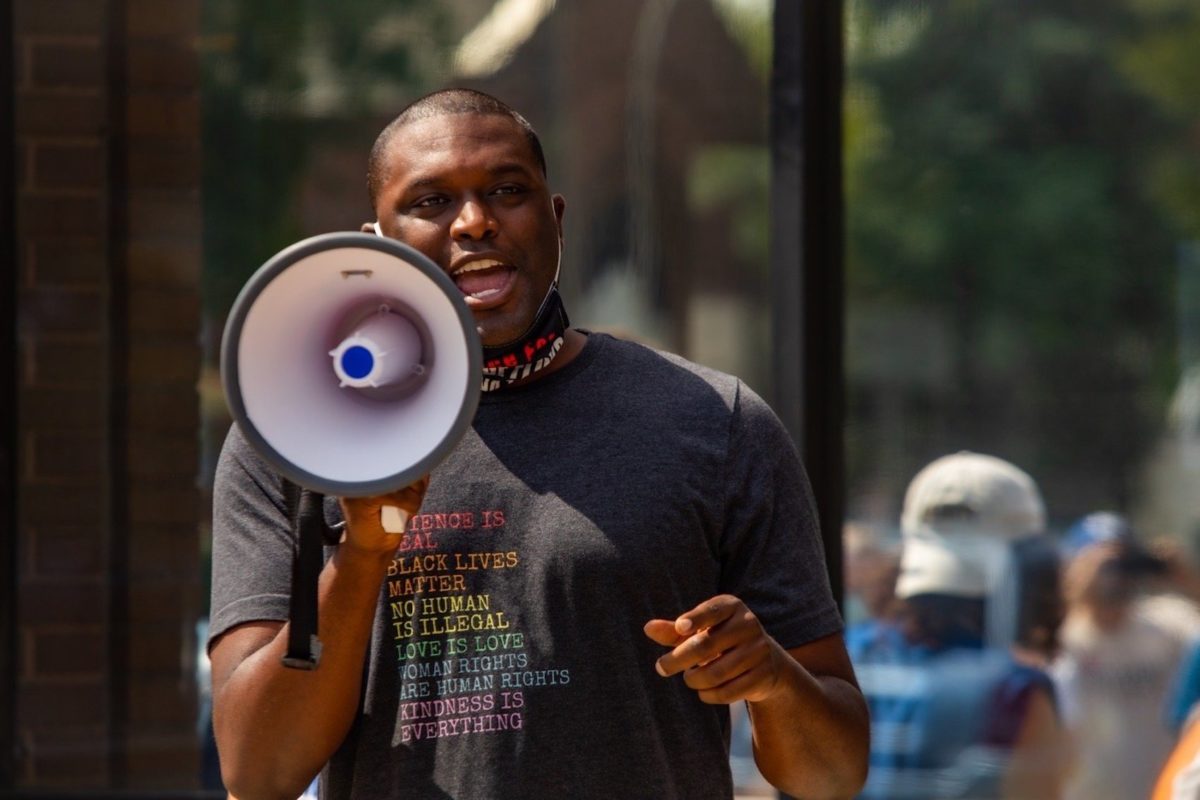
Jones, who is running in New York’s 17th District, says fighting systemic racism and hyperpartisanship are top priorities.
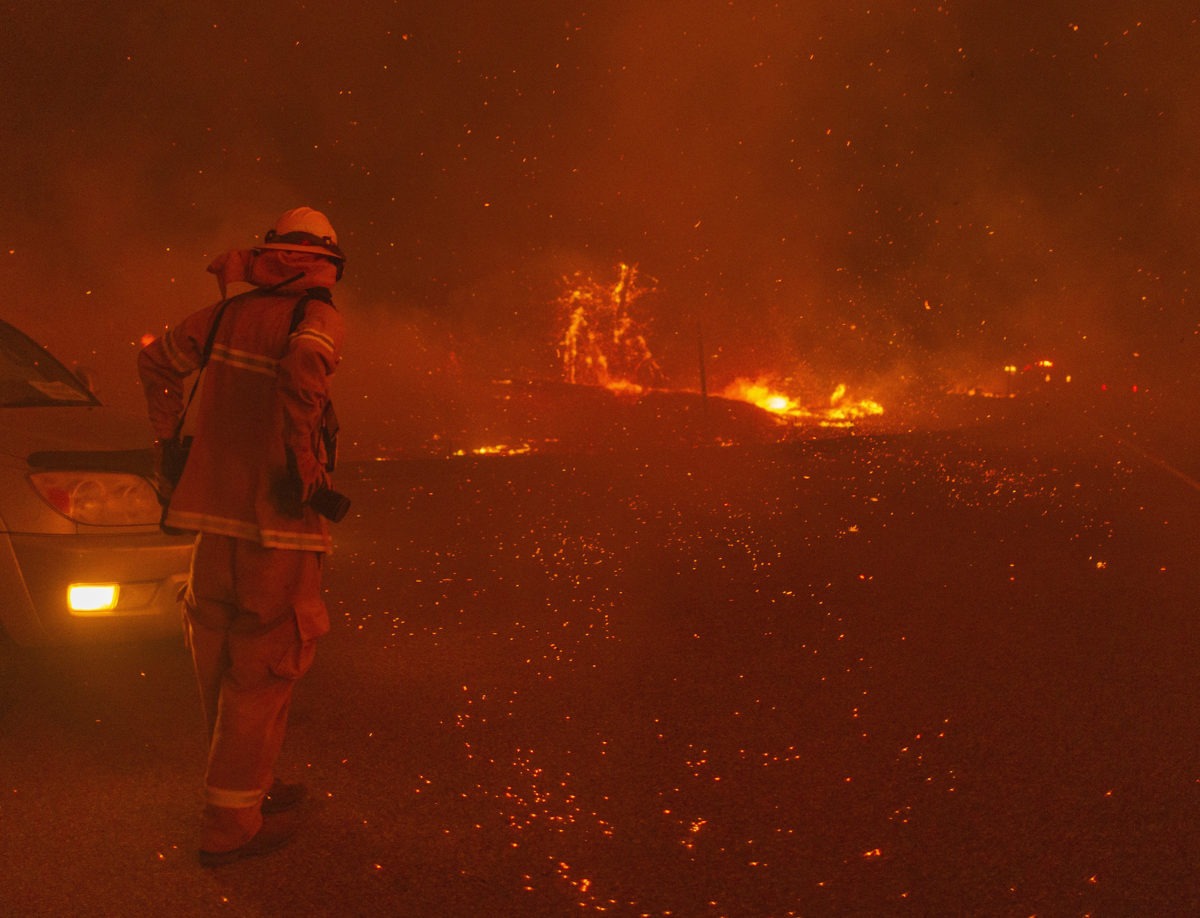
California just made it a tiny bit easier for formerly incarcerated people to become civilian firefighters. But the law still leaves many obstacles in their path.
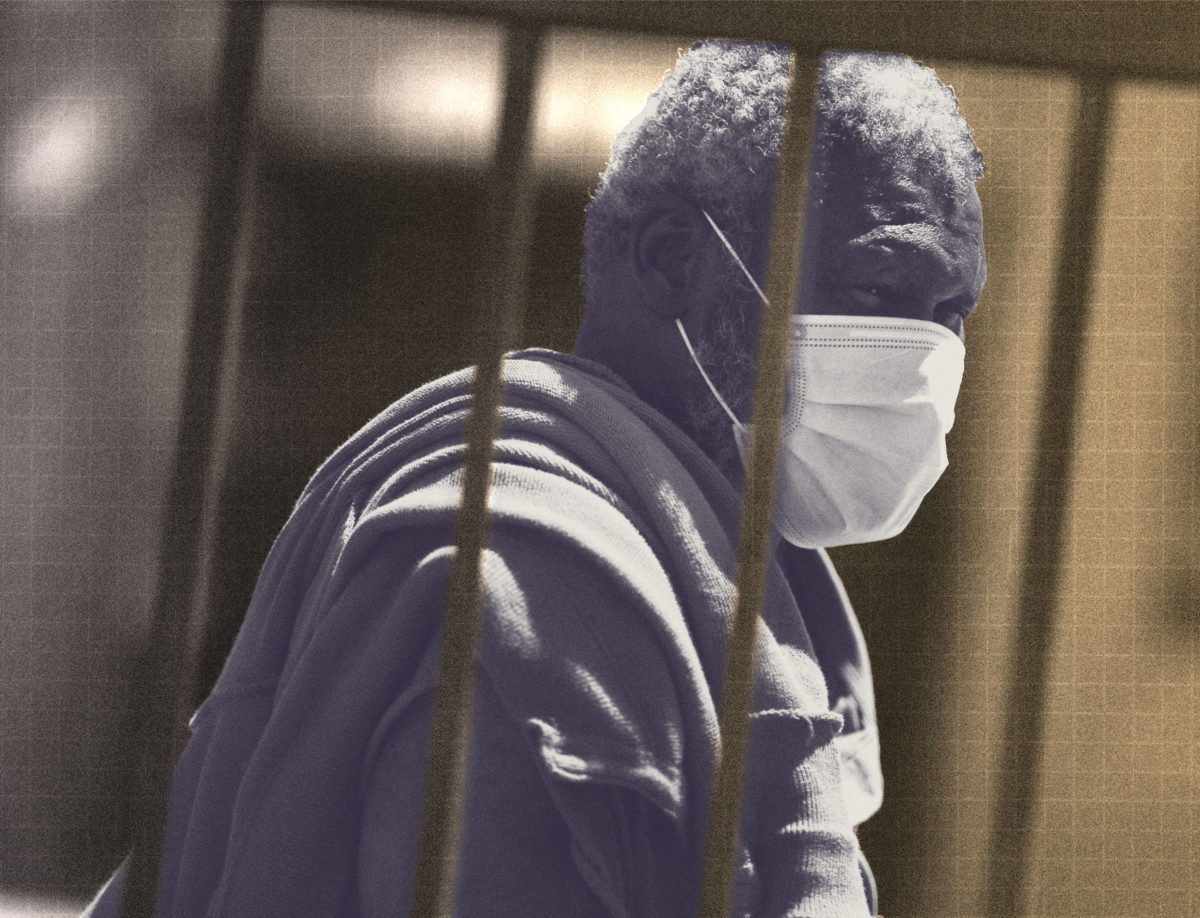
Although the COVID-19 pandemic and the climate crisis are both provoked by natural phenomena, the dangers they present are just as political as the crisis of police violence.

Climate activists in Houston are charged under a new law aimed at criminalizing protest

South Carolina’s decision not to evacuate people in prison in the evacuation zone is consistent with an indifference to the humanity of those in prison.
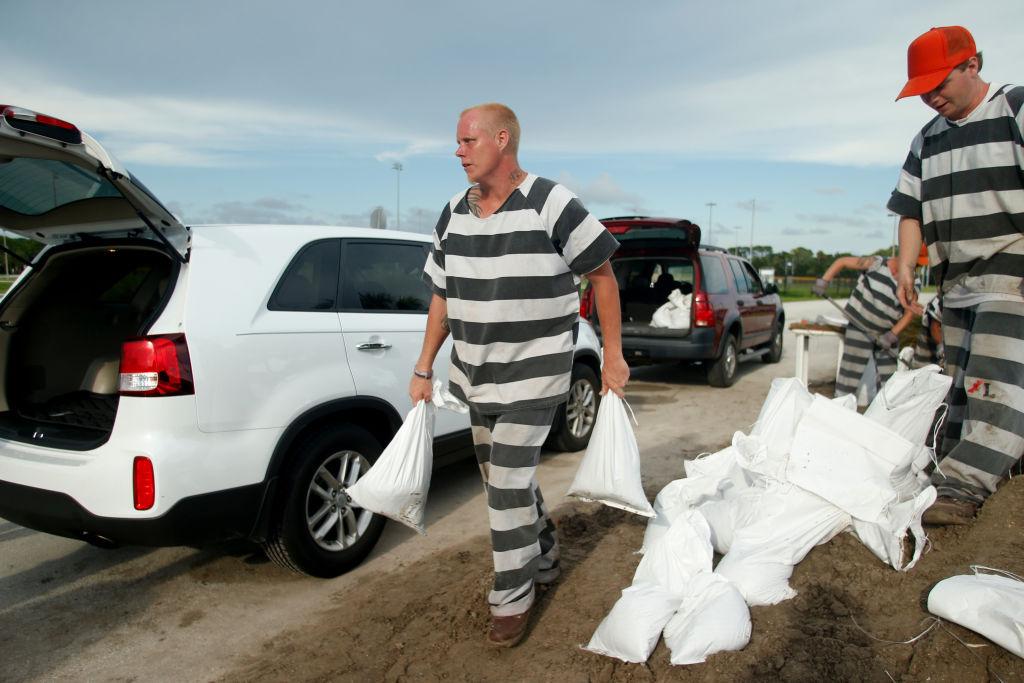
How the politics of storm preparation reveal whose lives matter, and who gets left behind.