Now Free, Man Who Alleges Wrongful Conviction Wants Justice from WA Police
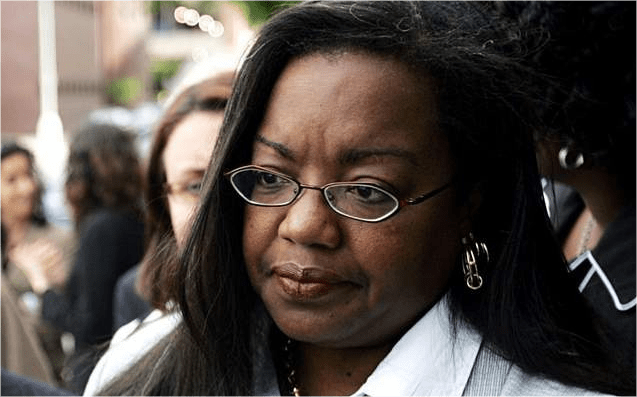
Gregory Sharkey spent 15 years in prison for a crime he says he didn’t commit. He was finally freed last month—but will those responsible for caging him be held accountable?

Gregory Sharkey spent 15 years in prison for a crime he says he didn’t commit. He was finally freed last month—but will those responsible for caging him be held accountable?
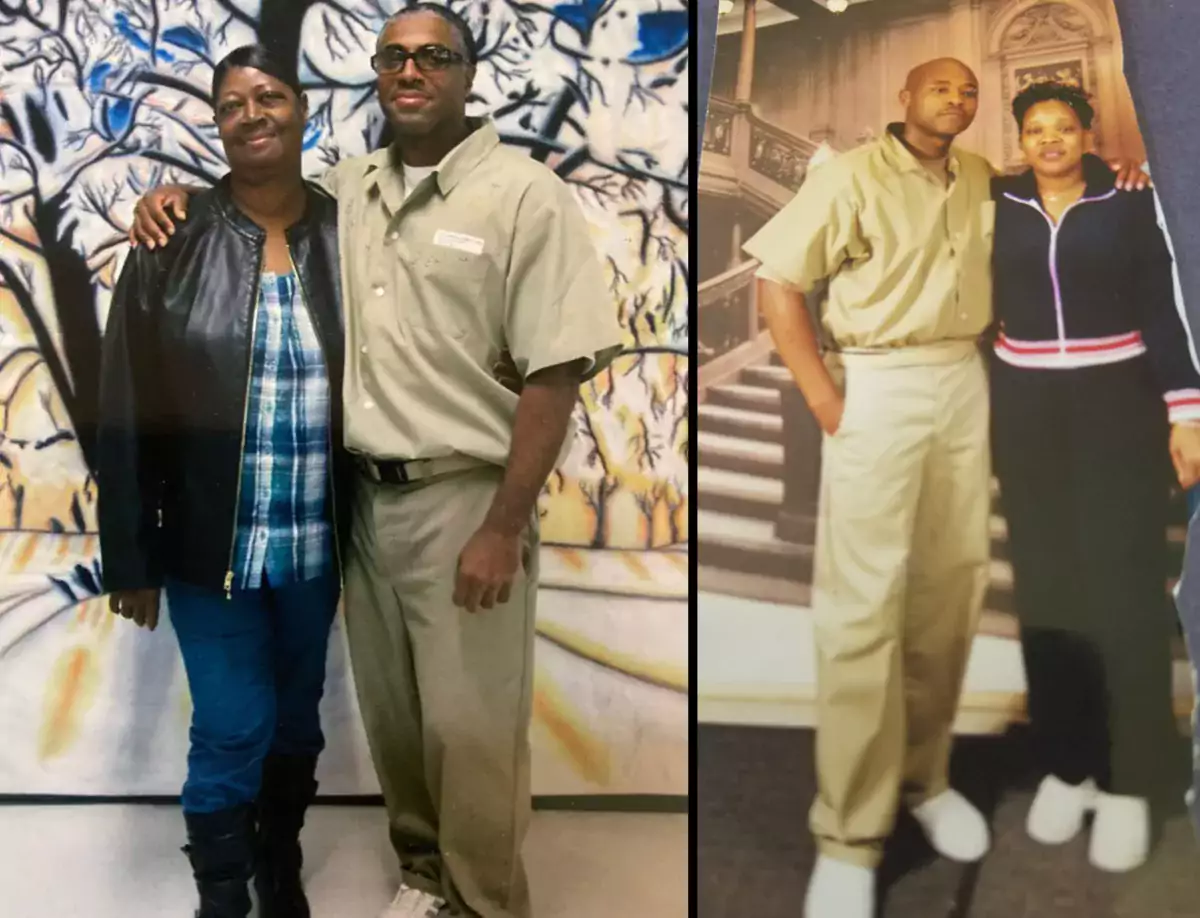
Terence Richardson and Ferrone Claiborne have spent decades behind bars even after a jury acquitted them of murder. Now, the Virginia Supreme Court is set to decide their fate.
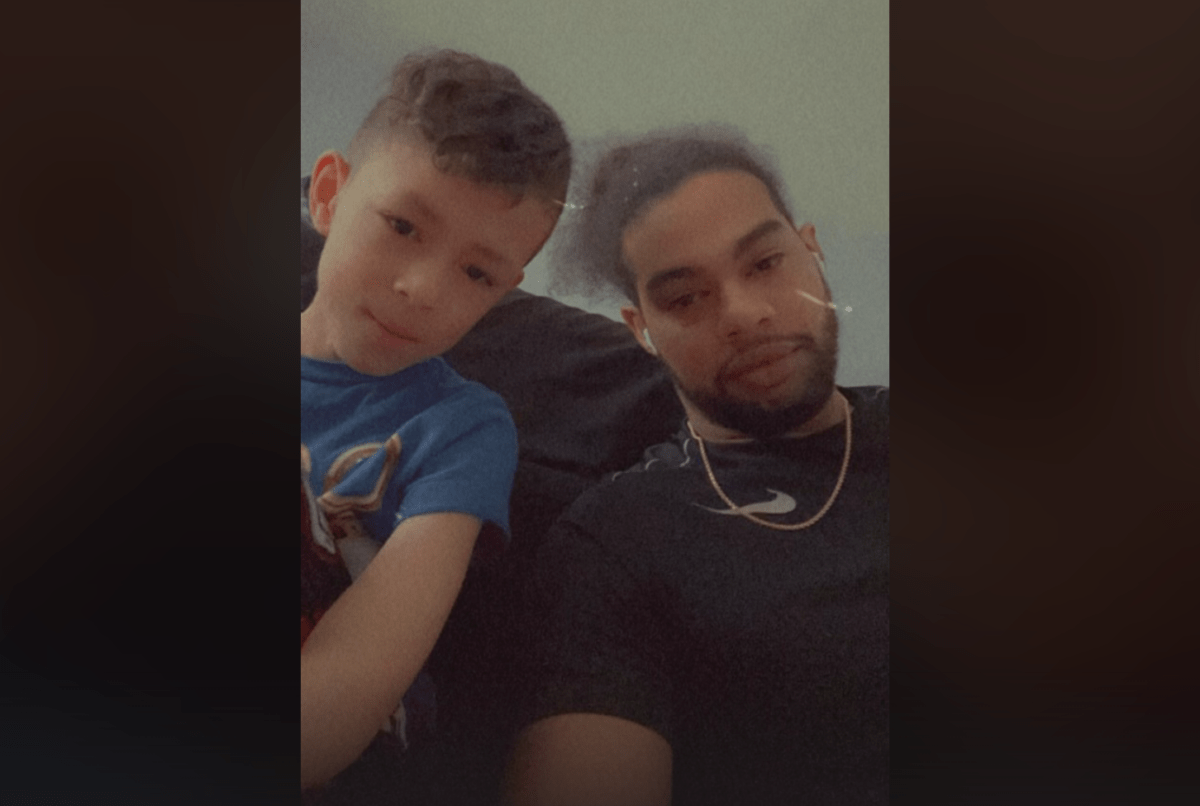
In a decision last month that could impact other cases, an appellate court ruled that “the very basis of the theory has never been proven.”
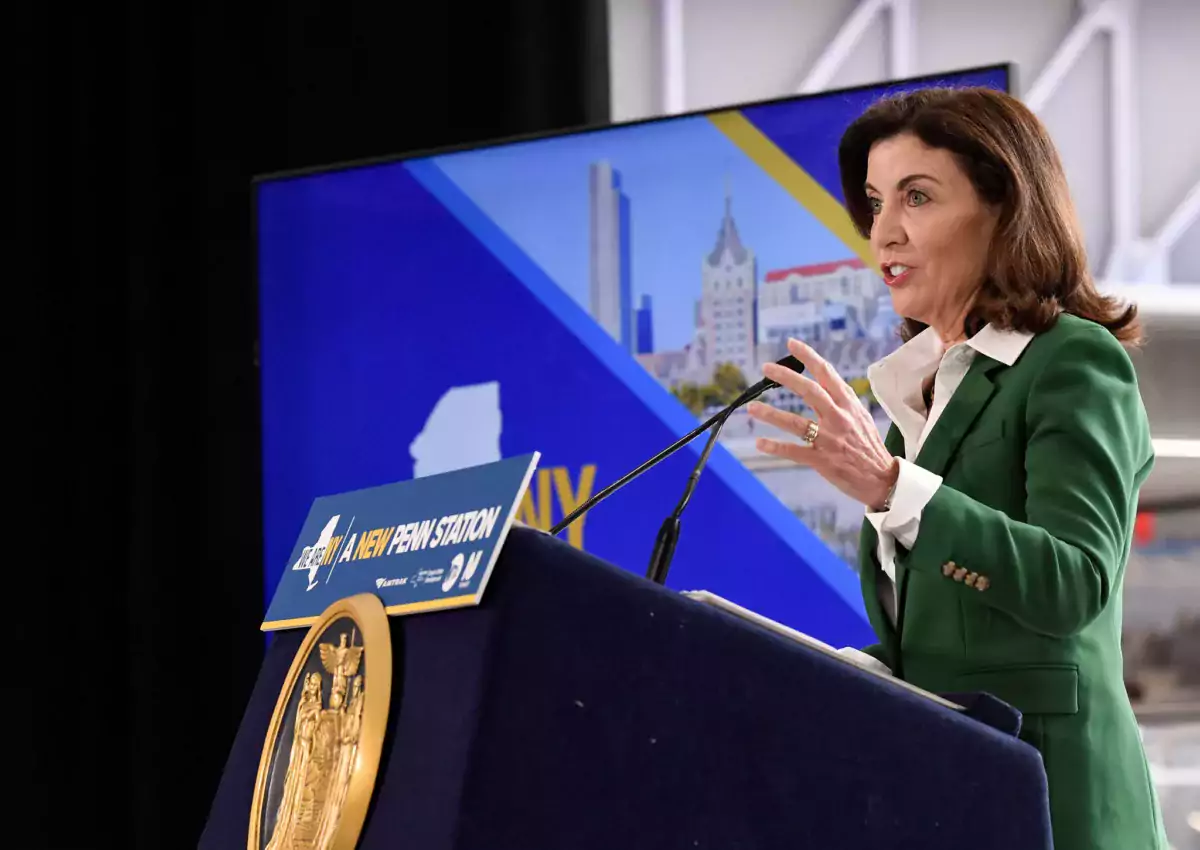
By signing the Challenging Wrongful Convictions Act into law, Governor Kathy Hochul can set a model of good policy for other progressive states seeking to serve as a bulwark against the conservative Supreme Court.

Lacino Hamilton spent 26 years in prison for a murder he didn’t commit before being exonerated in 2020 after DNA evidence cleared him.
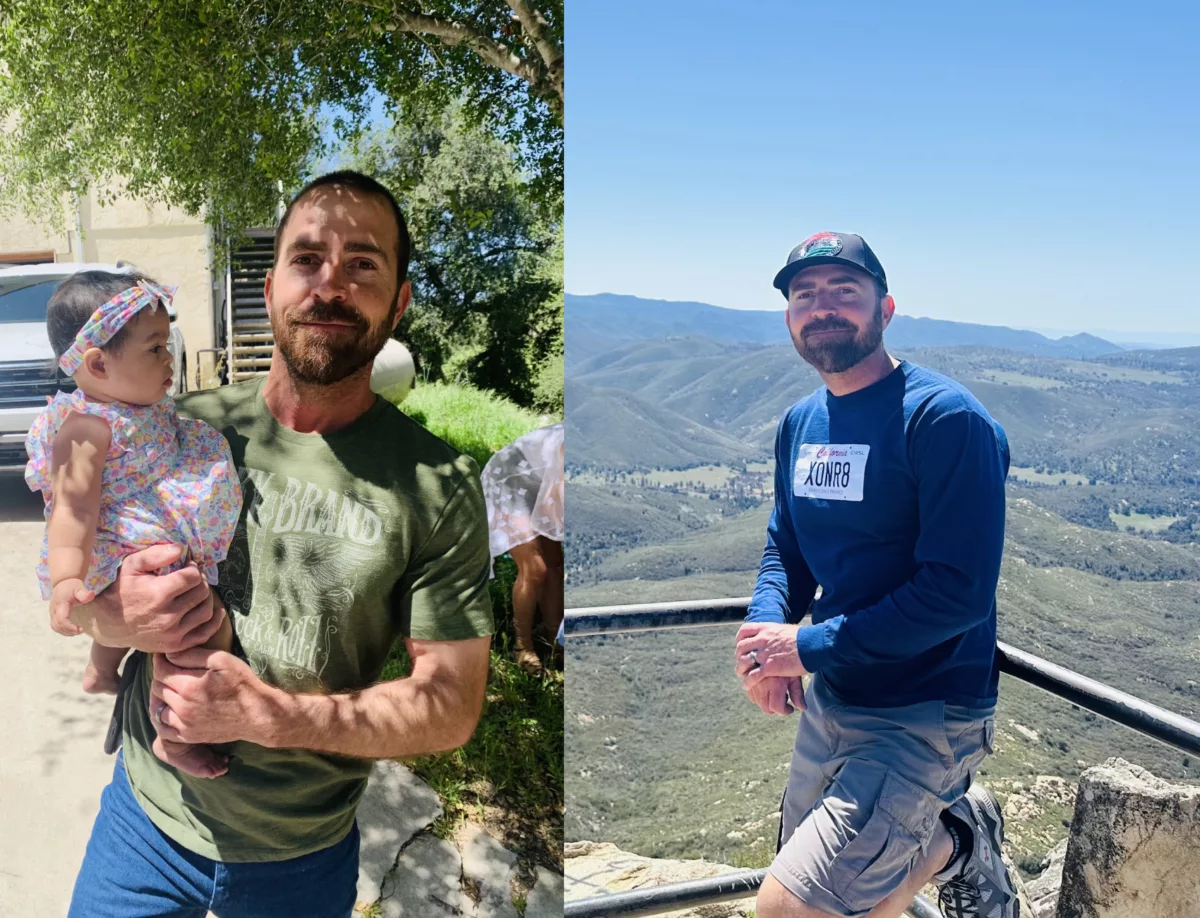
Uriah Courtney was sentenced to life in prison for a crime he didn’t commit. His conviction was overturned due to DNA evidence.

Spurred by an Appeal investigation into Michelle Heale’s controversial 2015 case, a law professor is asking New Jersey’s Conviction Review Unit to “correct an injustice” and set Heale free.

A man is serving two life sentences for a crime that, according to his legal team, never occurred.
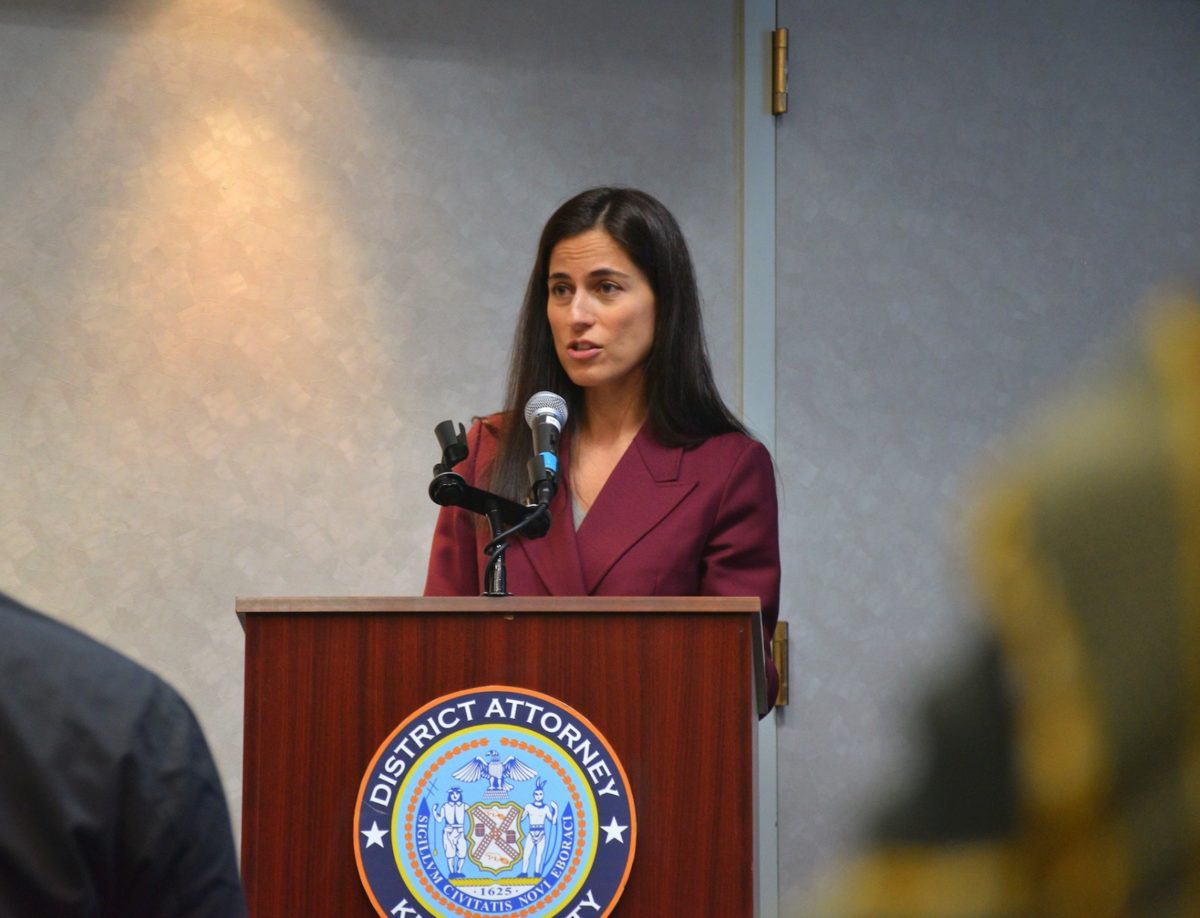
Under Tali Farhadian Weinstein’s leadership, Brooklyn’s unit exonerated just four people—a far lower rate than in previous years.
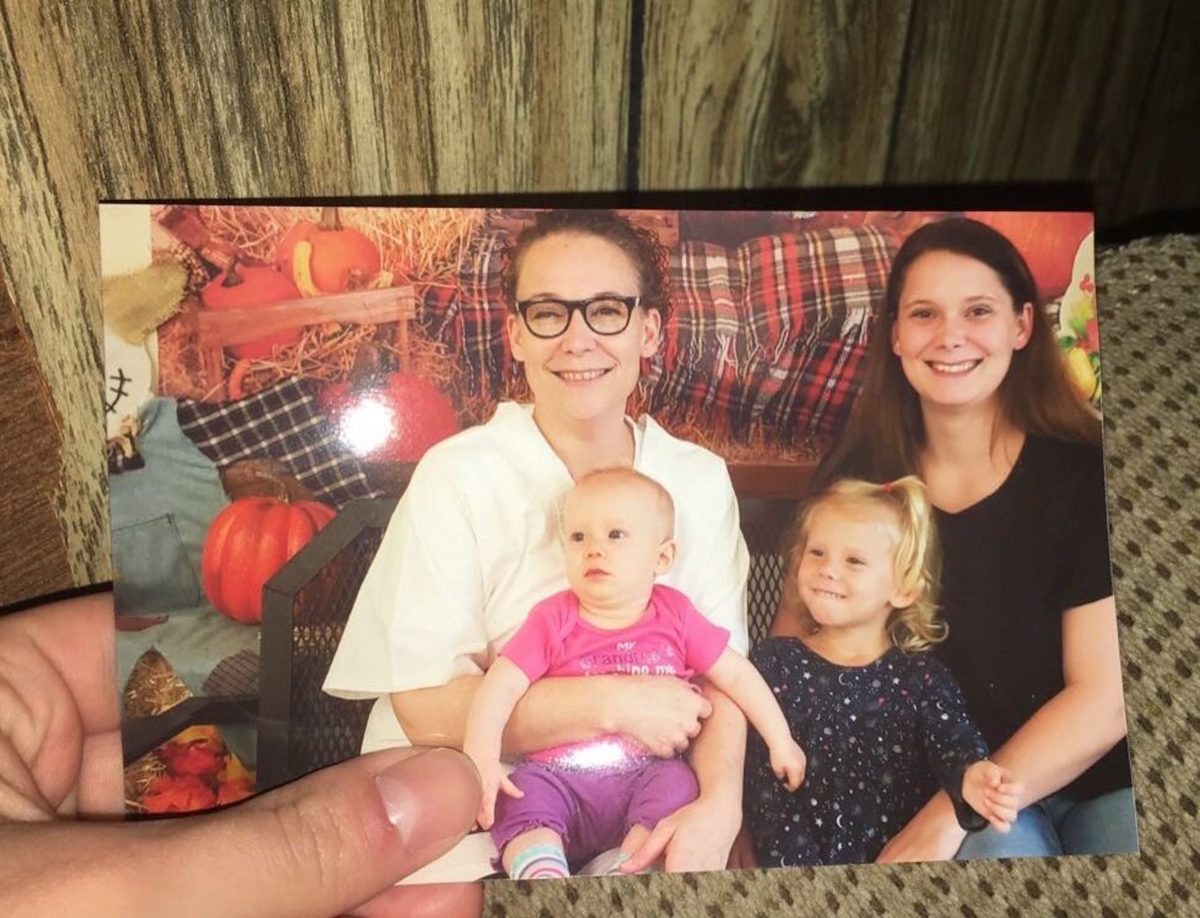
Accused of shaking a baby to death and facing the death penalty, Amy Wilkerson says she is innocent, but pleaded guilty to spare her life.
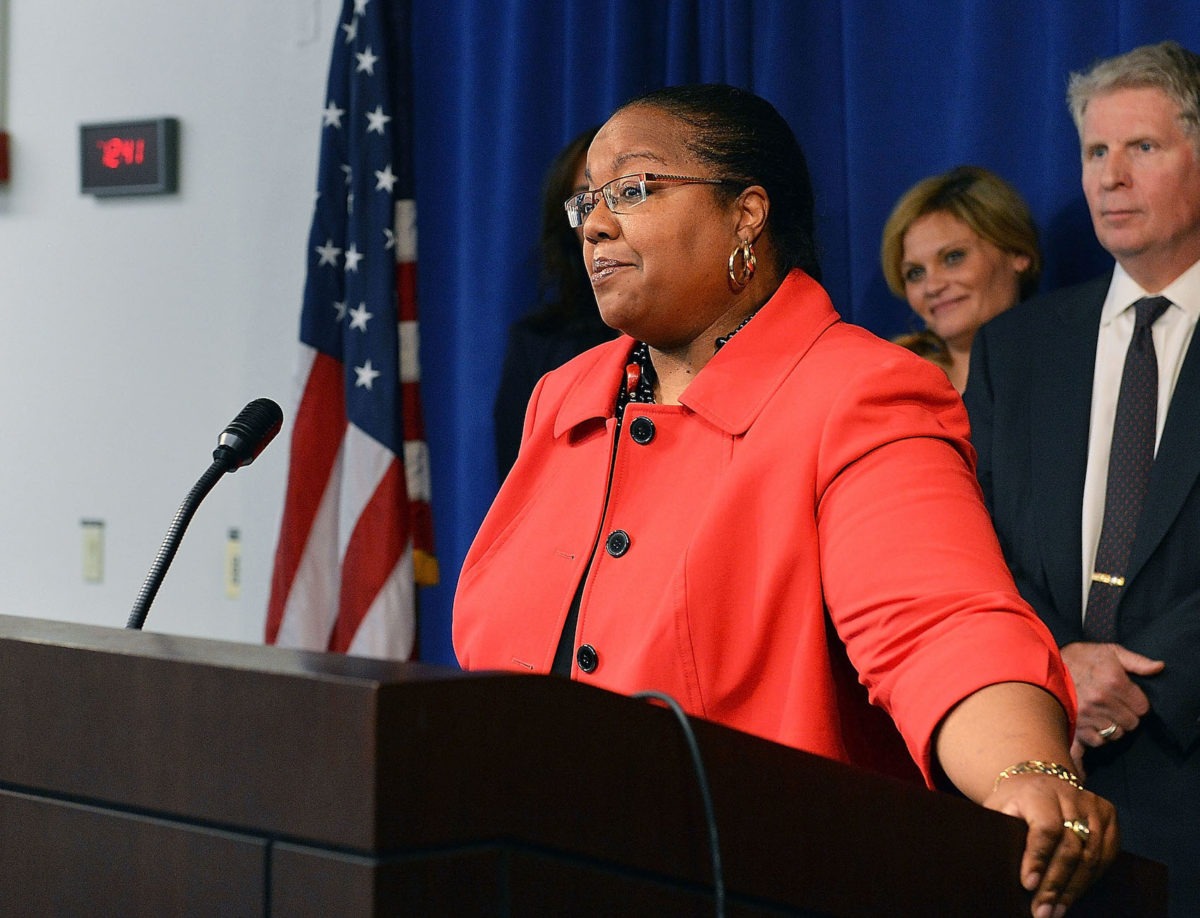
A state investigation found that Detroit police officers fabricated evidence that helped convict a 14-year-old boy. A judge threw out his conviction after he spent nine years in prison, but the officers are still on the job and haven’t been flagged as unreliable to testify in court.
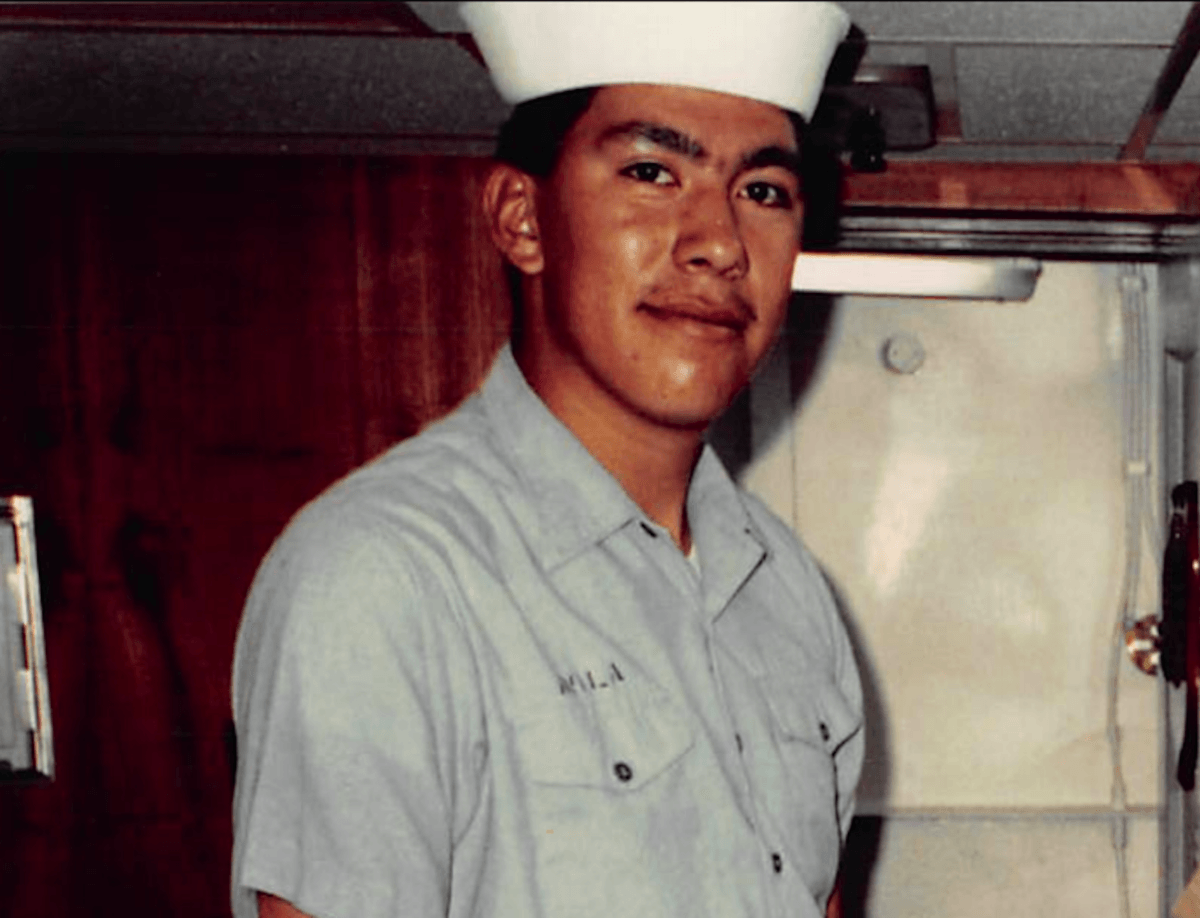
The ruling is a setback for the state’s so-called junk science statute.
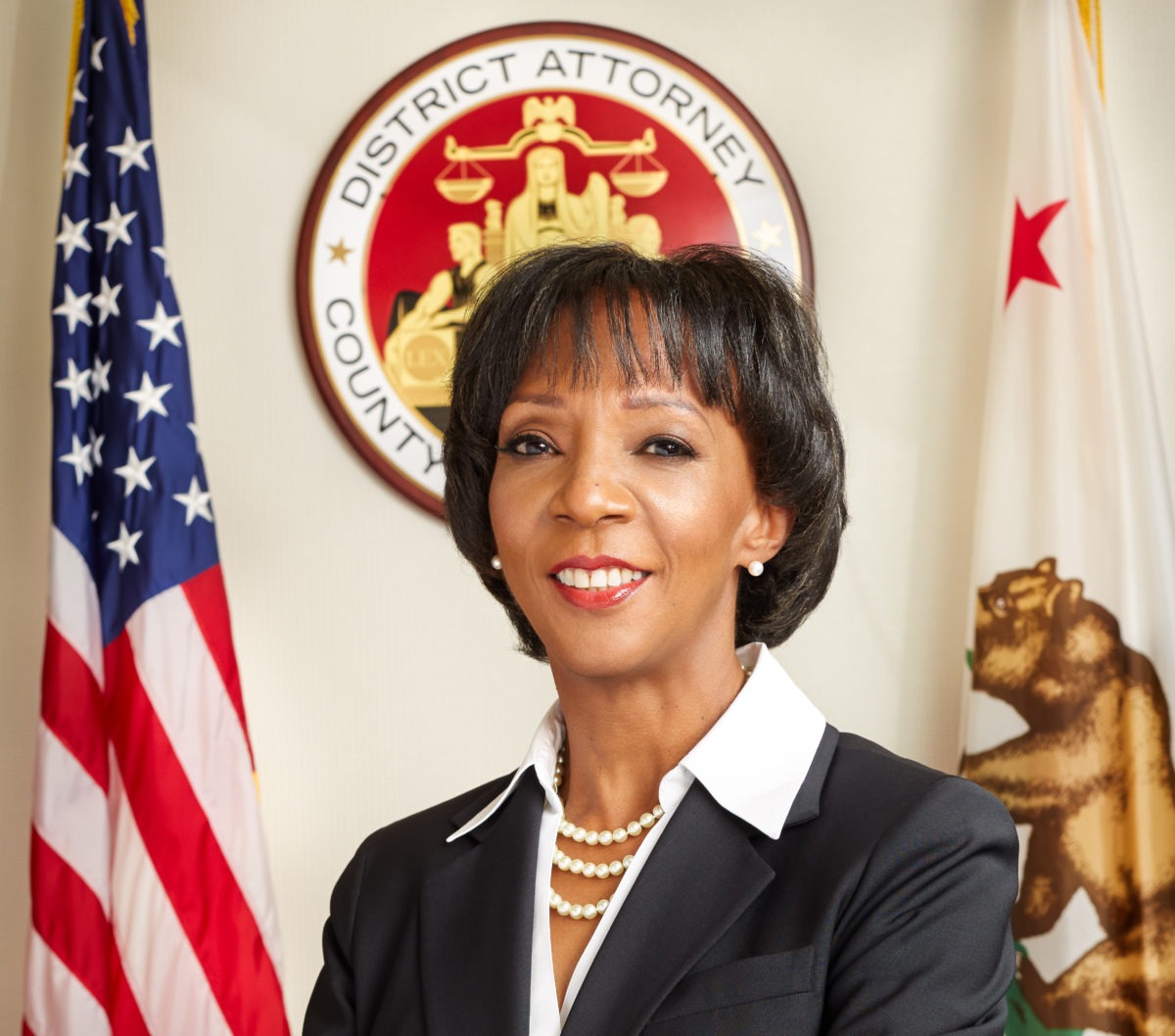
Critics say there may be systemic problems with how the unit is run within the Los Angeles County DA’s office.
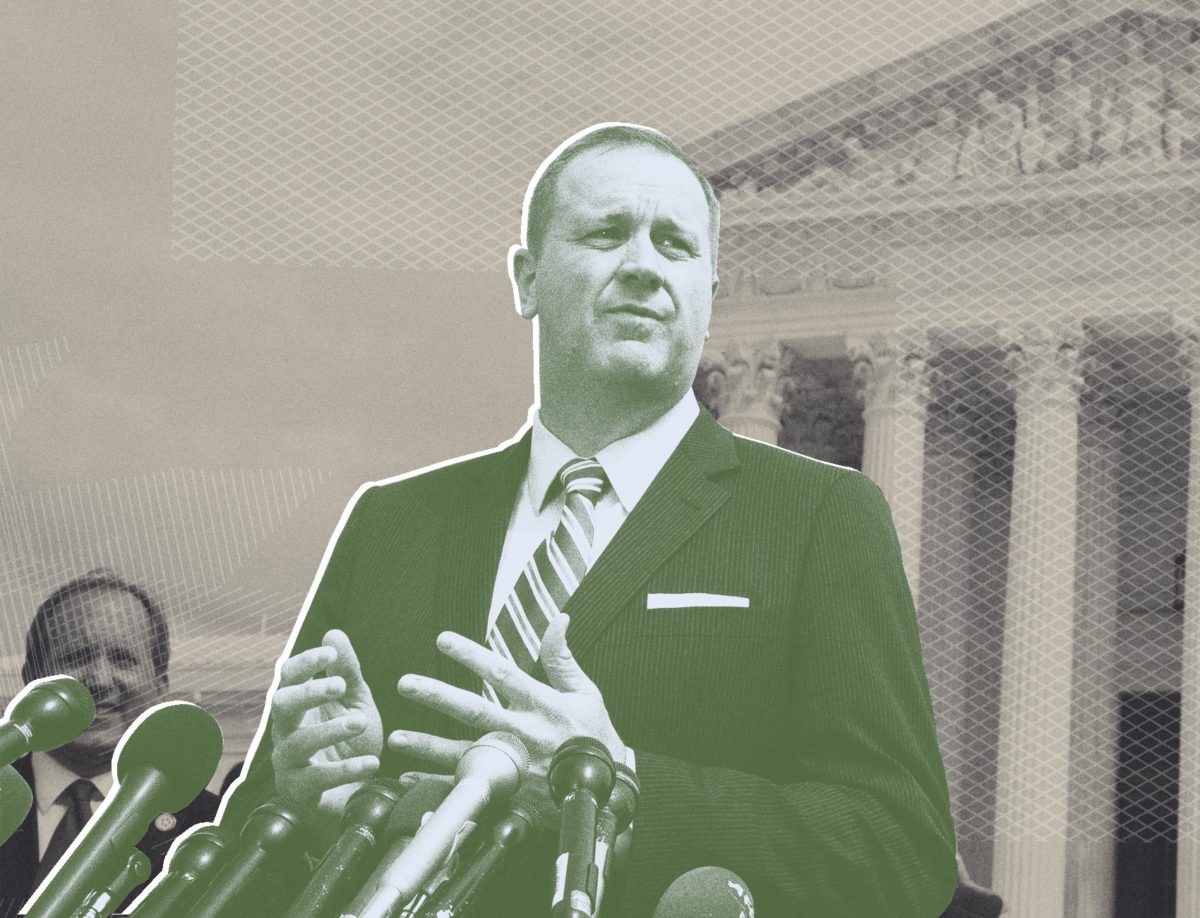
Eric Schmitt should follow the lead of a Pennsylvania prosecutor who acknowledged that a man deserved a new trial, even when it meant reversing a murder conviction.

Mistaken identifications have been involved in nearly 70 percent of post-conviction exonerations based on DNA evidence.
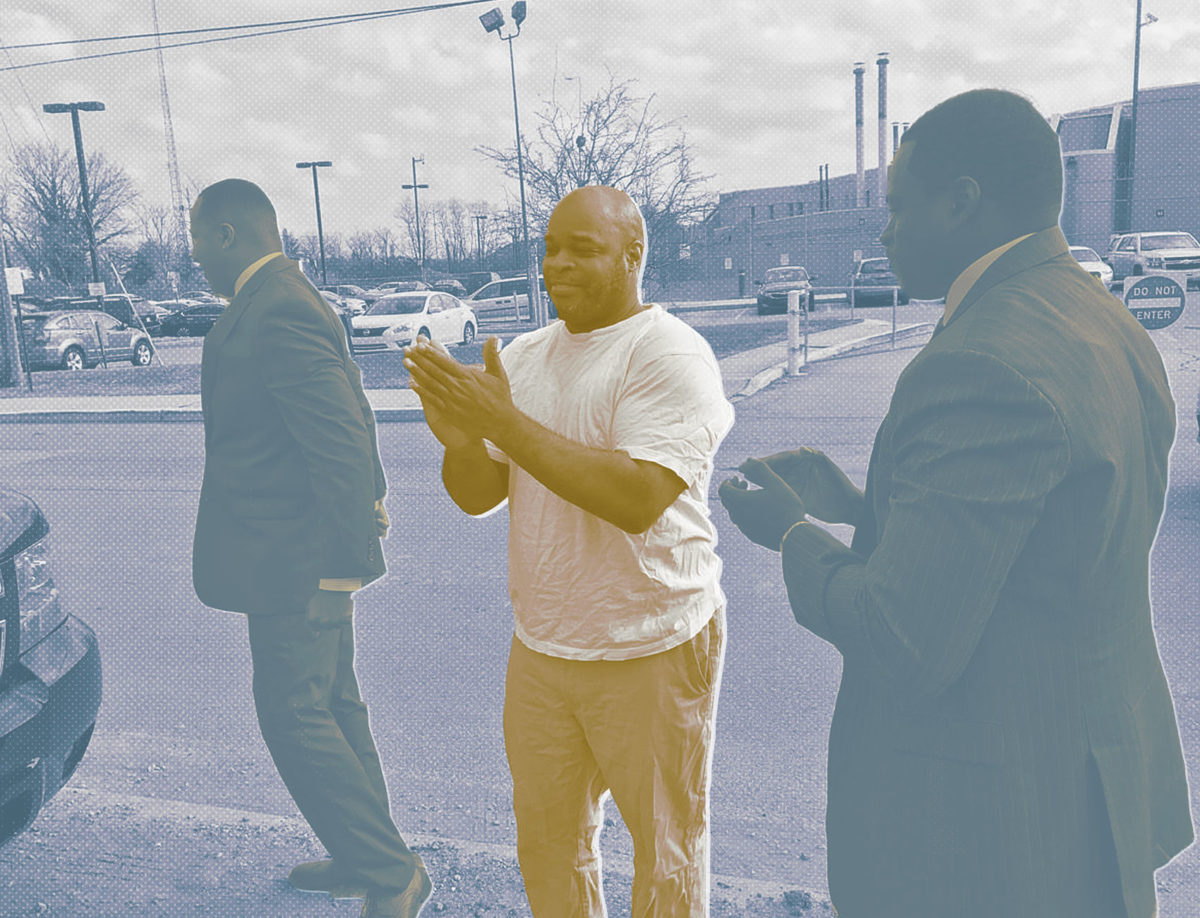
Elmer Daniels served nearly 40 years in prison before he was exonerated in 2018. He’s one of at least three people who could receive $50,000 for every year spent behind bars.

With Appeal staff reporter Elizabeth Weill-Greenberg.
Charges in each of four arrests of a city man were subsequently dropped. Now he has become one of a long line of New York City residents who have filed wrongful arrest lawsuits against the city.
More prosecutors are trying to root out wrongful convictions and restore trust in the legal system. They’re meeting opposition on all sides.
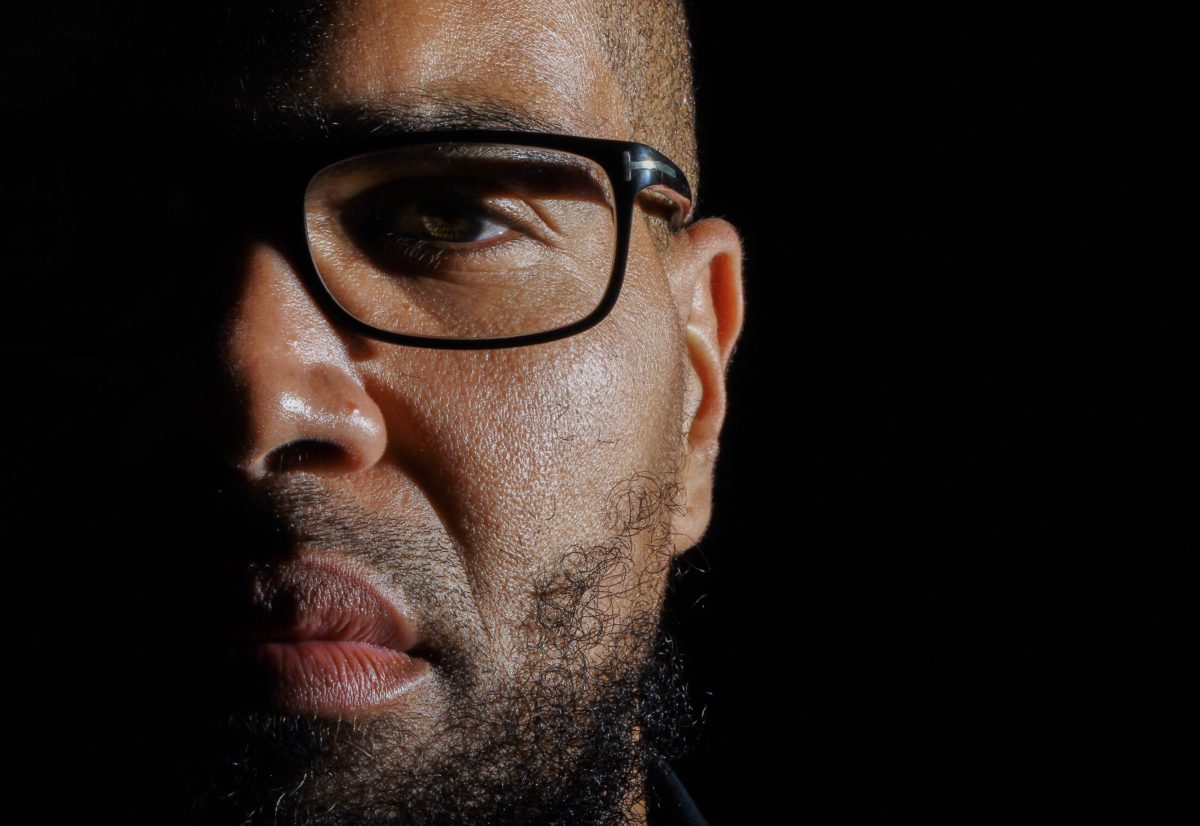
After more than two decades, Terrance Lewis was exonerated and released from prison earlier this year. He is now an advocate for other innocent people caught up in the criminal legal system.
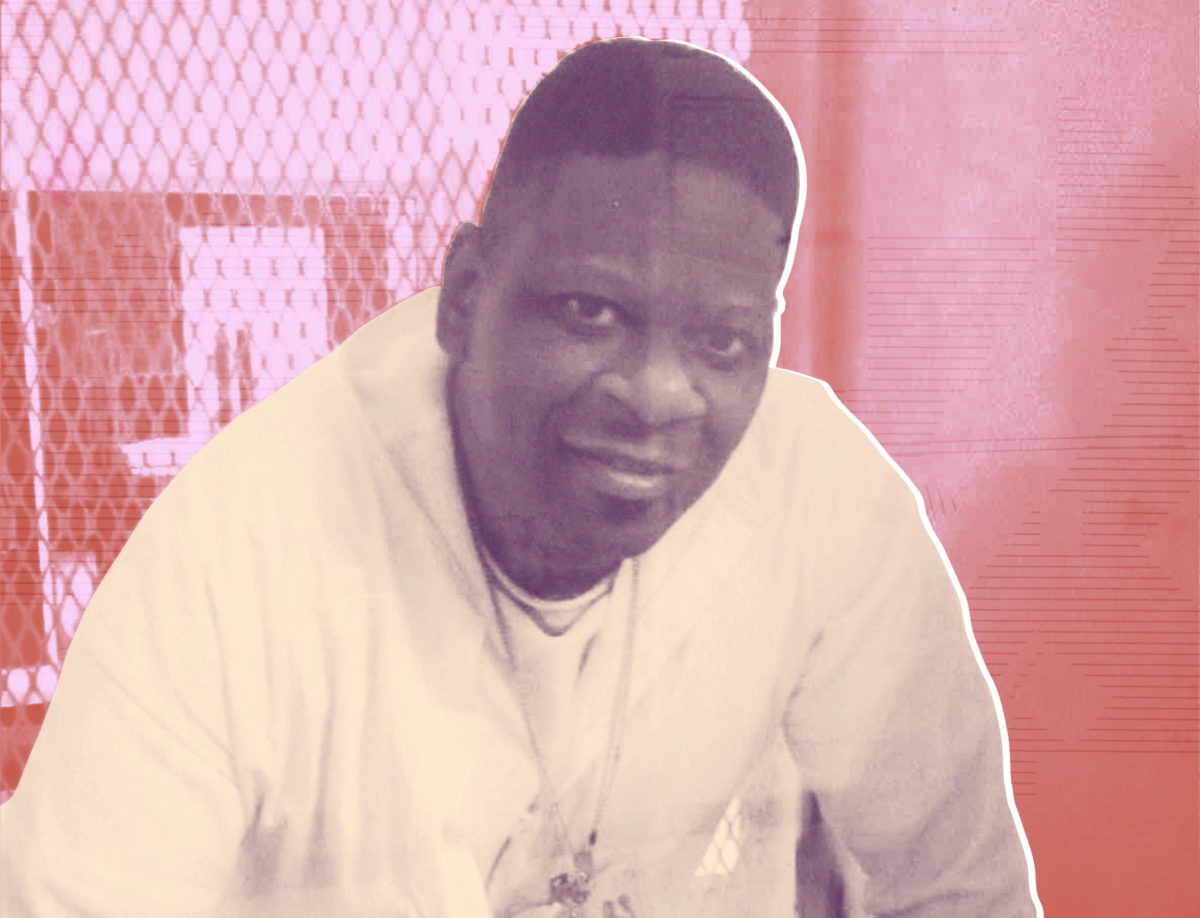
Rodney Reed, set to be executed on Nov. 20, is innocent of a rape and murder, his lawyers say, and untested evidence will prove it. But prosecutors have pushed back, arguing the evidence is contaminated.
Informants are highly motivated to lie. But jurors don’t always have the information or skills to discern the truth.
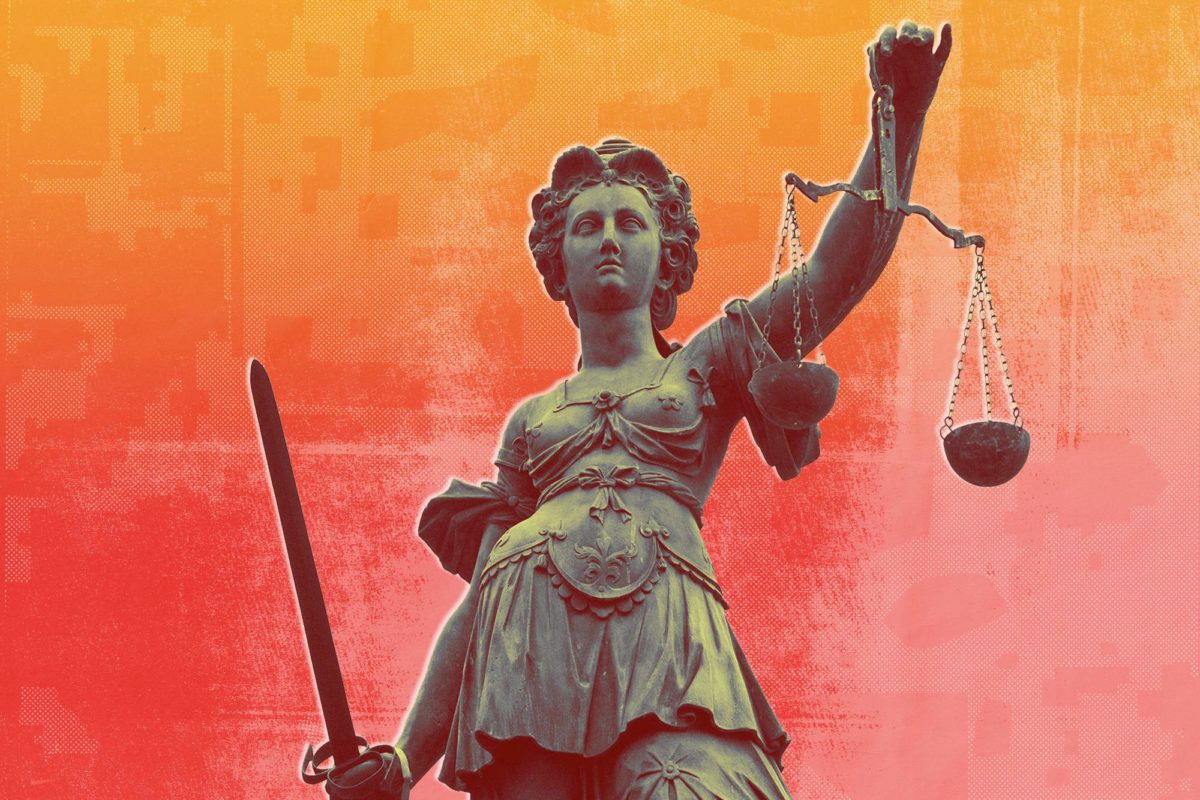
Forty-three elected local prosecutors filed an amicus brief last week in support of the St. Louis Circuit Attorney’s office’s Conviction Integrity Unit’s work in the case of Lamar Johnson.
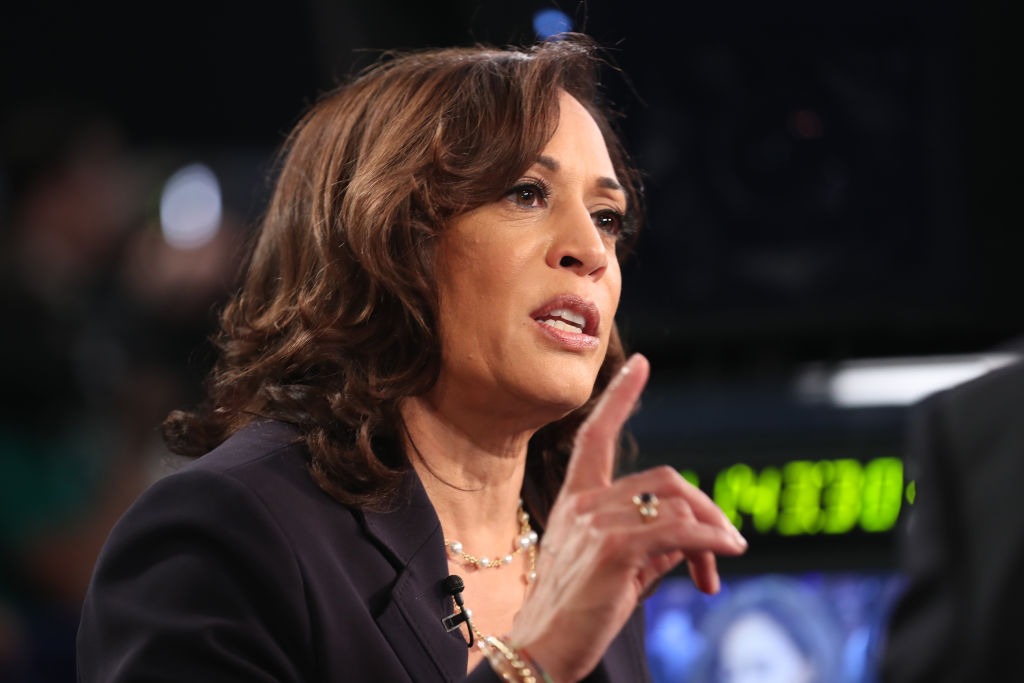
Police and prosecutors framed a father of four in a 2007 murder case with local and national political implications.

Carlton Roman has been stuck in prison for nearly 30 years for a murder he has long denied. Now, with a crowded primary for Queens district attorney weeks away, he could finally get a chance to go free.
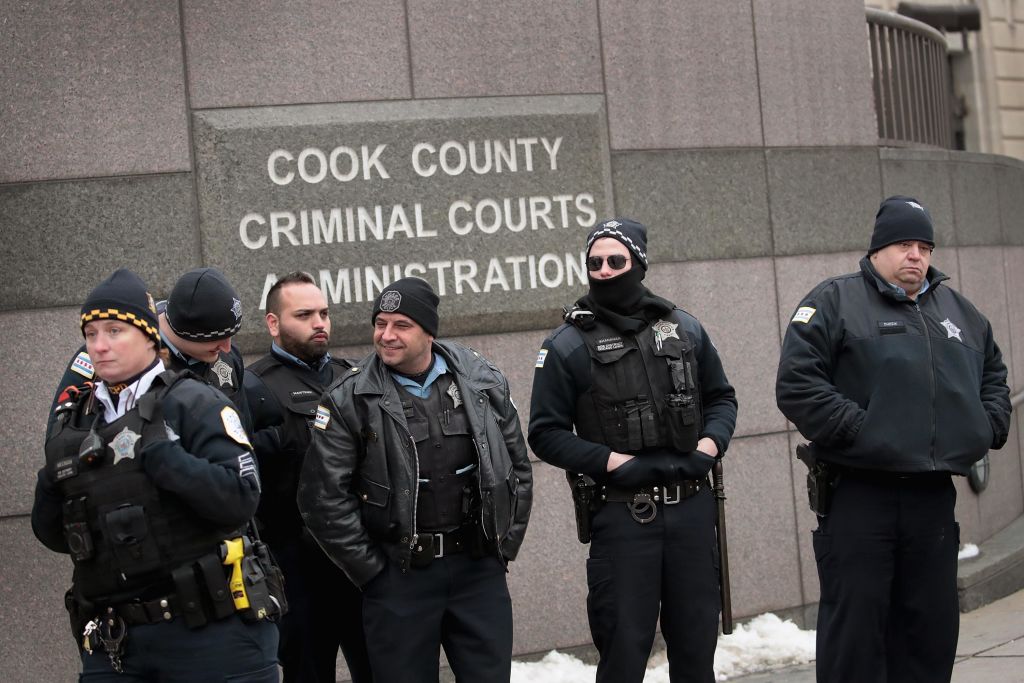
Chicago hands out millions in settlements and legal fees for police misconduct. Its newly inaugurated mayor should take a dollar from the department’s budget for every dollar the city spends settling with its victims.
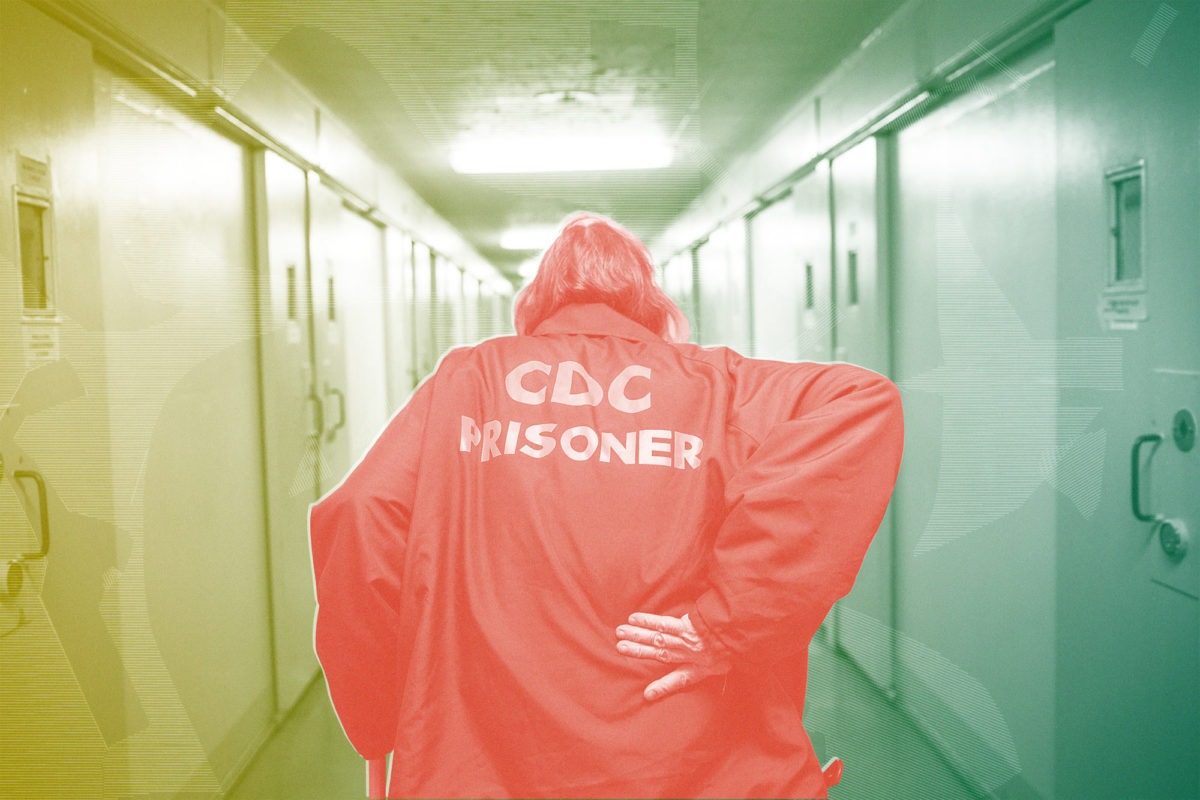
William J. Richards was cleared in the death of his wife. But he says he was the victim of medical neglect while he was behind bars, which led to a cancer diagnosis becoming terminal. Now he’s suing.
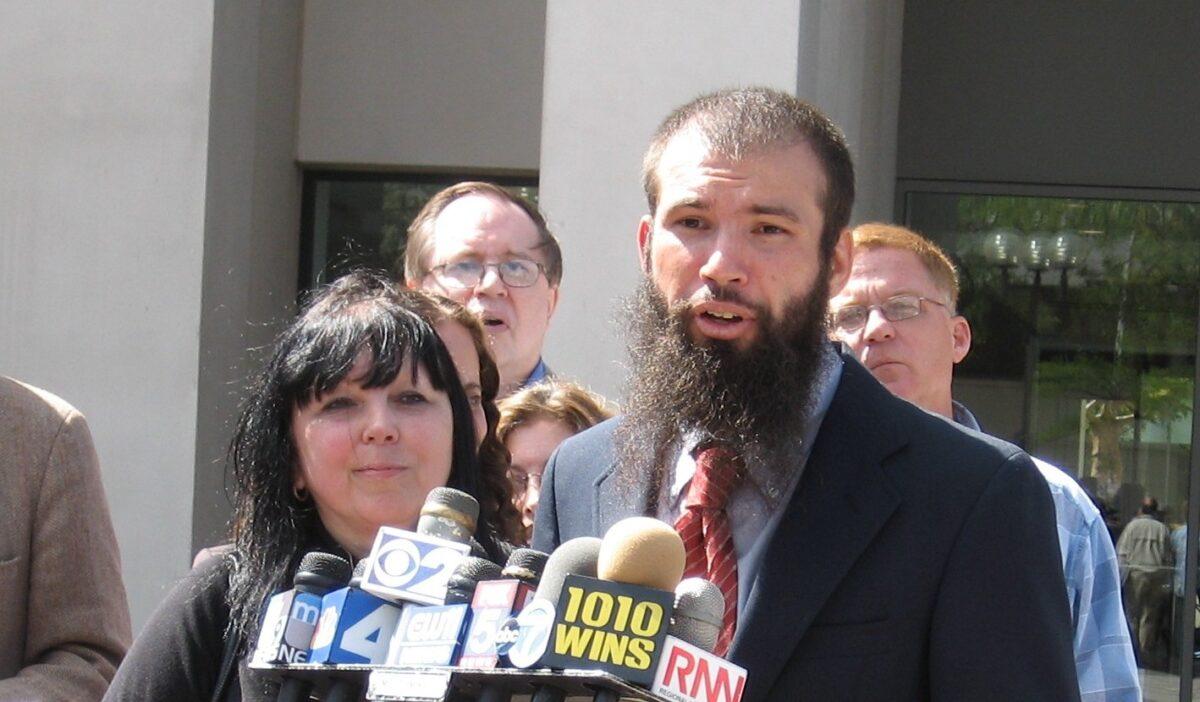
Experts say New York’s Commission on Prosecutorial Conduct is an important first step, but the problem isn’t just misconduct—it’s the way prosecutors wield their discretion every day.
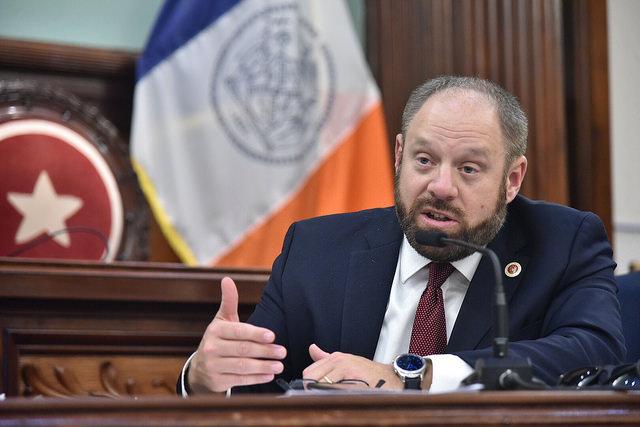
The City Council member now eyeing a run for Queens DA has a record of supporting reform, but some critics aren’t convinced.
Letter from Jabbar Collins warns that his case is likely only “the tip of the proverbial iceberg”

The pardon vote removes any “residual stain” on his record.