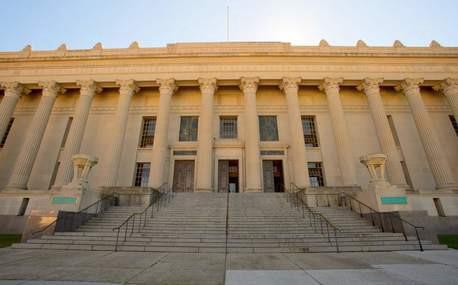
New Orleans Court Ordered To Stop Funding Itself On The Backs Of The Poor
The criminal court was funneling millions of dollars a year from poor communities.

The criminal court was funneling millions of dollars a year from poor communities.
Catina Curley suffered physical abuse at the hands of her husband for more than a decade. When she turned a revolver on him, she was charged with murder and sentenced to life. Now, thanks to a court ruling, she has a chance at freedom.
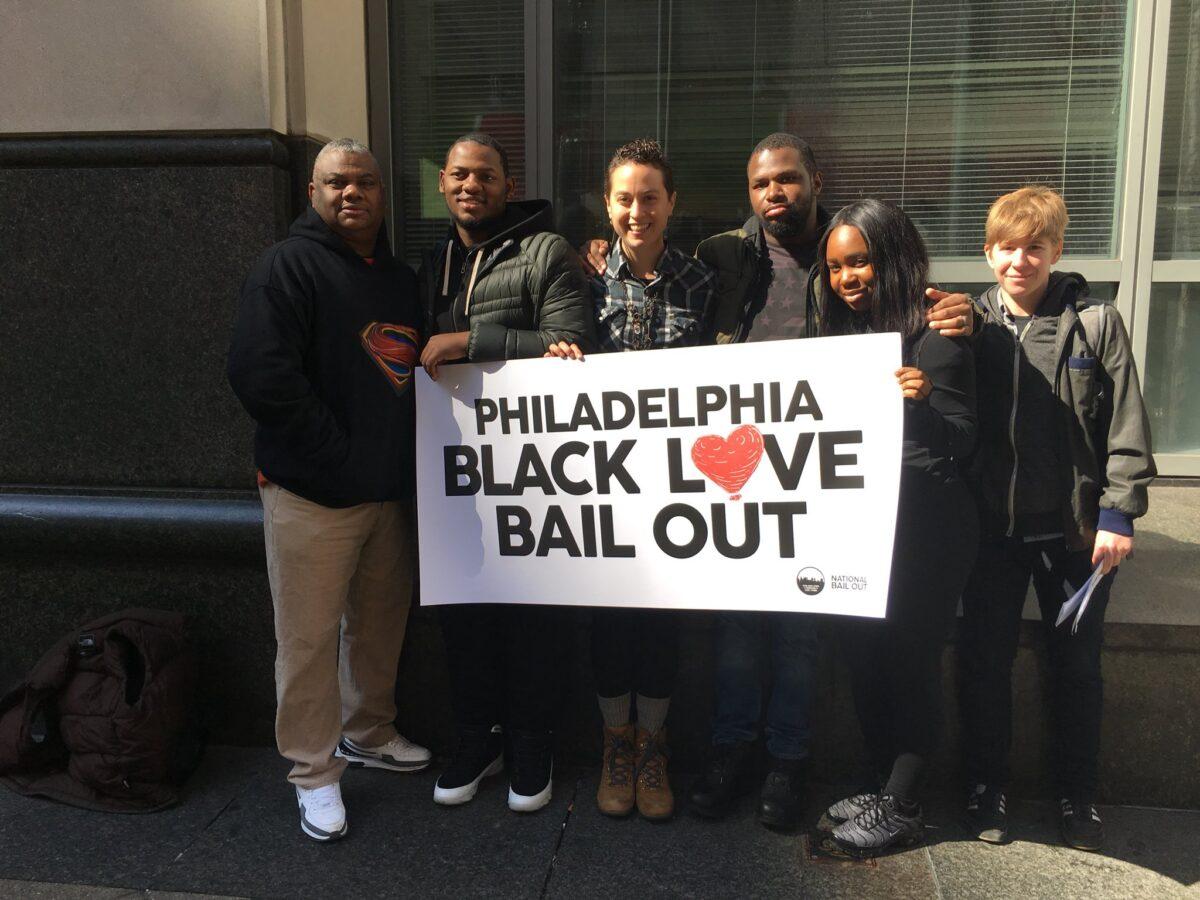
With journalist Bryce Covert.
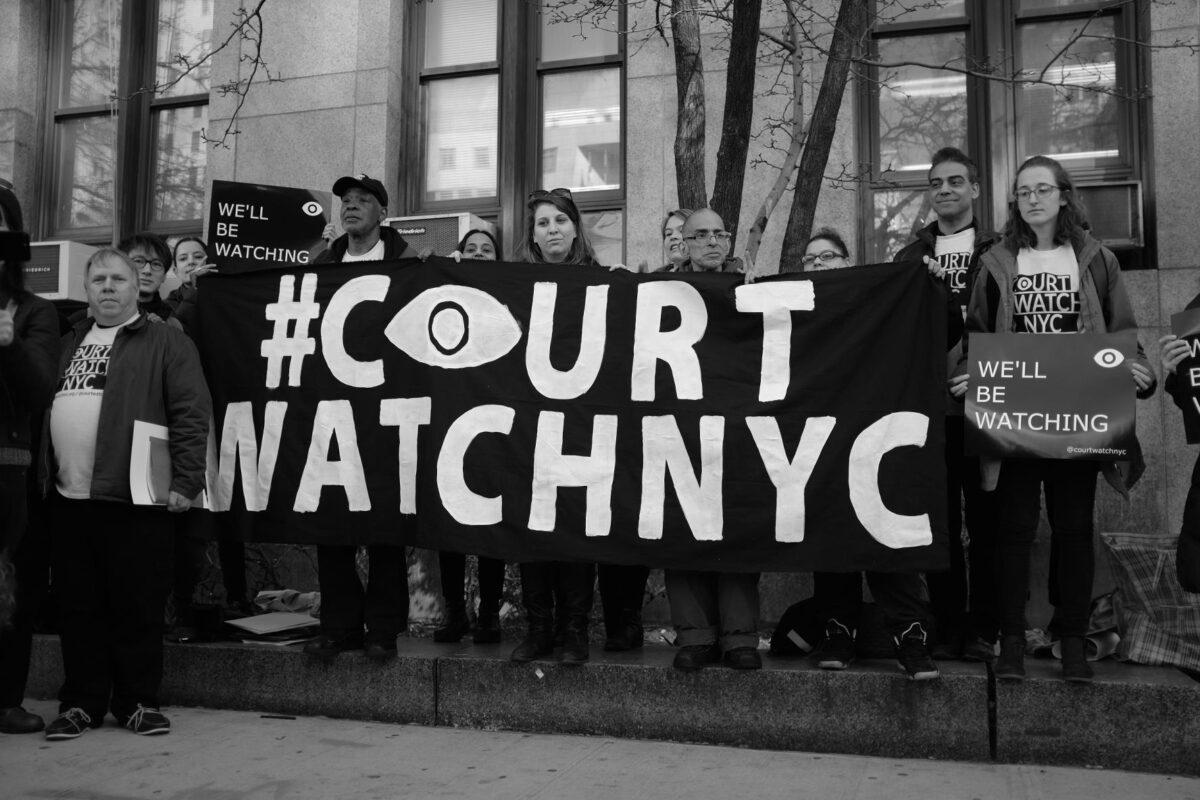
Prosecutors and judges across the country are starting to feel eyes on them.

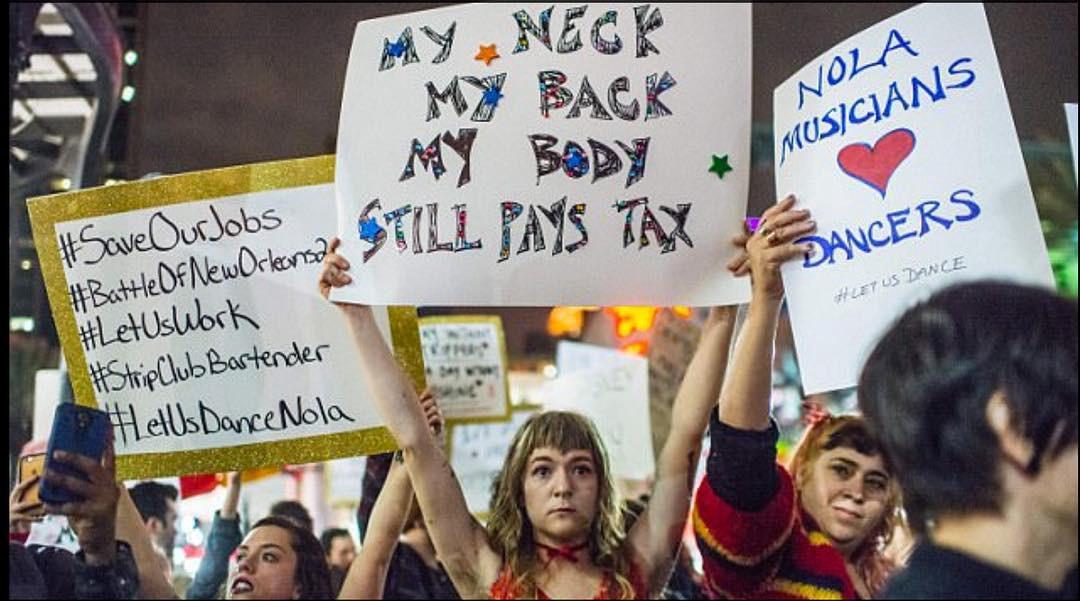
From local charities, to the editorial pages, to city politicians, New Orleans strip clubs were blamed for human trafficking, leading to abusive police raids – harming the dancers they claimed they were protecting, and pushing the dancers to fight back.
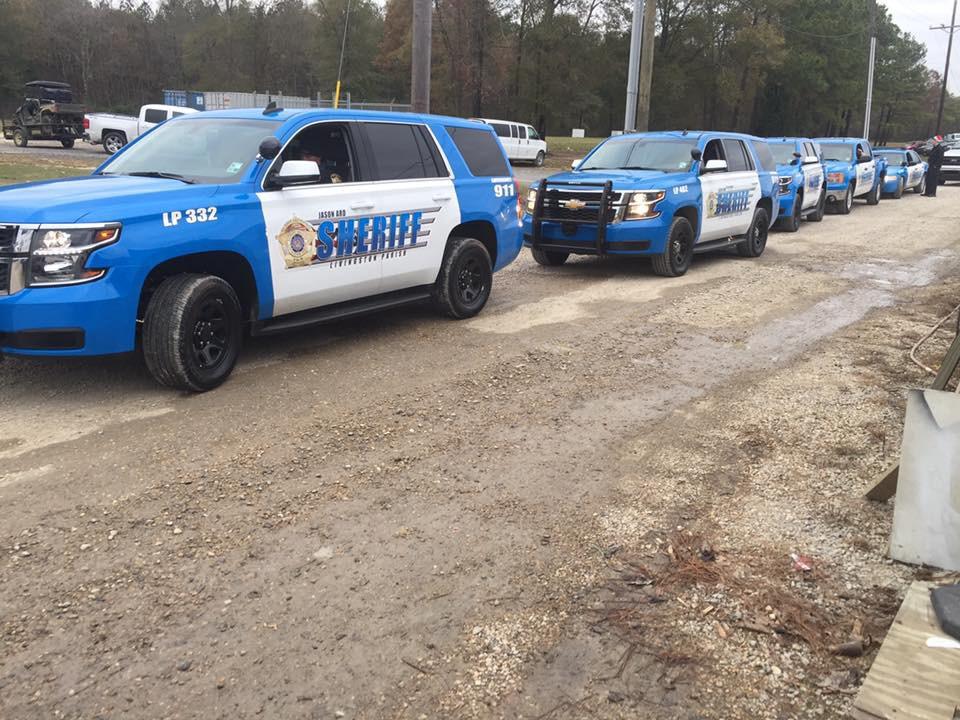
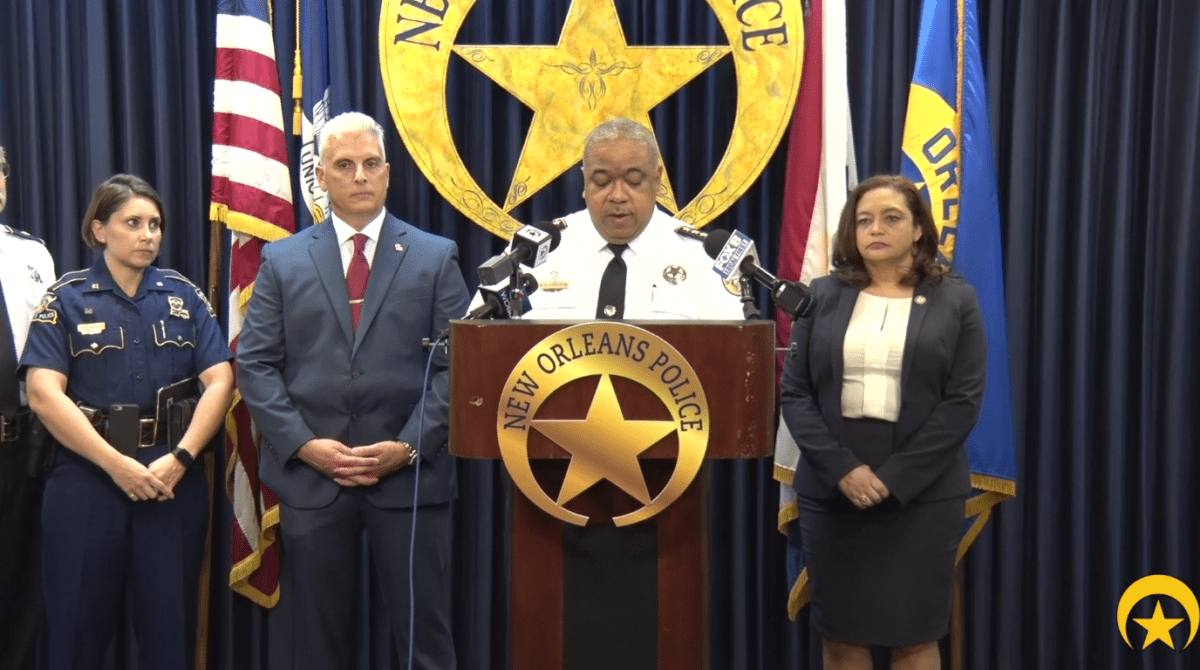
The New Orleans Police Department, the Louisiana State Police, and the Louisiana Office of Alcohol and Tobacco Control (ATC) have raided eight French Quarter strip clubs in the past 10 days. At a Monday press conference, both NOPD and ATC claimed the raids were the result of a multi-month, ongoing “human trafficking” operation, yet they also admitted they made no trafficking arrests, nor did they identify any victims of trafficking.
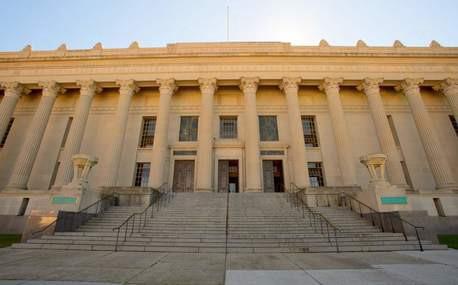
Case called an “embarrassment to criminal justice system.”

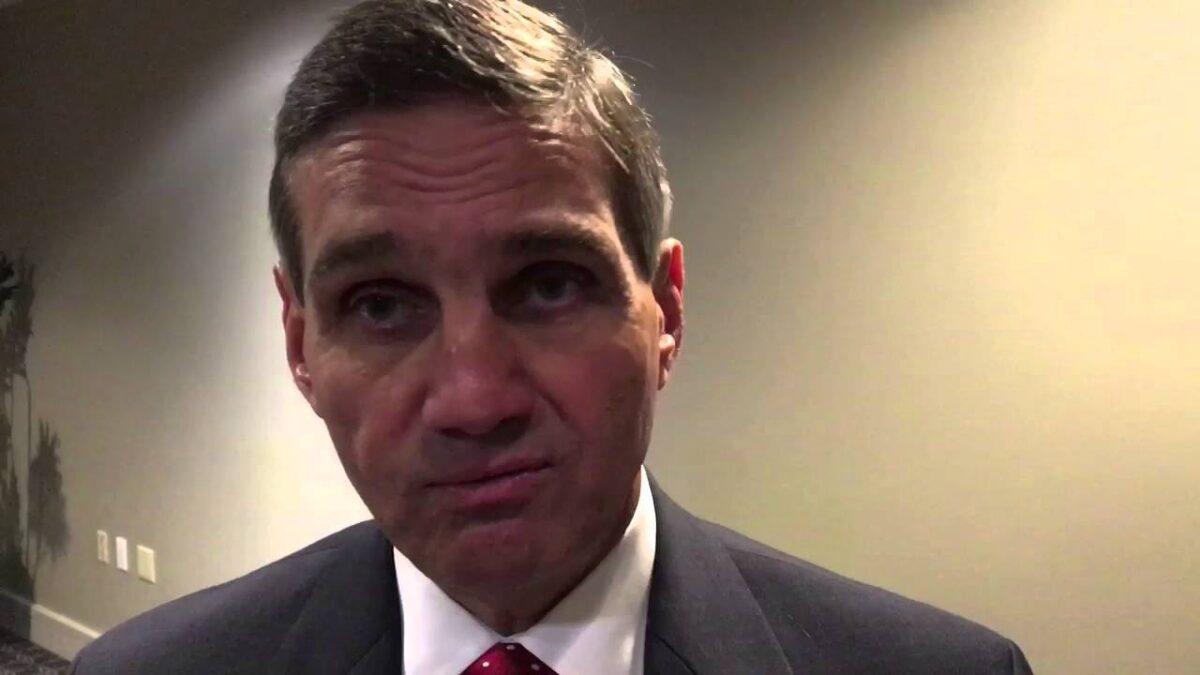
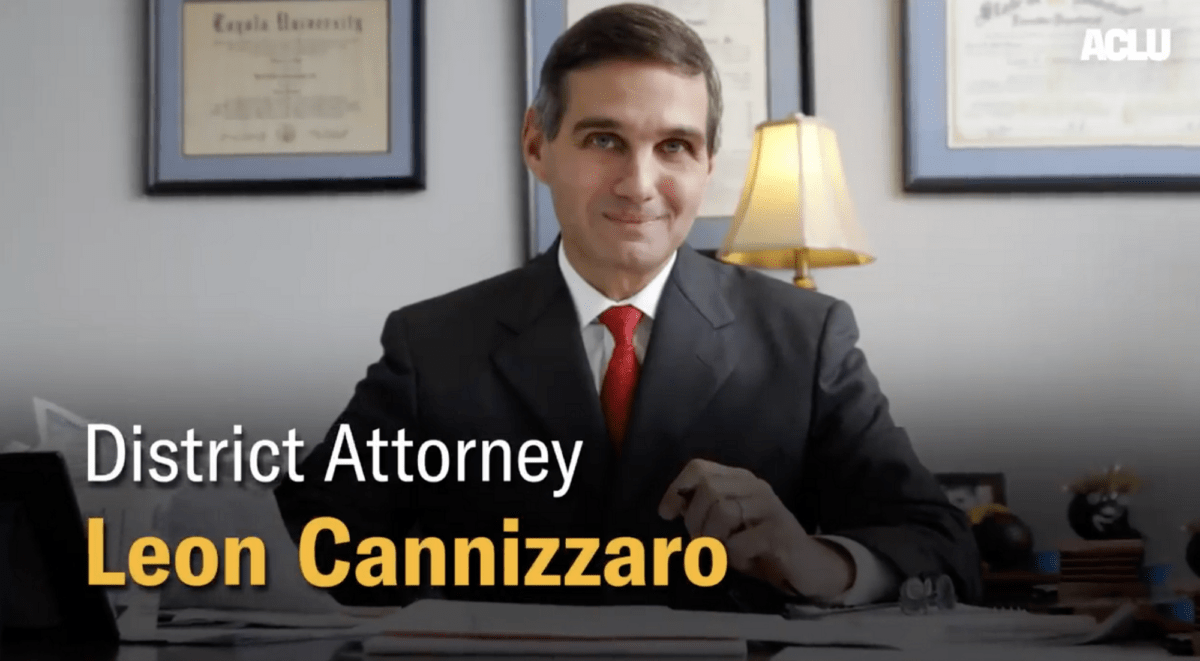
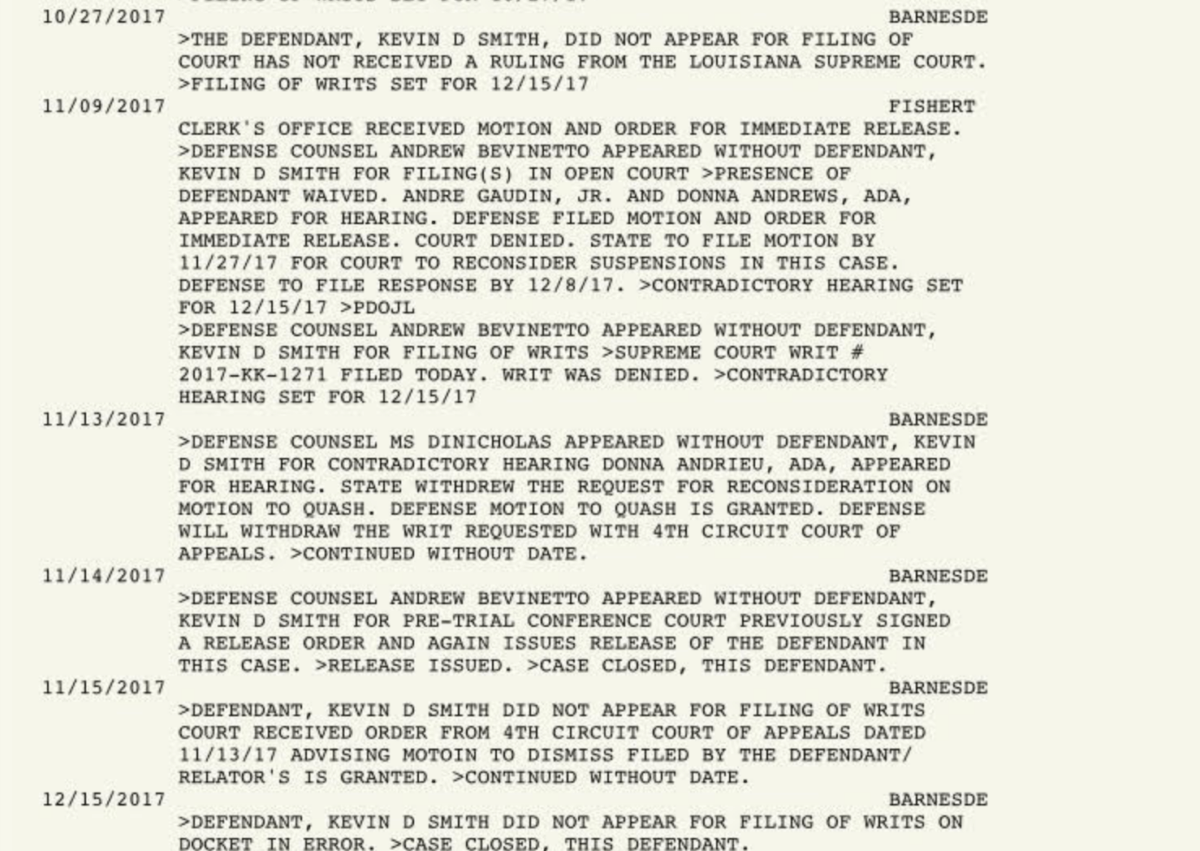
Orleans County District Attorney Leon Cannizzaro has been ordered to disclose the names of all the prosecutors in his office who used “fake subpoenas” to compel witnesses to talk with them. Cannizzaro was given 20 days to produce the names of prosecutors who engaged in the practice during 2017. He then must provide the same information going back to 2013.