Trump’s Crackdown on Dissent Comes for Minnesota Anti-ICE Organizers
Federal prosecutors charged 15 people with conspiracy, painting their political speech, protest activity, and alleged antifa ties as evidence of criminal wrongdoing.

Federal prosecutors charged 15 people with conspiracy, painting their political speech, protest activity, and alleged antifa ties as evidence of criminal wrongdoing.
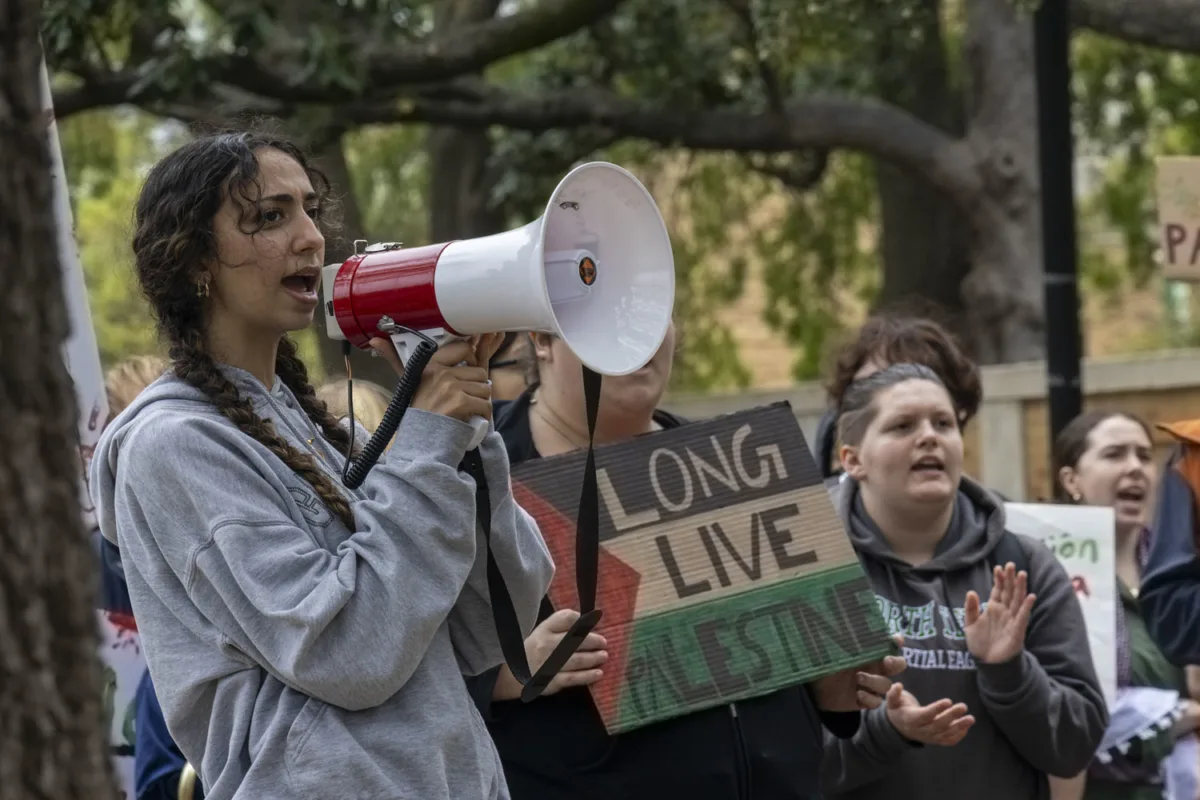
In five jurisdictions reviewed by The Appeal, prosecutors have filed or are considering filing 187 charges against 66 protesters—including alleged hate crimes on cops, mob action, and attempted ethnic intimidation.
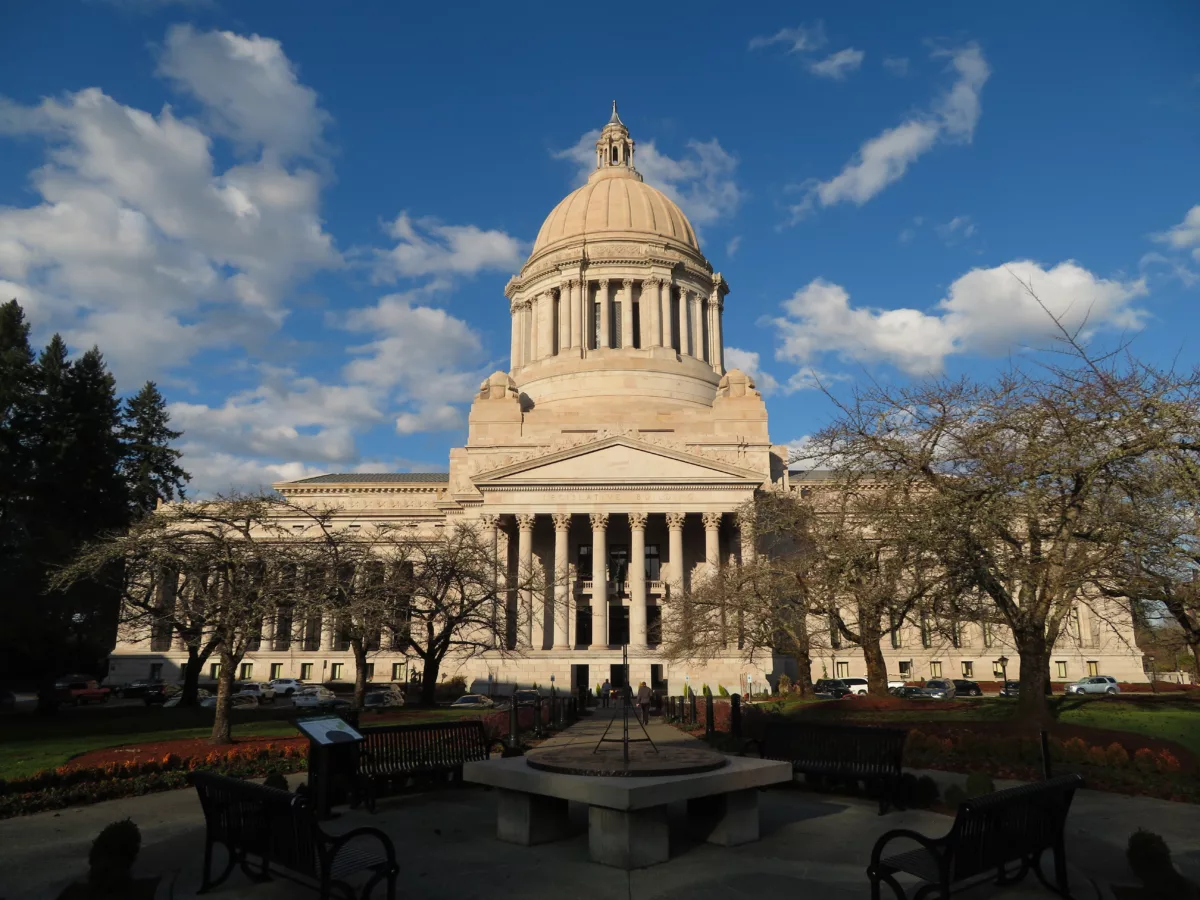
Public records reveal how Washington Department of Corrections uses a nebulous victim rights policy to bar incarcerated people from participating in public debates.
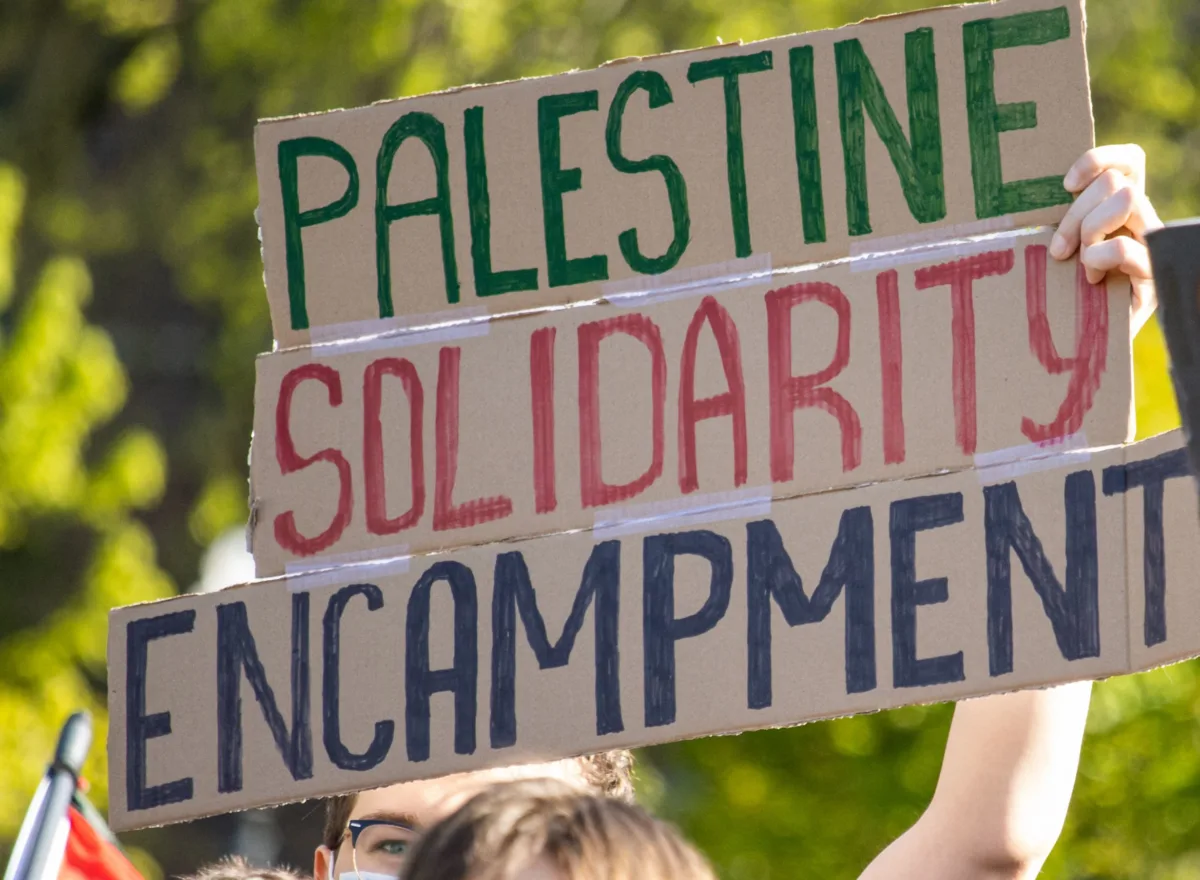
The Appeal reviewed 935 arrests that occurred on 22 campuses last Spring. Prosecutors—all of whom are running for reelection—charged students with felonies, including assaults on police officers, wearing disguises, mob action, and attempted ethnic intimidation.
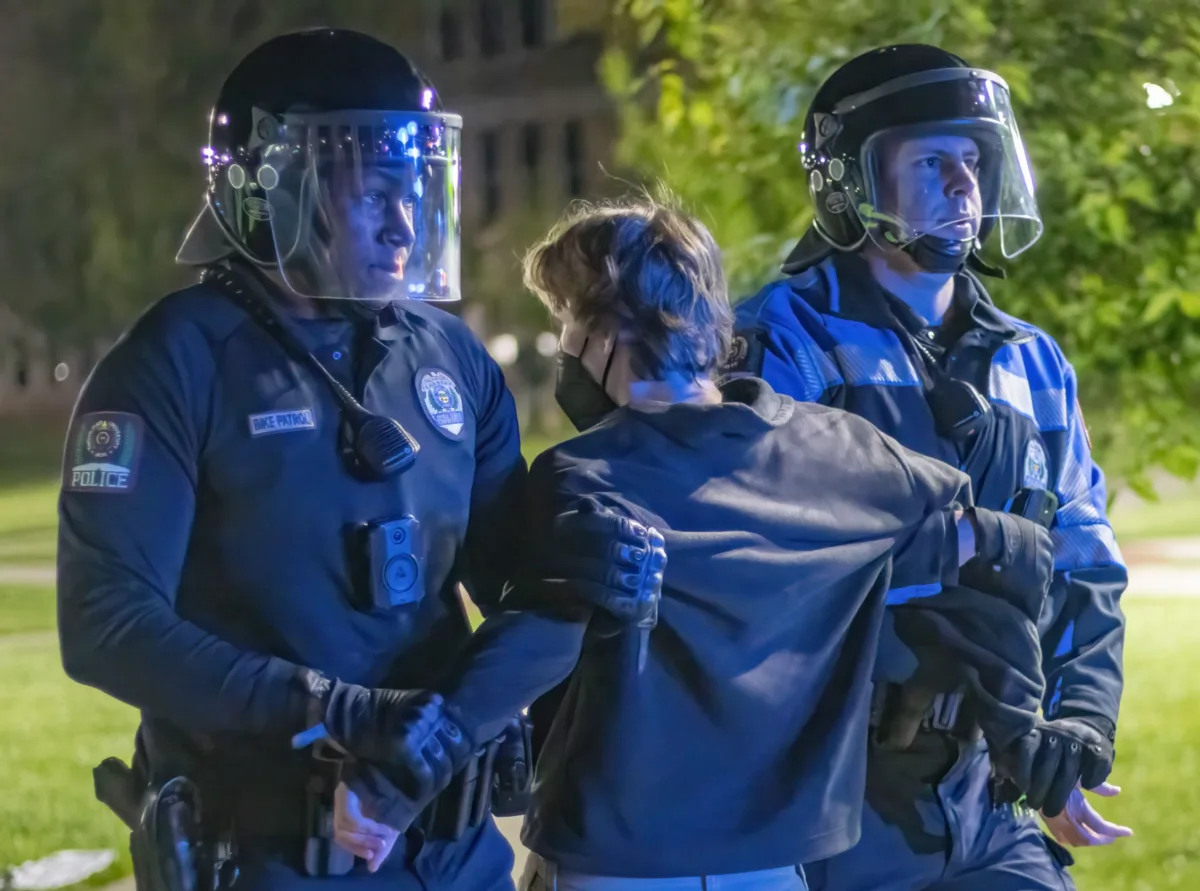
The Appeal contacted more than 120 prosecutors and city attorneys to ask if they’ll file criminal cases against campus demonstrators. So far, only four expressed apprehension at doing so.
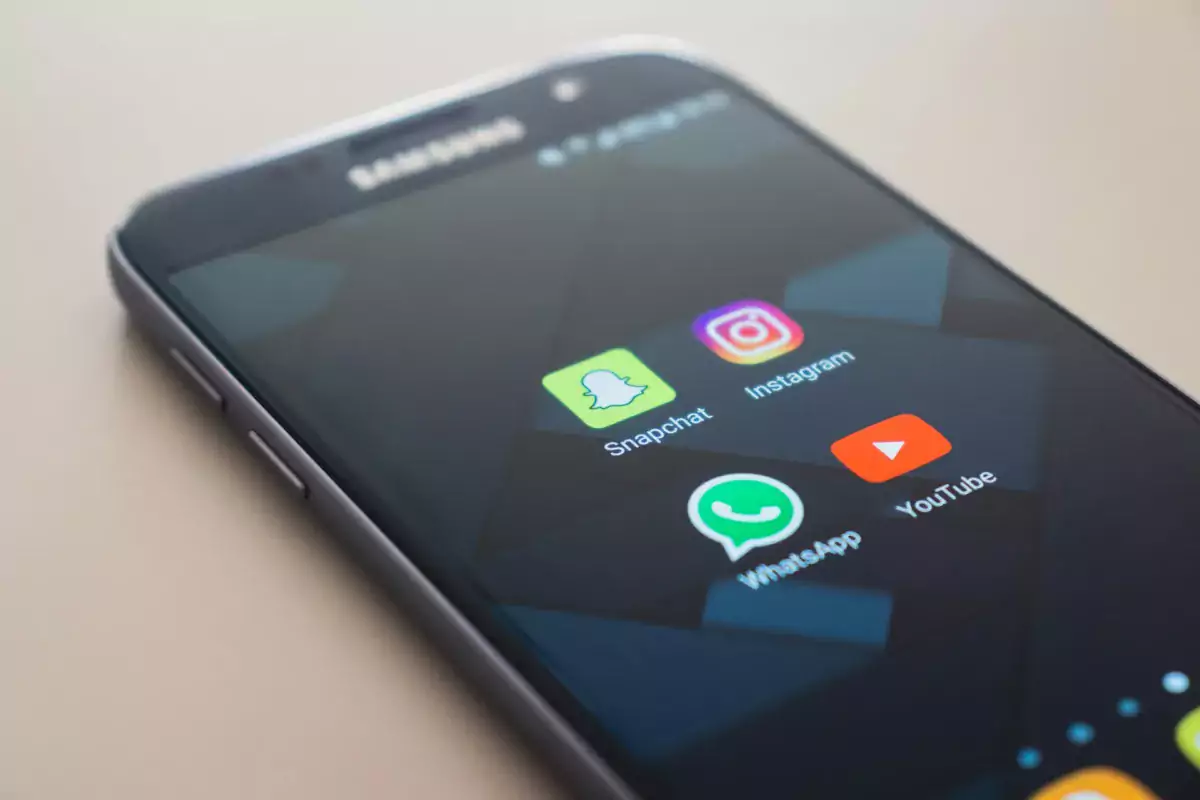
The federal Bureau of Prisons has suggested banning imprisoned people from using social media—but First Amendment defenders say the rule would chill free speech and silence whistleblowers.
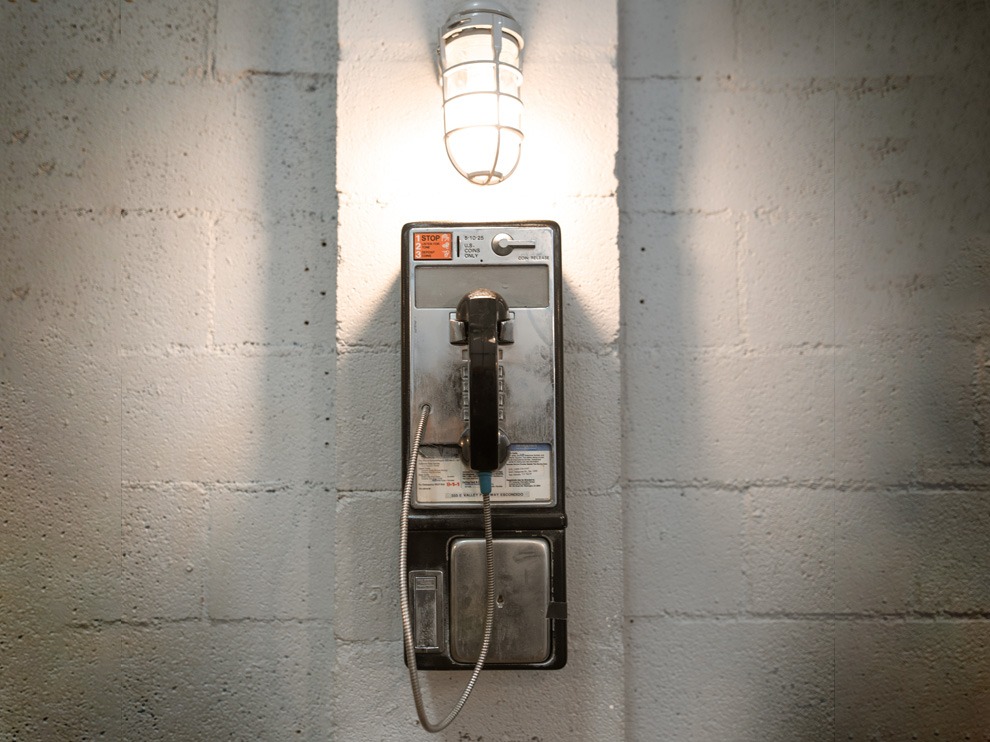
The ACLU says the state’s policy is the “most restrictive” in the nation.
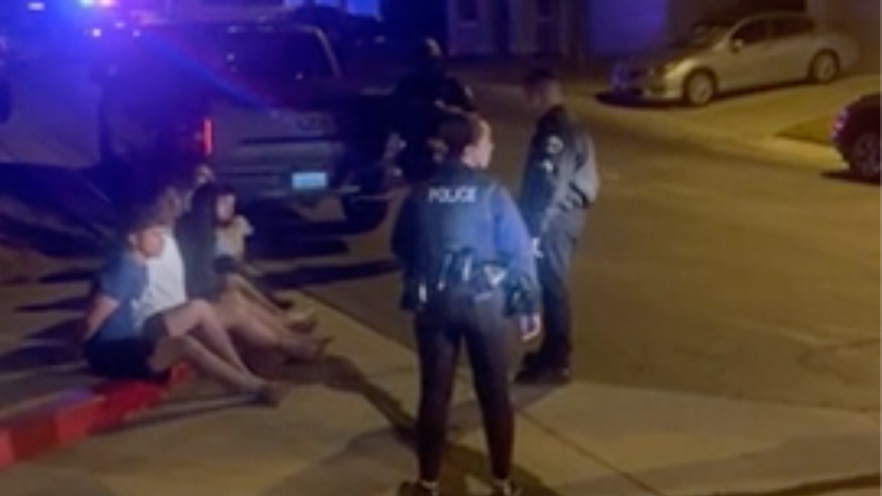
Police raided Ryan Cortez’s home after he participated in a protest against police harassment. On Oct. 6, a jury acquitted Cortez, but concerns over free speech remain.
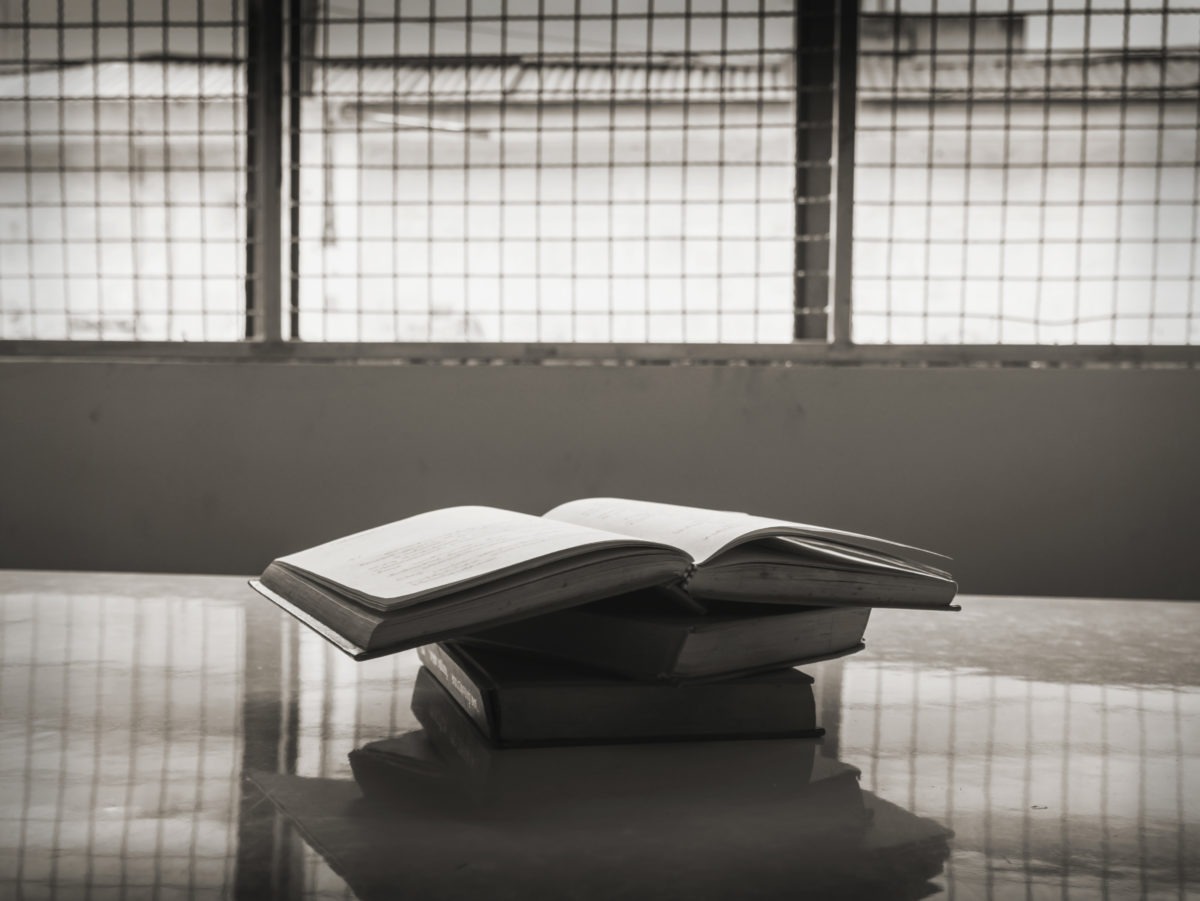
Carceral institutions are the sites of this country’s most extensive book bans.
Climate activists in Houston are charged under a new law aimed at criminalizing protest
Human rights groups, sex worker rights activists, a digital archive and others say they are already facing censorship.