
In Spite of the Consequences: Prison Letters on Exoneration, Abolition, and Freedom
Lacino Hamilton spent 26 years in prison for a murder he didn’t commit before being exonerated in 2020 after DNA evidence cleared him.

Lacino Hamilton spent 26 years in prison for a murder he didn’t commit before being exonerated in 2020 after DNA evidence cleared him.

Josie Duffy Rice and guest co-host Zak Cheney Rice talk with Radley Balko, opinion journalist at the Washington Post and author of The Cadaver and the Country Dentist, about faulty forensic science.
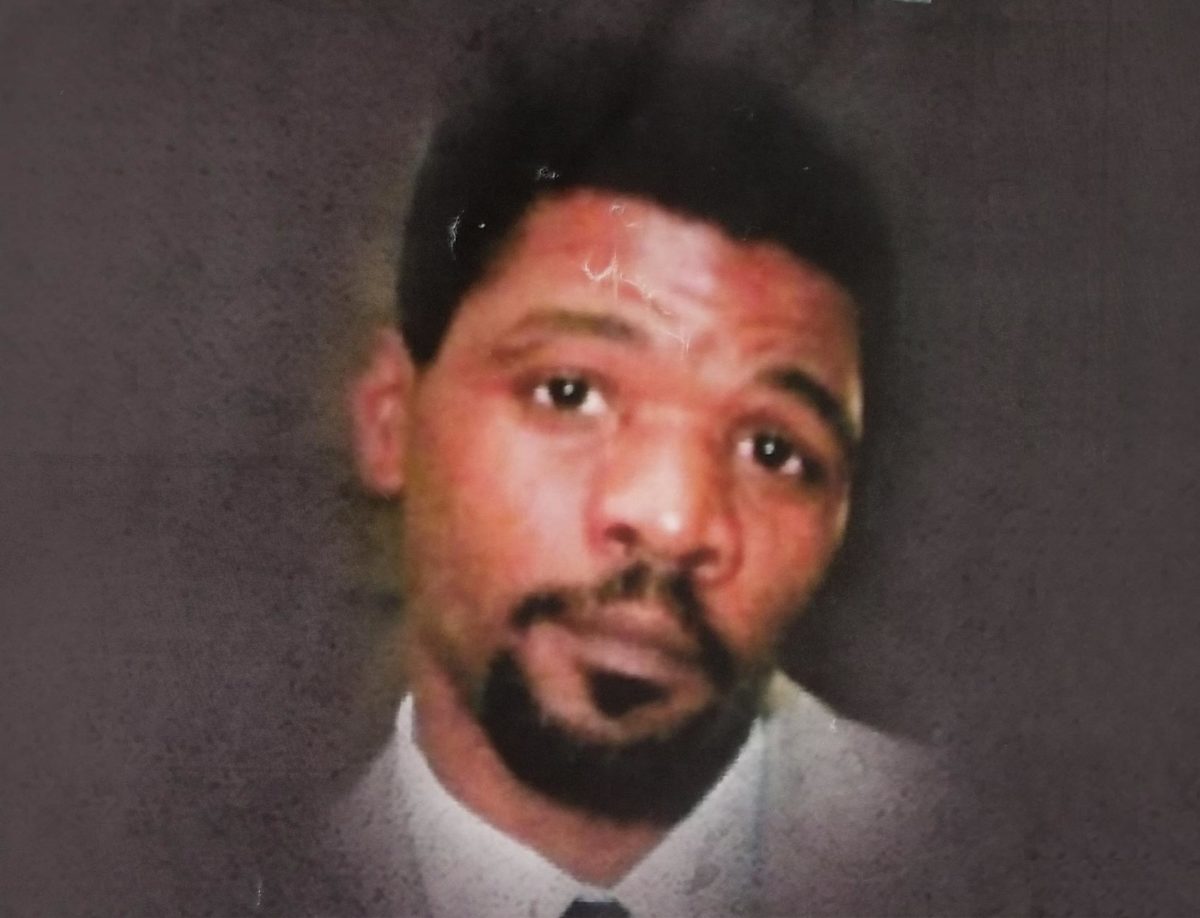
Lee’s family wants officials in Jacksonville, Arkansas, to turn over evidence that was used to convict and sentence him to death. The family says that evidence could posthumously exonerate him.

With Daniel Harawa, assistant professor at Washington University in St. Louis School of Law.
Advocates say the removals are more evidence of a troubling and unregulated law enforcement tool, overseen by the city’s Office of the Chief Medical Examiner.
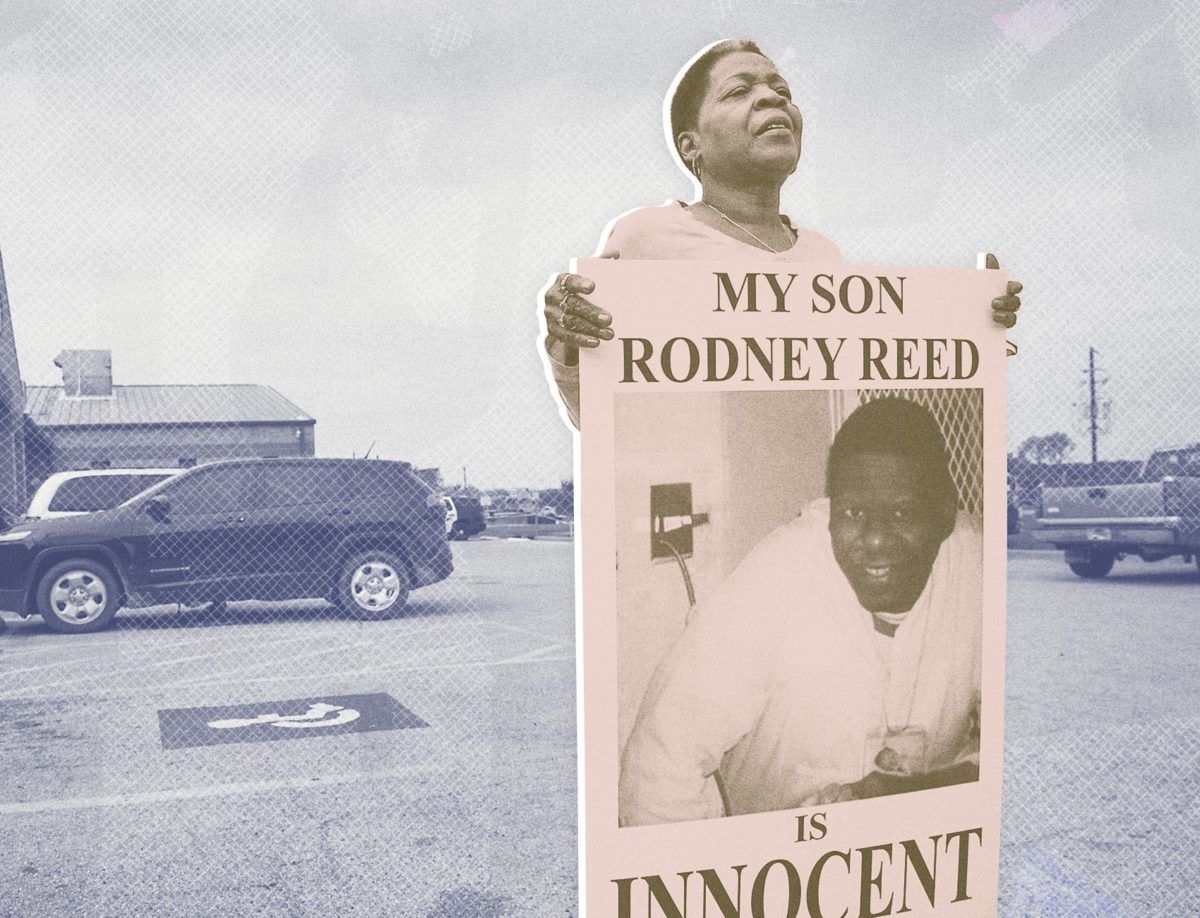
In these last two months of 2019, one man has been executed and two others are facing execution despite claims that they can show they don’t belong on death row.
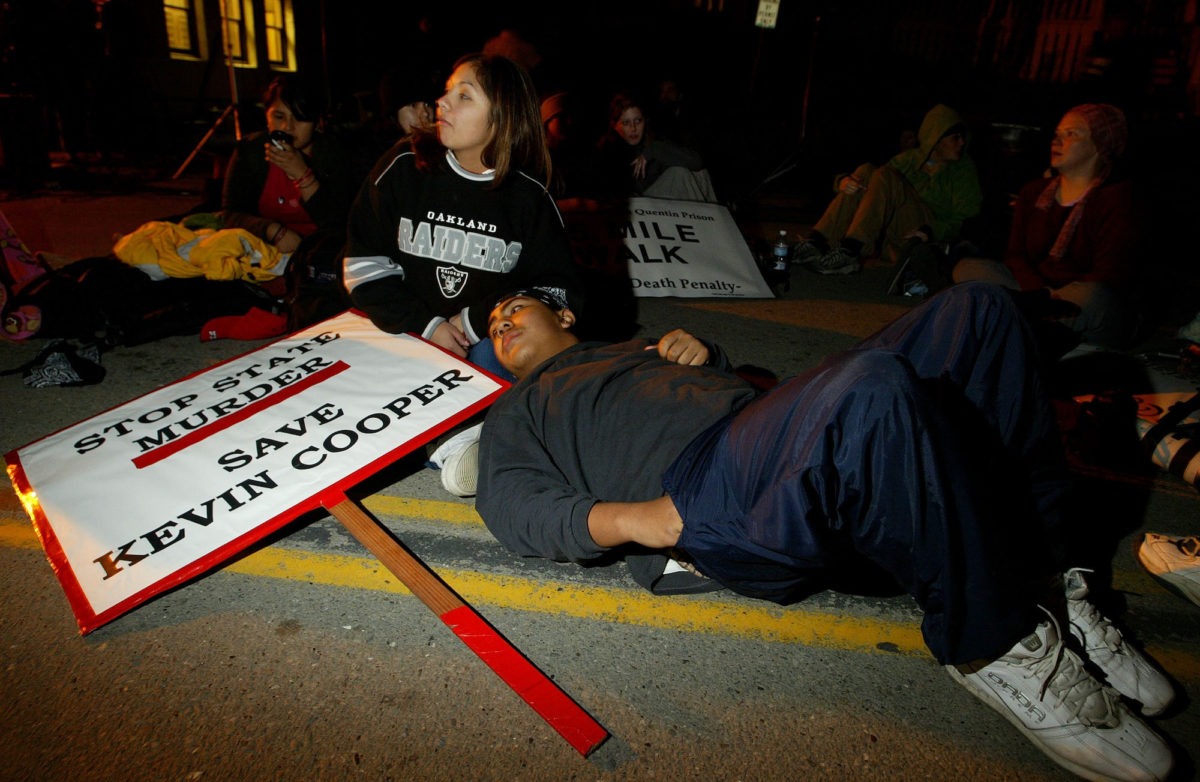
Corrupt cops, lazy lawyers, and cowardly politicians: Kevin Cooper’s case exemplifies three and a half decades of systemic failures

The decision also held that the city’s routine storage of DNA profiles from nonconvicted people in a permanent database violates state law.
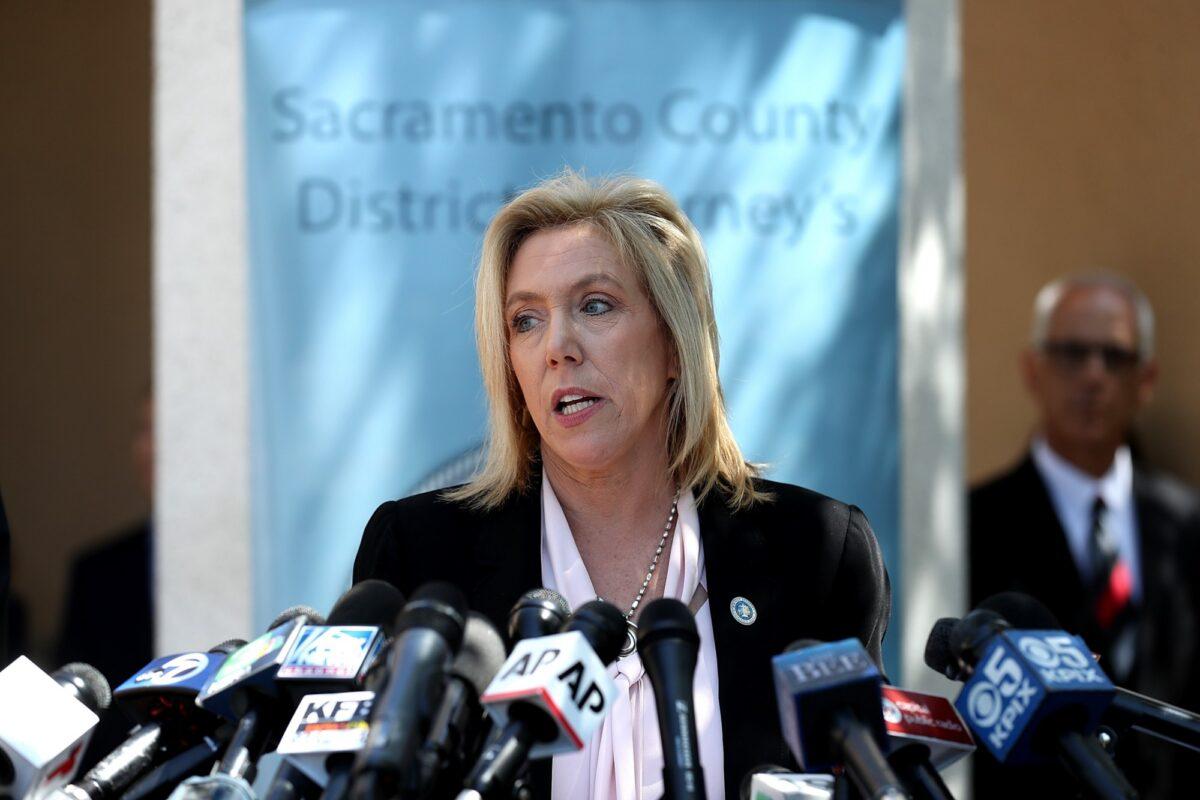
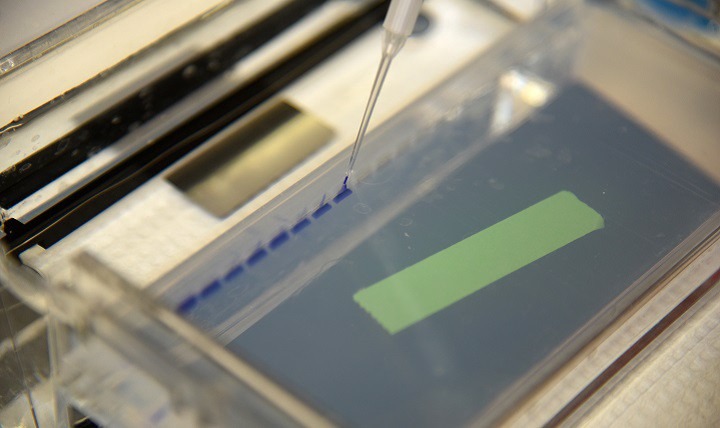
Dispatches is our series from organizers, attorneys, officials, and others working at the frontlines of local criminal justice reform.
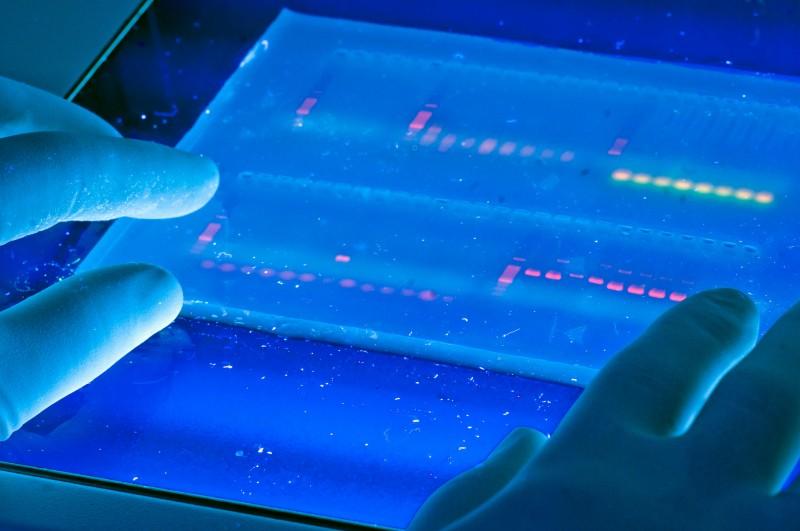
In this Oregon capital case, it could ensure that the state doesn’t execute the wrong man.