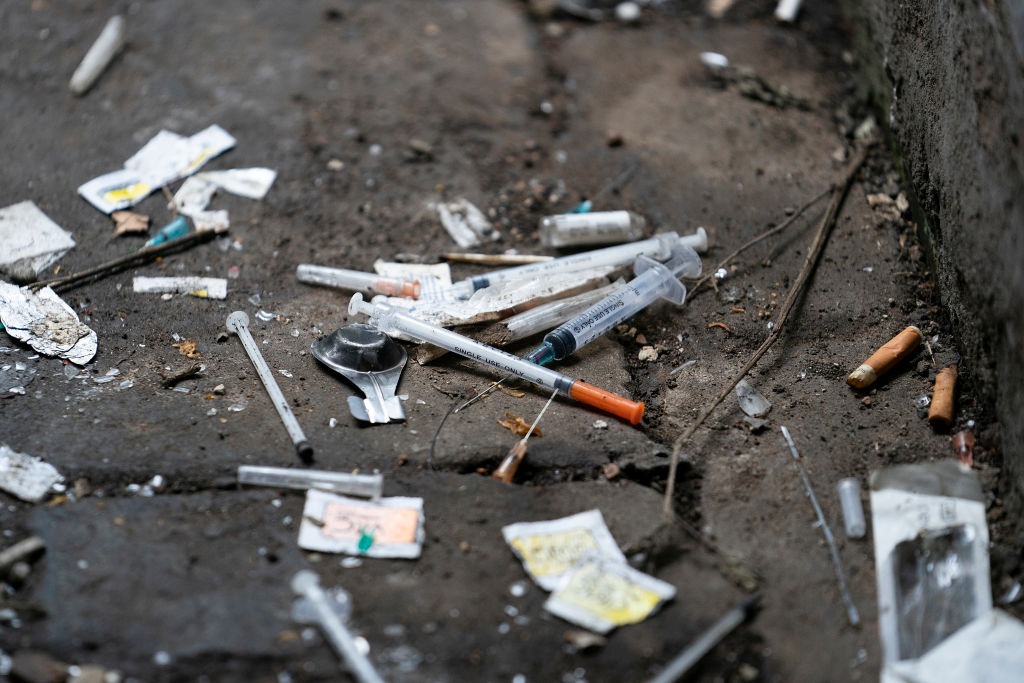
San Antonio’s Response to Homelessness Is Broken. It’s Time to Put Housing First
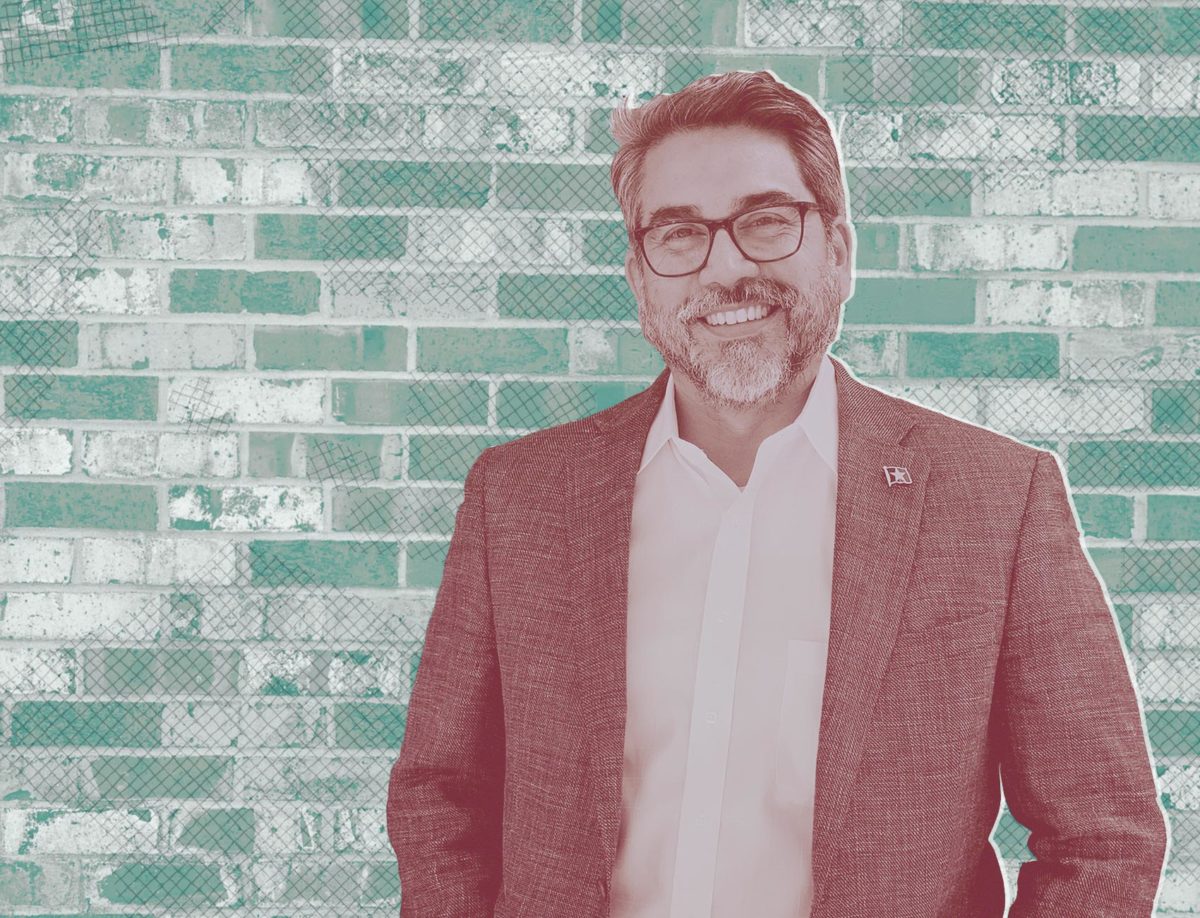
Shelters are not meeting people’s needs, and the city is clearing encampments, says City Councilmember Roberto Treviño.

Shelters are not meeting people’s needs, and the city is clearing encampments, says City Councilmember Roberto Treviño.
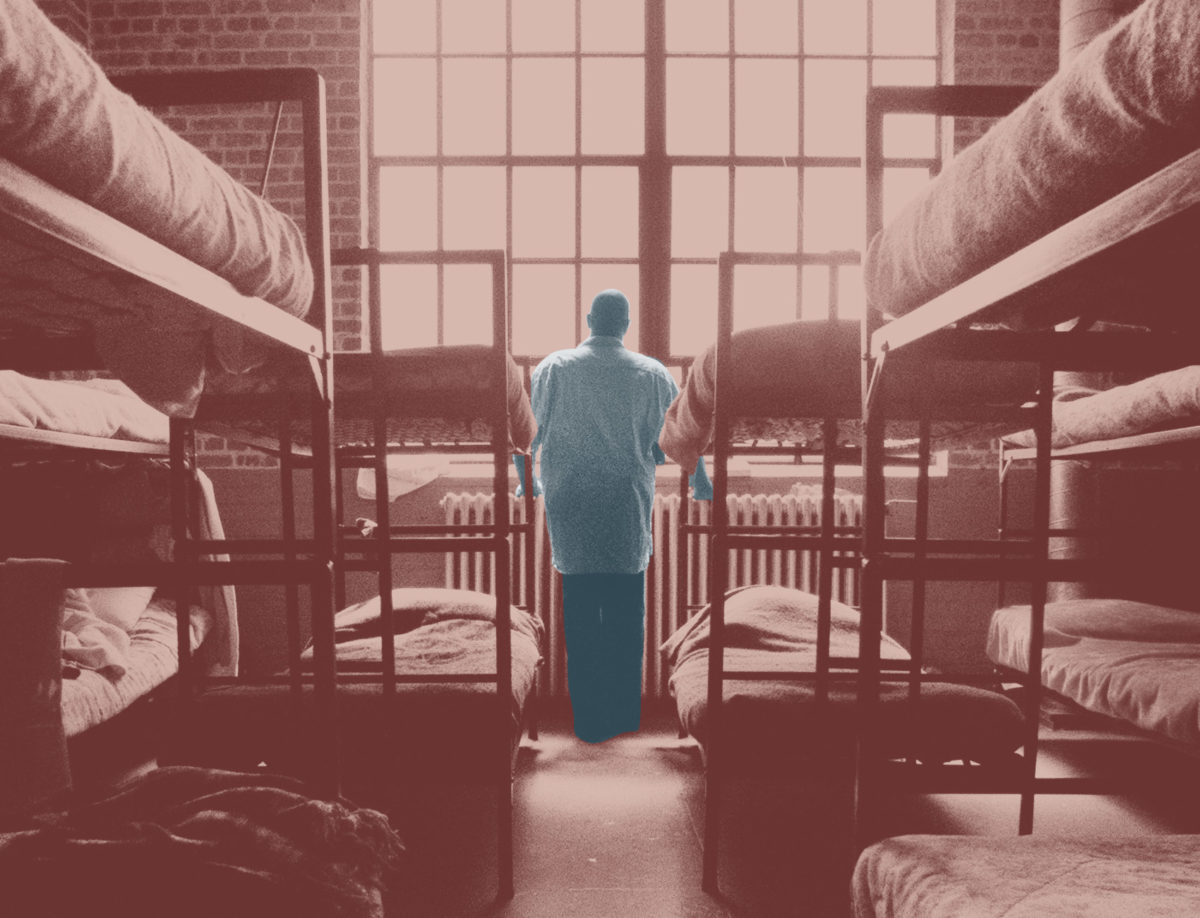
Efforts to address the harms of police violence and incarceration must consider the drug war, activists and treatment professionals note, including the punitive models of treatment.

Nicole Poston was sentenced in July for punching a police officer after she slipped free from a handcuff. Life sentences, even for nonhomicide offenses like Poston’s, are ‘a major factor’ in mass incarceration in the U.S., a criminal justice expert said.
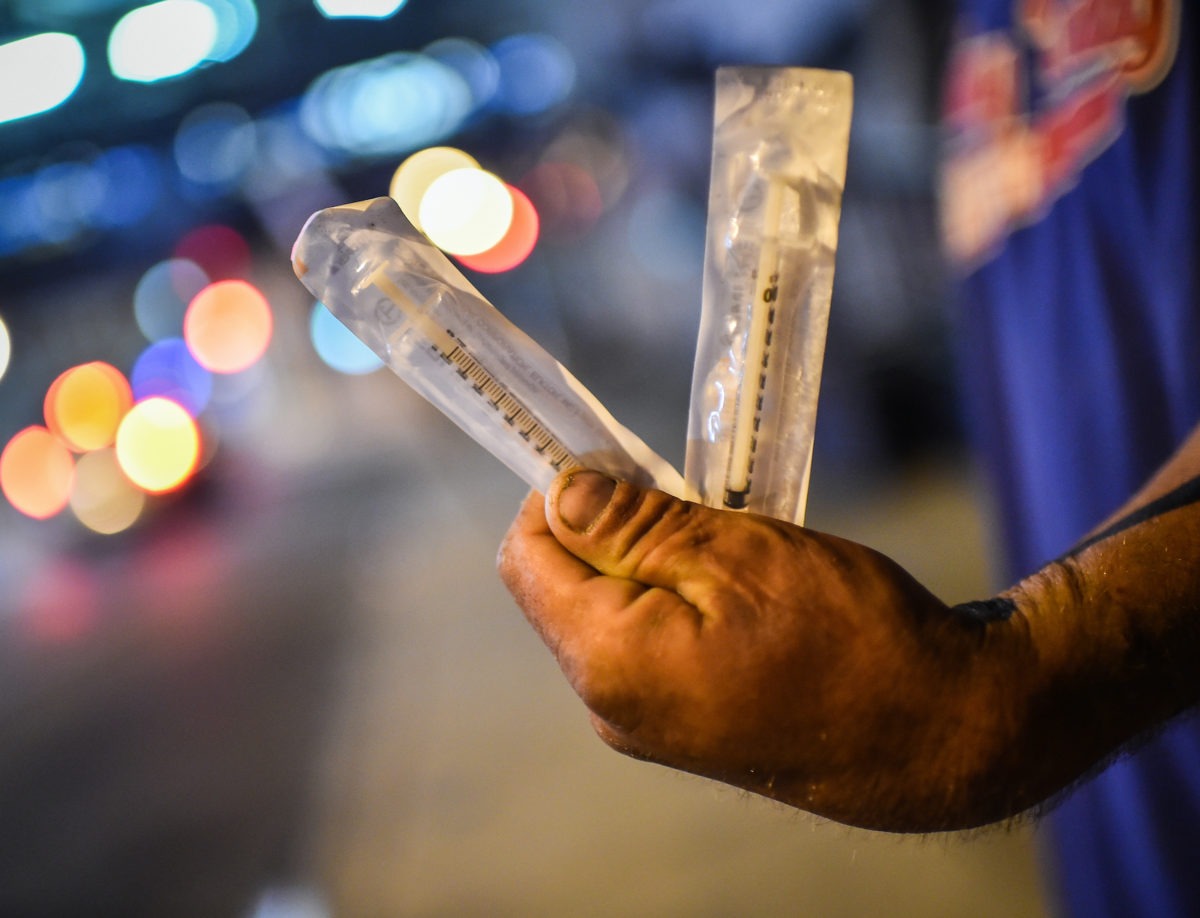
Advocates say the pandemic has exacerbated the overdose crisis in the state by forcing people into isolation and impeding access to treatment.

Social Workers address crises regularly and without an armed police officer standing in front of us. Often, the presence of an armed officer escalates a crisis that could have been better handled by mental health professionals alone.

In Cook County, Illinois, suspected or confirmed fatal overdose deaths doubled over last year in the first five months of this year.
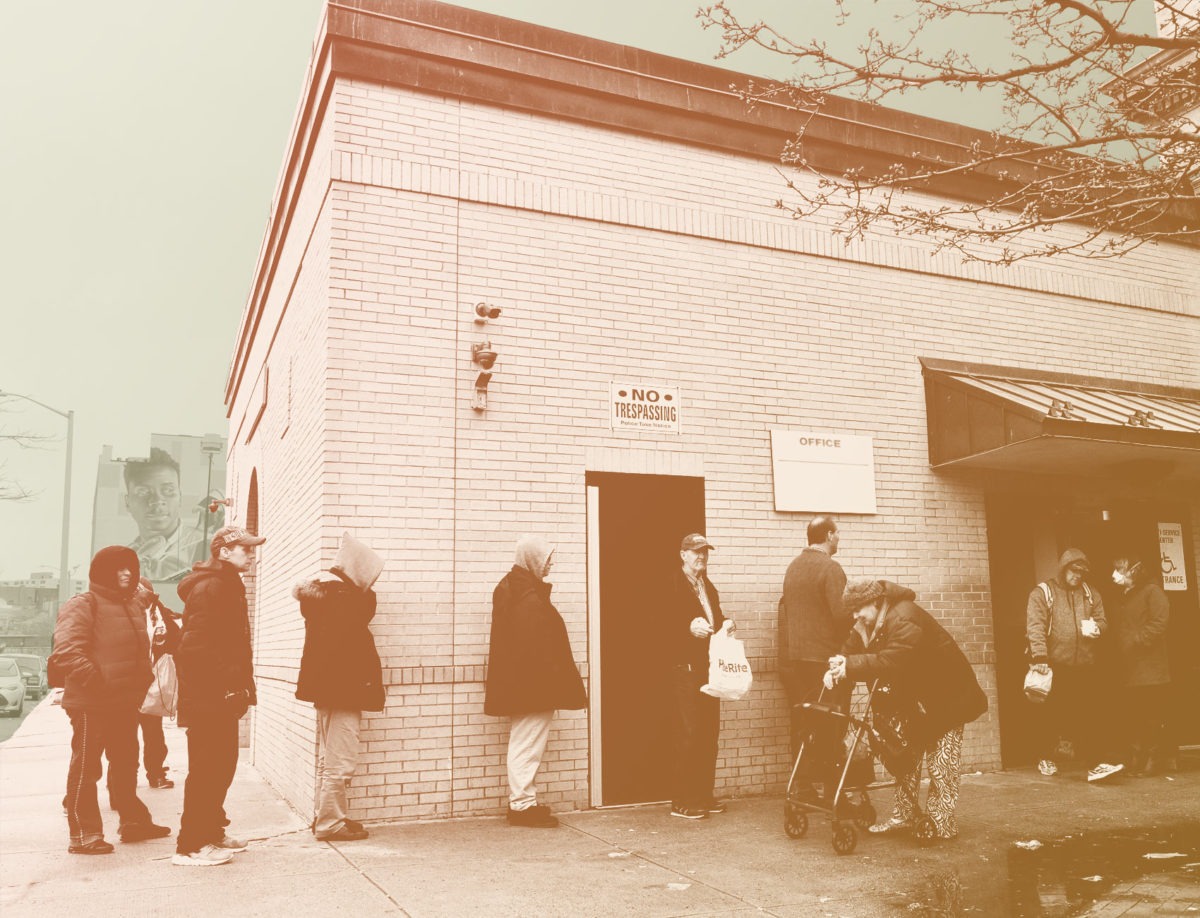
For many people across the U.S. who need methadone treatment, sheltering in place during the coronavirus outbreak is impossible.
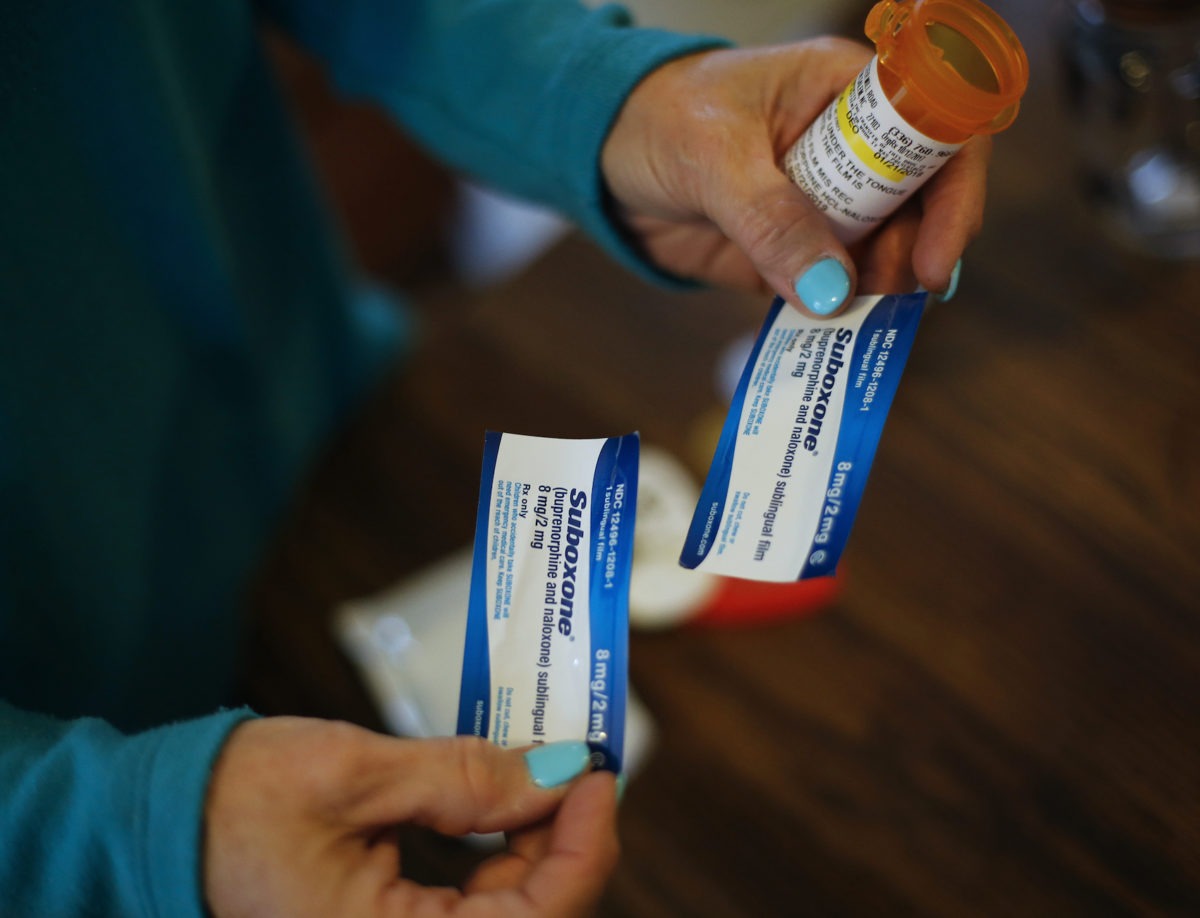
Social distancing orders are a necessity, but they create a host of new problems for people in treatment for substance use disorders.
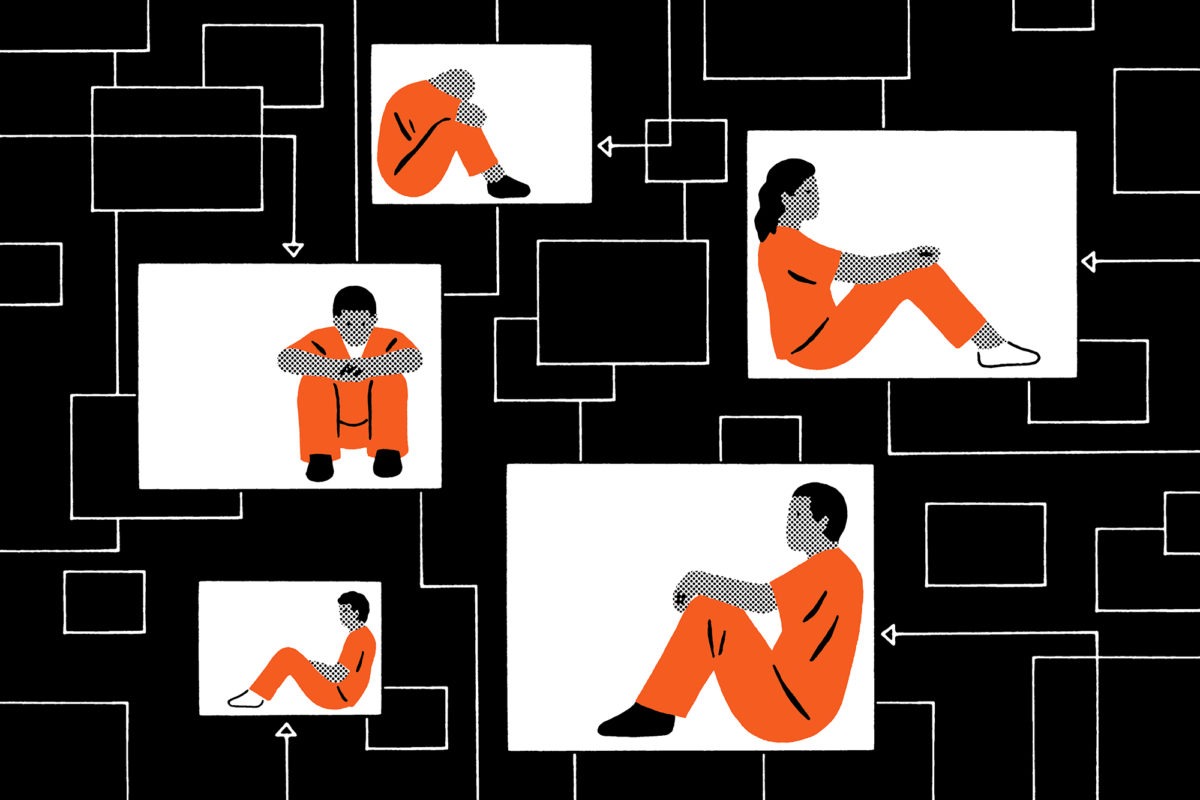
With special guest host Leo Beletsky, a professor of Law and Health Sciences at Northeastern University, and criminal justice reform advocate Morgan Godvin.

Rather than separating families, child ‘welfare’ agencies should help families get access to the care they need.

Kern County Sheriff Donny Youngblood and District Attorney Cynthia Zimmer intend to openly defy a 1975 state Supreme Court precedent that says law enforcement cannot intentionally discriminate against a person or group of people.

Nearly half of all arrests in the state are drug or alcohol related, compared to just 29 percent nationally.

Recent legal victories have spurred counties and states to provide medication-assisted treatment to prisoners struggling with substance use.
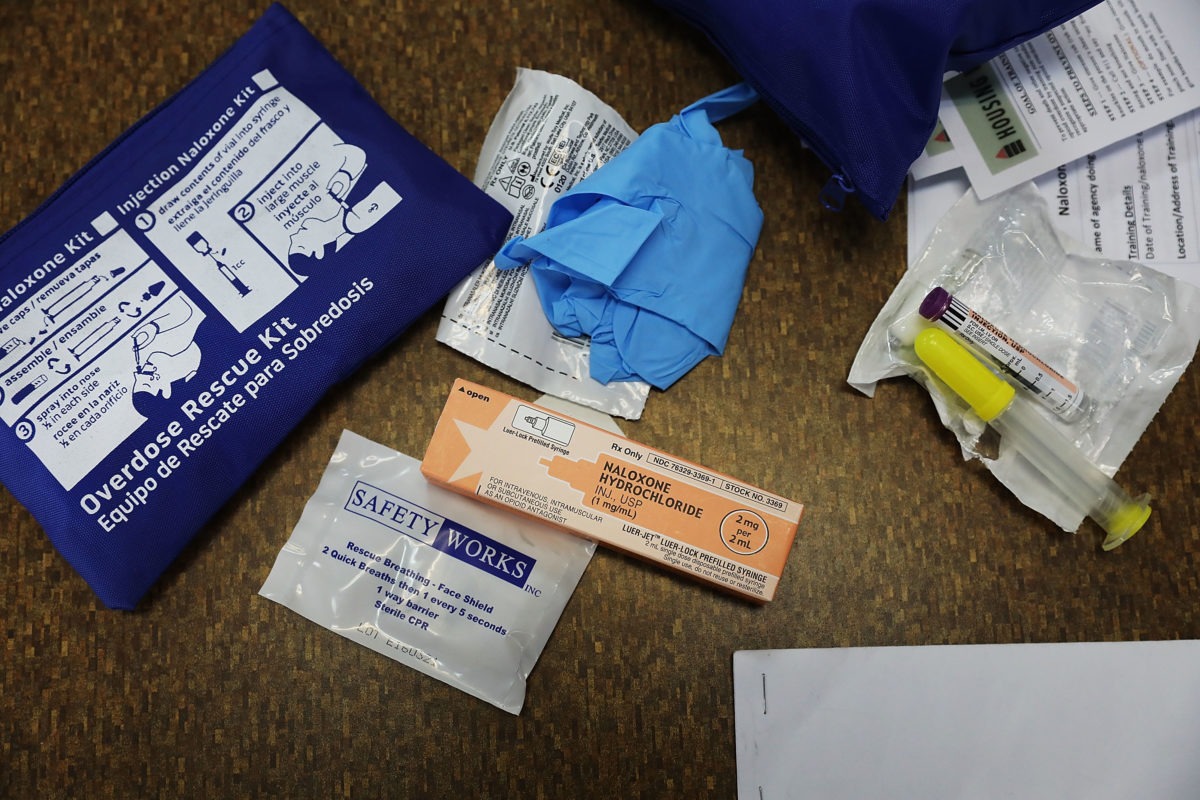
‘Worst policy imaginable’ punishes, rather than treats, patients who earn less than a dollar an hour, advocates say.