They Served Their Time. But They May Still Die in State Custody.
In half the country, sex offense civil commitment incarcerates people after they complete their prison sentences.

In half the country, sex offense civil commitment incarcerates people after they complete their prison sentences.

State policies nearly everywhere banish those with a sexual offense in their past. Vermont does the opposite by building communities around them—with dramatically positive results.

South Florida’s political leaders have celebrated their commitment to the unhoused—but won’t admit that those placed on offense registries are increasingly becoming unhoused.

I was arrested in 2011 after engaging in sex work to survive and later forced to register as a sex offender. Since then, social stigma, footage laws, and crushing monthly court debts have made it difficult to get back on my own two feet and succeed after prison.

The real aim of these operations might be to boost support for cops.

Michigan was one of several states requiring registrants to report to local police stations in person despite the risk to public health from coronavirus.

Inconsistent rules nationwide mean some people are still registering and reporting in person despite public health directives meant to control COVID-19.

Hillsborough County Sheriff Chad Chronister’s stings, conducted under the guise of targeting human trafficking, netted the largest number of arrests there since 2008. Sex workers say the operations put them at risk.

Josh Shapiro has warned that changing the state’s sex offense registry requirements threatens public safety. But experts say his fears are unfounded and the registry provides little to no public safety benefit.

Republicans are leading an effort to get rid of blanket restrictions on where some people with sex-offense records can live. A Democratic governor is blocking them.

Young people convicted as adults face a ‘life sentence’ of registry restrictions, attorneys say.

With Appeal contributor Guy Hamilton-Smith and Elizabeth Letourneau of the Moore Center for the Prevention of Child Sexual Abuse at Johns Hopkins Bloomberg School of Public Health

Barred from other shelters, registrants were left with few options as the hurricane approached.

A Shippensburg man faces 15 years on the sex offense registry for offering a girl a ride.
The legislation also makes it illegal for many ex-offenders to be alone with their own children.
California’s expansive registry law forces people to pay for crimes they didn’t personally commit.
Advocates say laws that land people with HIV on the sex offender registry are outdated and dangerous.

Critics say the state’s policy of keeping non-residents registered bloats the list—and harms public safety.

A petition argues that people seeking to escape the sex offender registry, including those put on it as children, deserve more than a single shot.
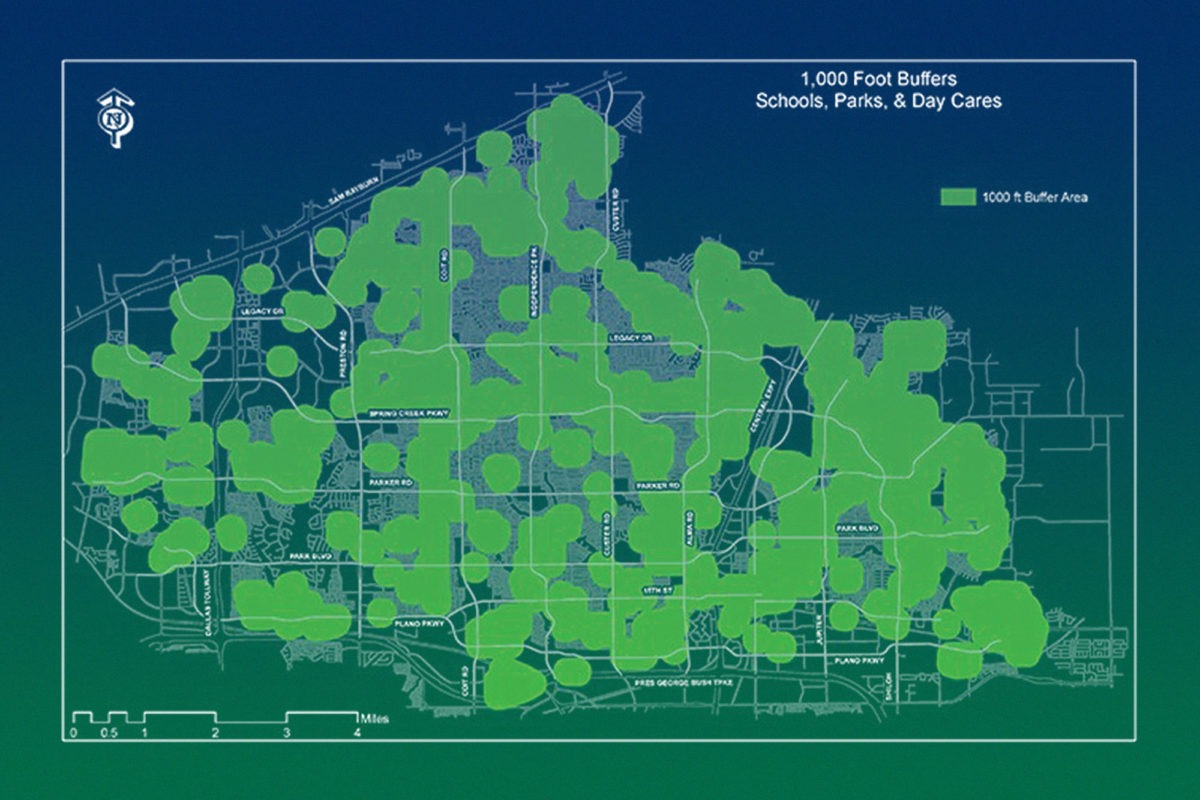
Even though it’s unlikely that they commit sexual assault at higher rates than other ethnic or racial groups, nearly one of every 100 Black men is on a sex offender registry, a rate double that of white men.

Lawyer seeks end to Halloween restrictions that target people convicted of sex offenses.
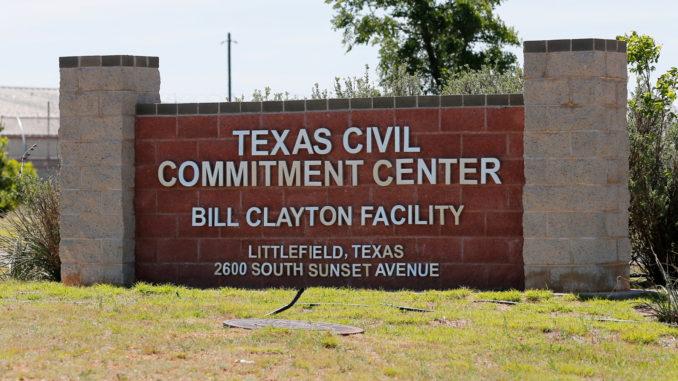
Prosecutors can subject those convicted of sexual offenses—and sometimes, those with no conviction at all—to an indefinite period of civil punishment at the end of their criminal sentence.

Before Edgar Coker was exonerated in a rape case, he underwent therapy meant to prevent sexual reoffenses. Thousands of kids involved in sexual offenses are forced into therapies like “relapse prevention” that experts say are ineffective.

In one Pennsylvania county, more than three times as many people on the registry were charged in 2016 with failing to follow registry requirements than were charged with a new sexual offense

New types of registries are being created around the country, despite research showing they don’t work.
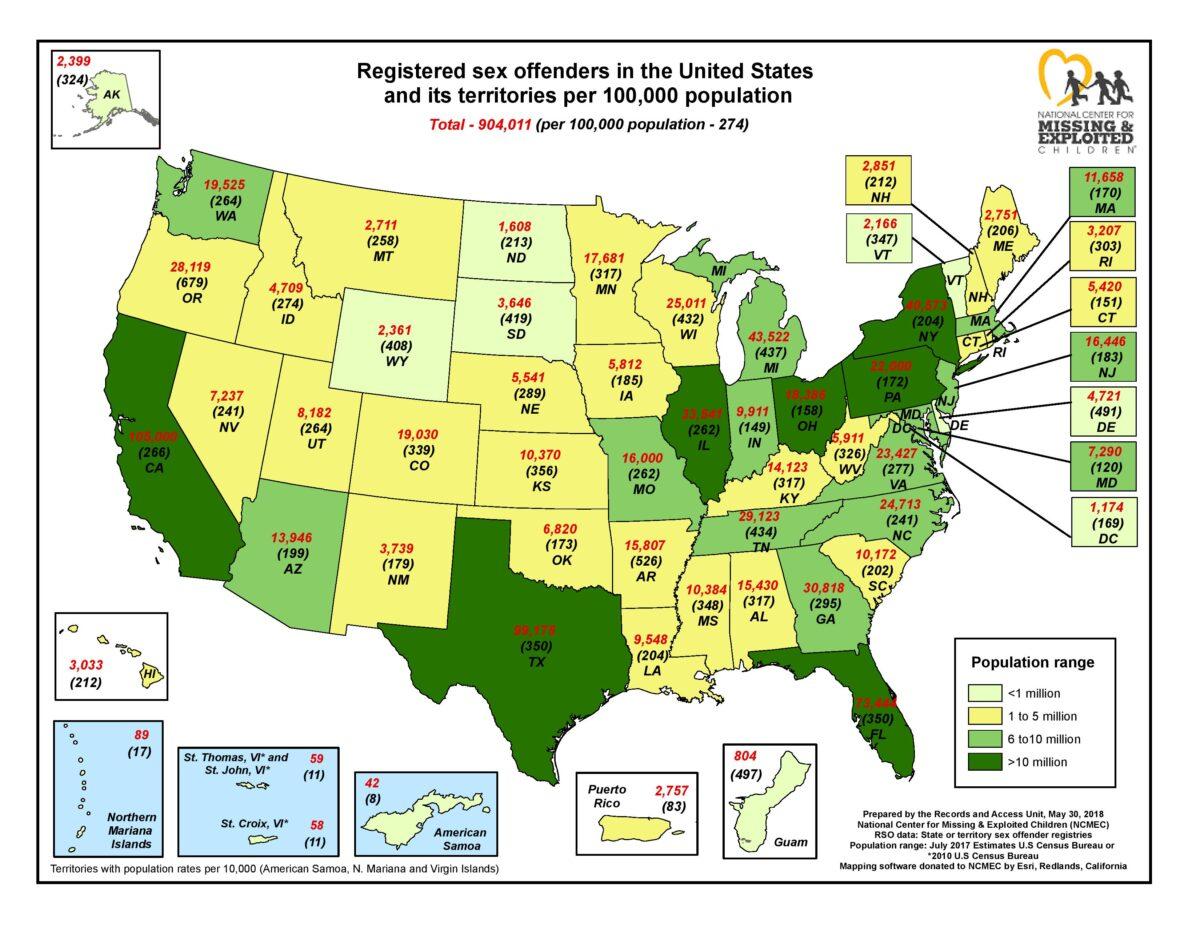
Lists that include out-of-state visitors are inflating the numbers and keeping fear at a boil.

At a Pennsylvania school, an 18-year-old female student was arrested for a consensual sexual act with a 16-year-old boy.



Last week, the Pennsylvania Supreme Court held that some applications of the state’s sex offender registration law violate the state constitution. The decision represents an important step toward increasing constitutional scrutiny of sweeping laws that make it nearly impossible for convicted sex offenders to reintegrate into society after serving time in prison.