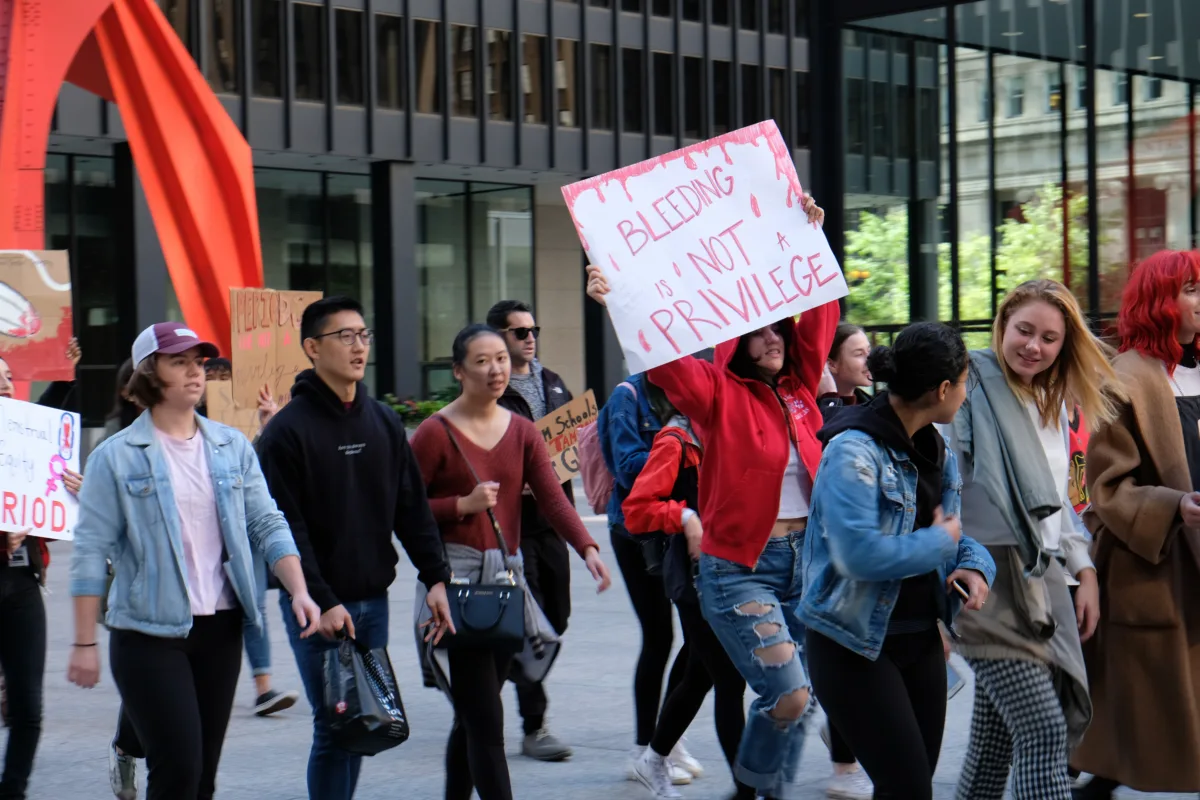
Bleeding Behind Bars Is Extra Grim When Prisons Fail to Offer Menstrual Products
Twenty-two states have laws requiring prisons to provide free menstrual products, but not all of them do.

Twenty-two states have laws requiring prisons to provide free menstrual products, but not all of them do.

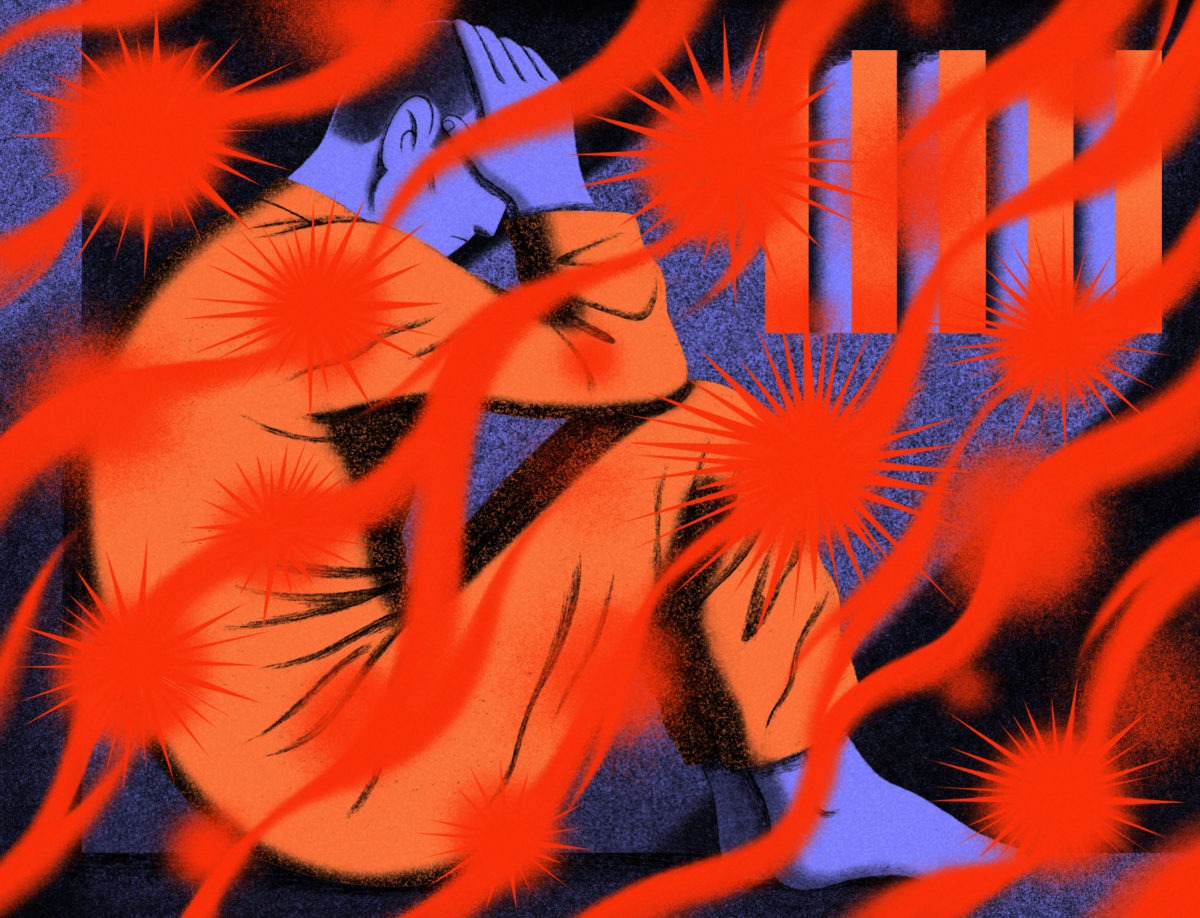
For more than 10 years, a group of incarcerated men have said Illinois prison guards forced them into painful stress positions and forced them to rub their genitals on one another.
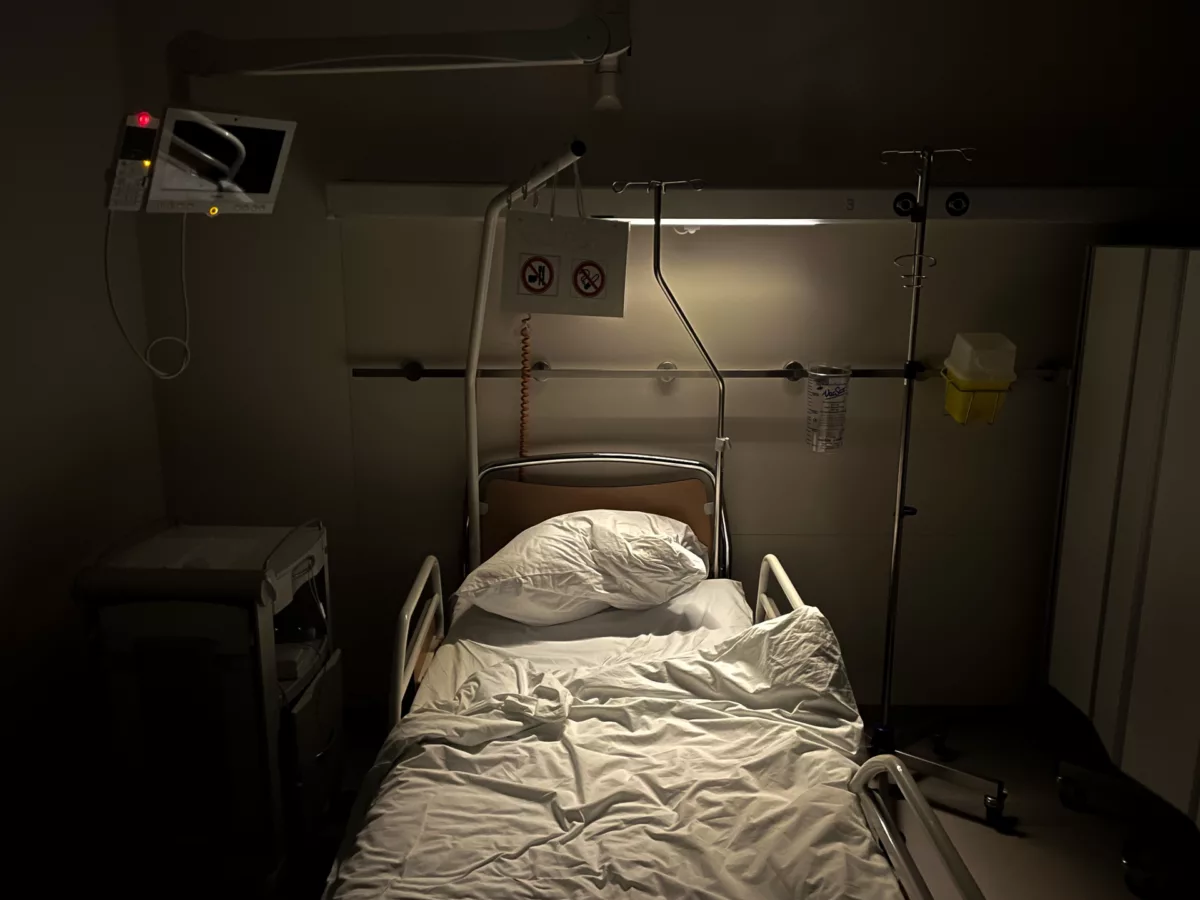
Four years after a settlement agreement that was meant to compel improvements, the Illinois Department of Corrections is still failing to provide adequate care for the state’s oldest and sickest prisoners.
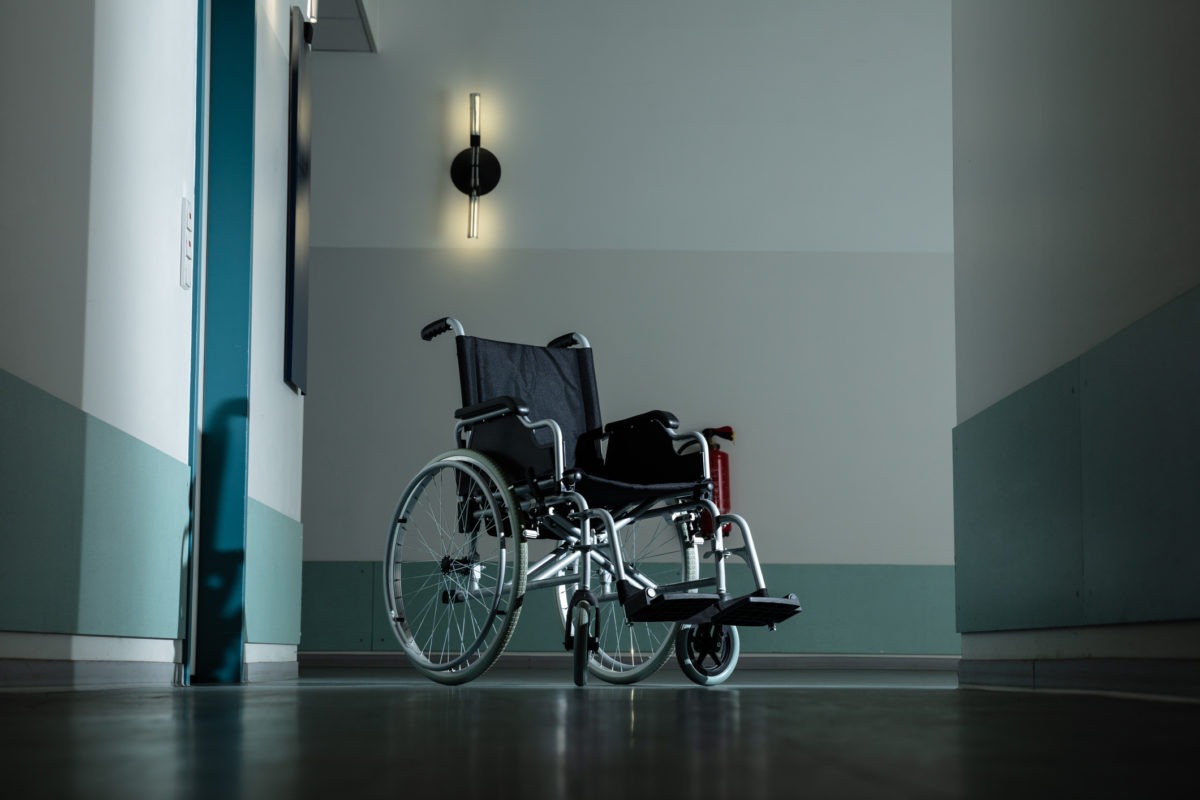
A federal monitor says substandard healthcare persists—with horrific consequences—more than a decade after a lawsuit was supposed to compel changes.
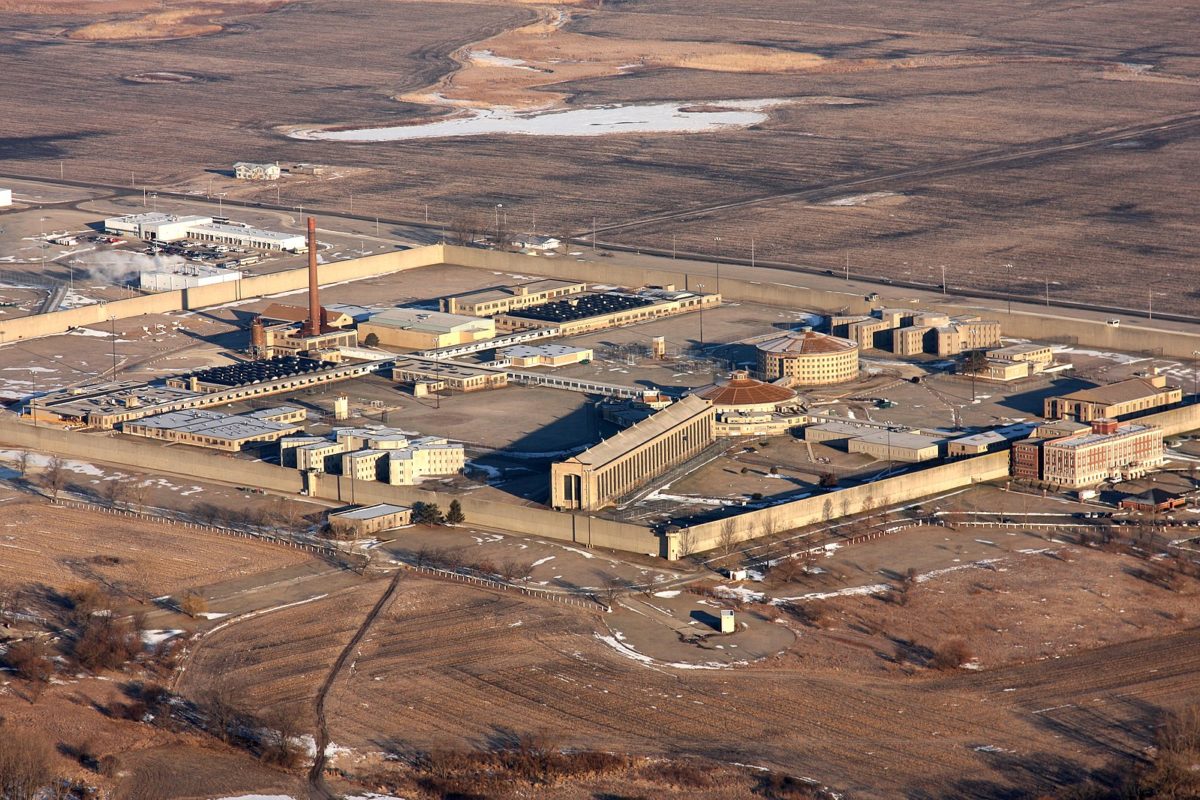
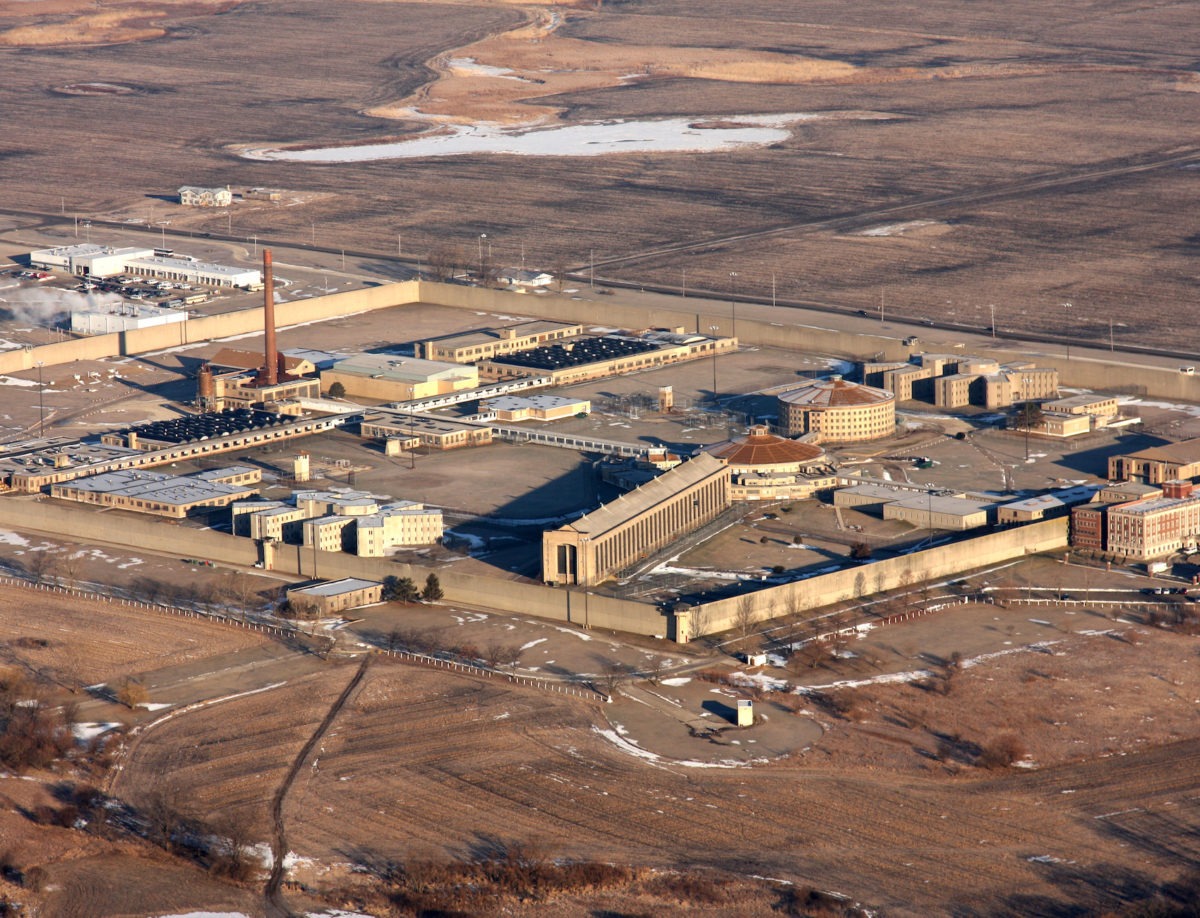
Water at 12 state prisons has tested positive for the bacteria this year.
Legionella bacteria was found in five Illinois prisons in March.
It took a prisoner’s death ‘just for them to pass out a single extra bar of soap,’ one incarcerated man said.

Prisoners are “especially vulnerable to contracting and spreading COVID-19,” Illinois Governor J. B. Pritzker wrote in his executive order.
With Taylor Elizabeth Eldridge, a Type Investigations Ida B. Wells Fellow and Appeal contributor.
Even after a major class action suit required Illinois to revamp its prison healthcare system, doctors whose alleged neglect resulted in major injury or death still remain on the prison system payroll.

Earlier this year, Danville prison removed about 200 books, many of which dealt with race issues. But the new rules don’t go far enough, says one advocate.
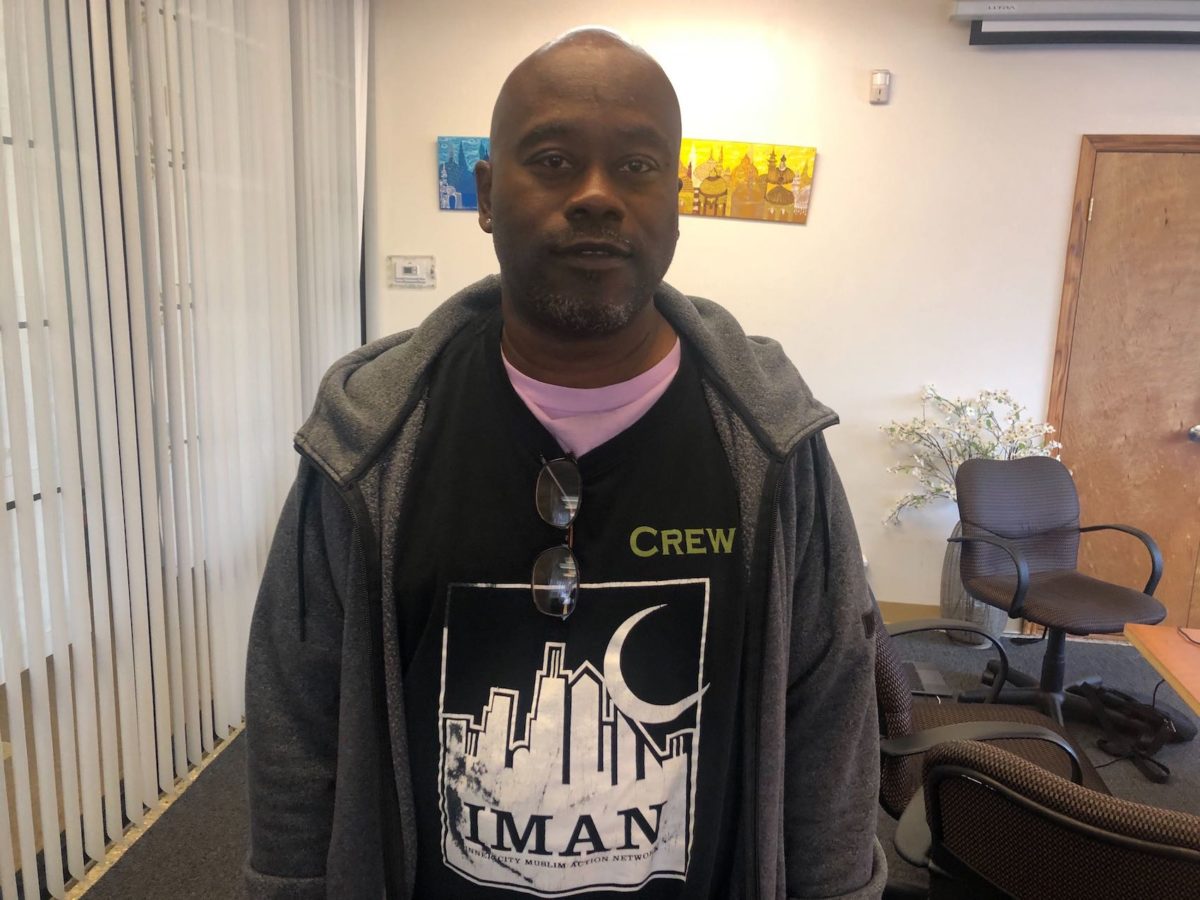
A Prisoner Review Board memo released in July requires a minimum of 12 hours of movement with ankle monitors, but some people say they’re still being given far less.
Lawsuits that challenge mental healthcare and medical care for incarcerated people advance in Illinois.